Best Shoes for Nurses: 6 Picks for 12-Hour Shifts
A 12-hour shift can mean 5 to 10 kilometres of walking on hard hospital floors, plus hours of standing at bedsides and nurses’ stations. The right shoes won’t make a long shift easy, but the wrong ones can leave you with sore heels, aching arches and swollen feet before your break.
The best shoes for nurses combine four things: thick cushioning, slip resistance for wet floors, an easy-to-clean upper, and enough room in the toe box for feet that swell during the day. Below are six options that cover those needs, from maximum cushioning to budget picks.
Quick picks
HOKA Bondi SRBest overall: max cushioning and slip resistance
Check price on AmazonDansko Professional ClogBest clog
Check price on AmazonHOKA Clifton 10Best lightweight cushioned sneaker
Check price on AmazonBrooks GhostBest running-style shoe for long shifts
Check price on AmazonSkechers Work Squad SRBest budget slip-resistant shoe
Check price on AmazonCrocs On The ClockBest budget slip-on, waterproof and washable
Check price on AmazonComparison at a glance
| Shoe | Style | Cushioning | Slip-resistant | Easy to wipe clean |
|---|---|---|---|---|
| HOKA Bondi SR | Sneaker | Maximum | Yes | Yes, leather |
| Dansko Professional | Clog | Firm, supportive | Yes | Yes, leather |
| HOKA Clifton 10 | Sneaker | High | No, standard outsole | No, mesh |
| Brooks Ghost | Sneaker | High | No, standard outsole | No, mesh |
| Skechers Work Squad SR | Slip-on sneaker | Medium, memory foam | Yes | Water-repellent |
| Crocs On The Clock | Slip-on clog | Medium | Yes | Yes, fully washable |
1. HOKA Bondi SR: best overall
Best for: nurses who want maximum cushioning and a shoe built for wet hospital floors
The Bondi is HOKA’s most cushioned road shoe, and the SR (“slip resistant”) version adapts it for work. It swaps the running mesh for a water-resistant full-grain leather upper that wipes clean, and adds a slip-resistant rubber outsole that HOKA tests on surfaces with water, oil and soap. A thick EVA midsole and a gently rocking sole shape help each step roll forward with less effort.
Why nurses choose it:
- HOKA’s thickest cushioning, for long hours on hard floors
- Slip-resistant outsole for wet and slippery surfaces
- Water-resistant leather that’s easy to wipe down
- Low 6 mm heel-to-toe drop and a padded memory foam collar
Keep in mind: it’s one of the more expensive options, and the thick sole feels bulky if you’re used to slim sneakers. Leather is less breathable than mesh.
Also at eFootwear, a US shoe store that carries the Bondi SR in wide sizes too:
2. Dansko Professional Clog: best clog
Best for: nurses who like a firm, stable feel and quick slip-on convenience
The Dansko Professional is the classic nursing clog. It has a leather upper, a roomy reinforced toe box, a contoured midsole with an inner frame for stability, and a protective heel counter that lets the heel move up and down while keeping it steady side to side. The rocker bottom helps you roll forward instead of pushing off a flat sole.
Why nurses choose it:
- Firm arch support and a stable platform for long periods of standing
- Roomy toe box for feet that swell during a shift
- Leather upper that’s easy to clean
- Slip-on design for fast on and off
Keep in mind: opinions are split. Many nurses love Danskos for their support and durability, while others find them heavy, rigid, or hard to get used to. They also take some getting used to on stairs because of the raised heel. Sizing can feel different from sneakers, so check the size guide before ordering.
3. HOKA Clifton 10: best lightweight cushioned sneaker
Best for: nurses who want HOKA-style cushioning in a lighter, more flexible shoe
The Clifton is HOKA’s everyday cushioned shoe. It’s lighter than the Bondi, so it feels less bulky while still giving plenty of softness underfoot, which makes it a good choice if you walk a lot during your shift rather than stand in one spot.
Why nurses choose it:
- Soft cushioning in a lighter shoe
- Smooth, rolling ride for walking long corridors
- Breathable upper for warm wards
Keep in mind: it’s a running shoe, so the mesh upper doesn’t resist fluids and the outsole isn’t rated slip-resistant. Check your workplace’s footwear policy before choosing it.
4. Brooks Ghost: best running-style shoe for long shifts
Best for: nurses who prefer a balanced, cushioned sneaker that isn’t too soft
The Brooks Ghost is one of the most popular neutral running shoes, and it shows up again and again in nurses’ recommendations. It gives a softer feel than a clog but more balance and ground feel than max-cushion shoes, and it’s available in wider widths.
Why nurses choose it:
- Balanced cushioning for walking and standing
- Wide widths available
- Breathable mesh upper
- Available in men’s and women’s versions
Keep in mind: like the Clifton, it has a mesh upper and a standard running outsole, so it’s not the best choice for units where spills are common.
5. Skechers Work Squad SR: best budget slip-resistant shoe
Best for: nurses who need slip resistance without paying premium prices
The Squad SR is a lightweight slip-on work sneaker with a slip-resistant outsole rated for wet, dry and oily surfaces, a memory foam insole, and a water-repellent treated upper. Stretch laces mean you never have to retie them mid-shift.
Why nurses choose it:
- Slip-resistant outsole at a budget price
- Memory foam insole and relaxed, roomy fit
- Slip-on design with stretch laces
- Light and easy to wear all day
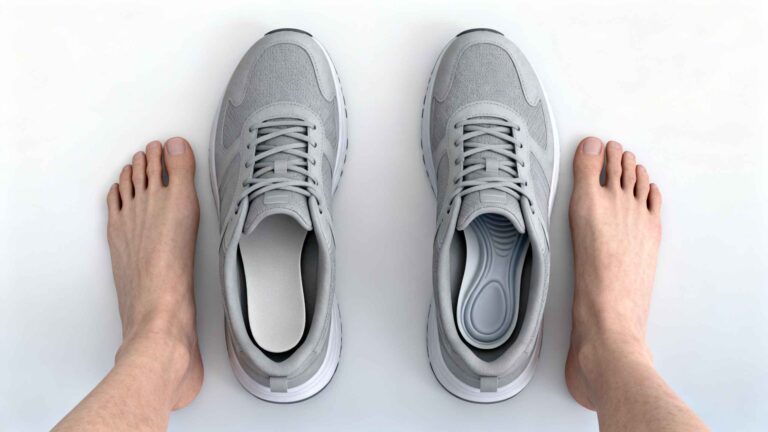
Keep in mind: the cushioning is thinner than HOKA or Brooks, and memory foam flattens over time. If your feet ache by the end of a shift, adding a supportive insole makes a big difference. See insoles for nurses.
6. Crocs On The Clock: best budget slip-on
Best for: nurses who want a waterproof, washable shoe that’s quick to slip on
The On The Clock is a work version of the Crocs clog. Unlike classic Crocs, it has an enclosed toe and heel with no holes, which is closer to what many workplace footwear policies ask for. It has Crocs’ slip-resistant tread and can simply be rinsed clean.
Why nurses choose it:
- Enclosed toe and heel, no holes
- Slip-resistant tread, certified to workplace standards
- Waterproof and fully washable
- Lightweight and affordable
Keep in mind: the fit is relaxed and tends to run large, so many people size down. Arch support is basic compared with a Dansko or a HOKA.
What to look for in nursing shoes
- Slip resistance. Hospital floors get wet. Look for shoes described as slip-resistant, ideally tested to a standard such as ASTM F2913 or F3445.
- Cushioning. Thicker midsoles absorb more impact on hard floors. This matters most on 12-hour shifts.
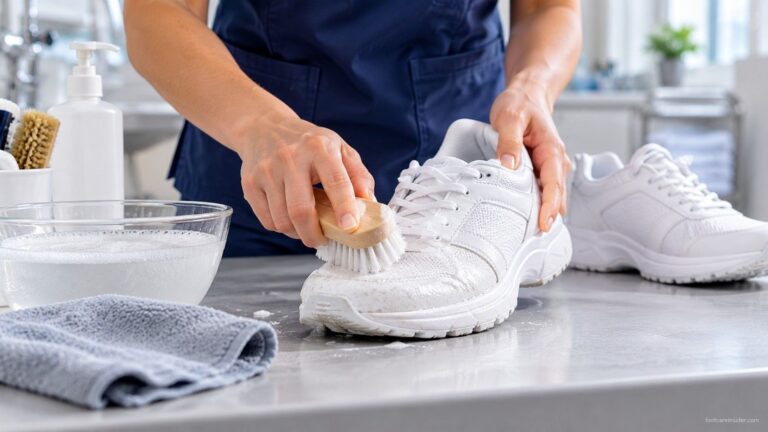
- Easy-to-clean uppers. Leather or treated synthetic uppers can be wiped down. Mesh is breathable but absorbs spills.
- A roomy toe box. Feet swell over a long shift. Shoes that fit perfectly at 8 am can feel tight by 6 pm.
- Arch support. If you have flat feet or plantar fasciitis, support matters as much as cushioning.
- Workplace rules. Many hospitals require closed toes and heels, and some don’t allow shoes with holes.
Clogs or sneakers?
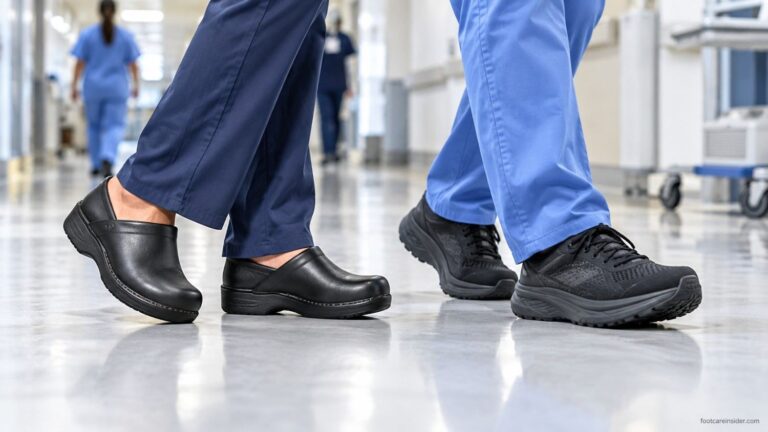
Clogs (like Dansko) give a firm, stable platform, slip on quickly, and are easy to clean. Some nurses find them perfect for standing. Others find them heavy and less comfortable for fast walking.
Sneakers (like HOKA and Brooks) feel lighter and softer and are better for covering a lot of ground. Running-shoe mesh is harder to keep clean, which is why work versions like the Bondi SR exist.
If you mostly stand in one area, a clog may suit you. If you walk long corridors all shift, a cushioned sneaker is usually more comfortable.
Best shoes for nurses with foot problems
- Plantar fasciitis: choose firm heel support plus cushioning, like the Dansko Professional or HOKA Bondi SR, and consider a supportive insole. See insoles for plantar fasciitis.
- Flat feet: most nursing shoes are neutral, so an arch-support insole often helps. See best insoles for flat feet.
- Wide feet: the Brooks Ghost comes in wide widths, and the Dansko has a roomy toe box. See insoles for wide feet.
- Sore feet by the end of every shift: the shoe may be fine, but it needs better support inside. See best insoles for standing all day.
How often should nurses replace their shoes?
With full-time shifts, most nursing shoes lose their cushioning within about 6 to 12 months. Replace them sooner if:
- the midsole looks creased or compressed
- the tread is worn smooth, which reduces slip resistance
- your feet, knees or back start aching earlier in the shift than before
Many nurses keep two pairs and alternate them, which gives the cushioning time to recover between shifts.
Frequently asked questions
What shoes can nurses wear?
Most hospitals require closed-toe, closed-heel shoes that are clean and professional-looking. Many also prefer slip-resistant, fluid-resistant shoes. Always check your own workplace’s dress code.
Are HOKA shoes good for nurses?
Many nurses like them because of their thick cushioning. The Bondi SR is the most work-ready, because it adds a slip-resistant outsole and a wipe-clean leather upper.
Are Dansko clogs good for nurses?
They’re a long-time favourite for their firm support and durability. They don’t suit everyone, though. Some people find them heavy or stiff.
Can nurses wear Crocs?
Classic Crocs with holes are banned in many hospitals. Enclosed work styles, like Crocs On The Clock, are more likely to meet dress codes, but check your employer’s policy.
What are the best shoes for nurses on their feet all day?
Shoes with thick cushioning and a stable base, like the HOKA Bondi SR or Dansko Professional, are the most popular choices for 12-hour shifts. Adding a supportive insole can make any good shoe more comfortable.
Do nursing shoes need to be slip-resistant?
It isn’t always required, but it’s strongly recommended. Wet floors are common in hospitals, and slip-resistant outsoles reduce the risk of falls.
Final verdict
For most nurses, the HOKA Bondi SR is the best all-round choice: maximum cushioning, a slip-resistant outsole and a wipe-clean leather upper. If you prefer a firm, stable clog, the Dansko Professional is the classic. The HOKA Clifton 10 and Brooks Ghost are great if you walk a lot and your unit allows mesh sneakers. On a tighter budget, the Skechers Work Squad SR and Crocs On The Clock give you slip resistance for much less.
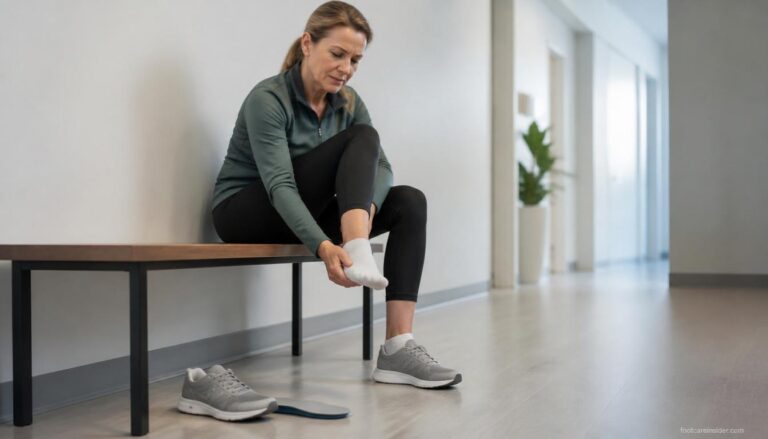
Whichever you choose, pair it with a supportive insole if your arches or heels hurt by the end of a shift. The right shoe and the right insole together make the biggest difference.
Related guides
- Best insoles for nurses
- Insoles for hospital workers
- Best insoles for standing all day
- Best insoles for overpronation
- Slip-resistant shoes for nurses
- Wide-width nursing shoes
- Nursing shoes for plantar fasciitis
- Shoes for nurses with flat feet
- Slip-on shoes for nurses
- Shoes for male nurses
- White shoes for nurses
- On Cloud shoes for nurses
- Are HOKA shoes good for nurses
- Dansko vs HOKA
- Do Dansko shoes run true to size
- Insoles for nursing shoes