Do Nurses Really Need Slip-Resistant Shoes?
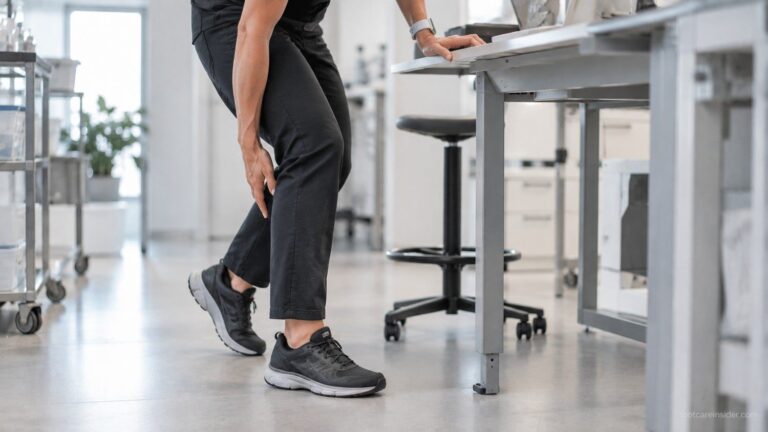
Slip resistant shoes for nurses matter because hospital staff move between patient rooms, treatment areas and corridors where floor conditions can change throughout a shift. moving between patient rooms, nurses’ stations, treatment areas and supply rooms. Those floors may look clean and dry at one moment, then become slippery because of spilled water, cleaning residue or other fluids. When you are moving quickly to answer a call or assist a patient, the grip under your shoes matters more than it might during an ordinary walk.
So, do nurses really need slip-resistant shoes? In many healthcare workplaces, they are a sensible choice, and some employers specifically require them. However, the right decision depends on workplace policy, the surfaces you walk on and the conditions you are likely to encounter. A shoe that looks sturdy or has a thick rubber outsole is not automatically slip-resistant.
Why slip resistance matters during a nursing shift
Nurses rarely walk under the same conditions for an entire shift. One route may take them across a dry corridor, while another passes a recently cleaned floor or an area where liquids can be spilled. Even a small loss of traction can interrupt a step, force an awkward recovery or contribute to a fall.
Slip resistance describes how well a shoe’s outsole grips a surface. It is different from cushioning, arch support and general comfort. A shoe may feel soft underfoot and provide plenty of room for the toes while still offering limited traction on a wet or contaminated floor.
Healthcare environments can present several practical challenges:
- Wet floors after routine cleaning or accidental spills.
- Small amounts of liquid around sinks, treatment areas or patient-care spaces.
- Hard, smooth flooring in corridors and work areas.
- Frequent changes in direction when moving between rooms or working around equipment.
These conditions do not mean every hospital floor is slippery all the time. They do explain why outsole grip deserves attention when choosing nursing footwear. A suitable shoe can help provide traction under the conditions for which it was designed, but no footwear can eliminate the risk of slipping on every surface.
It is also important to distinguish slipping from other sources of discomfort. Cushioning may affect how your feet feel after hours of standing, while fit influences pressure around your toes and forefoot. Those are separate considerations from the shoe’s ability to grip the floor.
What Makes Slip Resistant Shoes for Nurses Effective?
The outsole is the part of the shoe that contacts the floor, so its material, surface pattern and overall construction all matter. Slip-resistant work shoes are designed to provide improved traction under specified conditions. However, the appearance of an outsole alone cannot confirm how well it will perform.
Look for footwear that is explicitly described as slip-resistant and, where possible, supported by information about the conditions or testing for which it is intended. A label or product description is a useful starting point, but it is worth checking the manufacturer’s details rather than relying on photographs or general marketing language.
The tread pattern can also be worth examining. Grooves and channels may help manage liquid at the contact surface, depending on the outsole’s design and the floor conditions. Yet deep-looking tread does not automatically mean better grip. The compound, pattern, floor material and type of contamination all influence performance.
Consider these points when comparing shoes:
- Outsole specification: Check whether the manufacturer explicitly identifies the shoe as slip-resistant and explains its intended use.
- Contact surface: Look at the outsole pattern and construction, but do not judge performance from appearance alone.
- Workplace suitability: Confirm that the shoe meets your employer’s requirements for your particular role and environment.
- Condition of the outsole: Worn, damaged or contaminated outsoles may not perform as intended. Inspect your shoes regularly.
Water is not the only factor that affects traction. Cleaning products, oils and other substances can change how a floor behaves underfoot. A shoe designed for one type of workplace may not be suitable for every healthcare setting, so the manufacturer’s stated use matters.
Do all nurses need the same level of slip resistance?
No single shoe is automatically right for every nurse. A nurse working mainly in a hospital ward may encounter different floor conditions from someone working in a clinic, a care home or a community setting. The tasks performed, the surfaces involved and the employer’s footwear policy should all inform the choice.
Start by checking your workplace’s requirements. Some employers specify slip-resistant footwear, while others may provide guidance about approved shoes or required safety features. If the policy is unclear, ask your supervisor or occupational health and safety team rather than assuming that ordinary athletic sneakers meet the standard.
Next, consider your actual working environment. Think about whether you regularly cross recently cleaned floors, work near liquids or move between areas with different flooring. The aim is to choose footwear appropriate for the conditions you face, not simply the shoe with the most aggressive-looking tread.
Comfort still matters during a long shift. A suitable fit, secure heel and cushioning that feels appropriate to you can make a difference to day-to-day wear. If you need guidance on the broader combination of fit, support and workday comfort, see Best Shoes for Nurses. That wider footwear decision should complement, rather than replace, checking the shoe’s slip-resistance claims.
How to choose shoes for wet or smooth healthcare floors
When comparing footwear, begin with the conditions in which you will use it. A shoe that performs adequately on a dry floor may behave differently on a wet one. Likewise, the same outsole may interact differently with different floor materials. There is no universal visual shortcut that guarantees traction in every situation.
Use a practical checklist before buying:
- Read the manufacturer’s slip-resistance description and any available test or performance information.
- Check your employer’s footwear rules, including any required standard or approved shoe type.
- Choose a secure, comfortable fit that allows natural movement without your heel slipping excessively inside the shoe.
- Inspect the outsole periodically for worn tread, cracks, embedded debris or other damage.
- Follow workplace procedures for spills and wet floors instead of relying on footwear alone.
Do not assume that a white shoe, a black shoe, a clog or a running-style sneaker is automatically safer than another option. Colour and general shoe category do not establish slip resistance. The specific model and its intended use are what matter.
For nurses who must wear white footwear, the same checks apply. The shoe should meet the workplace’s requirements first, with colour and comfort considered alongside those requirements. A separate guide to Best White Shoes for Nurses can help readers explore that particular footwear choice.
What slip-resistant shoes cannot protect you from
Slip-resistant footwear is one part of workplace safety, not a guarantee against falls. Traction depends on the interaction between the outsole and the floor, including the type and amount of liquid or other contamination present. A shoe that performs well in one situation may offer less grip in another.
Even shoes designed for slippery work environments can lose effectiveness when their outsoles become worn, damaged or clogged with debris. Cleaning products and substances on the floor can also affect traction. This is why regular shoe inspection and following workplace safety procedures remain important throughout a shoe’s useful life.
Footwear also cannot compensate for every hazard. Nurses should follow local procedures for reporting spills, keeping walkways clear and responding to wet-floor warnings. If a floor has become slippery, take the appropriate precautions rather than assuming the outsole will provide enough grip.
Pay attention to how your shoes behave during normal use. If you notice unexpected slipping, inspect the outsole and consider whether the footwear is suitable for the conditions. Do not deliberately test traction by walking across a wet or contaminated floor.
When should nurses replace their work shoes?
There is no single replacement schedule that applies to every nurse. How quickly shoes wear depends on factors such as shift length, walking distance, floor surfaces, cleaning practices and the shoe’s construction. Two pairs that look similar may also wear at different rates.
Inspect the outsole regularly, especially if you work long shifts or spend much of the day walking. Signs that footwear may need replacing include:
- Tread that has become noticeably smooth or uneven.
- Cracks, separation or other visible damage to the outsole.
- Areas of wear that make the shoe sit unevenly on a flat surface.
- Changes in fit or stability that make the shoe feel less secure.
- Repeated slipping during ordinary work activities despite following workplace procedures.
Do not judge a shoe’s condition by the upper fabric alone. A sneaker can look clean and presentable while its outsole has become worn. Conversely, a scuffed upper does not necessarily mean the shoe has lost its traction. Inspect the parts that contact the floor and follow the manufacturer’s care and replacement guidance.
If your employer requires a particular type of slip-resistant footwear, check whether a worn pair still meets workplace policy. Replace damaged or unsuitable shoes promptly rather than waiting until the upper looks old.
How should slip resistance fit into your overall shoe choice?
Slip resistance should be considered alongside fit, comfort and the demands of your nursing role. These features serve different purposes. Traction relates to grip on the floor; cushioning affects how the shoe feels underfoot; and fit influences pressure around the toes, heel and sides of the foot.
A well-cushioned shoe is not necessarily slip-resistant, and a slip-resistant shoe is not automatically comfortable for every foot. Check each feature separately instead of treating one as proof of the others.
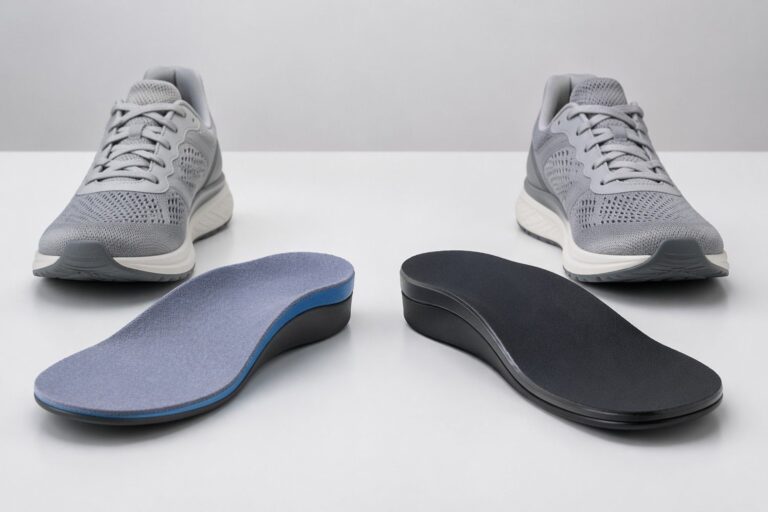
For nurses who spend long periods standing or walking, consider whether the shoe feels secure through the heel, leaves enough room for the toes and provides cushioning that suits personal comfort needs. If you use orthotic insoles, check that they fit properly without making the shoe too tight or compromising how securely your foot sits inside it.
Also consider the practical demands of your workplace. A nurse moving frequently between patient rooms may have different needs from someone working mostly at a stationary treatment area. The best choice is footwear that meets the employer’s requirements and is appropriate for the surfaces, tasks and hours involved.
If foot discomfort persists or worsens despite changing footwear, seek advice from a qualified healthcare professional. Shoe choice may affect comfort, but it should not be treated as a substitute for evaluating ongoing pain.
Our picks: Slip-resistant styles our nurse guides recommend. Always check your workplace requirements.
Skechers Work Squad SR – A slip-resistant work shoe built for healthcare shifts.
HOKA Bondi SR (women) – A slip-resistant, heavily cushioned shoe for long shifts.
HOKA Bondi SR (men) – The same cushioned slip-resistant shoe in a men’s fit.
Common Questions
Are regular running shoes slip-resistant enough for nurses?
Not necessarily. Running shoes are designed for their intended activities, and their outsoles vary by model. Some may provide useful grip, but their appearance or cushioning does not establish that they meet a healthcare workplace’s slip-resistance requirements. Check the specific manufacturer’s information and your employer’s policy.
Are rubber soles always slip-resistant?
No. Rubber is used in many types of footwear, but the material alone does not guarantee traction. The outsole compound, tread design, floor surface and presence of liquid or other contaminants all affect grip. Look for a clear slip-resistance specification rather than relying on the word “rubber.”
Do nurses need slip-resistant shoes if hospital floors are usually dry?
They may still be a sensible choice, and the employer may require them regardless of typical floor conditions. Spills and recently cleaned areas can occur unexpectedly. Check workplace rules and select shoes suited to the risks and surfaces in your setting.
How can I tell whether my nursing shoes have lost their grip?
Look for worn or smooth tread, uneven outsole wear, cracks and other damage. If you notice unexpected slipping during normal work, inspect the shoes and review whether they are appropriate for the environment. Avoid testing them on wet floors, and follow workplace safety procedures.
Can slip-resistant shoes prevent every workplace fall?
No. They can help provide traction under suitable conditions, but they cannot eliminate every slipping risk. Floor contamination, damaged footwear, obstacles and other workplace hazards can still contribute to falls. Appropriate footwear should be combined with spill management, clear walkways and the safety procedures used at your workplace.
Should nurses choose slip resistance over cushioning?
These features address different needs, so the choice is not necessarily one or the other. First, make sure the footwear meets workplace safety requirements. Then consider cushioning, fit, stability and day-to-day comfort. A shoe should be suitable for the floor conditions and the demands of the shift.
For nurses, slip-resistant footwear is a practical safety consideration, and it may be mandatory under workplace policy. Check the specific shoe’s stated performance rather than judging by its appearance, and inspect the outsole as it wears. Combine suitable footwear with safe workplace practices, including responding appropriately to spills and wet floors. Grip matters, but it is only one part of choosing work shoes that are appropriate for a demanding nursing shift.
More nurse shoe guides: wide-width nursing shoes, slip-on shoes for nurses and shoes for male nurses.