Flexible vs Rigid Orthotics: Key Differences
Choosing between flexible and rigid orthotics can be difficult because both are designed to support the feet, yet they do so in very different ways.
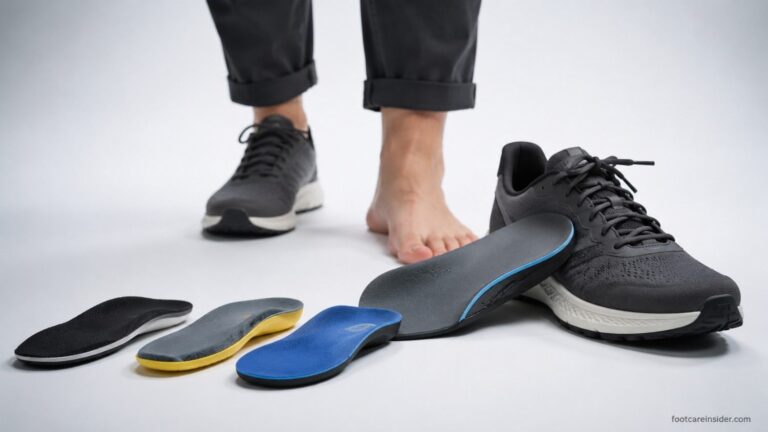
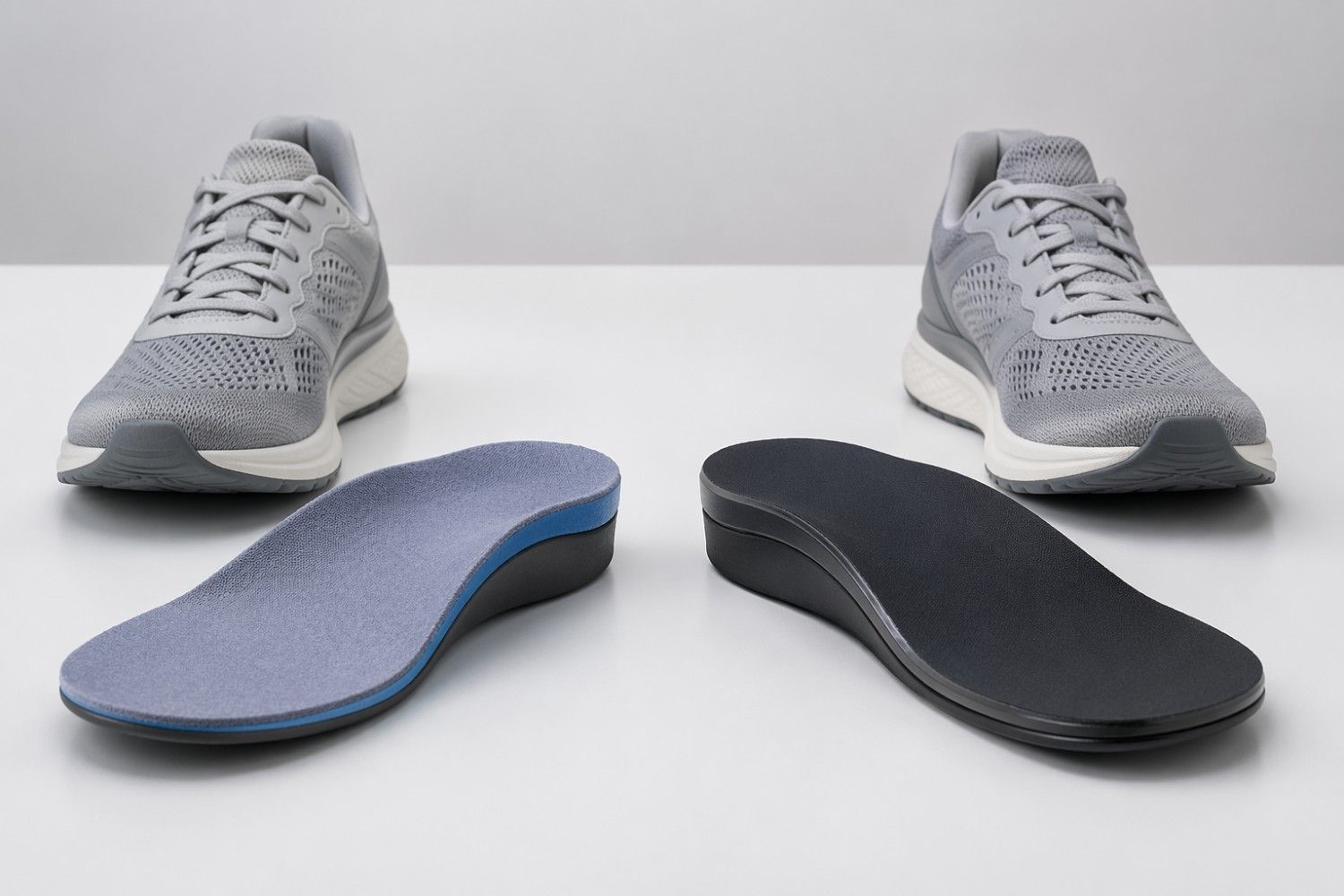
Flexible orthotics focus on cushioning, shock absorption, and allowing natural foot movement. Rigid orthotics prioritize structural control, stability, and managing foot mechanics during standing and walking.
Neither option is automatically better. The right choice depends on how your feet function, your activity level, the type of footwear you wear, and the specific support you’re looking for.
Understanding these differences can make it much easier to choose an orthotic that matches your daily needs rather than relying on trial and error.
Understanding Flexible Orthotics
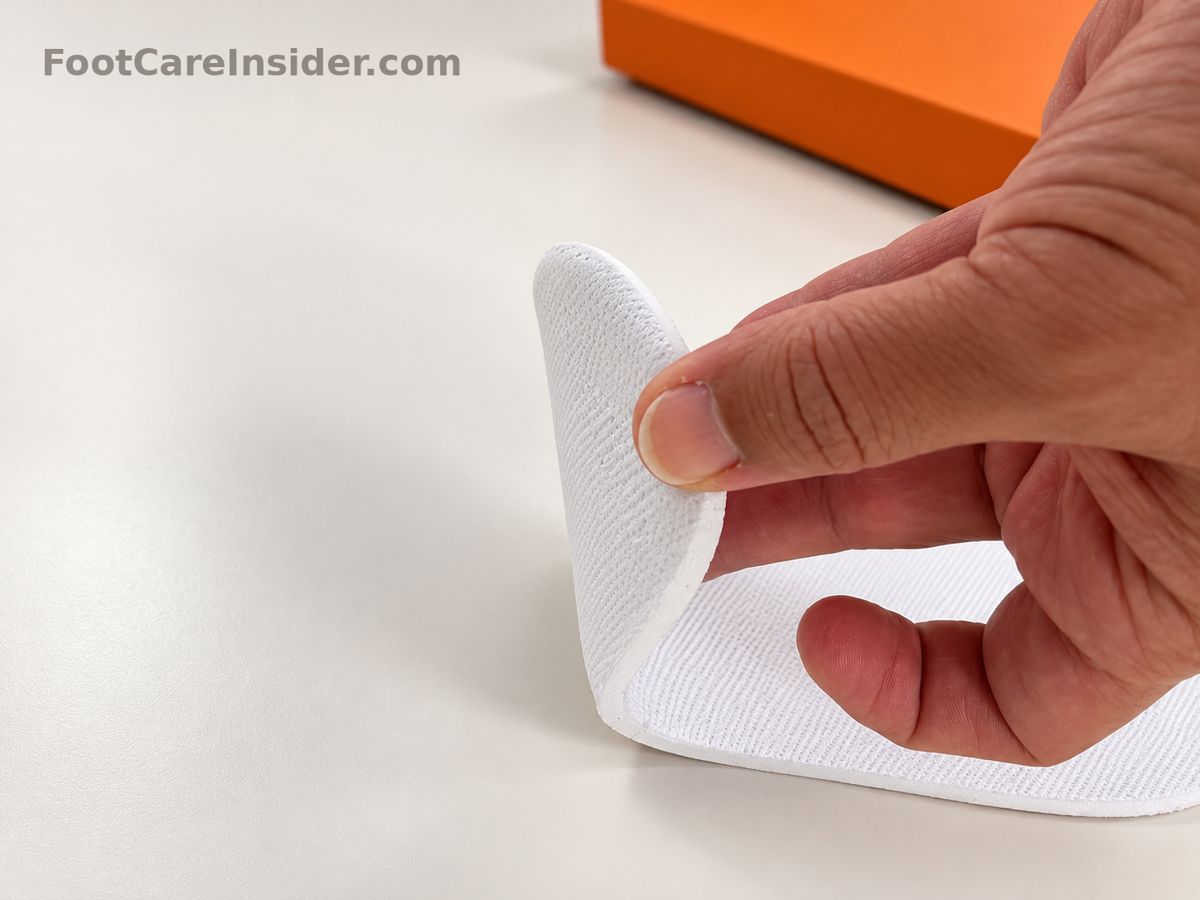
Flexible orthotics are designed to move with the foot.
They are commonly made from materials such as:
- EVA foam
- polyurethane foam
- cork blends
- layered cushioning materials
Their primary goal is to improve comfort while still providing a degree of support.
Because they flex during movement, many users describe them as feeling more natural underfoot.
Flexible orthotics are often used for:
- daily walking
- casual footwear
- prolonged standing
- mild to moderate support needs
- comfort-focused applications
They typically absorb impact more effectively than rigid designs, making them popular among people who spend long hours on their feet.
Readers researching best insoles for flat feet often encounter flexible orthotics because they can provide support while maintaining walking comfort.
Understanding Rigid Orthotics
Rigid orthotics focus on controlling foot motion.
They are commonly manufactured using firmer materials such as:
- carbon fiber
- graphite composites
- hard plastics
- high-density support materials
Unlike flexible orthotics, these devices are designed to resist bending under load.
Their purpose is not primarily cushioning.
Instead, they aim to influence how the foot moves during standing and walking.
Rigid orthotics are frequently prescribed for:
- significant overpronation
- biomechanical control
- movement management
- specific structural foot concerns
Because they prioritize stability over softness, they often feel firmer during initial use.
Structural Differences
The biggest distinction between flexible and rigid orthotics is how they respond to body weight.
Flexible orthotics compress and adapt as pressure changes throughout the walking cycle.
Rigid orthotics maintain their shape under load.
This creates very different experiences.
Flexible designs generally allow:
- greater movement
- more cushioning
- smoother pressure transitions
Rigid designs generally provide:
- increased control
- greater stability
- stronger motion management
A simple way to think about it is that flexible orthotics work with movement, while rigid orthotics work to guide movement.
Material and Functional Differences
Material selection strongly influences performance.
Flexible orthotics typically use softer materials that absorb impact energy.
This may help reduce foot fatigue during prolonged standing and walking.
Rigid orthotics rely on structural materials that prioritize support consistency.
Because they resist compression, they often maintain their intended shape for longer periods.
Similar to cushioning vs stability insoles, the choice often comes down to comfort-focused support versus movement-focused support.
Neither approach is universally superior.
Each serves a different purpose.
Pressure Distribution and Stability
Flexible orthotics often improve pressure distribution by spreading force across a larger area.
Many users notice reduced pressure beneath the heel and forefoot during extended activity.
Rigid orthotics approach the problem differently.
Instead of primarily redistributing force, they attempt to influence how force moves through the foot.
This distinction can be important.
Someone seeking immediate comfort may prefer the feel of a flexible design, while someone seeking maximum control may appreciate the structure of a rigid orthotic.
Intended Use Cases
Flexible orthotics are commonly selected for:
- standing jobs
- walking programs
- daily comfort
- recreational activity
- mild support needs
Their cushioning properties often make them comfortable during prolonged use.
People exploring insoles for standing all day frequently encounter flexible orthotic designs because comfort becomes increasingly important as fatigue develops.
Rigid orthotics are more commonly associated with:
- biomechanical correction
- motion control
- high-support requirements
- structural alignment goals
Because they limit excessive movement more effectively, they are often used when stability is the primary concern.
Cost and Long-Term Value
Both categories vary significantly in price.
Flexible orthotics are available across a wide range of price points, from affordable over-the-counter models to custom devices.
Rigid orthotics are often associated with higher manufacturing costs, particularly when custom fabrication is involved.
From a durability standpoint, rigid materials generally resist compression better than softer foams.
However, durability alone does not determine value.
A highly durable orthotic provides little benefit if it does not suit the user’s needs.
The better investment is usually the orthotic that addresses the specific reason support is needed in the first place.
Pros and Cons of Flexible Orthotics
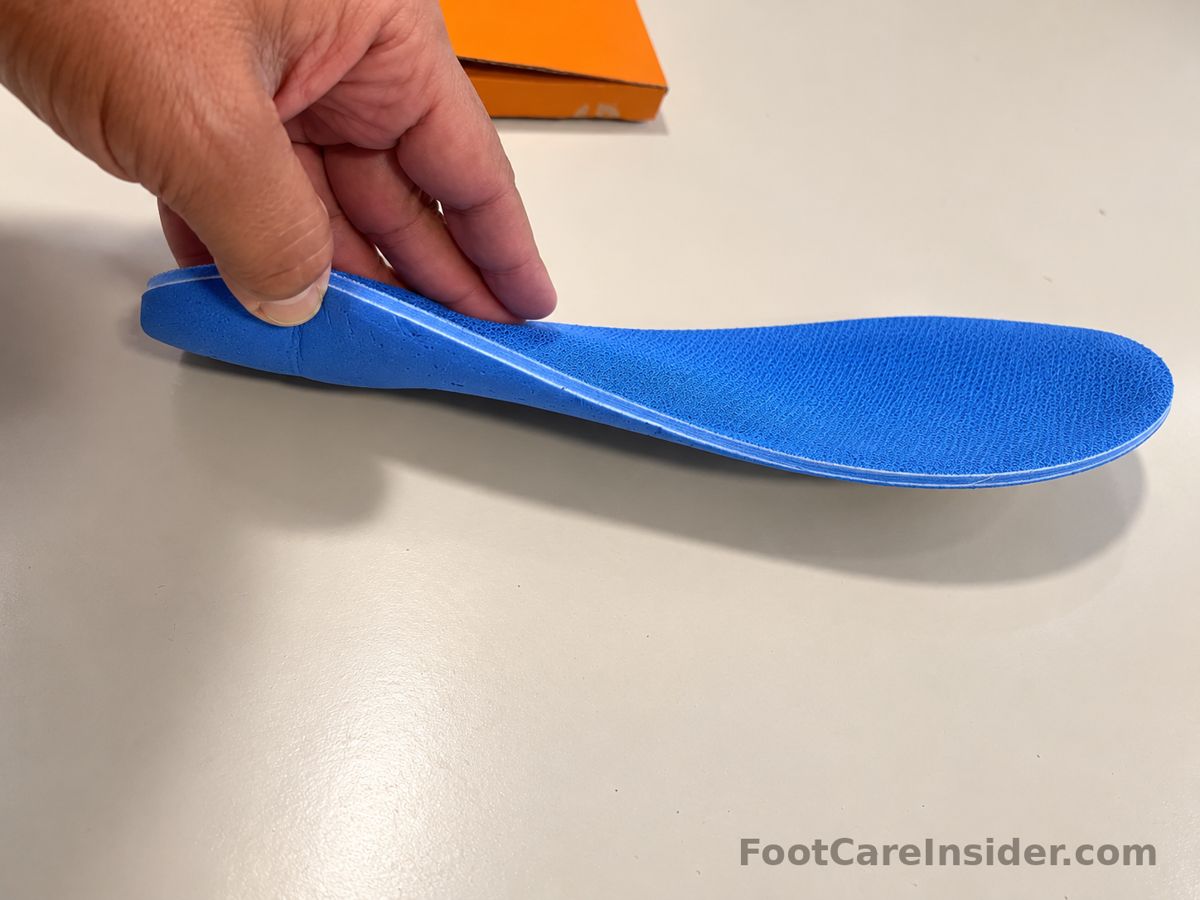
Flexible orthotics are often chosen because they feel more comfortable during everyday use.
Their ability to compress slightly under load allows them to absorb impact and adapt to natural foot movement. This can be especially beneficial during long walks, standing shifts, or daily activities where comfort is a priority.
The advantages include:
- greater cushioning
- improved shock absorption
- natural walking feel
- better comfort in many shoe types
The tradeoff is that they provide less motion control than rigid alternatives.
For individuals with significant biomechanical concerns, the support may feel insufficient despite the added comfort.
Pros and Cons of Rigid Orthotics
Rigid orthotics focus on structure and stability.
Because they resist bending, they can provide more consistent support throughout the walking cycle. This makes them appealing for people whose primary goal is controlling foot movement.
Benefits include:
- stronger motion control
- consistent support
- reduced excessive foot movement
- durable construction
The downside is that they often feel firmer underfoot.
Some users require an adjustment period before becoming comfortable with a rigid device, particularly if they are accustomed to soft cushioning.
Who Should Choose Flexible Orthotics?
This is for you if:
- you prioritize comfort during daily wear
- you spend long hours standing
- you walk frequently for exercise
- you want support without excessive firmness
- your discomfort is primarily related to fatigue rather than stability
Flexible orthotics often work well for people seeking a balance between support and cushioning.
Many users appreciate how they reduce pressure without dramatically changing the feel of their footwear.
Who Should Choose Rigid Orthotics?
This is for you if:
- stability is your primary concern
- you have significant overpronation
- you need stronger motion control
- you want support that maintains its shape under load
- a healthcare professional has recommended structural support
Rigid orthotics are often chosen when controlling movement is more important than maximizing cushioning.
For some users, the added stability outweighs the firmer feel.
Long-Term Comparison
Flexible orthotics generally excel in comfort.
Many users find them easier to wear immediately because the materials adapt more naturally to pressure changes.
Rigid orthotics generally excel in support consistency.
Because they compress less over time, they often maintain their intended structure longer.
In terms of long-term performance:
- Flexible orthotics typically prioritize comfort and pressure relief.
- Rigid orthotics typically prioritize control and movement management.
The better choice depends on the reason support is needed.
Micro Comparison Summary
- Flexible Orthotics = better for comfort, cushioning, standing, and everyday walking.
- Rigid Orthotics = better for stability, motion control, and structural support.
Neither is universally better. The ideal option depends on individual support requirements and activity demands.
Choosing between soft vs firm insoles often comes down to whether comfort or support is your top priority.
Not sure whether you need cushioning or correction? Compare gel vs orthotic insoles.
FAQ
Are flexible orthotics better for walking?
Many people find flexible orthotics more comfortable during walking because they allow natural foot movement while providing cushioning. However, individuals needing greater motion control may benefit more from rigid designs.
Do rigid orthotics hurt at first?
They can feel unfamiliar initially because they provide firmer support. Many users experience an adjustment period as the feet adapt to the new support structure.
Which type lasts longer?
Rigid orthotics often maintain their shape longer because the materials resist compression. Durability, however, also depends on construction quality and usage patterns.
Are flexible orthotics good for standing all day?
They are commonly used for prolonged standing because they help absorb impact and reduce pressure buildup. Many workers prefer the additional cushioning they provide.
Can rigid orthotics improve stability?
Yes. One of their primary purposes is to help manage foot movement and provide a more controlled foundation during walking and standing.
Can I switch between both types?
Some people use different orthotics depending on the activity. For example, a flexible orthotic may be preferred for daily comfort, while a rigid design may be used when additional support is desired.
Our picks: One pick for each type.
Moderate support insoles – A flexible, everyday option for comfort with some support.
Firm support insoles – A firmer option for stability and movement control.
Final Verdict
When comparing flexible vs rigid orthotics, the decision usually comes down to comfort versus control.
Flexible orthotics prioritize cushioning, shock absorption, and natural movement. They are often favored for daily comfort, prolonged standing, and walking.
Rigid orthotics prioritize structure, stability, and movement management. They are often chosen when stronger support and control are the primary goals.
Rather than asking which type is better overall, it is more useful to ask which type better matches your foot mechanics, activity level, and support requirements.