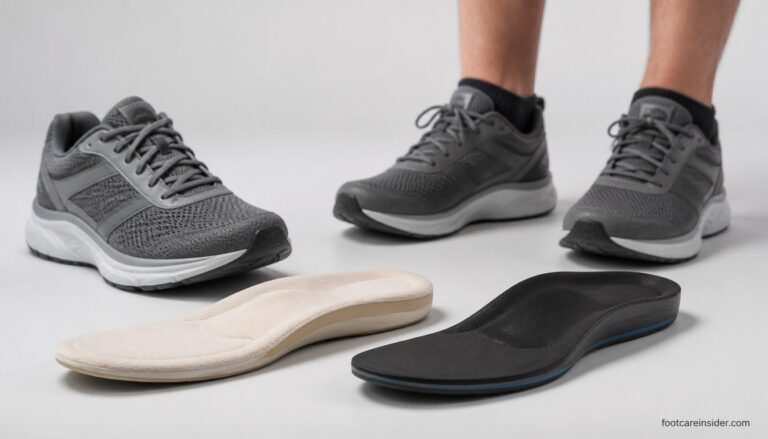
Soft vs Firm Insoles for Flat Feet Support
Choosing between soft and firm insoles for flat feet can feel confusing because both types are marketed as supportive and comfortable. Some people prefer soft cushioning because it reduces pressure during standing and walking, while others find firmer support helps stabilize the foot and reduce fatigue over time.
Soft insoles usually focus on cushioning and pressure relief, while firm insoles are designed more around structure, stability, and movement control. Neither option is automatically better for everyone with flat feet. The right choice depends on how severe the arch collapse is, how active the person is, and whether the main goal is comfort, support, or long-term stability.
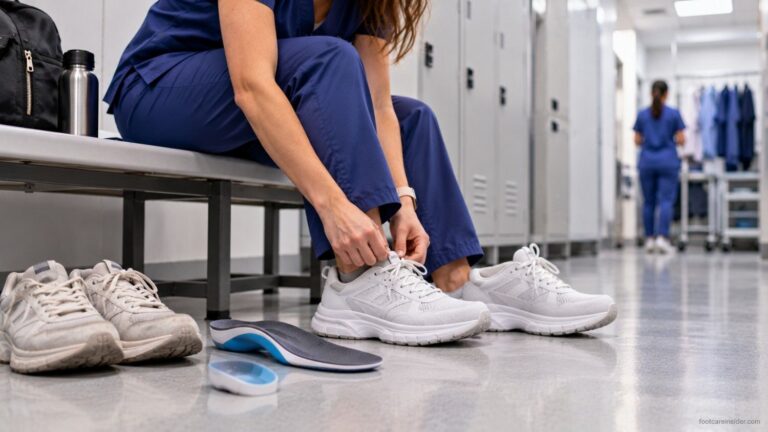
For someone standing on concrete floors all day, softer cushioning may initially feel more comfortable. But for walking long distances or controlling inward rolling movement, firmer support may sometimes perform better over time.
This comparison explains how soft and firm insoles behave differently in real-life use so the choice feels clearer and more practical.
Our picks: One example for each answer this comparison can lead to. For the general comparison without flat feet, see soft vs firm insoles.
Firm and structured: Superfeet Green – holds the arch for moderate flat feet, overpronation and long walks.
Soft and cushioned: Cushion Insoles – pressure relief for sensitive feet and hard floors.
A balance of both: Moderate Support Insoles – moderate cushioning with structured arch support.
What Soft Insoles Are Designed For
Soft insoles are primarily designed to reduce pressure and increase underfoot comfort.
They often use:
- memory foam
- gel layers
- EVA foam
- cushioned heel padding
- shock-absorbing materials
These insoles compress more easily under body weight, which creates a softer walking or standing feel.
Soft designs are commonly used for:
- standing jobs
- daily walking
- sensitive feet
- fatigue reduction
- comfort-focused footwear
For many people with mild flat feet, softer cushioning can help reduce soreness caused by repeated pressure on hard surfaces.
People researching comfort-focused cushioning often compare gel vs foam insoles standing while trying to understand how softness changes foot fatigue during long standing hours.
What Firm Insoles Are Designed For
Firm insoles focus more on structure and foot alignment than softness.
Instead of deeply compressing under pressure, firmer designs aim to:
- stabilize the arch
- reduce inward rolling
- improve foot positioning
- distribute pressure more evenly
- support movement mechanics
Firm insoles are often made with:
- high-density foam
- rigid arch supports
- TPU support shells
- structured EVA materials
These are commonly recommended for:
- moderate flat feet
- overpronation
- walking support
- athletic activity
- long-term alignment control
While firm insoles may feel less comfortable at first, some users find they reduce fatigue better during repeated movement because the foot stays more stable throughout the day.
Structural Differences Between Soft and Firm Insoles
The biggest structural difference is how each type behaves under load.
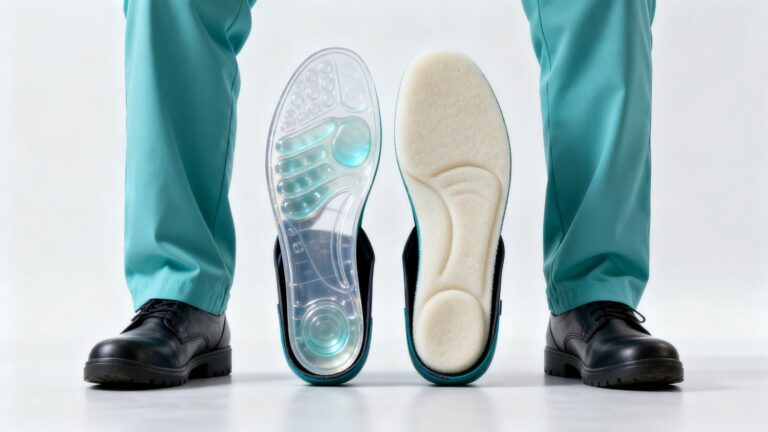
Soft insoles compress more when pressure is applied. This creates cushioning between the foot and the ground, especially around the heel and forefoot.
Firm insoles resist compression more strongly. Instead of allowing the foot to sink deeply into the material, they maintain shape and help guide foot movement more consistently.
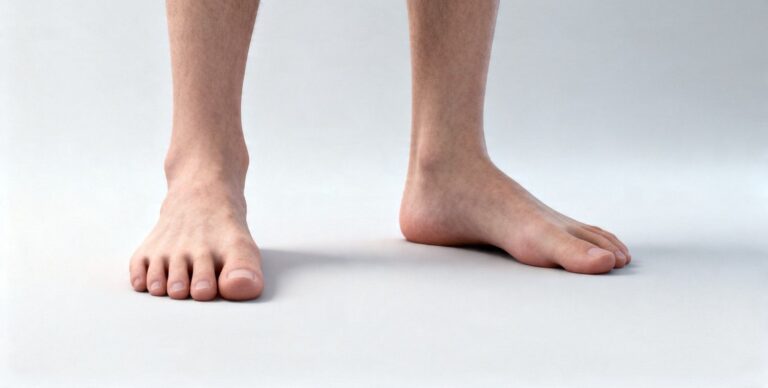
For flat feet, this difference becomes important because collapsed arches often need both comfort and structural support.
Very soft insoles may feel pleasant initially but can sometimes allow excessive inward rolling if there is not enough support underneath.
Firm insoles, on the other hand, may improve stability but can feel overly rigid for users mainly seeking softness and pressure relief.
Cushioning vs Stability
This comparison often comes down to cushioning versus control.
Soft insoles usually:
- reduce impact feel
- absorb pressure
- improve immediate comfort
- feel gentler underfoot
Firm insoles usually:
- improve stability
- maintain arch positioning
- reduce excessive foot motion
- create more consistent support
Some people with flat feet actually need a balance between both. That is why many hybrid insoles combine moderate cushioning with structured arch reinforcement.
Readers comparing support-focused designs often explore best insoles for flat feet when trying to understand how arch support changes stability during walking and standing.
Real-Life Use Cases
Standing Jobs
People standing for long hours often prefer softer cushioning because hard floors repeatedly stress the heel and arch.
However, extremely soft foam can flatten during long shifts, especially for heavier users or prolonged standing routines.
Walking and Daily Activity
Firm insoles often perform better during repeated walking because they maintain shape more consistently throughout movement.
This can help reduce instability caused by overpronation or arch collapse.
Athletic Use
For running or sports activity, firmer support usually provides better movement control. Soft cushioning alone may not stabilize the foot enough during rapid directional movement.
Sensitive Feet or Pressure Relief
Soft insoles may feel more comfortable for users with sensitive pressure points or people transitioning into arch support for the first time.
Material and Functional Differences
Soft insoles commonly use:
- memory foam
- gel cushioning
- softer EVA blends
These materials prioritize comfort and pressure absorption.
Firm insoles typically use:
- denser EVA
- structured foam
- TPU reinforcement
- rigid support zones
These materials focus more on stability and durability.
Many people comparing long-term structure versus cushioning also research thick vs thin insoles because thickness can influence how support and softness behave inside different shoes.
If a soft insole feels amazing at first but seems flat a few weeks later, it helps to understand why soft insoles lose their shape faster before buying the same style again.
Cost and Long-Term Value
Soft insoles are sometimes cheaper initially because softer foam materials are widely available. However, lower-density cushioning may wear down faster under repeated use.
Firm insoles often cost slightly more due to structured support components and higher-density materials.
Over time, firmer insoles may maintain shape longer, especially during heavy daily use or extended walking routines.
Still, comfort preference matters. Some users continue preferring softer cushioning despite more frequent replacement because the pressure relief feels better for their daily routine.
Pros and Cons of Soft Insoles
Soft insoles are usually chosen for immediate comfort and pressure relief. Many people with flat feet notice reduced soreness during standing because softer materials cushion the heel and forefoot more gently.
This can feel especially helpful during long work shifts, walking on hard floors, or wearing shoes with very little built-in padding.
The downside is that softer insoles sometimes compress too much under repeated pressure. When the arch sinks deeply into soft foam, stability may decrease and inward rolling movement can become more noticeable.
For people with moderate overpronation, extremely soft cushioning may feel comfortable at first but less supportive over time.
Pros and Cons of Firm Insoles
Firm insoles are designed more around support and movement control.
Instead of focusing mainly on softness, they help maintain arch structure and stabilize the foot during walking and standing. This can improve alignment and reduce repeated strain caused by collapsed arches.
Firm designs are often preferred for:
- repeated walking
- long-term support
- athletic movement
- moderate overpronation
- stability-focused footwear
The tradeoff is comfort feel. Some firm insoles feel rigid initially, especially for people used to soft cushioning.
Adjustment periods are common because the foot needs time to adapt to stronger structural support.
Who Should Choose Soft Insoles?
Soft insoles are usually better for people prioritizing comfort and pressure relief over aggressive support correction.
This is often a better fit if:
- your flat feet are mild
- you mainly stand rather than walk long distances
- you have sensitive pressure points
- your shoes feel hard underfoot
- comfort matters more than motion control
Soft cushioning may also work well for people new to insoles who dislike rigid support initially.
Readers focused on long standing comfort often explore insoles for standing all day when comparing cushioning styles for work shifts and fatigue reduction.
Who Should Choose Firm Insoles?
Firm insoles are often more suitable for people needing stability and movement control.
This may be a better fit if:
- you experience overpronation
- walking causes fatigue
- your arches collapse noticeably
- you need more structure during movement
- softer insoles flatten too quickly
Firm support can help maintain more consistent foot positioning throughout the day, especially during repeated walking activity.
People researching movement control and alignment differences often compare flat feet vs overpronation while trying to understand why firmer support sometimes improves walking stability.
Long-Term Comparison
Long-term performance usually depends on both material quality and activity level.
Soft foam insoles may lose shape faster because repeated pressure gradually compresses cushioning materials. Once the foam flattens, pressure relief often decreases.
Firm insoles generally maintain structure longer because denser support materials resist compression more effectively.
However, comfort preference still matters. Some users continue preferring softer cushioning even with shorter replacement cycles because the softer feel reduces day-to-day discomfort better for their specific routine.
For heavy daily walking, firmer support often performs more consistently over time.
Quick Comparison Summary
Soft insoles = better for cushioning, pressure relief, standing comfort, sensitive feet
Firm insoles = better for stability, arch support, movement control, long-term structure
Many people with flat feet eventually prefer moderate firmness because it balances comfort and support more evenly.
Common Questions
Are soft insoles good for flat feet?
They can help with pressure relief and comfort, especially for mild flat feet or prolonged standing. However, extremely soft foam may not provide enough structural support for significant arch collapse.
Do firm insoles help overpronation?
Firm insoles often help control inward rolling movement because they maintain arch positioning more consistently during walking and standing.
Why do firm insoles feel uncomfortable at first?
The foot may need time to adapt to stronger support. People used to soft cushioning sometimes notice pressure around the arch during the adjustment period.
Which type lasts longer?
Firm insoles usually maintain shape longer because denser support materials resist compression better than softer foam cushioning.
Can soft insoles still provide arch support?
Yes, some softer insoles include structured arch reinforcement underneath cushioning layers. Hybrid designs often combine moderate softness with stability features.
Final Verdict
Soft and firm insoles serve different purposes for flat feet support.
Soft insoles focus more on cushioning, comfort, and pressure reduction. Firm insoles focus more on structure, alignment, and movement control.
For standing-heavy routines or sensitive feet, softer cushioning may feel more comfortable. For repeated walking, overpronation, or long-term support needs, firmer designs may provide better stability.
The best option depends less on marketing labels and more on how the foot behaves during daily activity.