Flat Feet Walking vs Standing: Why Pain Feels Different
People with flat feet often notice that discomfort changes depending on whether they are walking or standing still. Some experience aching arches and ankle fatigue after long periods of standing, while others feel more pain during walking because of repeated movement and impact. Even though both activities place stress on the feet, the type of pressure and muscle demand are not exactly the same.
Standing tends to create continuous static load on the arches, heels, and ankles. Walking, on the other hand, adds repeated motion, impact absorption, and shifting body weight with every step. This is why flat feet walking vs standing pain can feel very different, even within the same person.
Understanding the difference matters because the source of discomfort often changes the type of support, footwear, or activity adjustments that may help. Some people need better stability for standing-heavy work shifts, while others struggle more with fatigue and alignment during movement.
For background on the condition itself, read our flat feet guide.
Why Standing and Walking Stress the Feet Differently
When standing still, the feet support body weight continuously without much variation in pressure. The muscles and ligaments responsible for supporting the arch stay under constant tension for long periods, especially on hard surfaces like concrete or tile floors.
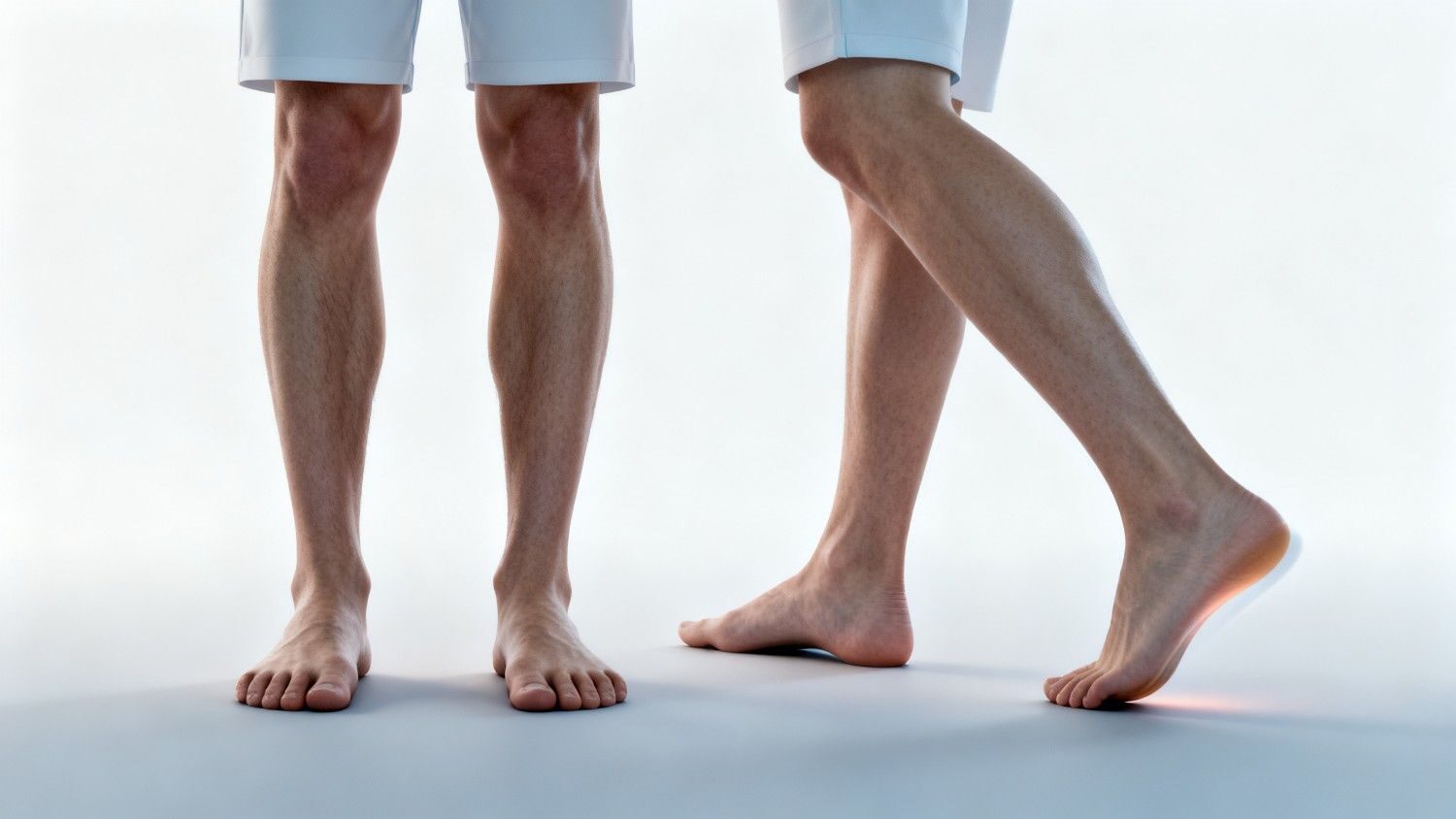
Walking changes the demand completely. Instead of static pressure, the feet repeatedly absorb force while controlling forward movement. The arch compresses and rebounds with each step, which can increase strain if the foot lacks proper support.
For many people with flat feet:
- standing creates dull fatigue and aching
- walking creates repetitive strain and instability
The symptoms may overlap, but the underlying mechanics are slightly different.
Some people also notice more inward foot rolling during movement than during standing. This inward motion is commonly associated with overpronation. can help explain how walking mechanics differ from simple arch flattening alone.
How Flat Feet Affect Standing Comfort
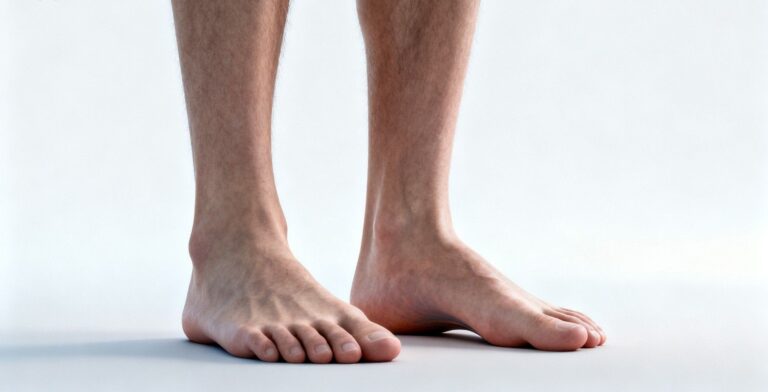
Standing with flat feet often becomes uncomfortable because the arches remain under constant load without relief. Unlike walking, there is little movement to redistribute pressure throughout the foot.
Over time, this continuous pressure may contribute to:
- arch soreness
- heel fatigue
- ankle strain
- calf tightness
- lower back discomfort
People working long shifts in retail, healthcare, warehouses, or restaurants commonly experience worsening symptoms later in the day. The body gradually becomes fatigued trying to stabilize the ankles and maintain alignment while standing still.
Supportive structure tends to matter more during prolonged standing than soft cushioning alone. Extremely soft shoes sometimes feel comfortable initially but may allow the arches to collapse further during long hours of weight-bearing.
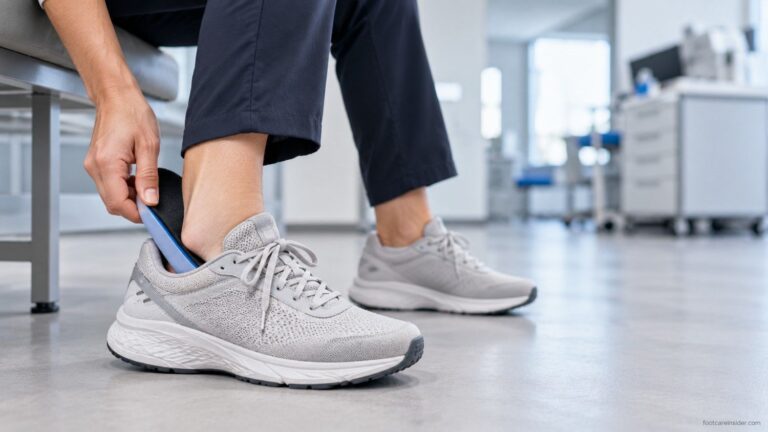
This is one reason some people explore insoles for standing all day when standing fatigue becomes more noticeable during work or daily routines.
How Walking Changes the Type of Pain
Walking introduces movement, momentum, and repeated impact into the equation. Instead of holding body weight statically, the feet must control force transfer with every step.
For people with flat feet, walking may increase:
- arch strain
- ankle instability
- shin fatigue
- knee discomfort
- pressure along the inside of the foot
Long walks or fast-paced movement can sometimes expose weakness in the arch support system more clearly than standing still. The foot has to stabilize, absorb shock, and push off repeatedly during motion.
People who walk frequently for exercise or work often describe the discomfort as more dynamic. Instead of a dull ache, they may feel pulling, instability, or progressive fatigue as distance increases.
The effects of walking mechanics can also extend into the knees because foot alignment influences leg movement during each step. This connection is discussed further in why flat feet cause knee pain.
Differences in Muscle Fatigue and Pressure Distribution
Standing and walking place stress on the feet in different ways because the muscles behave differently during each activity.
During Standing
The stabilizing muscles stay engaged continuously to maintain posture. Pressure builds gradually under the arches and heels, especially when movement is limited.
This often leads to:
- slower fatigue buildup
- stiffness
- pressure soreness
- heavy-feeling feet by evening
During Walking
Walking requires constant adjustments in balance and force absorption. The muscles repeatedly activate and relax during each step cycle.
This may create:
- faster muscle fatigue
- increased ankle motion
- repetitive tendon strain
- greater stress during long distances
Walking also exposes structural weaknesses more aggressively because the foot is moving under load instead of remaining relatively still.
Which Situation Feels Worse?
There is no universal answer because symptoms depend on activity level, foot structure, body weight, footwear, and overall mobility.
People with flexible flat feet often notice more discomfort during walking because the foot collapses more dynamically during movement. Others experience worse symptoms while standing because constant pressure irritates the arches and heel area throughout the day.
In many cases:
- standing pain feels heavier and more constant
- walking pain feels more active and movement-related
Some people experience both equally, especially when they spend the day alternating between standing and walking.
Factors That Influence Pain Severity
Several real-life factors can affect whether standing or walking feels worse with flat feet.
Surface Type
Hard surfaces increase stress significantly during both standing and walking. Concrete floors are especially demanding because they reduce natural shock absorption.
Footwear Structure
Shoes with poor stability may increase fatigue during standing, while unsupportive walking shoes may worsen repetitive movement strain.
Activity Duration
Short periods of activity may not cause noticeable symptoms, but prolonged standing or extended walking often reveal underlying support problems more clearly.
Overall Foot Mechanics
People with more severe arch collapse or stronger overpronation patterns often experience faster fatigue during movement because the body works harder to stabilize itself.
Pros and Cons of Standing With Flat Feet
Standing still for long periods can feel easier initially because there is less repetitive motion compared to walking. However, continuous pressure on the arches and heels often leads to gradual fatigue throughout the day.
One advantage of standing is that movement-related instability may be less noticeable. The foot is not repeatedly absorbing impact, so some people experience fewer sharp discomfort patterns.
The downside is that static pressure builds slowly over time. Many people describe symptoms becoming worse near the end of work shifts, especially on hard flooring. Fatigue may spread beyond the feet into the calves, knees, and lower back because the body remains under constant tension without enough variation in movement.
Pros and Cons of Walking With Flat Feet
Walking allows pressure to shift naturally across the foot rather than remaining fixed in one position. Some people actually feel less stiffness while moving compared to standing still.
However, walking also increases repetitive strain because the feet must absorb force and stabilize the body during every step. This often exposes weakness in the arches more clearly.
Long walking sessions may increase:
- ankle instability
- tendon fatigue
- shin soreness
- knee stress
For active individuals, the repeated impact of walking can sometimes create faster symptom progression than standing-heavy routines alone.
Who May Struggle More With Standing
Standing discomfort is often more noticeable in people who:
- work long shifts without sitting
- stand on concrete or tile floors
- wear unsupportive footwear
- experience heel or arch fatigue later in the day
This situation is common in retail, warehouse, restaurant, and healthcare jobs where the feet remain under constant pressure for hours at a time.
People with heavier body weight may also notice standing discomfort more strongly because the arches stay compressed continuously without enough recovery between movements.
Who May Struggle More With Walking
Walking-related pain is often more noticeable in people who:
- walk long distances daily
- exercise regularly
- have strong overpronation patterns
- experience ankle instability during movement
In these cases, the repeated motion itself becomes the main stress factor. The foot must repeatedly control balance and absorb force while moving forward.
People with weak ankle support or reduced foot strength may feel discomfort increase faster during long walks than during standing.
Long-Term Differences Between Walking and Standing Stress
Over time, both standing and walking can contribute to worsening discomfort if the feet remain unsupported.
Standing-heavy routines tend to create:
- chronic fatigue
- pressure soreness
- stiffness
- gradual postural strain
Walking-heavy routines tend to increase:
- repetitive tendon stress
- movement instability
- impact-related fatigue
- alignment-related discomfort
Walking generally creates more dynamic strain, while standing creates more continuous compression. Neither is automatically worse in every situation.
Walking vs Standing Pain Summary
Standing with flat feet is usually more associated with:
- static pressure
- end-of-day heaviness
- arch fatigue
- prolonged soreness
Walking with flat feet is usually more associated with:
- repetitive strain
- instability
- movement-related discomfort
- impact fatigue
The main difference is how the foot handles load during stillness versus motion.
Common Questions
Why do my flat feet hurt more when standing still?
Standing keeps continuous pressure on the arches and heels without much movement to redistribute force. Over time, the muscles and ligaments supporting the foot can become fatigued, especially on hard surfaces.
Is walking better than standing for flat feet?
It depends on the individual. Some people feel better while moving because walking reduces stiffness, while others experience more discomfort from repeated impact and instability during motion.
Can flat feet cause fatigue during both walking and standing?
Yes. Flat feet may force the muscles and joints to work harder to stabilize the body during daily activity. Fatigue often becomes more noticeable after long periods of load or movement.
Do supportive shoes help more for standing or walking?
Supportive footwear can help in both situations, but the type of support may differ slightly. Standing often benefits from stability and pressure distribution, while walking may require a balance between support and shock absorption.
Why does pain spread into my knees after walking?
Foot alignment affects how the legs move during each step. If the arches collapse excessively, additional stress may travel upward into the knees and surrounding joints during movement.
Final Verdict
Flat feet can create very different symptoms depending on whether the stress comes from standing still or repeated walking movement. Standing usually causes slower pressure buildup and fatigue, while walking tends to expose instability and repetitive strain more clearly.
Neither situation is universally worse. The pattern often depends on activity level, foot structure, footwear support, and how the body compensates during daily movement. Understanding which type of stress triggers symptoms more strongly can help people make more effective adjustments to support, footwear, and activity habits.