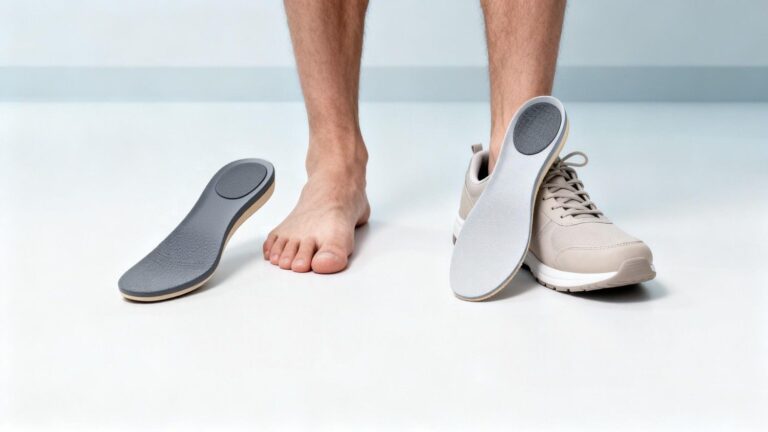
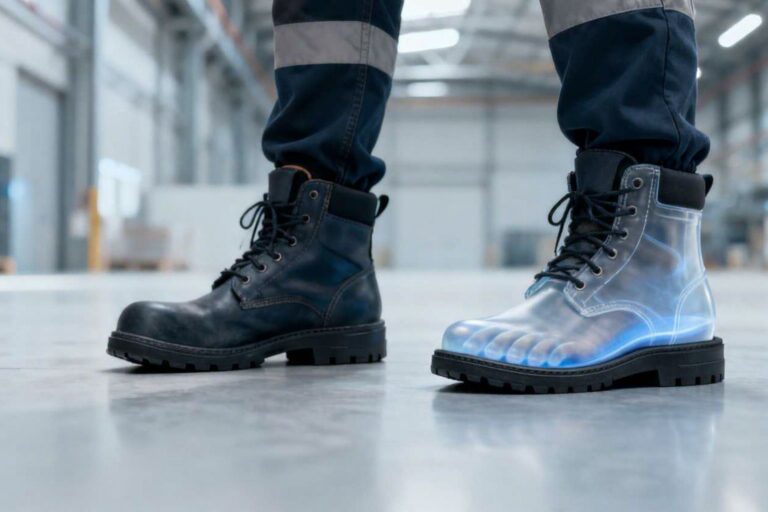
Best Insoles for Walking With Flat Feet
Walking should feel effortless. But with flat feet, it often turns into something else entirely—fatigue, aching arches, sore heels, and that constant feeling that your feet are collapsing inward with every step.
If that sounds familiar, you’re not alone. Many people searching for walking insoles flat feet are dealing with exactly this: discomfort that builds slowly throughout the day and doesn’t go away.
The issue isn’t just your feet—it’s alignment.
Why Walking With Flat Feet Causes Problems
Flat feet mean your arches either collapse under pressure or never fully develop. When you walk:
- Your foot rolls inward excessively
- Your ankle loses stability
- Your body compensates higher up
This affects:
- Knees
- Hips
- Lower back
Unlike running, walking is repetitive and prolonged. That means even small alignment issues can turn into daily discomfort.
If your feet roll inward during movement, understanding insoles for overpronation can help you see how support corrects this pattern.
Why Standard Insoles Don’t Work
Most shoes come with basic insoles. They’re not designed for flat feet—they’re designed for cost efficiency.
Typical problems:
- Flat design → no arch support
- Soft foam → collapses under weight
- No stability → allows inward rolling
They might feel fine at first, but after a few hours of walking, the lack of structure becomes obvious.
For flat feet, comfort without support simply doesn’t hold up.
What Actually Matters in Walking Insoles
Choosing the right walking insoles flat feet comes down to a few critical features. Ignore marketing—focus on structure.
1. Proper Arch Support
The goal is not to force your foot—it’s to support it.
Look for:
- Medium to firm arch
- Shape that matches your foot
- Material that doesn’t flatten
Too soft → no support
Too hard → discomfort
Balance is key.
2. Stability (Motion Control)
Flat feet often lead to overpronation.
Good insoles:
- Reinforce the inner side of the foot
- Guide your step into a neutral position
This reduces stress across your entire body.
3. Cushioning That Works With Support
Walking all day requires shock absorption—but not at the cost of structure.
The best designs:
- Combine firm support with soft top layers
- Absorb impact without collapsing
If you’re unsure how softness affects support, see soft vs firm insoles for a clearer breakdown.
4. Deep Heel Cup
A structured heel cup:
- Stabilizes the rearfoot
- Improves balance
- Reduces strain on the plantar fascia
Without it, your foot shifts too much during each step.
5. Durable Materials
Walking means hours of pressure.
Look for:
- EVA or polyurethane base
- Reinforced arch structure
- Long-lasting cushioning
Cheap insoles flatten quickly—and stop working.
How to Choose the Right Insoles (Simple Framework)
Instead of guessing, use this:
Step 1: Identify Your Daily Load
- Light walking → moderate support
- Long hours standing/walking → strong support
- Work environments → durability matters most
Step 2: Match Support Level
- Mild flat feet → flexible support
- Moderate → structured support
- Severe → firm, stabilizing insoles
Step 3: Check Your Shoes
- Tight shoes → low-profile insoles
- Roomy shoes → full-support models
Step 4: Match to Symptoms
- Heel pain → deep heel cup
- Arch fatigue → stronger support
- Knee discomfort → stability-focused insoles
If your discomfort builds throughout the day, especially during long standing periods, you may benefit from insoles for standing all day.
Step 5: Think Long-Term Comfort
The goal isn’t just immediate relief.
Good insoles:
- Improve posture
- Reduce fatigue
- Prevent worsening alignment
Why the Right Choice Matters
The right walking insoles flat feet don’t just make walking more comfortable—they change how your body handles movement.
With proper support:
- Pressure distributes evenly
- Alignment improves
- Fatigue decreases
That means:
- Longer walks without pain
- Better daily comfort
- Less strain on joints
Best Types of Insoles for Walking With Flat Feet
Now that you know what features matter, the next step is choosing the right type of insole for your daily walking needs.
Not all flat feet are the same—and not all walking routines are either. Some people walk casually, others spend 8–12 hours on their feet. The right choice depends on how much support and durability you actually need.
Below are the most effective categories for walking insoles flat feet, broken down clearly so you can decide without overthinking.
1. Firm Support Insoles (Maximum Stability)
These are built to control excessive inward movement and support collapsed arches.
Best for:
- Moderate to severe flat feet
- Long hours walking or standing
- People with knee, heel, or arch pain
Pros:
- Strong arch support
- Excellent alignment correction
- Reduces fatigue over time
Limitations:
- Feels firm at first
- Needs a short break-in period
Insight:
If your feet feel like they “collapse” with every step, this is your safest and most effective option.
2. Moderate Support Insoles (Daily Balance)
These provide a mix of structure and comfort—ideal for everyday walking.
Best for:
- Mild to moderate flat feet
- Casual walking
- General daily use
Pros:
- Comfortable right away
- Balanced support and cushioning
- Works in most shoe types
Limitations:
- Not enough for severe overpronation
- Less corrective than firm options
Insight:
A great starting point if you’re upgrading from basic insoles but don’t need heavy correction.
3. Cushion-Focused Insoles (Comfort Priority)
These emphasize softness and shock absorption.
Best for:
- Light walking
- Sensitive feet
- Hard surfaces like concrete
Pros:
- Immediate comfort
- Reduces pressure points
- Helps with general foot fatigue
Limitations:
- Minimal arch support
- Doesn’t correct alignment
Insight:
Comfort alone isn’t enough for flat feet—but it can work if your symptoms are mild.
4. Stability Insoles (Support + Comfort Hybrid)
These combine structured support with cushioning, making them ideal for all-day walking.
Best for:
- Daily walkers
- Work environments
- Mixed use (walking + standing)
Pros:
- Balanced performance
- Good long-term comfort
- Supports natural foot movement
Limitations:
- Slightly more expensive
- Needs proper sizing for best results
Insight:
For most people, this is the “sweet spot” between comfort and correction.
5. Low-Profile Insoles (Tight Fit Solutions)
These are thinner insoles designed for shoes with limited space.
Best for:
- Slim shoes
- Sneakers with limited depth
- Lightweight users
Pros:
- Easy to fit
- Doesn’t crowd the shoe
- Maintains natural walking feel
Limitations:
- Less cushioning
- Reduced support compared to thicker insoles
Insight:
Useful when space is tight—but not ideal if you need strong correction.
How These Types Compare
Simplified:
- Need strong correction → Firm support
- Need daily comfort → Moderate support
- Need softness → Cushion-focused
- Need balance → Stability insoles
- Need fit → Low-profile
Choosing the Right One for You
Quick decision guide:
- Pain + fatigue → Firm support
- Everyday walking → Stability insoles
- Occasional discomfort → Moderate support
- Comfort priority → Cushion-focused
- Tight shoes → Low-profile
If your flat feet also involve inward rolling, structured support like best insoles for overpronation can significantly improve stability.
Frequently Asked Questions
Do I need insoles for flat feet when walking?
Not always—but if you experience fatigue, pain, or instability, insoles can make a noticeable difference.
Can insoles help with walking long distances?
Yes. Proper support reduces fatigue and helps maintain alignment over time.
How long should walking insoles last?
Most last 6–12 months depending on daily use and body weight.
Should insoles be worn all day?
Yes, especially if you walk or stand frequently. Just allow a short break-in period.
Can insoles improve posture?
Yes. Better foot alignment can positively affect knees, hips, and back.
Final Verdict: What Actually Works
The best walking insoles flat feet aren’t the softest—they’re the ones that support your structure throughout the day.
If you:
- Walk a lot → choose stability
- Feel pain → go firm
- Need comfort → moderate support works
The goal is simple: reduce strain, improve alignment, and make walking feel natural again.