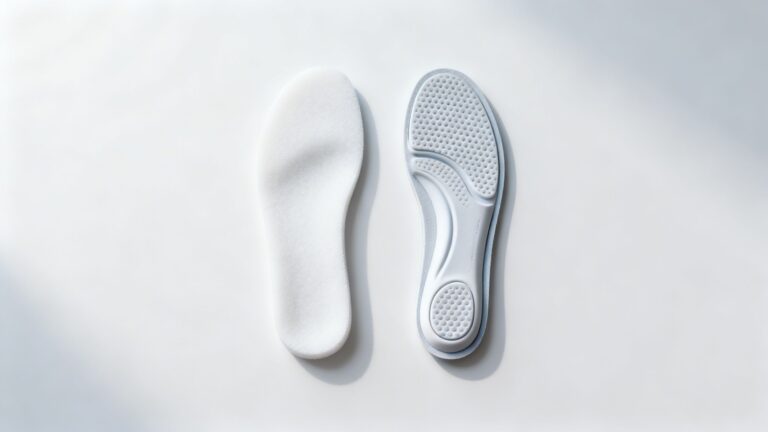
Best Insoles for Warehouse Workers (Reduce Foot Pain)
Why the Right Insoles Matter for Warehouse Work
Warehouse work is physically demanding in ways that many people outside the industry don’t fully understand. Long shifts on concrete floors, repetitive walking across large facilities, constant lifting, and standing for hours at packing or sorting stations all place enormous stress on the feet. Over time, this daily strain can lead to aching arches, heel pain, knee discomfort, and even lower back fatigue.
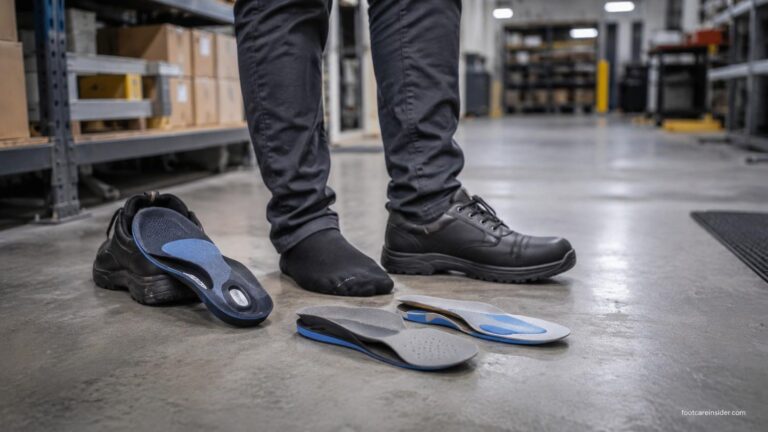
For many workers, the discomfort doesn’t start immediately. It builds slowly. At first, it may feel like simple foot tiredness at the end of a shift. But after weeks or months of working long hours on hard surfaces, the pressure placed on the feet can begin affecting the entire body. That’s why many workers begin searching for insoles for warehouse workers as a practical way to reduce fatigue and improve daily comfort.
The Problem With Standard Shoe Insoles
Most work boots and safety shoes come with basic factory insoles. These inserts are designed to keep production costs low rather than provide real support. While they may feel comfortable for the first few days, they usually flatten quickly under the weight of long shifts.
Standard insoles tend to fail warehouse workers for several reasons:
Carrying extra weight on the job? Our insoles for heavy people guide covers supportive options.
Minimal arch support
Many default insoles are flat foam layers that do little to support the natural shape of the foot.
Poor shock absorption
Concrete warehouse floors create continuous impact stress with every step.
Low durability
Basic insoles compress after weeks of heavy use, losing their ability to cushion the foot.
Weak structural stability
Without proper support, the foot can roll inward or outward, leading to alignment issues and fatigue.
Because warehouse employees often take thousands of steps per shift, these limitations quickly become noticeable.
That’s why purpose-built insoles for warehouse workers focus on support, stability, and long-term durability rather than just soft cushioning.
What Warehouse Workers Actually Need From Insoles
Not every insole performs well in demanding environments. Warehouse work requires a combination of support features that work together to reduce stress on the feet.
Understanding these features helps workers choose inserts that match their job conditions.
Arch Support
Arch support is one of the most important elements in any insole designed for long hours on hard floors. Proper support distributes body weight evenly across the foot rather than concentrating pressure on the heel or forefoot.
Workers with flat feet often need stronger support to stabilize their stride, while those with higher arches may benefit from structured cushioning that fills the arch area without forcing the foot into an unnatural position.
Good arch support also helps maintain alignment throughout the legs and spine, which is why many people notice reduced knee and back fatigue when using high-quality insoles.
Proper arch support helps align the feet, knees, and hips. Over time, this improved alignment can even affect posture. For a deeper explanation, see How Insoles Improve Posture .
Shock Absorption
Concrete floors don’t absorb impact. Every step transfers force directly through the heel and into the joints.
Effective insoles for warehouse workers use shock-absorbing materials to reduce that repetitive stress. This helps decrease heel soreness and minimizes fatigue over long shifts.
Shock absorption becomes especially important for employees who walk continuously throughout the day, such as pickers or order fulfillment staff.
Cushioning and Pressure Relief
While support is essential, cushioning plays an important role in comfort. Soft but responsive materials help relieve pressure from standing for long periods.
The goal is not excessive softness but balanced cushioning that protects the foot without collapsing under body weight.
Workers often prefer insoles that combine structured support with moderate cushioning rather than extremely soft foam that compresses quickly.
Material Quality
Material choice affects durability, temperature control, and overall comfort.
Some common materials used in work insoles include:
Memory foam for pressure distribution
Gel layers for shock absorption
EVA foam for lightweight cushioning
Thermoplastic support shells for stability
Higher-quality materials allow insoles to maintain their shape even after months of daily use.
Firmness and Stability
Soft insoles may feel comfortable initially but often lack the structural support needed for demanding jobs.
A slightly firmer insert usually performs better in work environments because it stabilizes the foot and maintains alignment during long periods of standing or walking.
This is especially helpful for workers carrying heavy loads or pushing carts across large warehouse floors.
Durability
Warehouse shifts are tough on footwear. Insoles must withstand constant pressure, sweat, and repeated compression without losing their support.
Durable inserts can last significantly longer than standard shoe liners, making them a worthwhile upgrade for anyone working full-time in physically demanding environments.
How to Choose the Right Insoles for Warehouse Work
Selecting the right insoles for warehouse workers depends on several individual factors. Understanding these considerations helps narrow down the best option.
Foot Type
The shape of your arch influences the type of support needed.
Workers with flat feet typically benefit from structured arch support, while those with high arches may prefer additional cushioning and flexibility.
If you’re unsure about your arch type, reading guides like Best Insoles for High Arches can help clarify which designs work best.
Work Environment
Some warehouse roles involve constant walking across large facilities, while others require standing in one place for extended periods.
Workers who stand most of the day often prefer thicker cushioning, while those who walk frequently may prioritize stability and shock absorption.
Work Boots vs Athletic Work Shoes
The type of footwear you wear also affects insole compatibility. Heavy-duty work boots often need thicker inserts, while lighter warehouse shoes may require low-profile insoles.
Understanding this difference can prevent discomfort caused by poor fit.
Existing Foot Pain
Some workers already experience discomfort such as arch fatigue or overpronation. In those cases, insoles designed for structural support can help improve comfort during long shifts.
You may also find useful information in Insoles for Overpronation if foot alignment plays a role in your discomfort.
Why the Right Insoles Can Make a Big Difference
For warehouse workers, foot support isn’t just about comfort. It can directly affect productivity, energy levels, and long-term health.
Better support reduces fatigue, which helps workers stay comfortable through long shifts. Improved shock absorption protects joints from repetitive impact. And stable arch support helps maintain proper body alignment.
In many cases, upgrading to purpose-built insoles for warehouse workers can significantly improve daily comfort without requiring new shoes.
In the next section, we’ll look at the different types of insoles commonly used in warehouse environments, who they work best for, and how they compare in terms of support, durability, and comfort.
Types of Insoles for Warehouse Workers
1. Arch Support Insoles
Arch support inserts are designed to stabilize the foot during long hours of standing and walking. They help maintain proper alignment and distribute weight evenly across the foot.
Best for:
Workers with flat feet, overpronation, or arch fatigue.
Pros
Strong structural support
Helps improve posture and alignment
Reduces strain on knees and lower back
Limitations
Some workers may find firm arch support uncomfortable at first.
Break-in time is sometimes required.
Compared with soft cushioning inserts, structured arch insoles provide better stability for long shifts.
2. Gel Cushioning Insoles
Gel-based inserts focus on shock absorption and pressure relief. These insoles are commonly used by workers who experience heel pain or general foot fatigue after long shifts.
Best for:
Workers standing in one place for long periods.
Pros
Excellent impact absorption
Comfortable cushioning
Good pressure relief
Limitations
May lack strong arch support
Durability varies depending on material quality
Compared with firm orthotic inserts, gel insoles prioritize comfort rather than structural support.
3. Memory Foam Insoles
Memory foam inserts mold to the shape of the foot and provide customized pressure distribution.
Best for:
Workers seeking immediate comfort and cushioning.
Pros
Soft and comfortable feel
Adapts to foot shape
Helps reduce pressure points
Limitations
May compress faster than structured insoles
Limited long-term support
Some workers combine memory foam comfort with additional arch support for better balance.
4. Heavy-Duty Work Insoles
Heavy-duty insoles are built for durability and support under demanding conditions. They often feature reinforced arch structures and thicker shock-absorbing layers.
Best for:
Warehouse workers carrying heavy loads or working long overtime shifts.
Pros
Very durable
Strong support and stability
Designed for tough environments
Limitations
May feel firmer than standard comfort insoles
Slightly heavier
Compared with softer inserts, these insoles maintain their shape much longer under constant pressure.
5. Anti-Fatigue Insoles
Anti-fatigue designs focus on reducing overall body strain during long shifts. They combine moderate cushioning with supportive structures to minimize foot and leg fatigue.
Best for:
Workers standing or walking continuously throughout the day.
Pros
Reduces overall foot fatigue
Balanced support and cushioning
Improves long-shift comfort
Limitations
Support level varies between brands
Anti-fatigue inserts often work well in combination with supportive work boots.
FAQ — Insoles for Warehouse Workers
Do warehouse workers really need special insoles?
Yes. Hard warehouse floors place constant pressure on the feet. Purpose-built insoles provide better support, cushioning, and durability than standard shoe liners.
Can insoles help reduce foot fatigue?
Supportive inserts can significantly reduce fatigue by distributing pressure evenly across the foot and absorbing impact during walking.
How often should warehouse insoles be replaced?
Most work insoles last between 6 and 12 months, depending on daily use and material quality. Heavy use may shorten this lifespan.
Are softer insoles always better?
Not necessarily. Very soft insoles may compress quickly and lose support. Balanced firmness often provides better long-term comfort.
Do insoles help with knee or back pain?
Supportive inserts can improve body alignment, which may help reduce knee and back strain during long shifts.
You may also want to explore Insoles for Knee Pain if joint discomfort is part of the problem.
Final Verdict
Warehouse work places unique demands on the body. Long hours on hard floors, constant walking, and heavy lifting can quickly lead to foot fatigue and discomfort.
High-quality insoles for warehouse workers provide an affordable way to improve comfort, support proper alignment, and reduce daily strain.
The best choice depends on your specific needs. Workers with alignment issues may benefit most from structured arch support, while those dealing with heel soreness might prefer gel cushioning or anti-fatigue inserts.
Choosing the right insole type can make a noticeable difference in how your feet feel at the end of a long shift.
If your feet roll inward while walking or running, using insoles that correct overpronation can make a big difference.