Insoles for Hiking
Why the Right Insoles Matter for Hiking
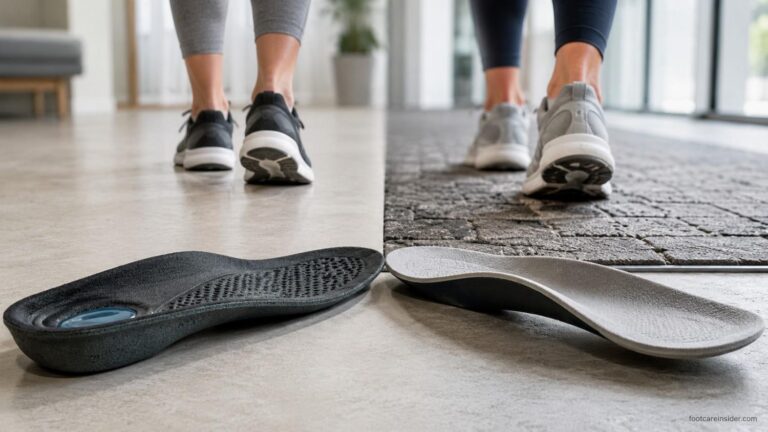
Hiking is one of the most rewarding outdoor activities, but it can also place serious strain on your feet. Long trails, uneven terrain, steep descents, and hours of walking with a loaded backpack can quickly lead to sore arches, heel pain, and foot fatigue. Even experienced hikers often struggle with discomfort after long treks, especially when their boots lack proper support.
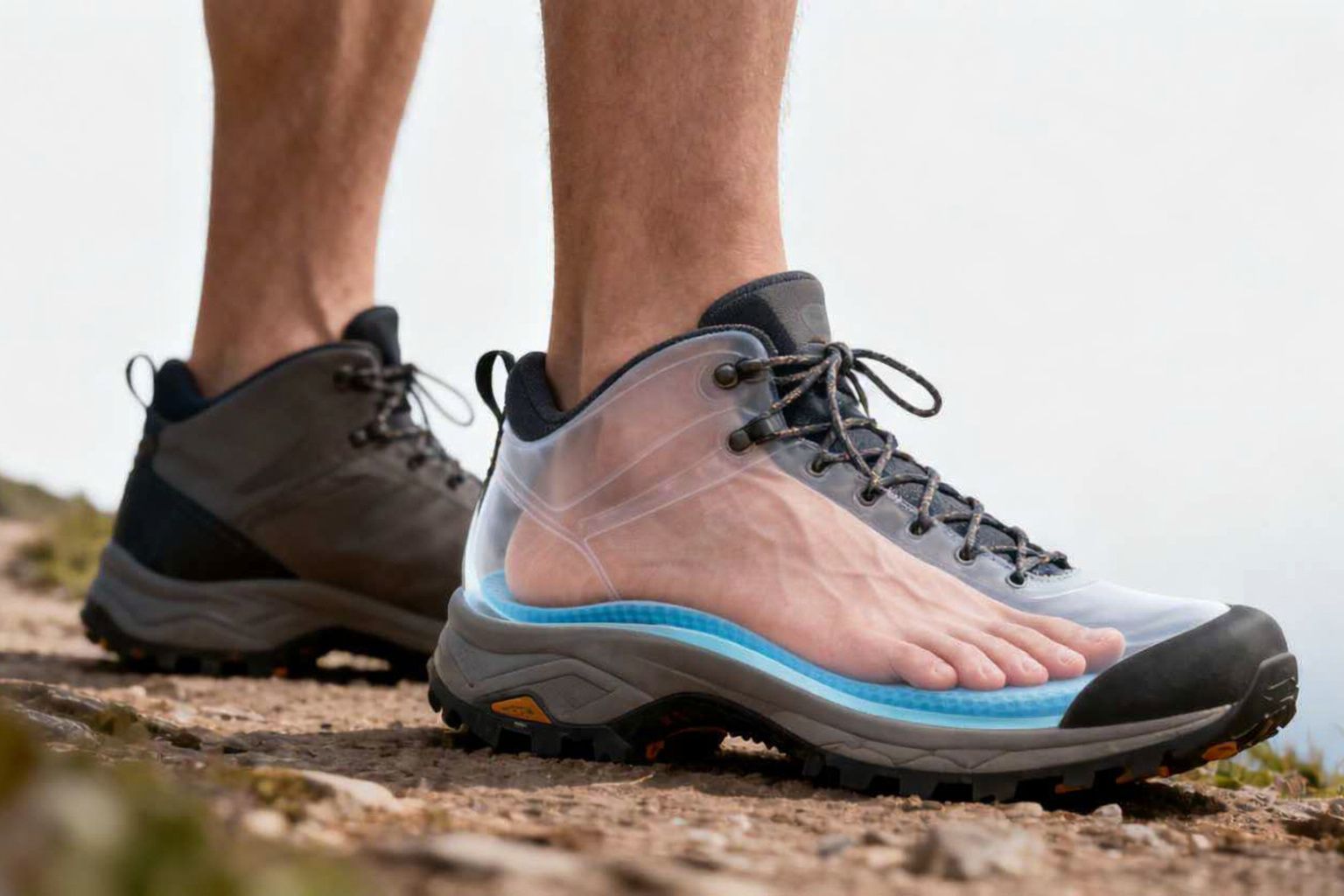
That’s why many outdoor enthusiasts start looking for insoles for hiking after their first few challenging trips. While hiking boots provide protection and traction, the internal support system often isn’t strong enough for extended outdoor use.
For hikers covering miles of rocky or uneven trails, upgrading to supportive insoles can dramatically improve comfort, stability, and endurance.
The Real Problem Hikers Experience
Many hiking problems begin with pressure and instability inside the boot. When walking on rough terrain, the foot constantly adjusts to maintain balance. Without adequate support, this repeated movement can strain muscles and ligaments.
Common hiking-related foot problems include:
- Arch fatigue during long hikes
- Heel pain from repeated impact
- Blisters caused by foot movement inside the boot
- Knee discomfort from poor alignment
- Lower back fatigue after extended walking
These issues are especially common on longer hikes or backpacking trips where each step places extra weight on the feet.
This is where high-quality insoles for hiking can make a meaningful difference.
If you have low arches, choosing proper hiking insoles for flat feet becomes even more important for stability.
Why Standard Boot Insoles Often Fail
Most hiking boots include basic foam inserts designed for general comfort rather than performance. While they may feel soft initially, these factory insoles tend to compress quickly under repeated pressure.
Several factors explain why standard insoles don’t perform well on hiking trails.
Limited arch support
Flat foam liners don’t properly support the foot’s natural structure.
Weak shock absorption
Rough terrain increases impact stress, especially on downhill sections.
Poor stability
Without firm support, the foot can shift inside the boot, increasing fatigue and blister risk.
Low durability
Standard inserts often flatten after only a few hikes.
Because hiking places prolonged stress on the feet, many outdoor experts recommend upgrading to purpose-built insoles for hiking designed to handle rugged conditions.
Key Features That Matter for Hiking Insoles
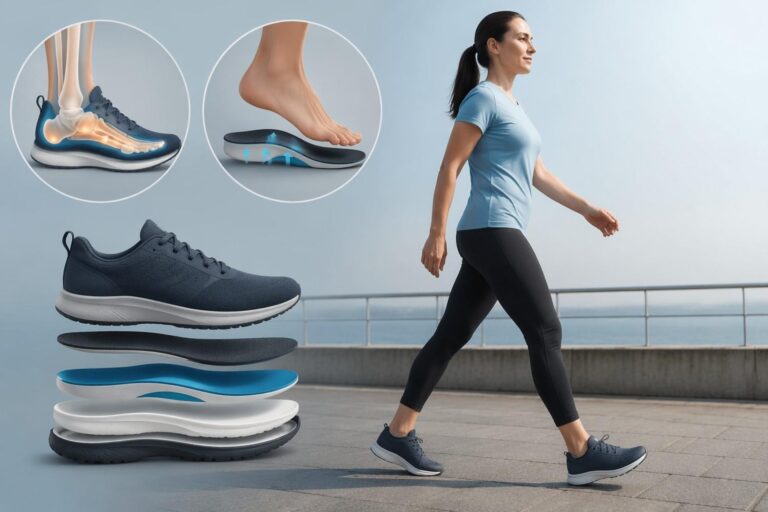
Not all insoles perform equally well in outdoor environments. The best inserts combine multiple support features that work together to improve stability and comfort during long hikes.
Understanding these features can help you choose the right option for your hiking style.
Arch Support
Arch support is essential for maintaining proper alignment while walking across uneven terrain. Without it, the foot can collapse inward or shift excessively, leading to fatigue and discomfort.
Hikers with flat feet often benefit from stronger structural support, while those with high arches may prefer flexible designs that cushion the arch area without forcing the foot into an unnatural position.
You can explore more about arch types in Best Insoles for High Arches if you’re unsure what level of support you need.
Shock Absorption
Hiking trails often include rocky surfaces, steep descents, and uneven ground. Each step generates impact forces that travel through the heel and into the joints.
Quality insoles for hiking use shock-absorbing materials to reduce this stress, helping prevent heel pain and fatigue on longer trails.
Shock absorption is especially helpful when carrying a backpack, as the additional weight increases impact with every step.
Cushioning
Cushioning helps distribute pressure across the foot and improve overall comfort during long hikes.
However, excessive softness can reduce stability. Hiking inserts usually balance cushioning with firm support to ensure the foot remains stable on uneven terrain.
The goal is responsive comfort rather than overly soft foam.
Durable Materials
Outdoor conditions demand stronger materials than everyday walking. Hiking insoles often use high-density foam, reinforced arch shells, or layered cushioning systems designed to maintain shape over time.
Durability becomes especially important for hikers who regularly tackle long trails or multi-day trips.
Firmness and Stability
Firmness plays a key role in trail performance. Slightly firmer insoles help stabilize the foot and reduce unwanted movement inside the boot.
This stability improves balance when walking on rocky or sloped terrain.
For hikers who experience alignment issues, structured support may also help reduce joint strain. If alignment problems are part of the issue, Insoles for Overpronation may offer additional guidance.
How to Choose the Right Insoles for Hiking
Choosing the best insoles for hiking depends on your hiking habits, foot structure, and the type of terrain you usually explore.
Here are several important factors to consider.
Hiking Distance
Short day hikes place less strain on the feet compared to multi-hour or multi-day hikes. Longer adventures often require stronger arch support and better shock absorption.
Boot Fit
Hiking boots vary in internal volume. Some insoles are thicker than others, so it’s important to choose an insert that fits comfortably without crowding the foot.
A properly fitted insole should support the foot while still allowing natural movement.
Terrain Type
Trail conditions also matter. Rocky mountain trails demand more stability, while forest paths may require additional cushioning.
Matching your insole design to your typical terrain can significantly improve hiking comfort.
Existing Foot Discomfort
If you already experience arch fatigue, heel pain, or knee discomfort during hikes, supportive inserts can help address those issues.
You may also want to explore Insoles for Knee Pain if joint strain is affecting your hiking experience.
Why Hiking Insoles Can Transform Trail Comfort
Many hikers underestimate the impact of proper foot support. However, small improvements in foot stability and cushioning can dramatically affect overall comfort during long hikes.
Quality insoles for hiking help distribute pressure evenly, reduce impact stress, and improve alignment. These benefits often lead to less fatigue, better balance, and a more enjoyable hiking experience.
Types of Insoles for Hiking
1. Arch Support Hiking Insoles
Arch support inserts focus on stabilizing the foot during long hikes. They help distribute weight evenly and reduce pressure on the heel and forefoot.
Best for:
Hikers with flat feet or those experiencing arch fatigue on longer trails.
Pros
- Strong structural support
- Improves foot alignment
- Helps reduce fatigue during long hikes
Limitations
- May feel firm for hikers used to soft cushioning
- Sometimes requires a short break-in period
Compared with soft comfort inserts, arch support designs offer better long-distance stability.
2. Gel Cushion Hiking Insoles
Gel-based inserts emphasize shock absorption and comfort. They reduce impact from walking on hard surfaces and rocky trails.
Best for:
Hikers who experience heel soreness or foot fatigue after long hikes.
Pros
- Excellent impact absorption
- Comfortable cushioning
- Helps reduce pressure points
Limitations
- May lack strong arch support
- Durability can vary
These insoles prioritize comfort but may not provide the structural stability some hikers need.
3. Memory Foam Hiking Insoles
Memory foam inserts mold to the foot’s shape and provide personalized cushioning.
Best for:
Casual hikers looking for immediate comfort on moderate trails.
Pros
- Comfortable feel
- Custom pressure distribution
- Good for light hiking
Limitations
- Can compress faster during long hikes
- Less support on uneven terrain
Memory foam insoles are comfortable but may lack the durability needed for demanding hikes.
4. Heavy-Duty Orthotic Hiking Insoles
Orthotic-style inserts provide strong structural support and enhanced durability.
Best for:
Backpackers, long-distance hikers, or those carrying heavy packs.
Pros
- Excellent stability
- Long-lasting materials
- Helps improve posture and alignment
Limitations
- Firmer feel
- Higher cost compared with basic insoles
For demanding trails, these inserts often provide the most reliable support.
5. Anti-Fatigue Hiking Insoles
Anti-fatigue designs combine moderate cushioning with structured support to reduce overall foot strain.
Best for:
Hikers spending long hours on varied terrain.
Pros
- Balanced support and cushioning
- Reduces foot fatigue
- Comfortable for long treks
Limitations
- Support levels vary between models
These insoles aim to provide all-day comfort while maintaining stability on uneven ground.
FAQ — Insoles for Hiking
Do hiking boots need special insoles?
Most hiking boots include basic liners that provide minimal support. Upgrading to dedicated hiking insoles can improve stability and comfort during longer hikes.
Can insoles help prevent blisters?
Yes. Supportive insoles help reduce excessive foot movement inside the boot, which lowers friction and blister risk.
Are softer insoles better for hiking?
Not always. Extremely soft insoles may reduce stability. Balanced cushioning with firm support generally works better for trail conditions.
How long do hiking insoles last?
Most hiking insoles last between 6 and 12 months, depending on hiking frequency and terrain conditions. For more details see How Long Do Insoles Last .
Do insoles help reduce knee pain while hiking?
Supportive insoles can improve alignment, which may reduce strain on the knees during long hikes.
If you have collapsed arches, choosing the Best Insoles for Flat Feet can significantly improve comfort and support.
Final Verdict
Hiking places unique demands on the feet, especially during long treks across uneven terrain. While hiking boots provide protection and traction, proper internal support is equally important for long-term comfort.
High-quality insoles for hiking can improve stability, reduce fatigue, and help protect the feet from repetitive impact. The best option depends on your hiking style, foot structure, and trail conditions.
For most hikers, a supportive insert that balances cushioning with structural stability will provide the most reliable performance on the trail.
You can also benefit from arch support for overpronation, especially if you experience foot fatigue or instability.