Work Boot vs Running Insoles: What Works for Long Hours?
Understanding the Differences
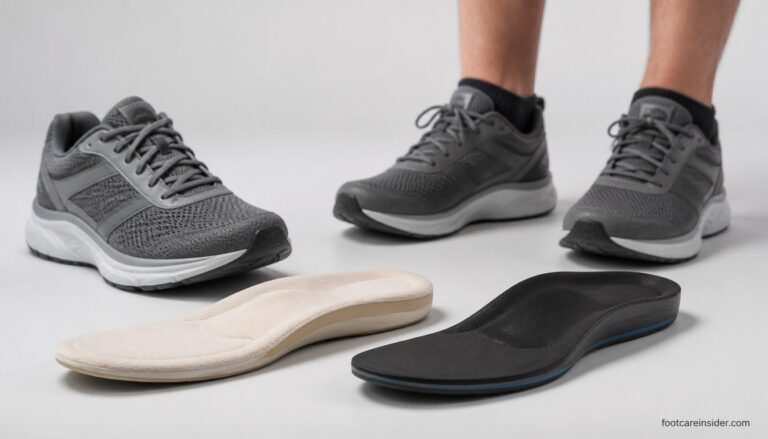
When people experience foot fatigue or discomfort, upgrading their shoe inserts is often the first step toward relief. However, many buyers quickly realize that not all insoles are designed for the same purpose. A common question that arises is work boot insoles vs running insoles — what’s the difference and which one should you choose?
While both types aim to improve comfort and support, they are built for completely different environments and movement patterns. Work boots typically support people standing or walking slowly on hard surfaces for long hours, while running shoes are designed for repetitive high-impact motion.
Understanding the structural and functional differences between these two types of inserts can help you select the option that best supports your feet.
If you want top recommendations, check out our best memory foam insoles guide.
For heavier wearers, see insoles for heavy people.
What Are Work Boot Insoles?
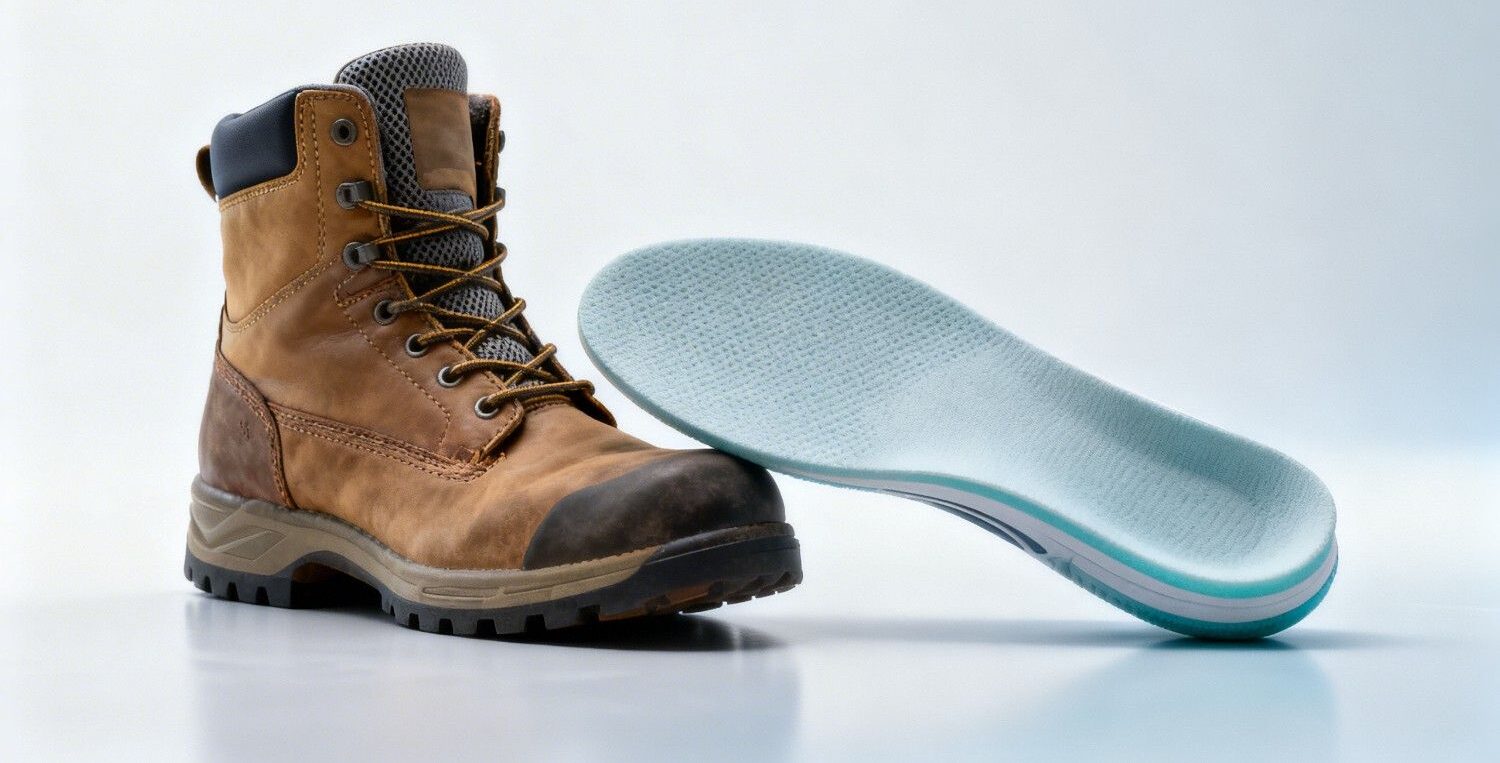
Work boot insoles are designed specifically for long hours of standing, walking on hard floors, and carrying body weight over extended periods. They are commonly used by professionals in industries such as construction, warehouse operations, manufacturing, and healthcare.
Because work environments often involve heavy-duty footwear and rigid surfaces, these insoles prioritize durability, shock absorption, and stability.
Key characteristics of work boot insoles include:
- Strong arch support to reduce foot fatigue
- Thick cushioning layers for standing comfort
- Reinforced heel cups for stability
- Durable materials that resist compression
- Anti-fatigue design for long work shifts
Many workers rely on these inserts to maintain comfort throughout the day, especially when standing on concrete floors or walking short distances repeatedly.
People dealing with prolonged standing may also benefit from Best Insoles for Standing All Day , which explores supportive designs built specifically for extended work shifts.
What Are Running Insoles?
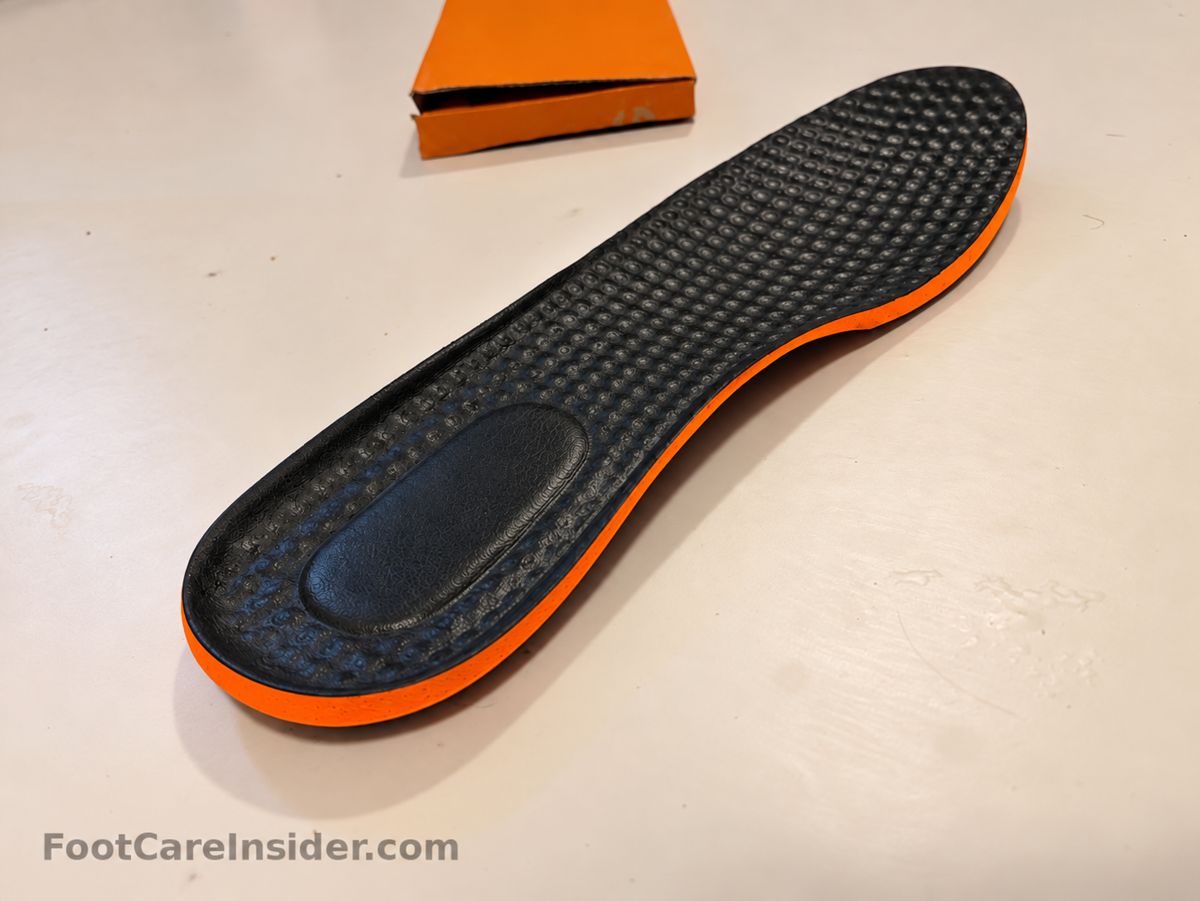
Running insoles, on the other hand, are designed for dynamic movement and repetitive impact during running or jogging. Unlike work environments where movement is slower and more stable, running places continuous pressure on the feet through repeated strides.
Because of this, running insoles prioritize energy return, flexibility, and shock absorption during motion.
Typical features of running insoles include:
- Lightweight cushioning materials
- Responsive foam that absorbs impact
- Flexible structure that moves with the foot
- Breathable materials to reduce moisture buildup
- Heel and forefoot impact protection
These inserts are meant to support the natural running stride rather than provide rigid structural support for long periods of standing.
Structural Differences Between Work Boot Insoles and Running Insoles
The biggest difference in the work boot insoles vs running insoles comparison lies in how they support the foot during different types of activity.
Work boot insoles are built with stability and endurance in mind, while running insoles focus on movement efficiency and impact absorption.
Support Structure
Work boot inserts often feature stronger arch supports and deeper heel cups. These help stabilize the foot while standing or walking slowly for hours.
Running insoles typically offer more flexible support that allows the foot to move naturally during a stride.
Cushioning Style
Cushioning in work insoles is usually thicker and designed to reduce pressure from prolonged standing.
Running insoles use responsive cushioning that absorbs impact while returning energy during each step.
Flexibility
Work boot inserts are generally firmer and more structured to support heavy footwear.
Running insoles are lighter and more flexible, allowing the foot to bend naturally while running.
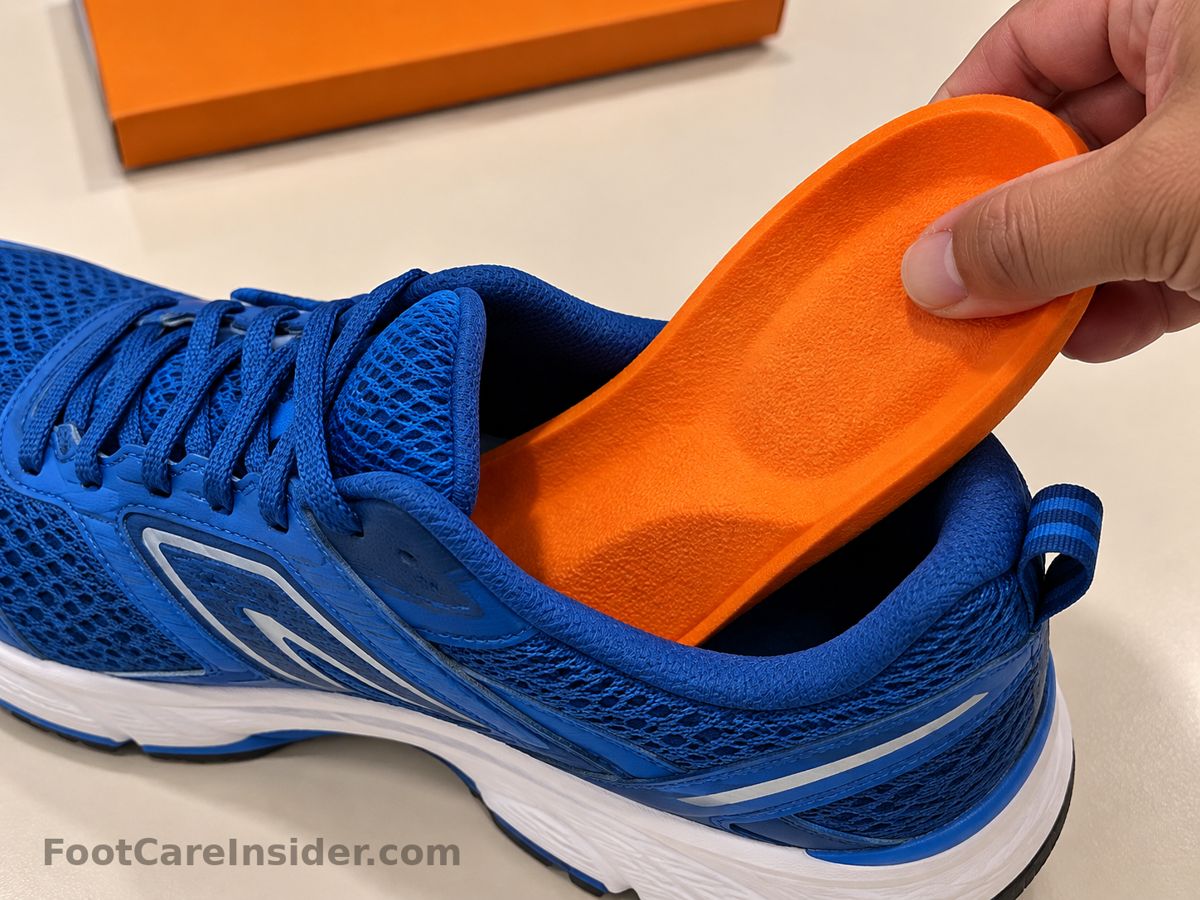
Materials Used in Each Type
Another important factor in the work boot insoles vs running insoles comparison is the type of materials used.
Materials in Work Boot Insoles
Work boot insoles often use:
- High-density foam
- Polyurethane cushioning
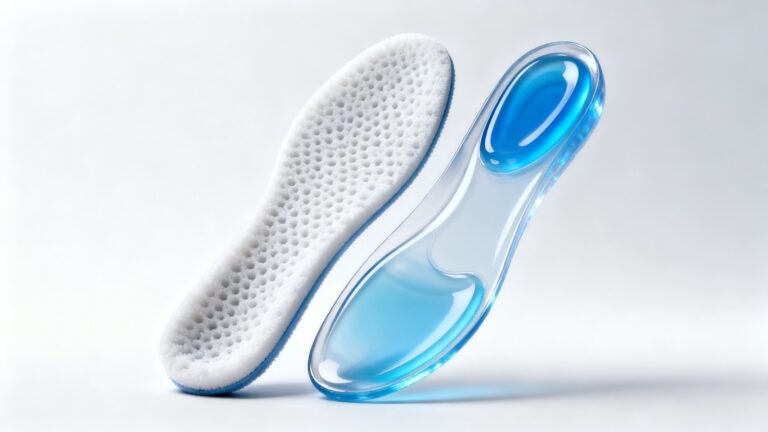
- Gel pads for impact absorption
- Reinforced arch plates
These materials are chosen for durability and long-term compression resistance, since workers may stand for eight to twelve hours per day.
Materials in Running Insoles
Running insoles usually include:
- Lightweight EVA foam
- Memory foam layers
- Gel or air cushioning
- Breathable mesh surfaces
These materials focus on shock absorption and comfort during repetitive movement rather than long-term load support.
Intended Use Cases
Understanding how each type is used helps clarify the differences in the work boot insoles vs running insoles debate.
When Work Boot Insoles Are Best
Work boot insoles are ideal for:
- Construction workers
- Warehouse employees
- Nurses and healthcare professionals
- Retail staff standing all day
- Anyone working on concrete floors
These environments involve prolonged standing and slow walking rather than high-impact movement.
If your main concern is structural foot support, you may also benefit from exploring Best Insoles for Arch Support .
When Running Insoles Are Best
Running insoles are best suited for:
- Jogging and running workouts
- Long-distance runners
- Trail runners
- Fitness enthusiasts who train frequently
These activities require cushioning that protects the foot from repeated impact forces.
Cost Differences
Cost can also vary between these two types of inserts.
Work boot insoles often cost between $20 and $60, depending on durability and support features.
Running insoles may range from $25 to $70, particularly when they include advanced cushioning materials or specialized running support.
While prices overlap, the design priorities remain different. Work insoles invest more in durability and structure, while running insoles invest in lightweight performance.
Why Choosing the Right Type Matters
Selecting the correct insert based on activity can significantly improve comfort and reduce the risk of foot pain. Using running insoles in heavy work boots may lead to premature wear and insufficient support. Conversely, using rigid work inserts for running may reduce flexibility and affect natural stride mechanics.
This is why understanding the key differences between work boot insoles vs running insoles is important when choosing the right option for your daily needs.
In the next section, we’ll break down the advantages and limitations of each type, compare long-term durability, and help you determine which option is the better fit for your situation.
Pros, Cons, and Choosing the Right Option
Pros and Cons of Work Boot Insoles
Advantages
Work boot insoles provide several benefits for people who spend long hours on their feet.
Strong support
These inserts usually include firm arch structures that help reduce foot fatigue during long work shifts.
Durable materials
Many are built with high-density foam or polyurethane designed to withstand daily compression.
Stability inside heavy boots
Work boots are often rigid, and structured inserts help maintain proper foot alignment inside the shoe.
Limitations
However, work boot insoles also have a few drawbacks.
Less flexibility
The firm structure can feel stiff when used in athletic activities.
Heavier design
Some inserts are thicker and may feel bulky in lightweight footwear.
Pros and Cons of Running Insoles
Advantages
Running insoles offer different strengths tailored to athletic activity.
Lightweight construction
They are designed to avoid adding extra weight during runs.
Excellent shock absorption
Soft cushioning reduces repetitive impact during running.
Flexible movement
They support natural foot motion during each stride.
Limitations
Running inserts also have limitations when used outside athletic activities.
Lower durability under heavy loads
Standing all day in running insoles may cause them to compress faster.
Limited structural support
Some models prioritize cushioning over strong arch stability.
Who Should Choose Work Boot Insoles?
Work boot inserts are the better option for people who:
- Stand for long hours on hard surfaces
- Wear heavy-duty footwear daily
- Experience fatigue during long work shifts
- Need strong arch support and stability
Workers who experience foot fatigue during long shifts may also benefit from Best Insoles for Warehouse Workers if their environment involves extensive standing or walking.
Who Should Choose Running Insoles?
Running insoles are better suited for individuals who:
- Run or jog regularly
- Participate in athletic training
- Need impact protection during repetitive movement
- Prefer lightweight cushioning inside running shoes
They are optimized for motion rather than static support.
Long-Term Durability Comparison
Durability is another key factor in the work boot insoles vs running insoles comparison.
Work boot insoles often last longer because they are built with tougher materials designed for prolonged weight-bearing.
Running insoles may wear out faster due to the repeated impact forces generated during running.
In general:
- Work boot insoles may last 6–12 months depending on usage
- Running insoles may last 4–8 months for frequent runners
If you want to understand replacement timelines more clearly, see How Long Do Insoles Last.
The same boot-fit questions come up on the trail, so see our guide to insoles for hiking as well.
FAQ
Can running insoles be used in work boots?
They can be used temporarily, but they may lack the durability and structural support needed for long work shifts.
Are work boot insoles good for walking?
Yes. They provide strong support and cushioning for long periods of standing and walking.
Which insoles provide better arch support?
Work boot insoles usually offer stronger structural arch support compared with many running insoles.
Do running insoles help reduce impact injuries?
Yes. They are specifically designed to absorb repetitive impact during running activities.
Are custom orthotics better than both options?
Custom orthotics provide personalized support but are significantly more expensive than standard insoles.
Insoles can’t permanently fix flat feet, but they can make a huge difference in your daily comfort Best Insoles for Flat Feet
Our picks: One pick for each use.
Superfeet Work Support – Built for long shifts, hard floors and work boots.
Stability running insoles – Support for running shoes and rolling-in feet.
Final Verdict
The work boot insoles vs running insoles comparison highlights two inserts designed for very different environments. Work boot insoles prioritize stability, durability, and support during long hours of standing or walking. Running insoles focus on lightweight cushioning and flexibility to protect the foot during repetitive athletic movement.
Choosing the right option depends entirely on how your feet are used during the day. Workers who spend hours on hard floors will benefit more from structured work boot inserts, while runners should choose designs optimized for impact absorption and stride support.
Selecting the correct insole type can significantly improve comfort, reduce fatigue, and support healthier foot mechanics over time.
To improve posture and reduce pressure on your feet, take a look at our guide on best insoles for overpronation.