How Long Do Insoles Last?
Foot discomfort is extremely common, especially for people who spend long hours standing, walking, or exercising. The feet support the entire body with every step, and even small imbalances in pressure can gradually lead to fatigue, soreness, or strain. Because of this, many people turn to shoe inserts for extra cushioning and support.
A frequent question people ask once they begin using them is simple: how long do insoles last?
The lifespan of insoles varies depending on several factors including material quality, daily activity level, body weight, and the type of shoes they are used with. Over time, insoles naturally compress from repeated pressure, gradually losing the support they were designed to provide. When that happens, they may stop distributing weight properly across the foot.
Understanding how long do insoles last is important not only for comfort but also for protecting long-term foot health. Worn inserts can contribute to uneven pressure patterns, which may increase strain on the muscles, tendons, and connective tissues that support the arch and heel.
This guide explains what affects the lifespan of insoles, how foot structure plays a role in wear patterns, and how to recognize when shoe inserts may need replacement.
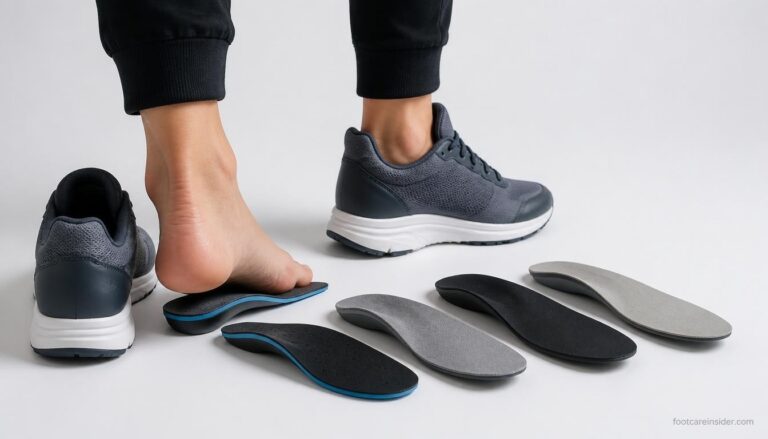
Lifespan depends heavily on usage, especially for those using insoles for standing all day .
Why Insoles Are Used for Foot Support
To understand how long do insoles last, it helps to first understand why insoles are commonly used.
The human foot is a complex structure containing 26 bones, 33 joints, and over 100 muscles, tendons, and ligaments. These components work together to absorb shock and stabilize the body during movement. One of the most important features of the foot is the arch, which helps distribute body weight evenly when walking or standing.
However, many people develop biomechanical imbalances that change how weight moves through the foot. These may include:
- Low or collapsed arches
- High arches that concentrate pressure on the heel and forefoot
- Excessive inward rolling of the foot (pronation)
- Reduced natural cushioning in the heel
Supportive insoles are designed to improve alignment and redistribute pressure across the foot. When functioning properly, they help reduce strain on sensitive structures such as the plantar fascia. Irritation of this connective tissue can lead to Plantar Fasciitis, one of the most common causes of heel pain.
Because insoles absorb impact throughout the day, they gradually wear down. This is why understanding how long do insoles last is important for maintaining proper support.
Higher-quality support is especially important if you rely on insoles for arch pain relief .
Average Lifespan of Insoles
For most people, the typical answer to how long do insoles last is between six months and one year. However, this range can vary significantly depending on how the inserts are used.
Some insoles used during high-impact activities may wear out faster, while inserts placed in casual walking shoes may last longer.
Several factors influence their durability.
Material Quality
The materials used to manufacture insoles strongly influence their lifespan.
Common materials include:
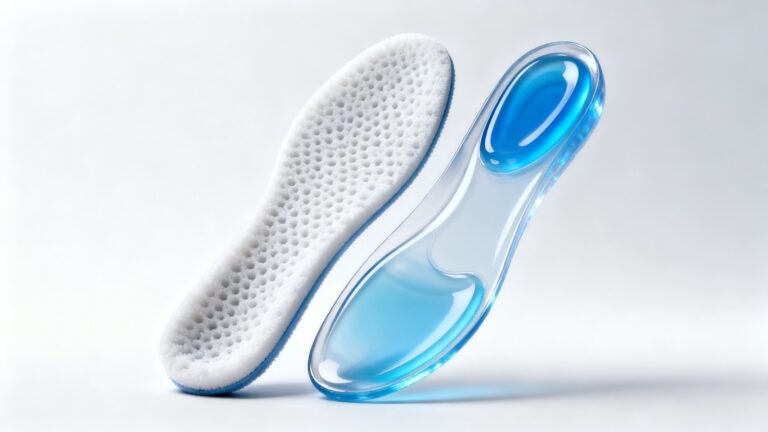
- Foam inserts – lightweight but prone to compression
- Gel insoles – provide cushioning but may flatten over time
- EVA foam – often used in athletic footwear due to resilience
- Cork or rigid orthotic materials – typically more durable
Lower-density foams compress faster under repeated pressure. Higher-density materials usually maintain their shape longer, extending the time before replacement is needed.
Because of this, two different products may produce very different answers to the question how long do insoles last.
Structural support also matters in conditions like overpronation and alignment issues .
Activity Level and Daily Use
Daily activity plays a major role in determining how long insoles last.
People who walk several miles per day naturally place more stress on the inserts compared with someone who spends most of the day sitting. Activities that increase impact forces include:
- Running
- Long-distance walking
- Standing for extended work shifts
- High-impact sports
Athletes or people with physically demanding jobs may notice signs of wear in as little as three to six months.
Body Weight and Pressure Distribution
Body weight also influences the answer to how long do insoles last.
Every step places pressure on the cushioning materials within the insert. Higher body weight increases compression, which can accelerate material breakdown.
Over time, this repeated compression causes insoles to flatten and lose their structural support.
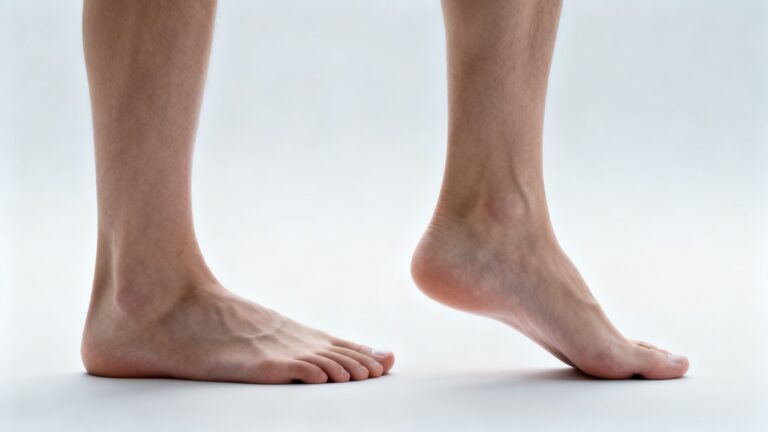
Uneven pressure patterns may also develop depending on foot structure. For example:
- Flat feet may compress the arch region quickly
- High arches may increase pressure near the heel and forefoot
These differences affect how long insoles last for each individual.
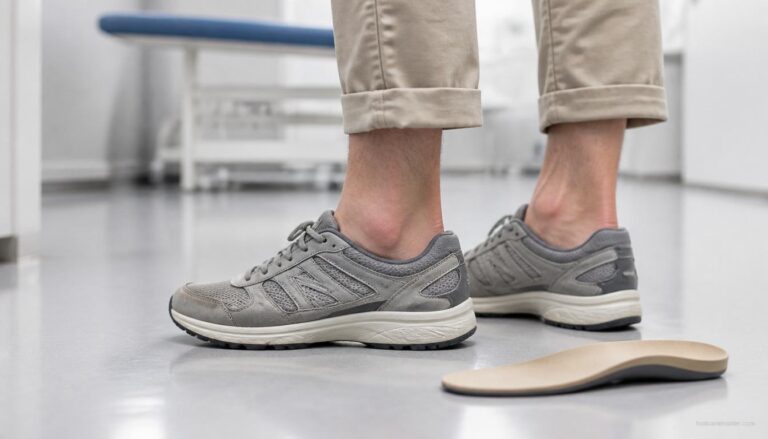
Signs Insoles May Be Wearing Out
Because insoles wear gradually, many people continue using them long after they stop providing adequate support.
Common signs of worn inserts include:
- Flattened arch support
- Visible compression lines
- Reduced cushioning in the heel
- Uneven wear patterns
- Increased foot fatigue during walking
If discomfort begins returning after previously improving, worn inserts may be the reason.
Recognizing these early signs can help determine how long insoles last for your specific activity level.
Why Worn Insoles Can Affect Foot Health
The question how long do insoles last is not only about comfort. Worn inserts may also influence how pressure moves through the foot during walking.
As cushioning materials compress, the foot may begin to shift weight unevenly. This can increase stress on tendons and connective tissue. In some cases, this may contribute to conditions such as Achilles Tendinitis or general heel strain.
Because the feet serve as the body’s foundation, changes in foot mechanics can affect alignment in the knees, hips, and lower back as well.
Understanding when insoles lose their support is therefore important for preventing chronic discomfort.
How Long Do Insoles Last?
Understanding how long do insoles last is only part of maintaining healthy feet. It is equally important to know when insoles can actually help relieve discomfort and when other forms of treatment may be necessary.
Many cases of mild foot pain improve through simple adjustments such as supportive footwear, stretching, and reducing repetitive strain.
Proper support contributes to long-term alignment — see insoles improve posture and alignment .
Non-Commercial Treatment Options
Before relying entirely on insoles, several conservative approaches may help relieve foot discomfort.
Rest and Activity Adjustment
Temporary rest from high-impact activities allows irritated tissues to recover. For example, switching from running to lower-impact exercises like cycling may reduce stress on the heel and arch.
Stretching Exercises
Tight calf muscles can increase tension on the plantar fascia. Gentle stretching exercises may help improve flexibility and reduce strain.
Examples include:
- Wall calf stretches
- Rolling the foot on a massage ball
- Toe extension stretches
These techniques support healthy movement patterns and may reduce recurring discomfort.
When Insoles Can Help
Many people researching how long do insoles last are looking for relief from ongoing foot fatigue or mild pain.
Insoles may help when:
- Shoes lack sufficient arch support
- Pressure concentrates on the heel or forefoot
- Learn how mild biomechanical imbalances affect walking — and see the best insoles for all‑day standing .
Supportive inserts can help distribute body weight more evenly across the foot. Individuals experiencing early symptoms of plantar fascia strain may benefit from additional cushioning.
Those comparing support options often review solutions such as
arch support insoles for plantar fasciitis or shock absorbing insoles for heel pain to find inserts designed for their specific needs.
However, even the best inserts gradually wear down. Monitoring their condition helps determine how long insoles last before replacement is needed.
When Medical Care May Be Necessary
While insoles can assist with mild support problems, persistent symptoms may require professional evaluation.
Medical assessment may be helpful if a person experiences:
- Severe heel pain lasting several weeks
- Pain that affects normal walking
- Swelling around the foot or ankle
- Tingling or numbness in the foot
These symptoms may indicate underlying conditions such as Metatarsalgia or chronic inflammation of the plantar fascia.
Healthcare professionals can evaluate walking patterns, foot structure, and possible biomechanical causes of discomfort.
Prevention Strategies
Preventing excessive wear can help extend how long insoles last while also protecting foot health.
Rotate Shoes
Using multiple pairs of shoes allows cushioning materials to recover between uses.
Replace Footwear Periodically
Even high-quality shoes gradually lose their shock-absorbing properties.
Maintain Foot Flexibility
Regular stretching keeps muscles flexible and reduces strain on the arch.
Monitor Insole Condition
Checking inserts every few months can help detect flattening or uneven wear.
Additional guidance can be found in signs your insoles need replacing or
how to choose the right insoles for your foot type .
Not sure whether yours have worn out yet? Our checklist of signs you need new insoles includes quick tests you can do at home.
FAQ
How long do insoles last in everyday use?
Most insoles last six to twelve months depending on activity level and material quality.
Do athletic insoles wear out faster?
Yes. High-impact activities such as running or sports can reduce their lifespan to three to six months.
Can worn insoles cause foot pain?
Flattened insoles may reduce cushioning and arch support, allowing pressure to build in sensitive areas.
Are custom orthotics more durable?
Custom orthotics are usually made from stronger materials and may last several years, although cushioning layers may still wear out.
What are the signs insoles need replacing?
Common indicators include flattened support, reduced cushioning, and returning foot fatigue.
Educational Conclusion
The question how long do insoles last depends on several factors including materials, activity level, and individual foot structure. For most people, insoles remain effective for six months to one year, although heavy use may shorten this lifespan.
Because inserts gradually compress under repeated pressure, regular inspection is important. Replacing worn insoles at the right time can help maintain proper foot alignment and reduce strain on muscles and connective tissue.
Combined with supportive footwear, stretching, and early attention to symptoms, maintaining healthy insoles can contribute to long-term foot comfort and mobility.
If you’re dealing with foot alignment issues, check our guide on best insoles for overpronation to improve support and stability.