Do Insoles Fix Flat Feet?
If you’ve recently been told you have flat feet — or you’ve noticed your arches seem to collapse when standing — you may be wondering: do insoles fix flat feet, or just manage the discomfort?
It’s a common and understandable question. Foot pain can affect everything from daily walking to exercise and even long hours at work. Many people assume that arch-support inserts will permanently correct the issue. The reality, however, is more nuanced.
To understand whether insoles can fix flat feet, we first need to understand what flat feet actually are — and what causes them.
What Are Flat Feet?
You can explore more detailed articles in our footcare guides category.
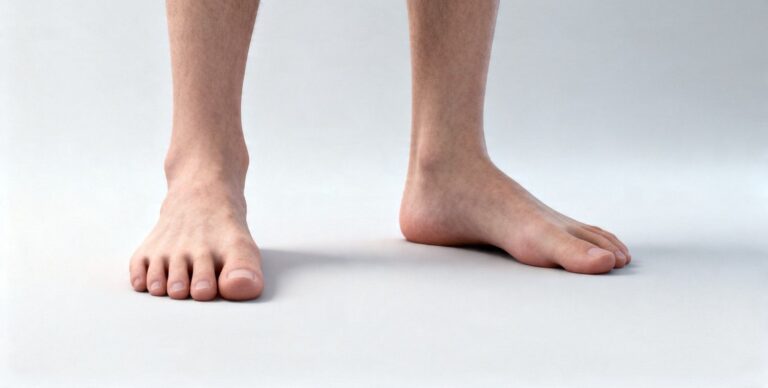
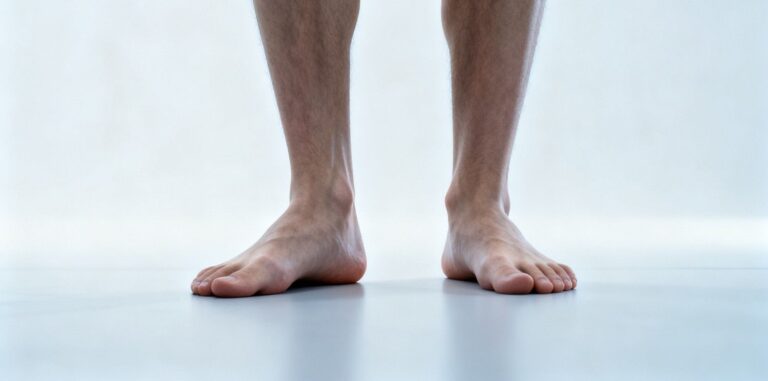
Flat feet, medically known as pes planus, occur when the arch of the foot collapses or fails to develop fully. When standing, the entire sole of the foot makes contact with the ground. In many cases, the ankle also rolls inward — a motion known as overpronation.
There are two main types:
- Flexible flat feet – The arch appears when sitting or standing on tiptoe but flattens when weight-bearing.
- Rigid flat feet – The arch is absent even when not standing, often associated with structural or bone issues.
Flexible flat feet are more common and usually less severe.
Flat feet can occur in both children and adults. In children, arches often develop naturally over time. In adults, fallen arches may develop gradually due to tendon strain, injury, or aging.
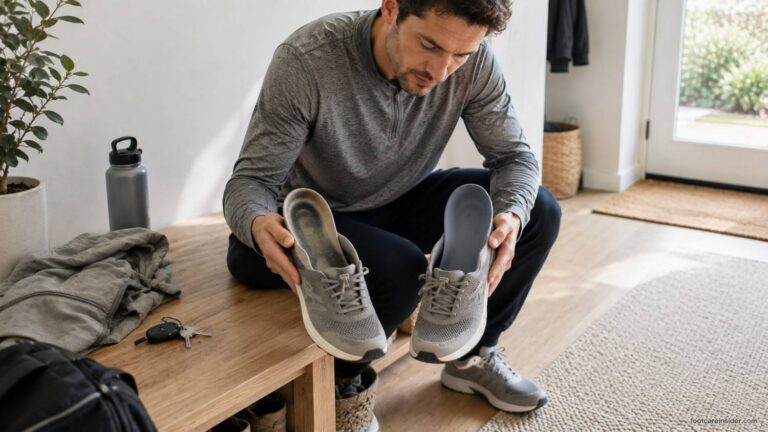
Many people find that structured arch support insoles provide better alignment and reduce strain on the inner ankle during prolonged standing or walking.
Root Causes of Flat Feet
Flat feet are not caused by one single issue. They can develop for several reasons:
1. Genetics
Some people are born with naturally low arches. If flat feet run in your family, you may simply have inherited your foot structure.
2. Posterior Tibial Tendon Dysfunction (PTTD)
The posterior tibial tendon supports the arch. When it weakens or becomes inflamed, the arch can collapse over time. This is one of the most common adult-acquired causes.
3. Ligament Laxity
Loose or overly flexible ligaments may fail to hold the arch in place under weight-bearing conditions.
4. Injury
Fractures, torn tendons, or severe ankle sprains can change the structural alignment of the foot.
5. Obesity and Weight Gain
Increased body weight places additional stress on the arch-supporting structures.
6. Aging
Tendons and ligaments weaken over time, increasing the likelihood of arch collapse.
If heel discomfort develops, early plantar fasciitis management strategies can reduce inflammation and prevent chronic strain.
Risk Factors
Certain factors increase the likelihood of developing flat feet or experiencing symptoms:
- Occupations involving prolonged standing
- High-impact sports
- Diabetes
- Rheumatoid arthritis
- Pregnancy
- Wearing unsupportive footwear for extended periods
For people who spend long hours on hard surfaces, discomfort may overlap with issues discussed in guides about support for those standing all day, where arch stability plays a key role.
How Symptoms Differ
Not everyone with flat feet experiences pain.
Some individuals live symptom-free. Others develop:
- Heel pain
- Arch pain
- Ankle swelling
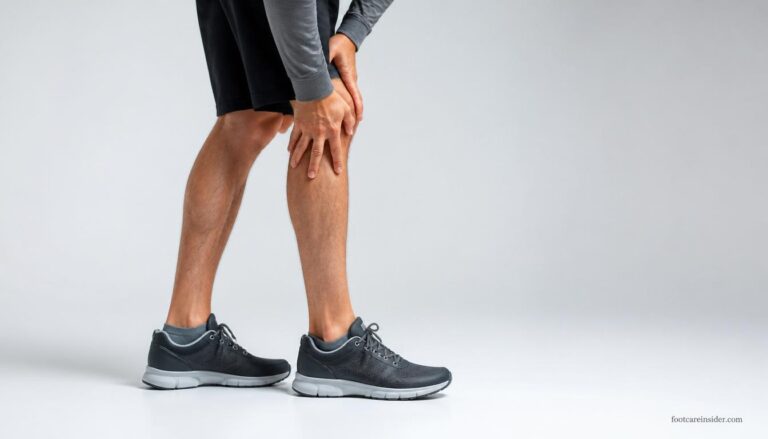
- Shin splints
- Knee discomfort
- Lower back pain
The severity often depends on how much the foot rolls inward and how well surrounding muscles compensate.
In some cases, flat feet are closely linked with overpronation. If you’re unsure about the distinction, understanding the structural differences between flat arches and inward ankle rolling can clarify why certain treatments differ.
When Does It Become Serious?
Flat feet become concerning when:
- Pain persists despite rest
- Swelling develops along the inner ankle
- Walking becomes difficult
- The arch progressively collapses
- Pain spreads to knees or hips
Progressive tendon damage (such as PTTD) can worsen without support or intervention.
That’s when the question shifts from “do insoles fix flat feet?” to “can insoles prevent further damage?”
But before we answer that fully, we need to understand what insoles actually do biomechanically — and what they cannot do.
Do insoles fix flat feet — or do they simply support them?
The honest answer is that insoles typically do not permanently “fix” flat feet in adults. However, they can significantly reduce symptoms, improve alignment, and slow progression in many cases.
Let’s break that down properly.
Treatment Options for Flat Feet
Treatment depends on severity, symptoms, and underlying cause. Most cases start with conservative (non-surgical) options.
1. Strengthening Exercises
In mild or flexible flat feet, strengthening intrinsic foot muscles can improve arch control. Common exercises include:
- Towel scrunches
- Short-foot exercises
- Calf raises
- Toe spreading drills
Strengthening the posterior tibial tendon and calf muscles may improve functional arch support, particularly in early-stage tendon weakness.
However, exercises take time and consistency. They improve muscle function but do not alter bone structure in adults.
Understanding the distinction between flat feet vs overpronation helps clarify why treatment approaches may vary.
2. Stretching
Tight calf muscles (especially the gastrocnemius and soleus) can increase pronation stress. Regular calf stretching may reduce strain on the arch.
Plantar fascia stretching can also reduce heel pain if present.
3. Footwear Changes
Shoes with structured midsoles, firm heel counters, and arch reinforcement can significantly improve alignment.
If overpronation is present, structured footwear similar to those discussed in guides about supportive stability designs can help control inward ankle collapse.
In addition to inserts, choosing supportive stability footwear can help control inward ankle rolling and improve overall alignment.
4. Weight Management
Reducing excess body weight decreases mechanical load on the arch and posterior tibial tendon.
When Insoles Help
Now to the core issue: do insoles fix flat feet?
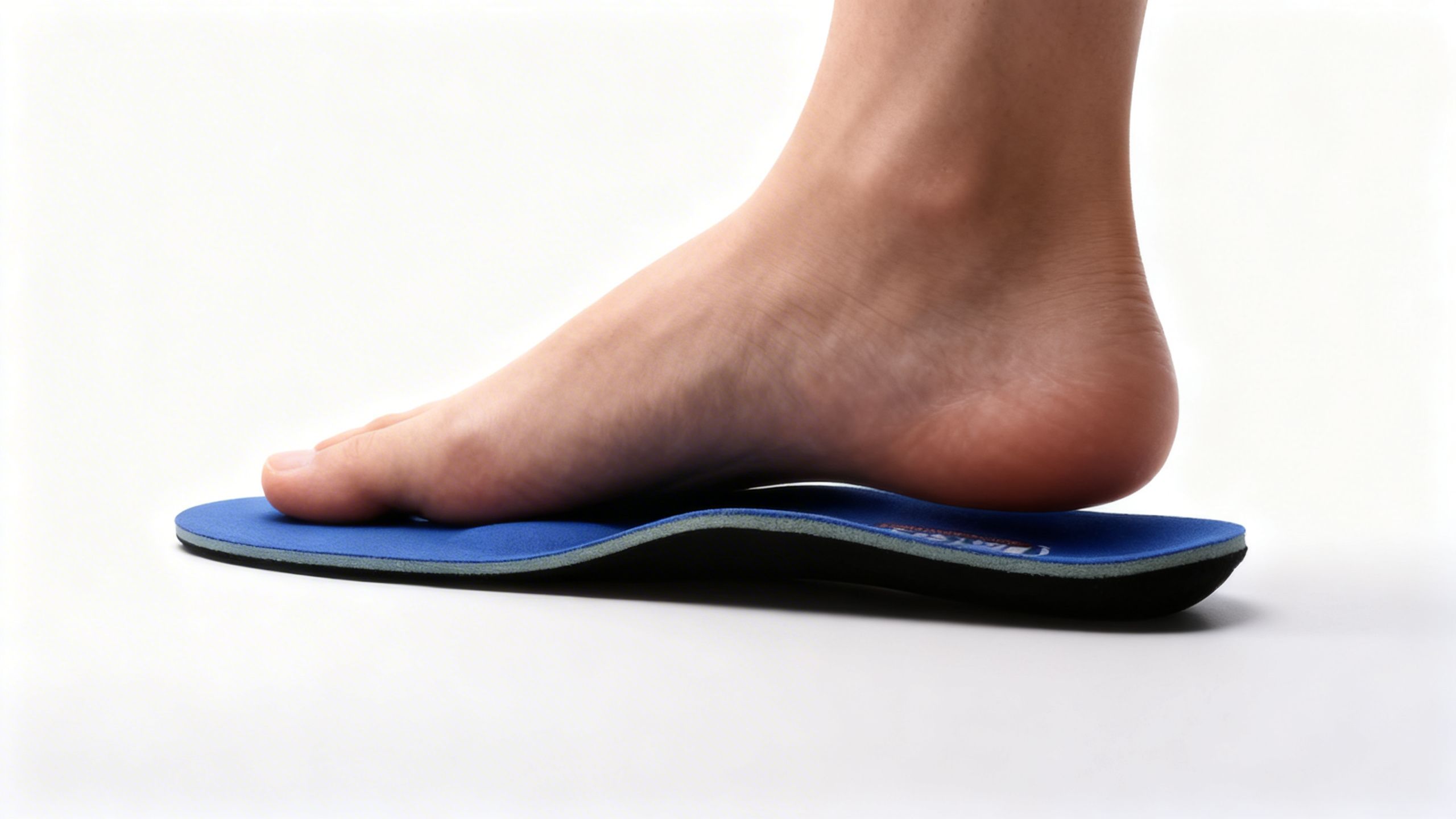
Insoles — also called orthotic inserts — do not permanently rebuild an adult arch. Bone structure and ligament shape remain the same.
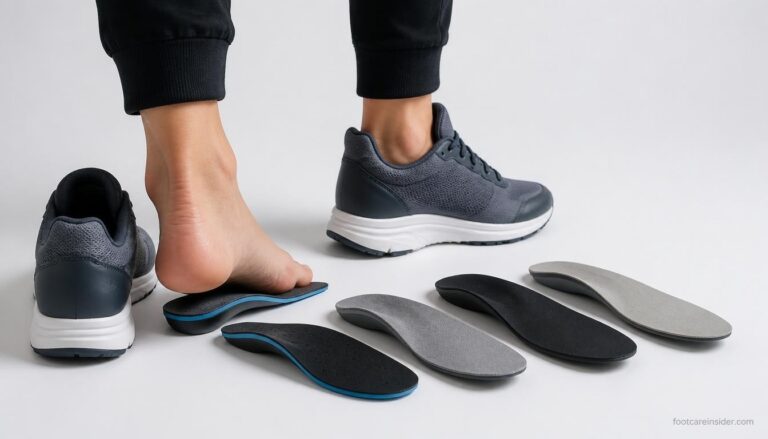
However, insoles can:
- Provide arch support
- Redistribute pressure
- Reduce tendon strain
- Improve ankle alignment
- Decrease fatigue
- Prevent progression of collapse
They act as an external support system.
In flexible flat feet, especially early-stage tendon weakness, structured arch support insoles can significantly reduce discomfort and slow worsening.
In cases of plantar fascia irritation, heel-focused cushioning may reduce strain — similar to strategies outlined in guides addressing plantar fasciitis management.
The key distinction:
Insoles manage mechanics.
They do not change anatomy.
For many people, symptom relief is the practical goal — not structural perfection.
If your flat feet are still mild, you may not need aggressive correction. Our guide to the best insoles for mild flat feet covers balanced everyday support.
Our picks: If you decide to try an insole, these are the three we would start with.
Moderate support insoles – A gentle arch with cushioning for mild flat feet.
Powerstep Maxx Support – A structured arch with cushioning for flat feet that tire.
Superfeet Green – A firm arch for flat feet that need more control.
Insoles vs Exercises: Which Matters More?
Exercises and insoles do different jobs. Exercises build strength and control in the foot and ankle over time, while insoles give immediate support during daily activity.
For most people the best approach is both: insoles to ease symptoms now, and strengthening and stretching to improve how the foot works in the long run.
When Medical Care Is Required
You should consider seeing a podiatrist or orthopedic specialist if:
- Pain persists beyond several weeks
- Swelling appears along the inner ankle
- The arch continues collapsing
- Walking becomes unstable
- Pain affects knees or hips
Advanced posterior tibial tendon dysfunction may require:
- Custom orthotics
- Bracing
- Physical therapy
- In severe cases, surgery
Surgical correction is rare and typically reserved for rigid deformities or progressive structural damage.
Prevention Strategies
Even if insoles do not permanently fix flat feet, prevention and early management matter.
You can reduce long-term complications by:
- Wearing supportive shoes consistently
- Avoiding overly flexible, unsupportive footwear
- Strengthening arch and calf muscles
- Replacing worn-out insoles regularly
- Managing body weight
- Rotating footwear to prevent repetitive stress
Proactive care can prevent symptoms from escalating.
Frequently Asked Questions
Can flat feet be permanently corrected in adults?
In most adults, the arch structure cannot be permanently changed without surgery. Conservative treatments aim to manage symptoms and prevent progression.
Do insoles fix flat feet in children?
Children often develop arches naturally as they grow. Insoles may support comfort, but they do not force permanent arch development in most cases.
Are custom orthotics better than over-the-counter insoles?
Custom orthotics are tailored to your foot and may be helpful in complex or severe cases. However, many individuals experience adequate relief from well-designed supportive inserts.
Can flat feet cause knee or back pain?
Yes. When the foot rolls inward excessively, it can alter alignment up the kinetic chain, affecting knees, hips, and lower back.
Should I wear insoles all the time?
If they reduce pain and improve stability, consistent use is generally recommended, especially during prolonged standing or physical activity.
Do softer insoles work as well as structured ones?
Softer insoles provide cushioning, while structured ones offer stability. For flat feet, a structured insole usually does more to support the arch, and the best choice depends on your symptoms and activity level.
Educational Conclusion
So, do insoles fix flat feet?
No — not in the sense of permanently rebuilding an arch in adults.
But they can play a powerful role in symptom management, alignment support, and slowing progression. For many people, that functional improvement is what truly matters.
Flat feet exist on a spectrum. Some individuals remain symptom-free for life. Others benefit greatly from supportive footwear, strengthening exercises, and structured insoles.
The goal is not cosmetic correction — it’s healthy movement, reduced strain, and long-term joint protection.
With the right approach, most people with flat feet can stay active and pain-free.
Struggling with uneven foot movement? These insoles for overpronation can help correct alignment and reduce strain.