Best Memory Foam Insoles for Plantar Fasciitis (2026 Guide)
If you’re dealing with sharp heel pain or arch discomfort, especially first thing in the morning or after long hours standing, you’re not alone. Plantar fasciitis is one of the most common causes of foot pain in the United States.
While insoles don’t cure medical conditions, the right cushioning and support can significantly improve daily comfort and reduce pressure on sensitive areas of the foot.
Below are three of the best memory foam insoles designed to provide shock absorption, heel cushioning, and improved comfort for people managing plantar fasciitis symptoms.
Quick Picks
Best Overall: Dr. Scholl’s Memory Foam Insoles
Best for Long Shifts: PowerStep Pinnacle Maxx
Best Budget Option: TEOYETTSF Cushion Insoles
1. Dr. Scholl’s Memory Foam Insoles – Best Overall
Best for: Everyday shoes, walking, casual wear
Why they stand out:
• Soft, pressure-distributing cushioning
• Trim-to-fit sizing
• Designed for shock absorption
• Widely available in US sizes
These insoles provide balanced cushioning that helps spread pressure more evenly across the foot. For many users experiencing heel discomfort, that extra padding can make walking and standing feel less harsh.
They’re ideal for sneakers and casual footwear where moderate cushioning is preferred over firm correction.
2. PowerStep Pinnacle Maxx – Best for Work Boots
Best for: Long shifts, hard floors, heavy-duty footwear
Why they stand out:
• Thicker cushioning design
• Built for high-impact environments
• Durable for work boots
• Designed for extended standing
If you work on concrete floors or stand for hours, thin inserts won’t provide enough relief. This option offers deeper cushioning that may help reduce heel stress during long workdays.
They fit especially well in boots with removable factory insoles.
3. TEOYETTSF Cushion Insoles – Best Budget Pick
Best for: Light daily use, casual shoes, first-time insole buyers
Why they stand out:
- Soft, cushioned feel underfoot
- Breathable design for everyday wear
- Easy to trim to size
- Budget-friendly way to test cushioning
If you want to see whether extra cushioning helps your heels before spending more, this is a low-cost place to start. They add softness inside flat or thin-soled shoes for walking and casual wear.
They’re not as structured as firmer support insoles, so if you stand all day on hard floors, the PowerStep pick above is the stronger choice.
What Is Plantar Fasciitis?
Plantar fasciitis happens when the thick band of tissue that runs along the bottom of your foot becomes irritated from repeated strain.
Common triggers include:
• Standing for long periods
• Walking on hard surfaces
• Wearing unsupportive shoes
• Sudden increases in activity
Pain is usually felt near the heel and may be worse in the morning or after rest.
Insoles don’t treat the condition itself, but they can help improve comfort by reducing direct pressure on the heel and arch.
How Memory Foam Insoles Help
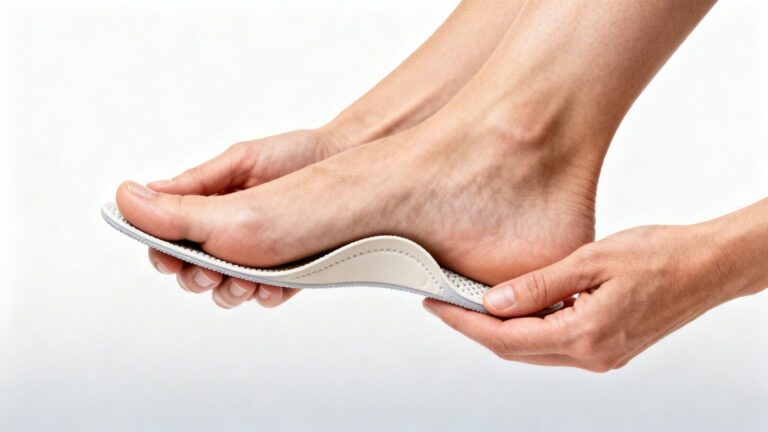
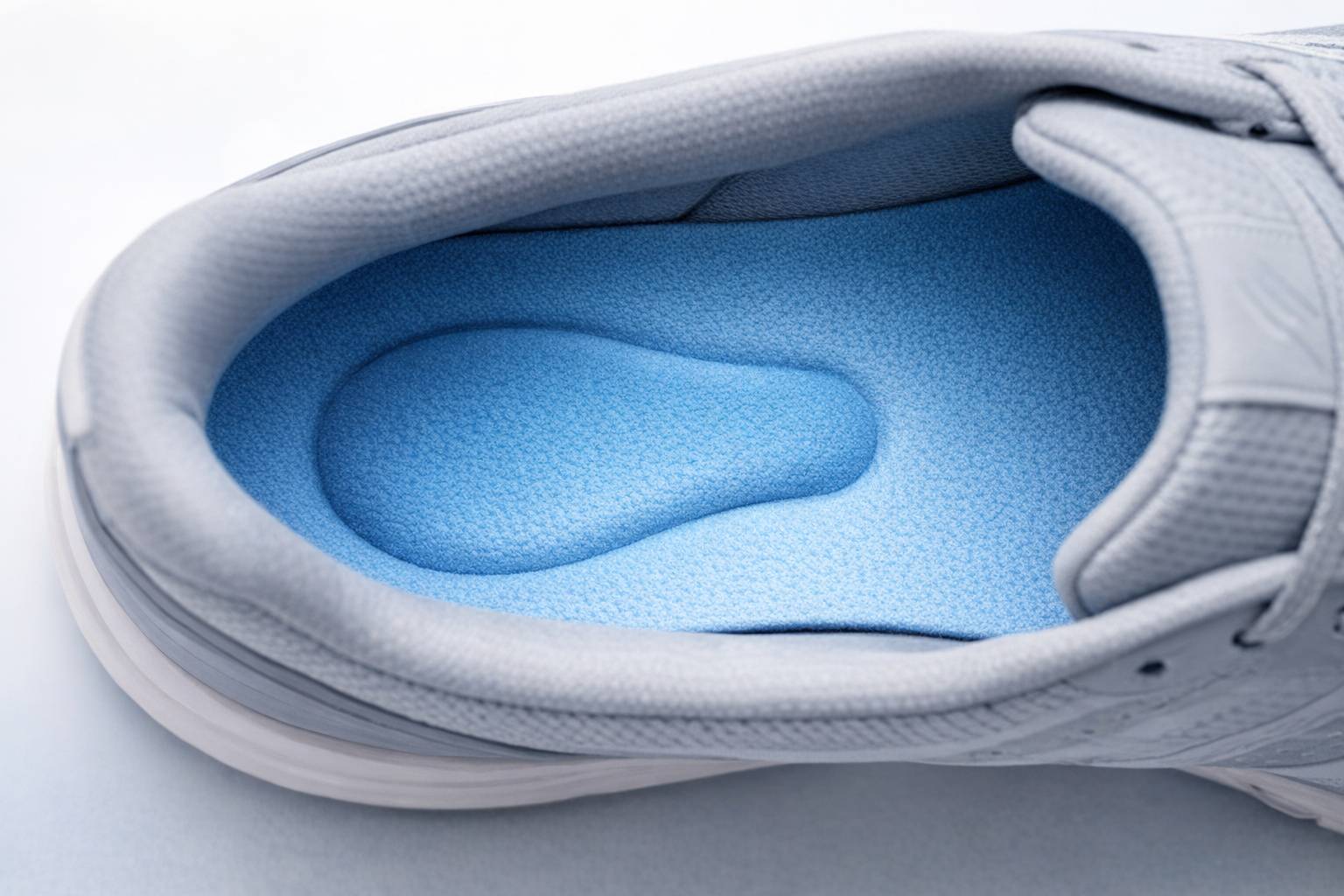
Memory foam works by compressing under body weight and slowly returning to shape. This allows it to:
• Absorb impact from walking
• Reduce concentrated heel pressure
• Distribute weight more evenly
• Improve overall shoe comfort
For people with plantar fasciitis, this cushioning may help make daily movement feel less jarring, especially on hard flooring.
However, very soft inserts are not ideal for everyone.
Memory Foam vs. Orthotic Insoles
This is important.
Memory foam focuses on cushioning.
Orthotic insoles focus on structural correction and firm arch support.
If your pain is mainly from pressure and impact, softer cushioning may help.
If you need strong arch alignment or motion control, firmer orthotic designs may be better.
Some people benefit from hybrid insoles that combine both.
Best Memory Foam Insoles (2026 Buyer’s Guide)
What to Look For When Choosing Insoles
When buying memory foam inserts for heel pain, consider:
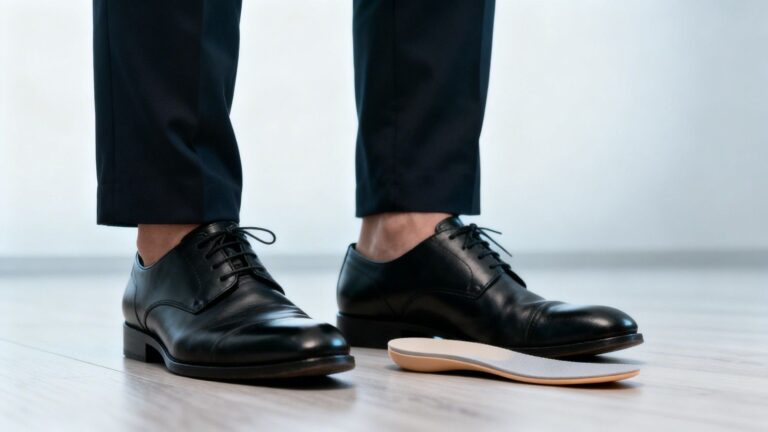
✔ Thickness – Thicker cushioning helps for long shifts
✔ Arch shape – Make sure it matches your foot type
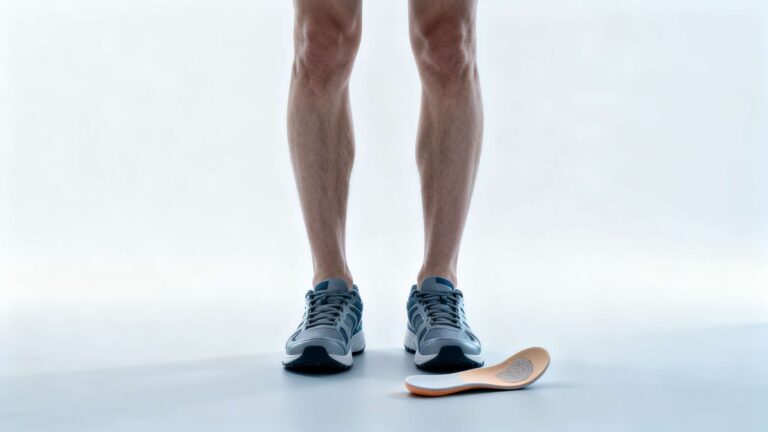
✔ Shoe fit – Remove original insoles if possible
✔ Breathability – Helps reduce moisture buildup
✔ Trim-to-fit sizing – Ensures proper alignment
Avoid ultra-thin inserts if you’re on your feet all day.
Who Should Avoid Very Soft Insoles?
Memory foam is great for comfort, but it’s not ideal for:
• Severe overpronation
• Structural alignment issues
• Athletic performance needs
• Extremely high arches needing firm support
If your pain persists despite cushioning changes, professional medical guidance may be necessary.
If you spend long hours on your feet, these insoles for work boots may offer better durability.
Frequently Asked Questions
Are memory foam insoles good for plantar fasciitis?
They can improve comfort by cushioning the heel and reducing pressure. However, they do not cure the condition.
How long do memory foam insoles last?
Most last 3–6 months depending on usage, body weight, and activity level.
Should I remove my shoe’s original insole?
Yes, in most cases. Layering insoles can cause improper fit and reduced support.
Are thicker insoles better?
For long hours on hard floors, thicker cushioning often provides better shock absorption.
🧠 Use Cases: Who Should Choose Memory Foam Insoles for Plantar Fasciitis
Not every case of plantar fasciitis is the same, which means the right type of insole depends heavily on your daily routine and foot mechanics.
Memory foam insoles for plantar fasciitis are best suited for:
✔ Light to Moderate Daily Activity
If you walk or stand occasionally throughout the day, memory foam provides enough cushioning to reduce heel pressure without feeling too rigid.
✔ Office Workers & Casual Use
For people who spend time between sitting and walking, softer cushioning helps reduce discomfort without overcorrecting foot position.
✔ Sensitive Feet or Heel Pain
If your primary issue is heel tenderness, memory foam helps absorb impact and reduce direct pressure on the plantar fascia.
✔ Recovery Phase
If you’re recovering from a flare-up, softer insoles can provide temporary relief before transitioning to more structured support.
👉 However, if you’re on your feet all day, you may need more structured support like options discussed in insoles for standing all day .
⚖️ Memory Foam vs Other Insoles (Quick Comparison)
Understanding how memory foam compares to other materials can help you avoid choosing the wrong type.
Memory Foam vs Gel
- Memory foam = softer, molds to foot
- Gel = slightly firmer, better shock distribution
👉 If you’re unsure, see memory foam vs gel insoles for a deeper comparison.
Memory Foam vs Firm Support Insoles
- Memory foam = comfort-focused
- Firm insoles = structure and alignment
👉 For long-term correction, many users switch to insoles for arch pain relief instead of relying only on soft cushioning.
Memory Foam vs Hybrid Insoles
- Hybrid = balance of cushioning + support
- Better for long hours standing
👉 Key takeaway:
Memory foam is excellent for comfort—but not always enough for structural support.
❗ Common Mistakes to Avoid
Choosing the wrong insole can actually make plantar fasciitis worse.
Avoid these:
❌ Choosing Only Softness
Soft doesn’t always mean better. Without support, your arch may collapse further.
❌ Ignoring Arch Support
Even with memory foam, you still need some level of structure to reduce strain.
❌ Using Worn-Out Insoles
Flattened foam loses effectiveness and can increase heel pain.
👉 If you’re unsure when to replace them, check how long do insoles last.
❌ Wearing in Unsupportive Shoes
Insoles can’t fix completely flat or worn-out footwear.
⏳ How Long Do Memory Foam Insoles Last?
Durability is one of the biggest trade-offs.
- Light use: 3–4 months
- Daily use: 2–3 months
- Heavy use: 1–2 months
Memory foam compresses over time and doesn’t fully rebound.
👉 If longevity matters, firmer options often last significantly longer.
❓ FAQ: Memory Foam Insoles for Plantar Fasciitis
1. Are memory foam insoles good for plantar fasciitis?
Yes, for short-term relief. They reduce heel pressure but may lack long-term support.
2. Can memory foam make plantar fasciitis worse?
In some cases, yes—especially if there is no arch support and the foot collapses.
3. Should I choose soft or firm insoles?
It depends on your condition. You can learn the difference in soft vs firm insoles .
4. Do podiatrists recommend memory foam insoles?
They may recommend them for comfort, but often prefer structured support for long-term treatment.
5. Are expensive insoles worth it?
Higher-quality insoles usually last longer and provide better support, making them more cost-effective over time.
Final Verdict
Memory foam insoles for plantar fasciitis can be a great starting point for reducing heel pain and improving comfort—especially for light daily use or recovery periods.
However, they are not a complete solution for everyone.
If your symptoms are persistent or related to foot structure, combining cushioning with proper support is often the better long-term strategy.
👉 For many users, the best results come from choosing insoles that balance comfort, stability, and durability rather than relying on softness alone.
If you’re dealing with foot alignment issues, check our guide on best insoles for overpronation to improve support and stability.