Understanding Why Flat Feet Cause Knee Pain
Introduction
Knee pain is one of the most common musculoskeletal complaints among adults in the United States—but what many people don’t realize is that the cause often starts in the feet. One overlooked contributor is flat feet. Understanding flat feet knee pain requires looking at how the entire lower body moves as a connected system.
Your feet form the foundation of your posture and walking mechanics. When the structure of the foot changes, it can affect the alignment of the ankles, knees, hips, and even the lower back. For individuals with flat feet, this chain reaction can place abnormal stress on the knees during everyday movements like walking, standing, or exercising.
This connection is commonly referred to as flat feet knee pain, and it develops when poor foot alignment affects how force travels through the lower body.
Our guide to flat feet covers the causes, symptoms and options in one place.
What Are Flat Feet?
Flat feet, also known as fallen arches, occur when the arch on the inside of the foot collapses or sits very low against the ground. In a typical foot structure, the arch acts like a spring, absorbing shock and helping distribute body weight efficiently.
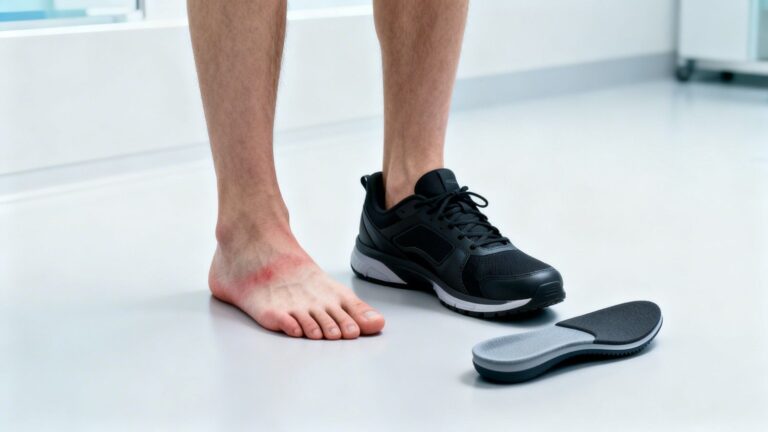
When the arch flattens, the foot tends to roll inward. This movement is called overpronation, and it changes the alignment of the lower leg.
In people with flat feet, the entire foot often makes contact with the ground when standing. Some individuals are born with naturally low arches, while others develop flat feet over time due to aging, injury, or weakened tendons.
Although flat feet do not always cause pain, the altered mechanics can gradually affect other joints—especially the knees.
For a deeper understanding of supportive footwear solutions, see:
Best Insoles for Flat Feet
How Flat Feet Cause Knee Pain (Biomechanics Explained)
To understand why flat feet cause knee pain, it helps to look at the biomechanics of walking.
When the arch collapses, the ankle rolls inward more than it should. This inward movement—known as overpronation—is one of the main mechanical reasons behind flat feet knee pain. It also forces the lower leg (the tibia) to rotate inward as well. For a deeper breakdown of this movement, see: insoles for overpronation
That rotation continues upward into the knee joint.
Over time, this chain reaction can cause several problems:
• Increased pressure on the inner knee
• Misalignment of the kneecap
• Uneven cartilage wear
• Greater strain on ligaments
The knee joint works best when it bends and straightens in a relatively straight line. When flat feet disrupt the alignment, the joint experiences twisting forces that it was not designed to handle repeatedly.
This is why people with flat feet often report knee discomfort during activities like:
- Walking long distances
- Running
- Standing for long periods
- Climbing stairs
The connection between foot mechanics and knee stress explains why treating the feet sometimes reduces knee pain significantly.
Root Causes of Flat Feet
Flat feet can develop for several different reasons. Understanding the root cause is important when evaluating why flat feet cause knee pain in certain individuals.
Common causes include:
Genetics
Many people inherit flat feet from their parents. Some individuals simply develop with naturally low or flexible arches.
Posterior Tibial Tendon Weakness
The posterior tibial tendon supports the arch and helps stabilize the foot. When it weakens or becomes inflamed, the arch may collapse gradually.
Foot Injuries
Sprains, fractures, or ligament damage can weaken the structures that support the arch.
Aging
As people get older, tendons and ligaments lose strength and elasticity, making arch collapse more likely.
Excess Body Weight
Higher body weight increases the load placed on the arch during standing and walking, accelerating structural changes.
Improper Footwear
Shoes with poor support may worsen overpronation and contribute to arch instability over time.
Risk Factors for Knee Problems in People with Flat Feet
Not everyone with flat feet develops knee pain. However, several factors increase the likelihood of symptoms.
High-impact activities
Running, basketball, and other repetitive sports place significant stress on the knees when foot mechanics are compromised.
Long periods of standing
Occupations that require standing all day can worsen joint strain.
For individuals who spend long hours on their feet, see:
Best Insoles for Standing All Day
Weak hip and leg muscles
Muscle weakness can reduce the body’s ability to compensate for poor foot alignment.
Improper gait mechanics
Walking patterns influenced by flat feet may cause uneven loading of the knee joint.
Previous knee injuries
People with a history of knee injuries may be more sensitive to alignment issues caused by flat feet.
How Knee Pain from Flat Feet Feels
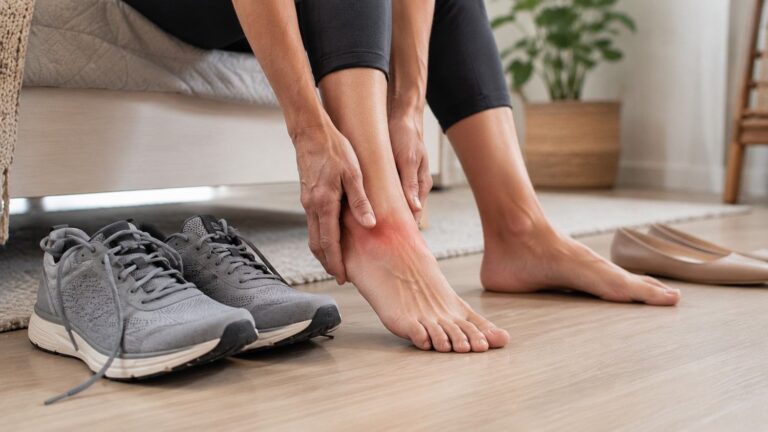
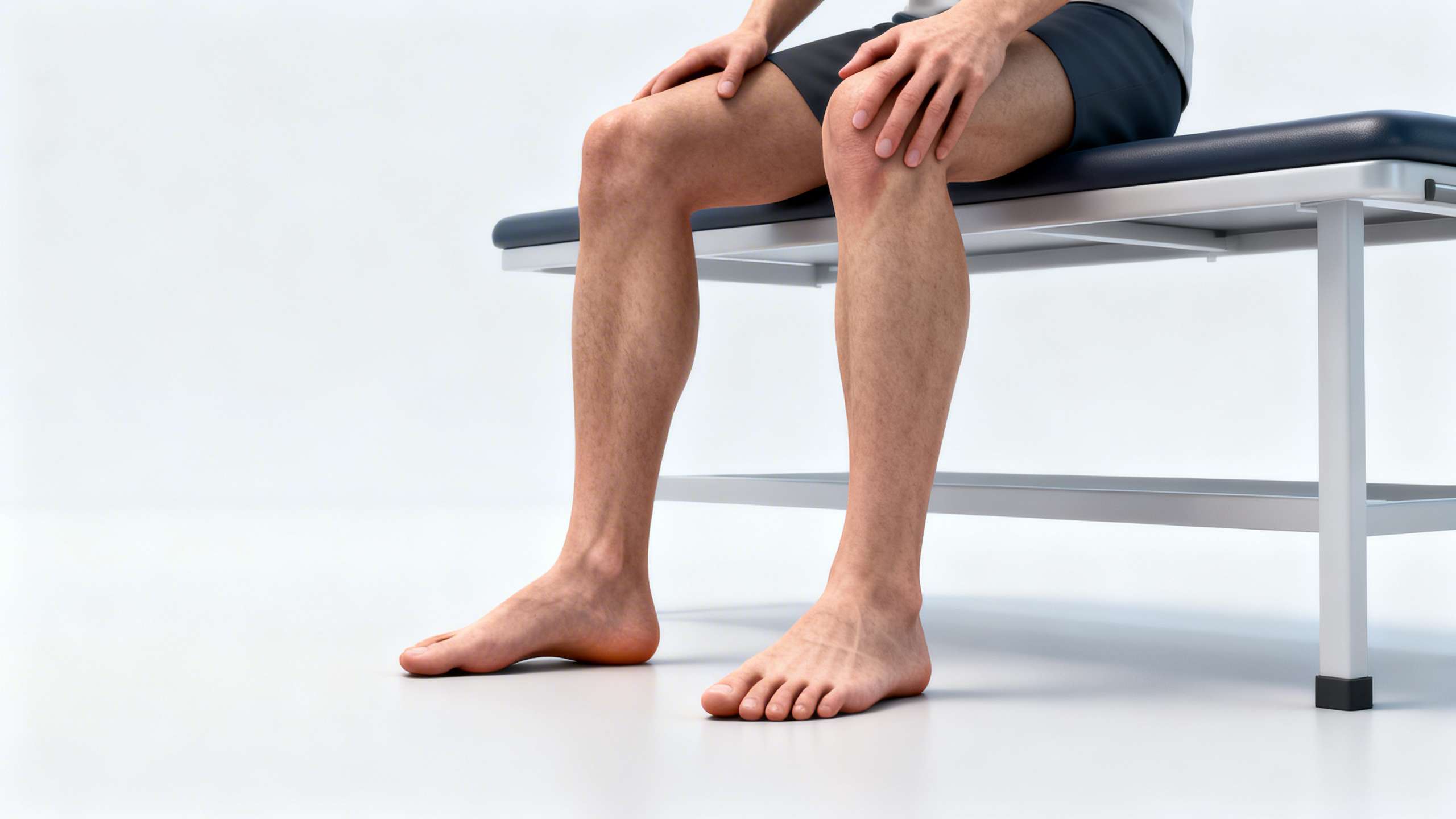
Knee pain linked to flat feet often develops gradually rather than appearing suddenly. Symptoms may vary depending on the severity of the arch collapse and the individual’s activity level.
Common symptoms include:
• Aching around the kneecap
• Pain on the inner side of the knee
• Knee stiffness after long walks
• Discomfort during running or exercise
• Fatigue in the legs after standing
Some people also notice pain in other areas of the body, including:
- ankles
- shins
- hips
- lower back
Because the body functions as a connected system, problems in the feet can easily affect multiple joints. Because this condition develops gradually, many people ignore early signs of flat feet knee pain until the discomfort becomes more persistent.
For more context about foot structure and mechanics, read:
Do Insoles Fix Flat Feet
When the Condition Becomes More Serious
In mild cases, knee pain caused by flat feet may appear only during intense activity. However, if the underlying alignment problem is not addressed, the condition can gradually worsen.
Signs that the problem may be progressing include:
• Persistent knee pain even during normal walking
• Swelling around the knee joint
• Difficulty bending or straightening the knee
• Reduced mobility during daily activities
Long-term misalignment may contribute to degenerative joint conditions such as cartilage wear or patellofemoral pain syndrome.
Recognizing flat feet knee pain early allows people to take preventive measures before permanent joint damage occurs. At this stage, flat feet knee pain is no longer just temporary discomfort—it may indicate ongoing joint stress that requires correction.
Managing Knee Pain Caused by Flat Feet
Treatment Options for Knee Pain from Flat Feet
Once people understand why flat feet cause knee pain, the next step is addressing the underlying mechanics that create stress on the knee joint. Treatment usually focuses on improving foot alignment, reducing strain during movement, and strengthening the muscles that support proper posture.
For many individuals, conservative and non-invasive treatments are effective in reducing symptoms.
Strengthening and Mobility Exercises
One of the most important steps in managing flat feet is improving muscle support in the feet, ankles, and legs.
Strengthening exercises can help stabilize the arch and reduce excessive inward rolling of the foot. Some commonly recommended exercises include:
Foot arch strengthening
Exercises such as short foot exercises or towel scrunches can help activate small muscles in the foot that support the arch.
Calf strengthening
Strong calf muscles help control ankle movement during walking and running.
Hip and glute strengthening
The hips play a large role in controlling leg alignment. Weak glute muscles can allow the knees to collapse inward, worsening the biomechanical chain that explains why flat feet cause knee pain.
Ankle mobility work
Limited ankle mobility can increase compensatory movements in the knee and foot.
Regular stretching of the calves and Achilles tendon may also reduce pressure placed on the knees.
Improving Walking Mechanics
Many people with flat feet unknowingly develop walking patterns that increase knee stress.
A physical therapist may analyze gait mechanics and recommend adjustments that distribute weight more evenly across the foot. Small changes in walking posture can significantly reduce the forces placed on the knees during each step.
Gait training is often used in combination with strengthening exercises to address the full biomechanical chain.
The Role of Supportive Footwear
Footwear plays an important role in managing knee discomfort associated with flat feet.
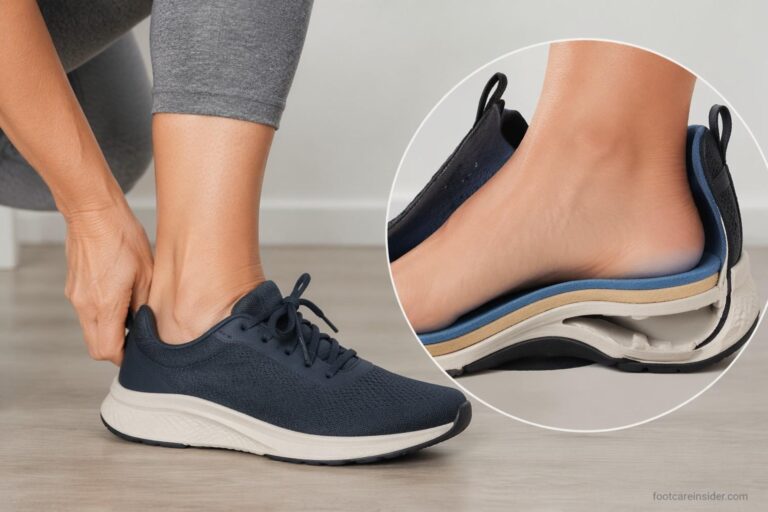
Shoes designed with structured arch support, stable midsoles, and proper cushioning can improve alignment and reduce overpronation.
Poorly structured shoes, on the other hand, may worsen the mechanics that explain why flat feet cause knee pain.
Individuals who spend long hours walking or standing should prioritize supportive footwear to reduce daily joint stress.
When Insoles Can Help
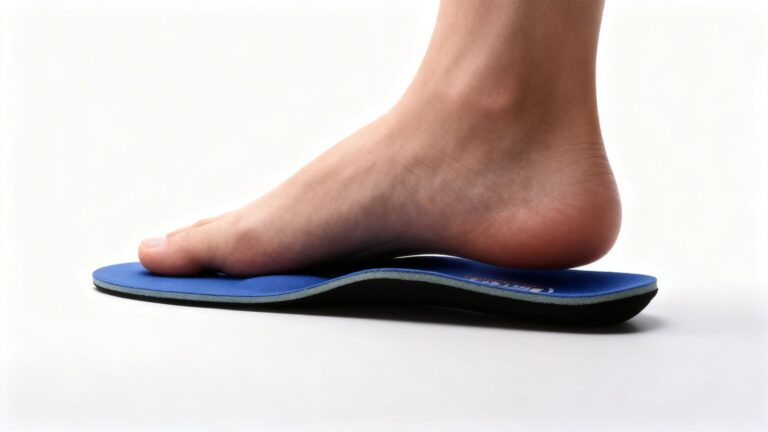
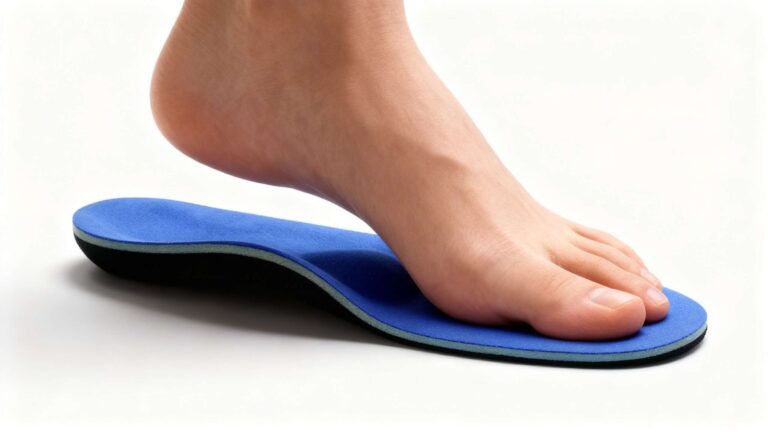
For many people, orthotic insoles are one of the most effective ways to improve foot alignment.
Insoles designed for flat feet help stabilize the arch and guide the foot into a more neutral position. By correcting excessive pronation, they can reduce the inward rotation that travels up the leg to the knee.
This correction often decreases pressure on the kneecap and inner knee structures.
People experiencing flat feet knee pain often benefit from additional support. Learn more here:
Best Insoles for Flat Feet
Some individuals may benefit from custom orthotics prescribed by a podiatrist, while others find relief using high-quality over-the-counter insoles.
For individuals who spend long hours on their feet, additional cushioning may help reduce flat feet knee pain. See:
Best Insoles for Standing All Day
It is important to remember that insoles are not a cure for flat feet, but they can significantly improve biomechanics and reduce joint strain.
When Medical Care Is Needed
While mild knee pain can often be managed with conservative treatment, medical evaluation may be necessary in certain situations.
You should consider seeing a healthcare professional if:
• Knee pain persists for several weeks
• Pain interferes with daily activities
• The knee becomes swollen or unstable
• Walking becomes difficult or painful
A podiatrist or orthopedic specialist may assess foot alignment, knee movement, and gait mechanics. In some cases, imaging tests such as X-rays or MRI scans may be used to evaluate joint structures.
Early diagnosis is important because untreated alignment problems may increase the risk of long-term joint damage.
Prevention Strategies
Preventing knee pain associated with flat feet focuses on supporting the body’s alignment and maintaining strong lower-body muscles.
Helpful prevention strategies include:
Wearing supportive shoes
Footwear with proper arch support can reduce excessive pronation.
Maintaining a healthy body weight
Lower body weight reduces the load placed on the feet and knees during movement.
Strength training
Regular strengthening of the calves, hips, and core helps stabilize the entire lower body.
Gradual activity increases
When starting new exercise routines, gradually increasing intensity helps prevent excessive strain.
Using supportive insoles when needed
For individuals with significant arch collapse, insoles can provide additional stability.
People who want to learn more about arch support solutions may also find useful information here:
Do Insoles Fix Flat Feet
Foot mechanics can also affect your lower back; see how flat feet lead to back pain.
Frequently Asked Questions
Can overpronation cause inner knee pain?
Yes. The inward roll of the foot can shift alignment, placing more stress on the inner side of the knee over time.
Can overpronation cause hip pain?
It can. Changes in foot alignment may affect how the leg rotates, which can influence hip movement and lead to discomfort.
Can overpronation cause back pain?
In some cases, yes. When alignment changes travel upward through the body, the lower back may compensate, especially during long periods of standing.
Where does overpronation usually cause pain?
Most commonly in the feet, ankles, and knees, but it can extend upward depending on movement patterns.
Can flat feet permanently damage the knees?
Flat feet do not automatically cause permanent knee damage. However, long-term misalignment can increase stress on knee cartilage and ligaments. Addressing foot mechanics early can help prevent chronic problems.
Do all people with flat feet experience knee pain?
No. Many individuals with flat feet never develop symptoms. Knee pain usually occurs when overpronation significantly alters leg alignment during movement.
Are exercises enough to fix flat feet?
Exercises can strengthen supportive muscles and improve stability, but they may not completely change the structure of the arch. Many people benefit from combining exercises with supportive footwear or orthotics.
Can children with flat feet develop knee pain later?
Some children naturally have flexible flat feet that resolve as they grow. If the condition persists into adulthood, it may contribute to alignment-related knee issues.
We also have additional resources available in our guides section.
Conclusion
The good news is that flat feet knee pain can often be managed effectively with the right combination of support, strengthening, and proper movement habits. Early recognition and proper management play an important role in protecting long-term joint health.
By improving foot alignment and maintaining strong lower-body support, individuals with flat feet can often stay active while minimizing knee discomfort over time.
If you’re dealing with foot alignment issues, check our guide on best insoles for overpronation to improve support and stability.