Do Arch Support Insoles Help Flat Feet?
If you’ve been dealing with flat feet, chances are you’ve come across arch support insoles as a possible solution. Maybe someone recommended them, or you’ve seen them mentioned as a quick fix for discomfort. But the question most people really want answered is simple: do arch support insoles actually help flat feet, or are they just temporary comfort?
The answer isn’t a simple yes or no. For some people, arch support can make daily movement feel easier and reduce fatigue. For others, the effect is less noticeable. The difference usually comes down to how your foot functions—not just how it looks.
What This Means (Quick Clarity)
Flat feet occur when the arch lowers under body weight. This can affect how your foot absorbs impact and stabilizes movement.
Arch support insoles are designed to:
- support the arch during standing and walking
- improve alignment of the foot and ankle
- reduce strain on surrounding structures
In this guide, you’ll understand:
- what arch support actually does
- when it helps
- when it doesn’t make much difference
What Are Flat Feet?
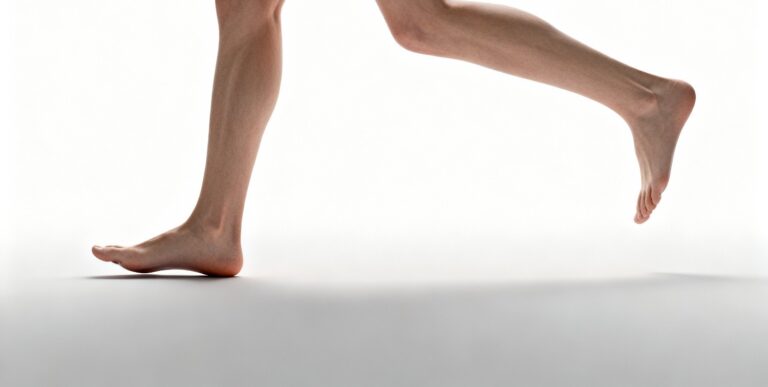
Flat feet, or fallen arches, describe a condition where the inner arch of the foot flattens when weight is applied.
You might notice:
- your foot makes more contact with the ground
- your ankle leans slightly inward
- your shoes wear unevenly on the inside
The arch plays a key role in how your body handles movement. It helps absorb shock and maintain balance as you walk or stand.
To better understand how arch collapse differs from inward rolling of the foot, see flat feet vs overpronation for a clear comparison.
Why Flat Feet Can Cause Discomfort
Not everyone with flat feet experiences pain. But when symptoms appear, they often relate to how pressure is distributed across the foot.
When the arch doesn’t provide enough support:
- the inner foot carries more load
- stabilizing muscles work harder
- fatigue builds faster during daily activity
This doesn’t mean the foot is “broken.” It usually means the foot is working harder than it needs to.
What Arch Support Insoles Actually Do
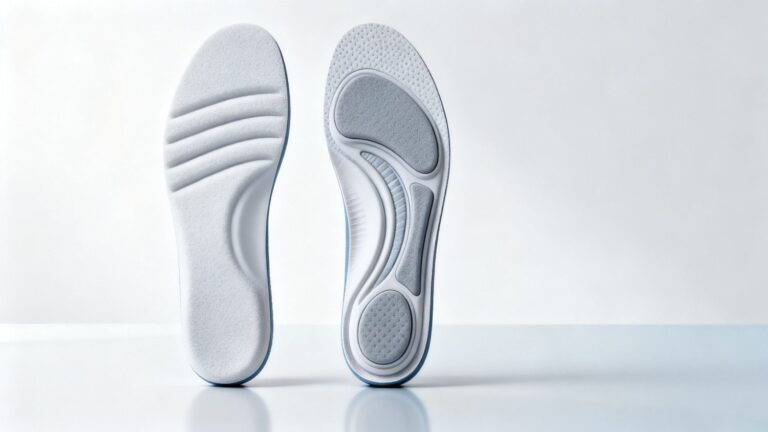
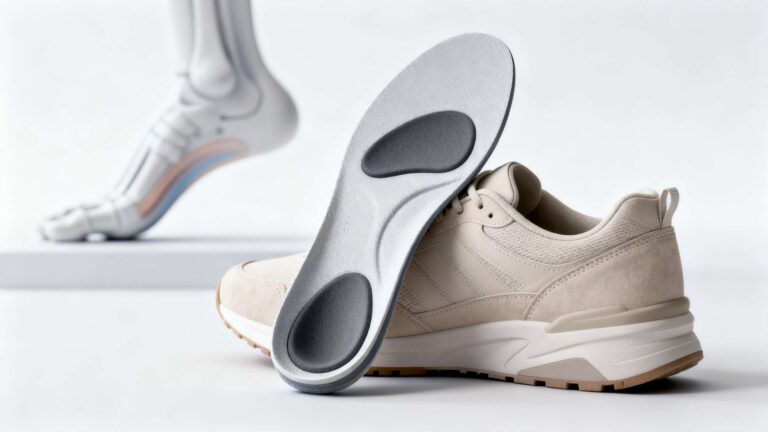
Arch support insoles don’t rebuild your arch. Instead, they change how forces move through your foot.
They work by:
- lifting and supporting the arch during weight-bearing
- guiding the foot into a more stable position
- reducing excessive inward movement
In practical terms, this can make standing or walking feel more controlled and less tiring.
However, support doesn’t replace function. Your muscles and tendons still play the main role.
Root Causes of Flat Feet
Flat feet usually develop over time rather than appearing suddenly. Several underlying factors influence how the arch behaves.
1. Muscle Weakness
The small muscles within the foot help maintain arch shape. When they’re weak, the arch becomes less stable during movement.
2. Tendon Strain
The posterior tibial tendon is one of the key supports of the arch. If it becomes strained, the arch may gradually lower.
3. Ligament Structure
Some people naturally have more flexible ligaments. This can allow the foot to flatten more under load.
4. Repetitive Stress
Daily habits like prolonged standing, walking on hard surfaces, or wearing unsupportive shoes can increase strain over time.
If you want a deeper explanation of how these factors interact, see what causes flat feet.
Risk Factors That Make Symptoms More Likely
Certain conditions don’t directly cause flat feet but increase the likelihood of discomfort.
- long hours standing or walking
- higher body weight
- limited foot strength
- worn-out or unsupportive shoes
- repetitive daily strain
For example, someone working on concrete floors all day may experience more fatigue compared to someone with a more varied routine.
How Symptoms Can Vary
Flat feet don’t affect everyone the same way.
Some people experience:
- mild tiredness in the feet
- occasional discomfort after long days
Others may notice:
- arch or heel pain
- tightness in the ankles or calves
- reduced endurance during activity
There’s also a difference between early and later stages.
Early:
- symptoms appear only after heavy use
Later:
- discomfort becomes more consistent
- recovery takes longer
When It Becomes More Serious
Flat feet can remain stable for years, but in some cases, symptoms gradually increase.
Warning signs include:
- persistent discomfort rather than occasional fatigue
- swelling along the inner ankle
- noticeable changes in walking pattern
- reduced ability to stand or walk for long periods
At this stage, the issue is less about arch shape and more about how the foot is functioning under stress.
The Bigger Question
So, do arch support insoles help flat feet?
They can help improve how your foot handles daily load—but they don’t fix the underlying causes on their own.
For many people, they’re one piece of a larger approach that includes movement, strength, and habit changes.
Improving flat feet isn’t about forcing the arch back into place. It’s about helping your foot manage load, movement, and stability more effectively during everyday life. While arch support can play a role, it works best when combined with simple, non-commercial strategies that improve how your foot functions over time.
Non-Commercial Solutions First
Before relying on external support, it helps to build a stronger foundation.
1. Foot Strength Exercises
The muscles inside your foot help maintain arch stability. When they’re active and strong, your foot can better control how it flattens under pressure.
Simple exercises include:
- short foot exercise (lifting the arch slightly without curling the toes)
- toe spreading and control drills
- picking up small objects with your toes
These aren’t intense movements, but done consistently, they improve control and reduce fatigue.
2. Ankle and Calf Mobility
Limited ankle movement often shifts extra stress into the foot.
Improving mobility can:
- reduce strain on the arch
- allow smoother movement
- improve overall balance
Helpful movements:
- calf stretches
- slow, controlled heel raises
- ankle mobility drills
3. Managing Daily Load
This is one of the biggest factors.
Standing or walking for long hours—especially on hard surfaces—places constant stress on the arch. Without variation, even a healthy foot can become fatigued.
Simple adjustments:
- alternate between sitting and standing
- take short breaks when possible
- rotate between different shoes
Reducing constant pressure often improves symptoms more than expected.
4. Choosing Better Footwear
Shoes influence how your foot behaves throughout the day.
Supportive footwear can:
- reduce excessive inward movement
- provide stability during walking
- decrease strain on muscles and tendons
Look for:
- structured soles that don’t collapse easily
- midfoot support
- stable heel design
Even without insoles, better footwear can make a noticeable difference.
When Arch Support Insoles Help
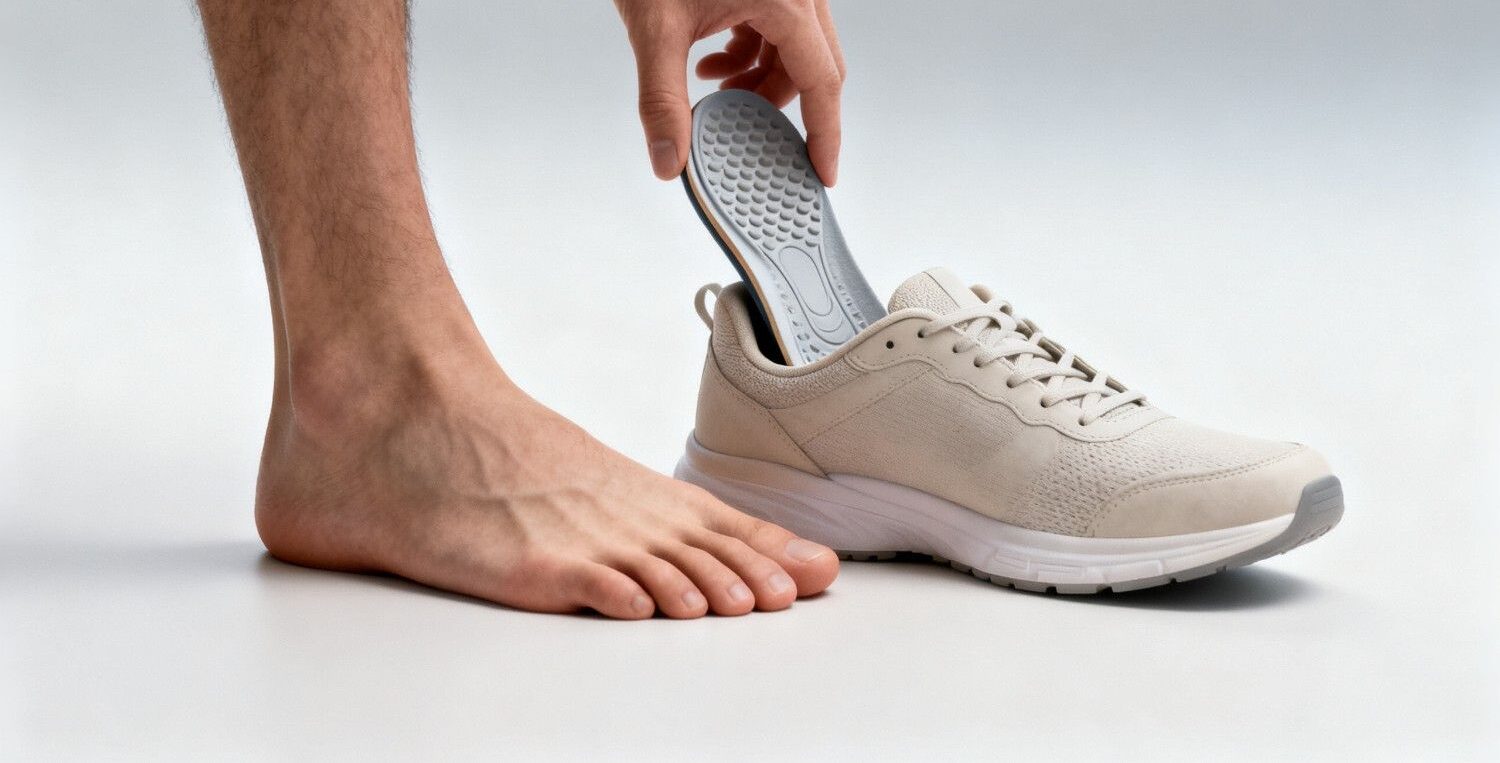
Arch support insoles can be useful when your foot struggles to manage daily load on its own.
They can:
- support the arch during standing and walking
- improve alignment of the foot and ankle
- reduce pressure on certain areas
For people who spend long hours on their feet, this added support can improve comfort and reduce fatigue. In some cases, structured support becomes especially helpful in demanding environments—see insoles for standing all day for how daily load affects foot strain.
That said, insoles don’t “fix” flat feet. They assist your foot, but they don’t replace muscle strength or movement control.
When Medical Care Is Needed
Most flat feet cases can be managed without medical intervention, but certain signs suggest a need for professional evaluation.
Consider seeking help if:
- pain becomes sharp or persistent
- swelling appears along the inner ankle
- your foot feels unstable during walking
- symptoms continue to worsen over time
These may indicate tendon strain or more advanced structural changes.
Prevention: Keeping Flat Feet From Getting Worse
Once symptoms improve, maintaining that progress is key.
1. Stay Consistent With Strength Work
Foot strength declines if ignored. Even short, regular sessions help maintain stability.
2. Replace Worn-Out Shoes
Shoes lose their structure gradually. When they stop supporting your foot, strain increases.
3. Avoid Continuous Repetitive Stress
Long periods on hard surfaces without variation increase pressure on the arch.
Small changes—like shifting positions or taking short breaks—can reduce long-term strain.
4. Pay Attention to Movement Patterns
Flat feet often involve inward ankle movement, which can affect the rest of the body over time.
For a broader understanding of how this connects to other areas, see why flat feet cause knee pain.
Micro Comparison
Exercises improve long-term strength and control, while arch support insoles provide immediate support during daily activity—both help, but in different ways.
Frequently Asked Questions
Do arch support insoles fix flat feet?
No, they don’t permanently change foot structure. They help support the arch and improve comfort during daily activity.
How long does it take to notice improvement?
Some people feel relief quickly with support, but long-term improvement depends on consistent strength and movement changes.
Are arch supports necessary for everyone with flat feet?
Not always. Some people manage well with exercises and proper footwear alone. Support becomes more useful when daily strain is high.
Can flat feet cause problems in other parts of the body?
Yes. Changes in foot alignment can affect the knees, hips, and lower back over time.
Is it okay to wear arch supports all day?
In most cases, yes. But combining them with strengthening exercises helps maintain long-term function.
Do softer insoles work as well as structured ones?
Softer insoles provide cushioning, while structured ones offer stability. The best choice depends on your needs and activity level.
Educational Conclusion
Arch support insoles can help flat feet—but they’re not a complete solution on their own.
What matters most is how your foot functions:
- strength
- movement
- load management
- daily support
When these factors work together, many people experience meaningful improvement without needing to change the structure of their arch.