How to Relieve Flat Feet Pain Fast
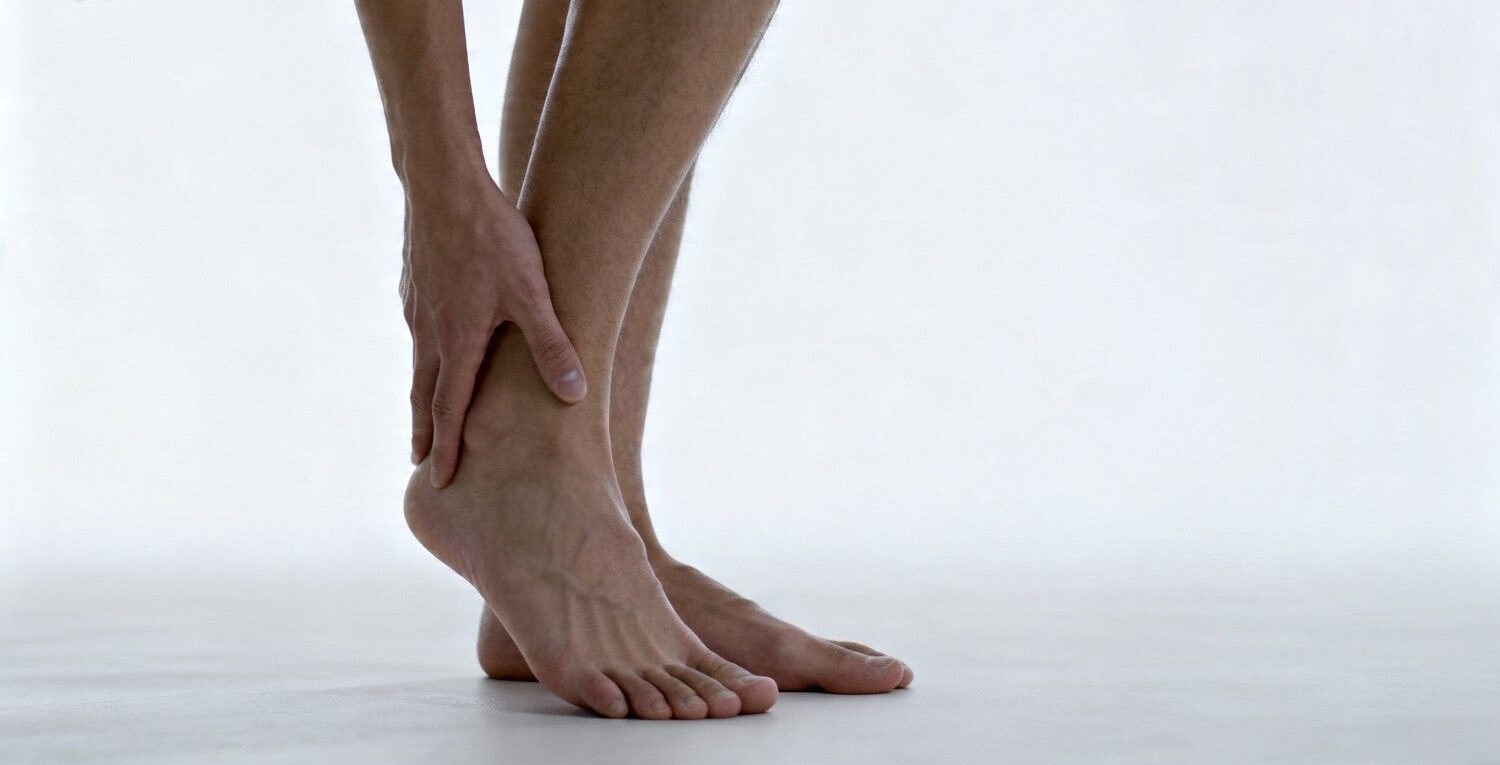
Flat feet pain has a way of creeping in quietly. It might start as a dull ache in your arches after a long day, or a slight soreness in your heels when you first step out of bed. But over time, that discomfort can become harder to ignore—especially if your daily routine keeps you on your feet.
If you’re searching for flat feet pain relief, chances are you’re not just looking for theory. You want something that actually helps—quickly, and without making things worse.
Before jumping into solutions, it’s important to understand what’s really causing the pain. Because with flat feet, the discomfort isn’t random—it follows a pattern.
For the full picture, see our complete flat feet guide.
Quick answer: to calm sore flat feet, take weight off them, cool the sore spot for 10–15 minutes, stretch your calves and the bottom of the foot, and switch to a shoe with a firm base and a supportive insole. Most people feel a difference within a few days. Pain that is sharp, one-sided or does not ease is worth a professional check.
What Is Flat Feet Pain?
Flat feet occur when the arch of the foot collapses or remains very low, causing the entire sole to make more contact with the ground than usual.
At first glance, this might not seem like a problem. But the arch plays a critical role in:
- absorbing shock
- distributing body weight evenly
- stabilizing movement
When that structure is compromised, the foot doesn’t handle pressure efficiently. Instead, stress shifts to areas that aren’t designed to carry it.
This is where flat feet pain relief becomes necessary—not just for comfort, but for proper movement.
The Root Causes of Flat Feet Pain
Flat feet pain doesn’t come from one single issue. It’s usually the result of several factors working together.
1. Arch Collapse and Overpronation
The most direct cause is the flattening of the arch itself.
When the arch collapses:
- the foot rolls inward (overpronation)
- weight shifts unevenly
- muscles and ligaments become overworked
Over time, this creates strain that builds into pain.
If you want a deeper understanding of this movement pattern, see flat feet vs overpronation.
2. Weak or Overworked Foot Muscles
The muscles that support the arch can become weak—or simply overwhelmed by constant pressure.
This leads to:
- reduced support
- faster fatigue
- increased sensitivity to strain
3. Poor Footwear
Shoes without proper support are one of the most common contributors.
Flat, unsupportive shoes:
- allow the arch to collapse further
- provide little shock absorption
- increase strain over long periods
4. Prolonged Standing or Activity
Standing for long hours, especially on hard surfaces, increases pressure on the feet.
Without proper support, the stress accumulates—leading to persistent discomfort.
5. Weight and Load
Additional body weight increases the load placed on the arches.
This doesn’t just affect how the foot feels—it changes how it functions under pressure.
Risk Factors That Make It Worse
Some people are more likely to experience flat feet pain than others.
Common risk factors include:
- naturally low or flexible arches
- occupations that involve long hours standing
- improper footwear over time
- rapid weight gain
- previous foot or ankle injuries
When multiple factors combine, the need for effective flat feet pain relief becomes more urgent.
How Flat Feet Pain Shows Up
Not all flat feet pain feels the same.
Some people experience mild discomfort, while others deal with more persistent or widespread symptoms.
Common signs include:
- aching in the arch or heel
- pain that worsens throughout the day
- stiffness after rest
- fatigue during walking or standing
But the effects don’t always stop at the foot.
Because alignment changes, you may also notice:
- ankle instability
- knee discomfort
- lower back tension
These secondary symptoms are often overlooked—but they’re part of the same chain.
Where Does It Hurt? Find Your Pain
| Where you feel it | What it often means | Read next |
|---|---|---|
| Arch | Overworked arch and ligaments | arch pain explained |
| Heel, worst first thing in the morning | Plantar fascia strain | flat feet and plantar fasciitis |
| After standing for hours | Fatigue from hard floors and long load | flat feet standing pain |
| Knees | Inward rolling passes up the leg | why flat feet cause knee pain |
| Lower back | Alignment changes along the chain | flat feet and back pain |
Why Pain Often Gets Worse Over Time
One of the frustrating things about flat feet pain is how gradual it is.
At first:
- it feels manageable
- it comes and goes
But over time:
- the strain becomes consistent
- recovery takes longer
- discomfort spreads
This happens because the underlying issue—lack of support and alignment—remains unchanged.
When It Becomes More Serious
Flat feet pain isn’t always something to worry about. But there are situations where it signals a deeper issue.
Watch for:
- sharp heel pain (common with flat feet and plantar fasciitis )
- pain that doesn’t improve with rest
- difficulty walking normally
- swelling combined with discomfort
These signs may indicate conditions like plantar fasciitis or tendon strain.
In cases like this, early intervention matters—not just for relief, but for preventing long-term issues.
The Bigger Picture
Flat feet pain isn’t just about the foot itself. It’s about how your body absorbs force, maintains balance, and moves efficiently.
When the arch isn’t doing its job:
- other structures compensate
- strain increases
- discomfort spreads
That’s why flat feet pain relief isn’t about a quick fix—it’s about understanding what your feet actually need.
How to Relieve Flat Feet Pain Fast
Once flat feet pain starts interfering with your day, the focus shifts quickly from “why” to “what can I actually do about it?”
The good news is that flat feet pain relief doesn’t require complicated solutions. In many cases, a combination of simple adjustments and targeted support can reduce discomfort noticeably—sometimes within days.
The key is addressing both pressure and alignment, not just masking the pain.
Start With Immediate Relief Strategies
Before introducing structured support, there are a few simple steps that can reduce pain quickly.
1. Reduce Load on the Feet
If your pain is flaring up, the first step is to reduce stress on the arches.
- Take short sitting breaks if possible
- Avoid prolonged standing on hard surfaces
- Limit high-impact activity temporarily
This gives the foot a chance to recover from accumulated strain.
2. Use Cold Therapy for Inflammation
If there’s soreness or swelling, cold therapy can help.
- Apply an ice pack for 10–15 minutes
- Focus on the arch and heel
- Repeat a few times a day if needed
This doesn’t fix the underlying issue, but it helps calm irritation.
3. Gentle Stretching
Tight muscles often contribute to flat feet pain.
Focus on:
- calf stretches
- plantar fascia stretches (bottom of the foot)
These reduce tension and improve flexibility, which can ease discomfort during movement.
4. Foot Mobility Exercises
Light activation can support the arch without overloading it.
Examples:
- toe curls using a towel
- picking up small objects with your toes
- controlled foot flexing
These help maintain function while the foot is under stress.
A Simple 3-Day Plan for Sore Flat Feet
- Day 1: sit when you can, ice the sore spot for 10–15 minutes twice, and wear shoes with a firm base. Skip barefoot walking and flat sandals.
- Day 2: add 5 minutes of calf stretching and plantar fascia stretching, morning and evening. Keep the ice if it still feels irritated.
- Day 3: add towel toe curls and short arch-activation holds. Start wearing a supportive insole in your daily shoes.
If you feel clearly better after a week, keep the shoe and insole habits and build the exercises up slowly. For the longer-term plan, see our flat feet treatment guide.
When Insoles Start to Help
At some point, rest and basic care aren’t enough—especially if your routine involves daily standing or walking.
This is where insoles come in.
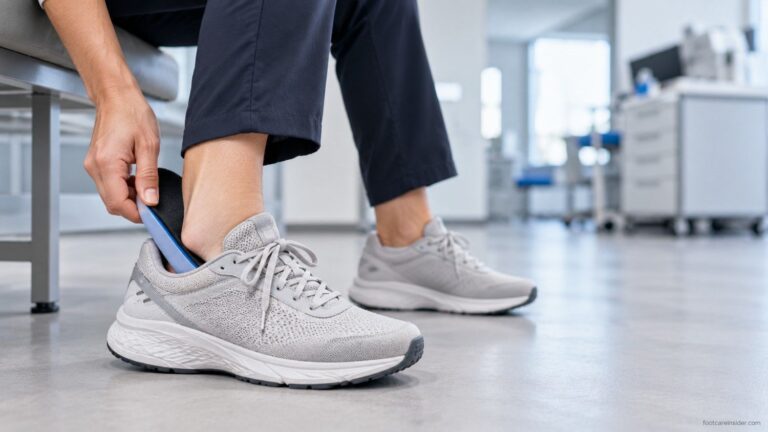
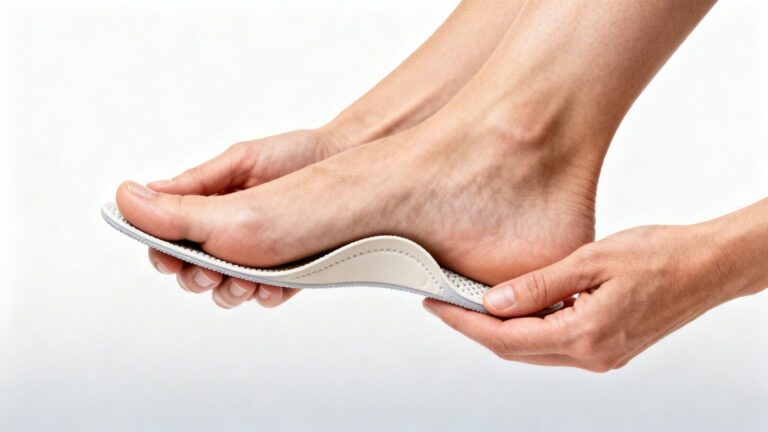
For flat feet pain relief, insoles are not about changing your foot permanently. They’re about:
- redistributing pressure
- supporting the arch during movement
- reducing strain on ligaments and joints
If you want a deeper breakdown of what makes an insole effective, see best insoles for flat feet.
What to Look For in Insoles
Not all insoles provide the same benefit.
For flat feet, focus on:
- moderate arch support (not overly aggressive)
- balanced cushioning (especially heel and forefoot)
- durable materials that don’t compress quickly
Too soft → collapses under pressure
Too firm → uncomfortable over time
The goal is balance.
When They’re Most Effective
Insoles are especially helpful when:
- pain is consistent throughout the day
- standing or walking triggers discomfort
- shoes feel unsupportive
They’re not a last resort—they’re a practical tool when basic adjustments aren’t enough.
Insoles to Start With
Two options that match what sore flat feet need: balanced support with cushioning, and extra shock absorption if you stand on hard floors.
Everyday relief: Moderate Support Insoles – a moderate arch with balanced cushioning, which is what most sore flat feet need first.
Long days on hard floors: Spenco RX – extra cushioning to take the sting out of standing and walking.
When Medical Attention Is Needed
Most cases of flat feet pain can be managed without medical intervention. But there are situations where professional evaluation is important.
Consider seeing a specialist if you notice:
- persistent pain that doesn’t improve
- sharp heel pain (common with plantar fasciitis)
- swelling or inflammation that worsens
- difficulty walking normally
A podiatrist can assess whether additional support or treatment is needed.
Preventing Pain From Coming Back
Relief is one thing. Keeping the pain from returning is another.
Consistency matters more than intensity.
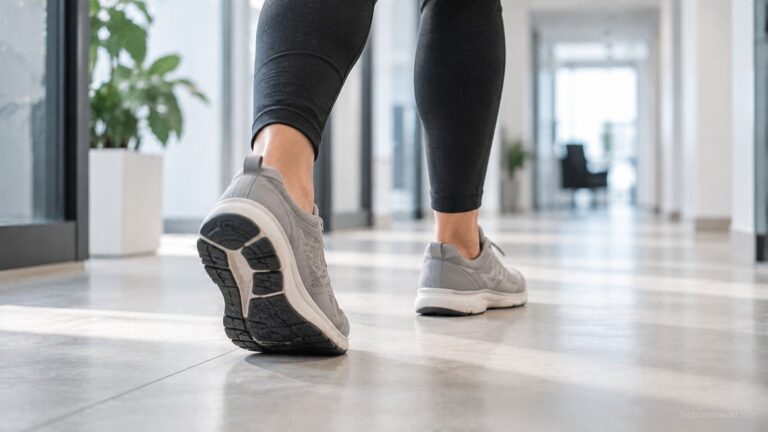
1. Wear Supportive Footwear Daily
Even the best insoles won’t help if the shoe itself lacks structure.
Choose shoes that:
- hold their shape
- support the arch
- provide a stable base
2. Avoid Overloading Your Feet
If your routine involves long hours standing, build in recovery:
- short breaks
- occasional stretching
- switching positions
3. Maintain Foot Strength
Simple exercises done regularly help maintain support:
- arch activation movements
- calf strengthening
- balance exercises
These don’t need to be intense—just consistent.
4. Address Alignment Early
Flat feet often involve inward rolling, which affects the entire body.
Understanding this helps prevent secondary issues. For a clearer explanation, see flat feet vs overpronation.
Pregnancy can also change your arches, so read flat feet during pregnancy if that applies to you.
FAQ
How fast can flat feet pain be relieved?
Some relief can happen within a few days with rest, stretching, and better support. Long-term improvement takes consistency.
Do insoles provide immediate relief?
They can reduce discomfort quickly, especially during walking or standing, but they work best when combined with proper footwear.
Is it better to rest or stay active?
Both matter. Short-term rest helps reduce pain, but gentle movement and strengthening support recovery.
Can flat feet pain go away on its own?
Mild cases sometimes improve, but without support or changes, the underlying issue often remains.
Does walking barefoot help or worsen pain?
On soft surfaces it may feel comfortable, but on hard floors it usually increases strain on the arch.
For more solutions, explore guides for flat feet and foot pain here.
Why are my flat feet sore at the end of the day?
A low arch spreads load less efficiently, so the arch muscles, ligaments and heel tire faster, especially on hard floors. Support, breaks and stretching reduce it.
What is the fastest way to relieve sore flat feet?
Rest from standing, ice the sore area, stretch the calves and the bottom of the foot, and put on a supportive shoe or insole. Together these usually bring relief within a few days.
Should I use ice or heat for flat feet pain?
Ice helps when the foot is sore, swollen or irritated after activity. Gentle warmth can ease stiffness before stretching. If you are unsure, start with ice for short periods.
Educational Takeaway
Flat feet pain relief isn’t about finding one perfect solution—it’s about combining small, effective strategies that work together.
- reduce strain
- support the arch
- improve alignment
- stay consistent
When those elements come together, relief becomes more predictable—and more sustainable.