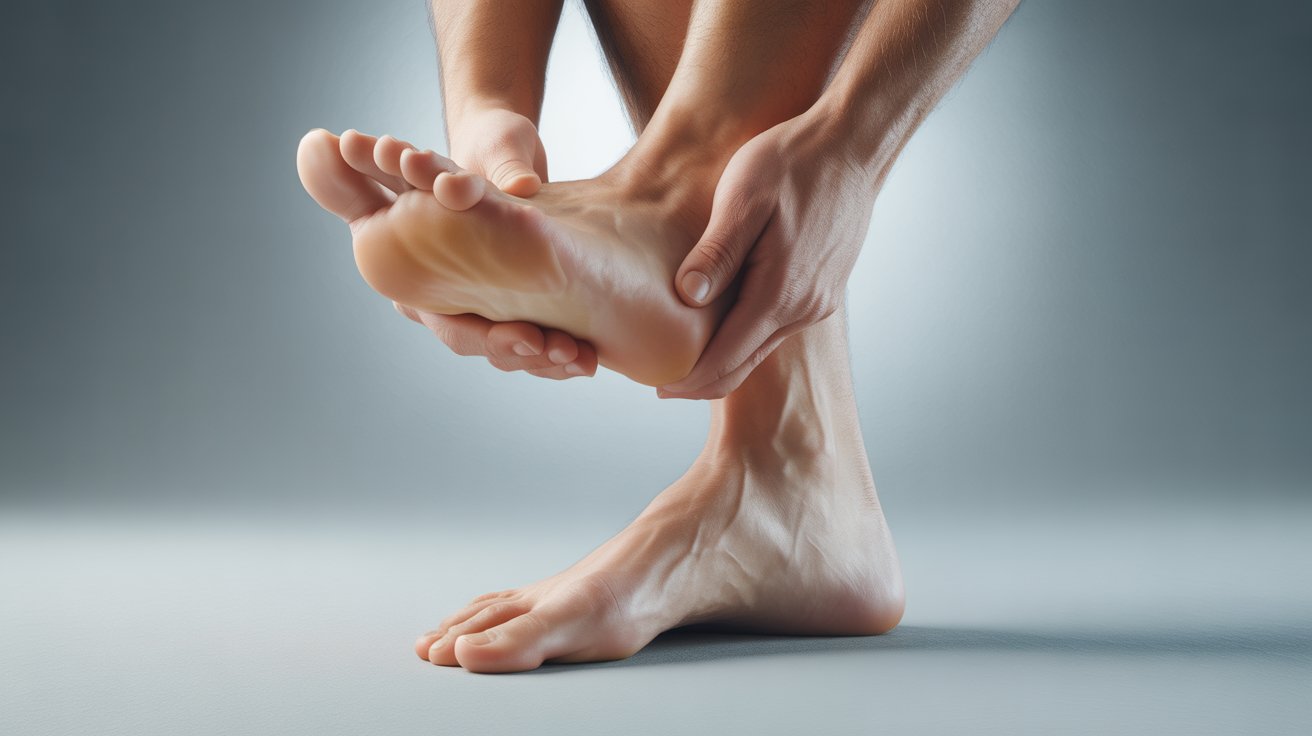
Best Exercises for Flat Feet
If you’ve been dealing with flat feet, you’ve probably noticed how quickly discomfort can build up. It might start as mild fatigue in the arches, then turn into heel pain, stiffness, or even tension that travels up into your knees or lower back. That’s usually when people start looking for solutions—and one of the first things that comes up is flat feet exercises.
But here’s the important part: not all exercises help in the same way, and not all flat feet behave the same.
To understand how exercises can actually make a difference, you need to understand what’s happening inside your foot.
For the full picture, see our complete flat feet guide.
What Are Flat Feet (And Why Do They Cause Pain)?
Flat feet occur when the arch of the foot is low or collapses under weight. Instead of distributing pressure evenly, the foot rolls inward more than it should—a movement often linked to overpronation.
The arch isn’t just there for shape. It plays a key role in:
- absorbing shock
- stabilizing movement
- distributing body weight
When that structure weakens or collapses, other parts of the body compensate. Over time, that leads to strain.
If you want a clearer breakdown of how this movement affects your body, see flat feet vs overpronation.
The Real Cause Behind Flat Feet
Flat feet don’t come from a single issue. In most cases, it’s a combination of structural and functional factors.
1. Weak Intrinsic Foot Muscles
The small muscles inside your foot—often overlooked—help maintain the arch. When they weaken, the arch loses support and begins to collapse under pressure.
2. Tendon Strain (Especially Posterior Tibial Tendon)
This tendon runs along the inside of your ankle and helps support the arch. If it becomes overworked or inflamed, it can no longer stabilize the foot effectively.
3. Ligament Laxity
Some people naturally have more flexible ligaments. While flexibility can be helpful, too much can reduce structural stability in the foot.
4. Poor Footwear Over Time
Shoes without proper support allow the arch to flatten repeatedly. Over time, this reinforces poor movement patterns.
5. Increased Load
Body weight, long hours standing, or high-impact activity all increase stress on the arch. Without support, that stress accumulates.
Risk Factors That Increase the Problem
Not everyone with flat feet experiences pain—but certain factors increase the likelihood.
- long hours on hard surfaces
- physically demanding jobs
- unsupportive footwear
- previous foot or ankle injuries
- aging (reduced tissue elasticity)
When several of these combine, the need for effective flat feet exercises becomes more important.
How Flat Feet Symptoms Can Differ
Flat feet don’t feel the same for everyone. Some people barely notice them, while others deal with ongoing discomfort.
Common symptoms include:
- aching or fatigue in the arch
- heel pain, especially after rest
- tight calves or ankles
- discomfort that worsens throughout the day
But the impact often extends beyond the foot.
Because alignment shifts, you may also experience:
- knee strain
- hip tightness
- lower back discomfort
These are not separate problems—they’re connected through movement.
Why the Pain Builds Over Time
One of the biggest challenges with flat feet is how gradual the discomfort is.
At first:
- it feels manageable
- it comes and goes
Over time:
- recovery takes longer
- pain becomes more consistent
- movement feels less efficient
This happens because the underlying issue—lack of support and muscle control—remains unchanged.
When Flat Feet Become a Bigger Concern
Exercises can help, but they’re not always enough on their own.
You should pay closer attention if you notice:
- sharp or persistent heel pain
- swelling along the inside of the ankle
- difficulty standing or walking normally
- pain that doesn’t improve with rest
These signs may point to conditions like plantar fasciitis or tendon dysfunction.
If symptoms start progressing, it’s worth understanding how support plays a role. See do insoles fix flat feet for a deeper explanation.
Where Exercises Fit In
This is where many people get confused.
Flat feet exercises don’t “rebuild” your arch overnight. Instead, they:
- strengthen supporting muscles
- improve control during movement
- reduce strain on key structures
Think of them as a way to improve how your foot functions—not change its shape entirely.
The Bigger Picture
Flat feet are not just about the arch. They affect how your entire body moves.
When the foot collapses inward:
- alignment shifts
- pressure redistributes
- muscles compensate
That’s why exercises, when done correctly, can make a noticeable difference—not just in your feet, but in how you move overall.
Now that you understand what’s happening inside the foot, the next step is applying that knowledge in a practical way. The goal of flat feet exercises isn’t to “force” an arch into place—it’s to improve strength, control, and how your foot handles pressure during daily movement.
Done consistently, the right exercises can reduce fatigue, improve stability, and help your feet feel more supported throughout the day.
The Most Effective Flat Feet Exercises
These exercises focus on strengthening the muscles that support the arch and improving coordination between the foot and ankle.
1. Short Foot Exercise (Arch Activation)
This is one of the most important exercises for flat feet.
How to do it:
- Stand or sit with your foot flat on the ground
- Gently pull the ball of your foot toward your heel without curling your toes
- Hold for 5–10 seconds
- Repeat 8–10 times per foot
Why it works:
It activates the intrinsic foot muscles responsible for maintaining the arch.
2. Toe Curls (Towel Exercise)
A simple but effective way to build foot strength.
How to do it:
- Place a towel on the floor
- Use your toes to scrunch it toward you
- Repeat for 1–2 minutes
Why it works:
Strengthens the small muscles that stabilize the foot during movement.
3. Heel Raises (Calf + Arch Support)
This targets both the calf muscles and the structures supporting the arch.
How to do it:
- Stand upright
- Slowly rise onto your toes
- Hold briefly, then lower down
- Repeat 10–15 times
Why it works:
Improves ankle stability and supports proper foot mechanics.
4. Toe Spreading
This helps improve control and coordination.
How to do it:
- Sit or stand barefoot
- Spread your toes apart as much as possible
- Hold for a few seconds, then relax
- Repeat 10 times
Why it works:
Encourages better muscle activation and foot awareness.
5. Calf Stretch
Tight calves often contribute to flat feet discomfort.
How to do it:
- Place your hands on a wall
- Step one foot back
- Keep the heel down and stretch the calf
- Hold for 20–30 seconds
Why it works:
Reduces tension that can pull on the foot and worsen alignment.
How Often Should You Do These?
Consistency matters more than intensity.
- 5–10 minutes daily is enough
- focus on controlled movements
- avoid rushing through repetitions
Results don’t happen overnight—but with regular practice, most people notice improvements in comfort and stability.
When Exercises Alone Aren’t Enough
Flat feet exercises improve function—but they don’t always provide immediate relief, especially if your daily routine puts constant stress on your feet.
This is where support becomes important.
When Insoles Can Help
If you experience:
- pain during long hours standing
- discomfort that returns quickly after activity
- fatigue even with exercises
then adding support can make a significant difference.
Insoles work by:
- supporting the arch during movement
- reducing strain on ligaments
- improving alignment
For a deeper breakdown of what to look for, see best insoles for flat feet.
Combining Exercises + Support
The most effective approach is often a combination:
- exercises → improve strength
- insoles → reduce daily strain
This allows your feet to function better while avoiding overload.
When to Seek Medical Advice
In some cases, exercises and basic support may not be enough.
You should consider professional evaluation if:
- pain becomes sharp or persistent
- swelling appears along the inside of the ankle
- walking feels unstable
- symptoms worsen over time
A podiatrist can assess whether additional treatment or custom support is needed.
Preventing Flat Feet Pain From Returning
Once symptoms improve, prevention becomes the priority.
1. Wear Supportive Footwear
Shoes should:
- provide structure
- support the arch
- maintain stability
2. Avoid Long Periods of Unbroken Standing
If your routine requires standing:
- take short breaks
- shift positions regularly
3. Maintain Foot Strength
Continue exercises even after symptoms improve.
Flat feet exercises are not a one-time fix—they’re part of long-term maintenance.
4. Understand Your Movement
Flat feet often involve inward rolling.
If you’re unsure how this affects your body, see flat feet vs overpronation.
For quick steps that ease the ache, see our guide on how to relieve flat feet pain fast.
FAQ
Do flat feet exercises actually work?
They can improve strength, control, and comfort—but they don’t permanently change foot structure.
How long before I see results?
Most people notice small improvements within a few weeks, with consistent practice.
Can exercises replace insoles?
Not always. Exercises improve function, while insoles provide immediate support during daily activity.
Is walking barefoot good for flat feet?
On soft surfaces it may help strengthen muscles, but on hard floors it can increase strain.
Are flat feet always a problem?
Not necessarily. Some people have flat feet without symptoms—but pain indicates a need for support or intervention.
Educational Takeaway
Flat feet exercises are a practical way to improve how your feet function—but they work best when combined with awareness, consistency, and proper support.
- strengthen the right muscles
- reduce daily strain
- support alignment
There’s no single fix—but with the right approach, discomfort becomes manageable and movement becomes more efficient.