Early Warning Signs of Flat Feet (Before Pain Starts)
Most people don’t notice flat feet when they begin. There’s no sudden injury, no sharp pain—just small changes that are easy to ignore. Your feet might feel slightly more tired at the end of the day. Your shoes may wear unevenly. Walking might feel a bit “off,” but not enough to stop you.
That’s exactly why understanding the early signs of flat feet matters. By the time pain shows up, the problem has often been developing for months—or even years.
Catching those early signals gives you a chance to adjust before discomfort becomes part of your daily routine.
If your signs are still mild, our guide to the best insoles for mild flat feet explains what kind of support makes sense at this stage.
For background on the condition itself, read our flat feet guide.
What Are Flat Feet—Really?
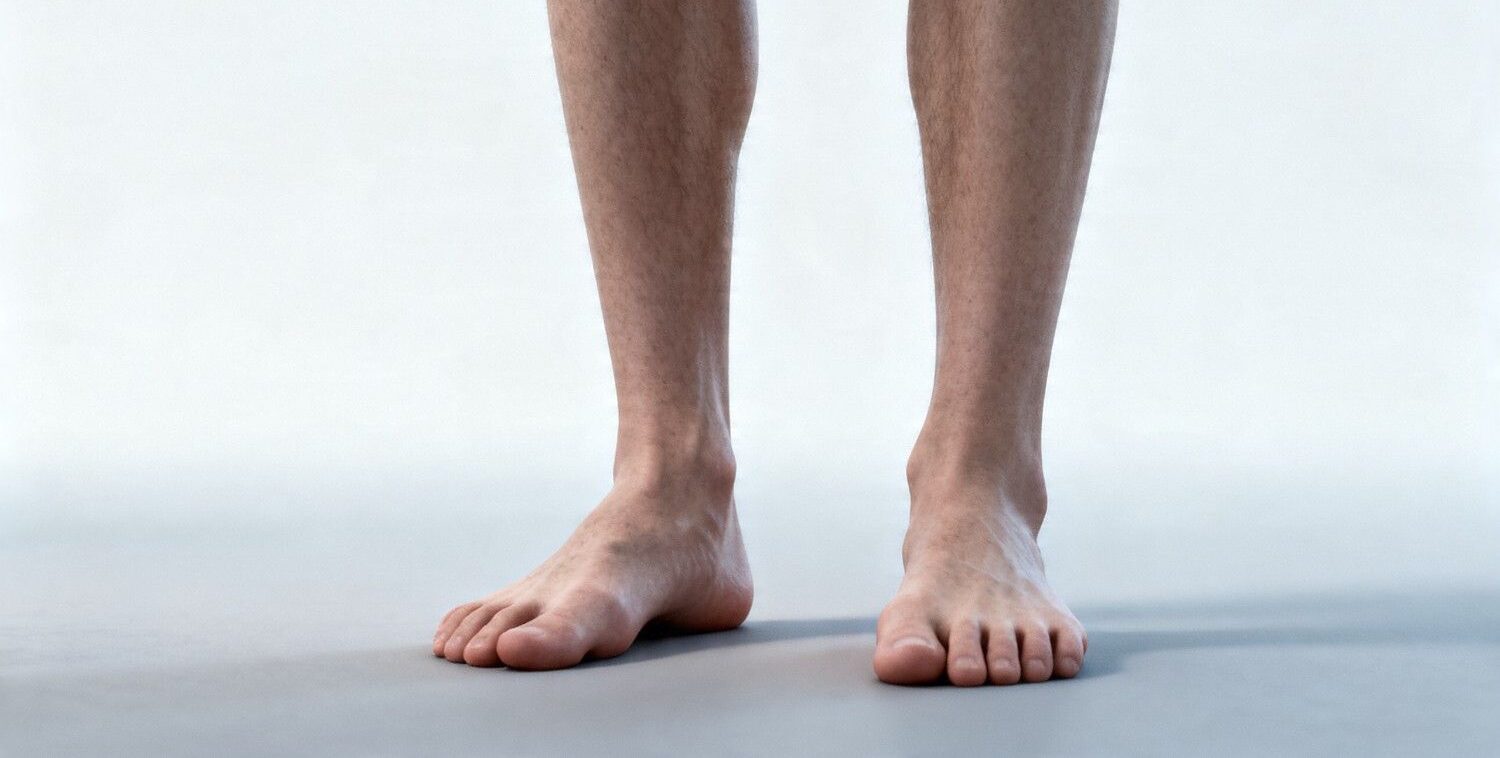
Flat feet occur when the arch of the foot is lower than normal or collapses under weight. Instead of maintaining a natural curve, the foot makes more contact with the ground.
The arch isn’t just structural—it’s functional. It helps:
- absorb shock during movement
- distribute body weight evenly
- stabilize the foot and ankle
When that structure weakens, your foot doesn’t handle pressure efficiently. Over time, this affects alignment throughout the body.
Why Flat Feet Develop Gradually
Flat feet rarely appear overnight. They develop slowly, often without obvious symptoms at first.
The most common underlying causes include:
1. Muscle Weakness
The small intrinsic muscles inside your foot help maintain the arch. When they weaken, the arch loses support and begins to collapse under pressure.
2. Tendon Strain
The posterior tibial tendon plays a key role in holding the arch up. If it becomes overworked or inflamed, it can’t stabilize the foot effectively.
3. Ligament Flexibility
Some people naturally have more flexible ligaments. While this can increase mobility, it can also reduce structural support in the foot.
4. Repetitive Stress
Long hours standing, walking on hard surfaces, or wearing unsupportive shoes can gradually weaken the foot’s support system.
5. Load and Pressure
Body weight and daily activity levels affect how much stress your arches handle. Increased load accelerates structural fatigue.
Early Signs of Flat Feet (Before Pain Appears)
The challenge is that early signs don’t always feel serious. But they’re there—if you know what to look for.
1. Subtle Arch Fatigue
Your feet feel more tired than usual after standing or walking, even if you haven’t changed your routine.
2. Uneven Shoe Wear
The inside edge of your shoes wears down faster than the outside. This is often one of the first visible indicators.
3. Mild Inward Rolling
You may notice your ankles tilt slightly inward when standing or walking.
If you’re unsure what this movement looks like, see flat feet vs overpronation.
4. Reduced Stability
Balance may feel slightly off, especially when standing on one foot or walking on uneven surfaces.
5. Tightness in Calves or Ankles
Flat feet can change how muscles work, leading to subtle tightness even without pain.
6. Shoes Feeling “Less Supportive”
Shoes that used to feel comfortable may start to feel flat or less stable over time.
Why These Signs Are Easy to Miss
Early symptoms are often mild and inconsistent. They don’t interrupt daily life—so they’re easy to ignore.
You might think:
- “I just stood too long today”
- “My shoes are getting old”
- “It’s normal to feel this after walking”
But these small changes often reflect deeper shifts in how your foot is functioning.
How Symptoms Can Differ Between People
Not everyone experiences flat feet the same way.
Some people notice:
- fatigue without pain
Others experience:
- instability first
- changes in walking pattern
And some don’t notice anything until pain develops.
That variation is why recognizing early signs of flat feet is more important than waiting for clear discomfort.
When Early Signs Start Turning Into a Problem
Flat feet become more concerning when those early signals begin to progress.
Watch for:
- fatigue turning into consistent discomfort
- tightness becoming stiffness
- changes in walking becoming noticeable
If ignored, these early signs can lead to conditions like plantar fasciitis or joint strain.
Understanding progression early helps prevent that shift. For a deeper look at how support plays a role, see do insoles fix flat feet.
The Bigger Picture
Flat feet are not just about the arch—they affect how your entire body moves.
When the arch collapses:
- alignment shifts
- pressure redistributes
- other joints compensate
That’s why early signs matter. They’re not just small annoyances—they’re indicators of how your movement is changing over time.
Noticing the early signs of flat feet puts you in a strong position. At this stage, the goal isn’t to “fix” the structure overnight—it’s to support your feet before strain builds into pain.
The approach is simple in principle:
- reduce unnecessary stress
- improve how your foot functions
- support alignment during daily activity
When done consistently, these steps can slow progression and, in many cases, prevent discomfort from developing at all.
What You Can Do Early (Before Pain Starts)
At this stage, small adjustments can make a noticeable difference.
1. Adjust Daily Load on Your Feet
If your feet are already showing signs of fatigue, your current routine may be placing more stress on them than they can comfortably handle.
You don’t need to stop activity—but you can:
- break up long periods of standing
- avoid staying on hard surfaces for too long
- rotate between different shoes
This reduces continuous strain and gives your foot time to recover.
2. Improve Footwear Support
One of the most overlooked factors is shoe structure.
Shoes that lack support allow the arch to collapse repeatedly, reinforcing poor movement patterns.
Look for footwear that:
- maintains its shape
- provides arch support
- stabilizes the heel
Even small improvements here can reduce the impact of early signs of flat feet.
3. Introduce Targeted Foot Exercises
Strengthening the foot helps improve control and stability.
Simple exercises can activate the muscles that support the arch, especially if done consistently.
For a full breakdown, see flat feet exercises.
You don’t need long sessions—just a few minutes daily can support better function over time.
When Insoles Start to Help
At the early stage, many people wonder whether they should wait or start using support.
The answer depends on your daily demands.
When Support Makes Sense
Insoles can help if:
- you spend long hours standing
- your shoes feel less supportive than before
- fatigue returns quickly after activity
They don’t replace muscle strength—but they reduce the load placed on the foot during daily movement.
For a detailed breakdown, see best insoles for flat feet.
What Insoles Actually Do
Insoles work by:
- supporting the arch
- improving pressure distribution
- stabilizing movement
This allows your foot to function more efficiently while reducing strain on surrounding structures.
When Medical Care Is Necessary
Early signs don’t usually require medical intervention—but it’s important to recognize when the situation is progressing.
You should consider professional evaluation if:
- discomfort becomes consistent or sharp
- swelling develops along the inside of the ankle
- walking begins to feel unstable
- symptoms worsen despite rest or support
A podiatrist can assess whether the issue involves tendon strain, structural changes, or other conditions.
Preventing Progression
Once you’ve noticed early signs, prevention becomes your priority.
1. Stay Consistent With Support
Small changes only work if they’re maintained.
That includes:
- wearing supportive shoes regularly
- continuing light exercises
- avoiding long periods of unbroken strain
2. Pay Attention to Movement Patterns
Flat feet often involve inward rolling.
Understanding this helps you adjust how you walk and stand. For more detail, see flat feet vs overpronation.
3. Rotate Footwear
Using the same pair every day increases wear and reduces support over time.
Rotating shoes:
- allows materials to recover
- maintains better structure
4. Don’t Wait for Pain
One of the biggest mistakes is waiting until discomfort becomes severe.
Early signs are your opportunity to act—before recovery becomes more difficult.
FAQ
Can flat feet be prevented if caught early?
You can’t always change foot structure, but you can significantly reduce strain and delay or prevent symptoms with the right approach.
Do I need insoles if I don’t have pain yet?
Not always. But if fatigue or instability is noticeable, support can help prevent progression.
Are early signs reversible?
Some functional improvements are possible, especially with exercises and better support. Structural changes are less likely to fully reverse.
How long does it take to see improvement?
Most people notice small changes within a few weeks of consistent adjustments.
Is walking barefoot helpful?
On soft surfaces, it may help strengthen muscles. On hard surfaces, it can increase strain.
To get the full picture, browse our complete guide collection here.
Educational Takeaway
The early signs of flat feet are subtle—but they’re meaningful.
They tell you that:
- your foot is under increasing stress
- your support system is starting to weaken
- your movement patterns are shifting
Addressing these early signals is far easier than managing pain later.
- improve support
- strengthen key muscles
- stay consistent
That’s how you keep a small issue from becoming a long-term problem.