Flat Feet During Pregnancy: Causes & Relief
Pregnancy changes your body in ways that are both expected and surprising. Some shifts are obvious—like weight gain or changes in posture—while others show up more quietly. One of those is what happens to your feet.
Many women notice their shoes feeling tighter, their arches flattening, or a new kind of foot fatigue that wasn’t there before. If you’ve started experiencing this, you’re not alone. Flat feet during pregnancy are more common than most people realize.
What makes it confusing is that the discomfort often builds gradually. At first, it might just feel like tired feet at the end of the day. But over time, it can turn into persistent arch pain, heel discomfort, or even changes in how you walk.
New to this topic? Start with our flat feet guide.
Understanding why this happens is the first step toward managing it properly.
What Are Flat Feet During Pregnancy?
Flat feet occur when the arch of the foot lowers or collapses, causing more of the sole to come into contact with the ground. During pregnancy, this change can happen even if you’ve never had flat feet before.
This isn’t always permanent—but in some cases, it can be.
What’s important to understand is that flat feet during pregnancy are not just about the foot itself. It’s part of a larger shift in how your body distributes weight and maintains balance.
When the arch flattens:
- the foot rolls slightly inward
- pressure shifts toward the inner side of the foot
- muscles and ligaments work harder to stabilize movement
This change can affect not only your feet, but also your ankles, knees, hips, and lower back.
Why Does Pregnancy Cause Flat Feet?
There isn’t just one reason. It’s a combination of physical and hormonal changes happening at the same time.
1. Increased Body Weight
As pregnancy progresses, your body carries more weight—especially in the later trimesters.
This added load puts extra pressure on the arches. Over time, that pressure can cause the arch to flatten, particularly if the supporting structures aren’t strong enough to maintain shape.
2. Hormonal Changes (Relaxin)
Pregnancy hormones play a major role, especially a hormone called relaxin.
Relaxin helps prepare the body for childbirth by loosening ligaments. But it doesn’t just affect the pelvis—it affects ligaments throughout the body, including those in the feet.
When these ligaments loosen:
- the arch loses structural support
- the foot becomes more flexible
- flattening becomes more likely under pressure
3. Changes in Posture and Balance
As your center of gravity shifts forward, your posture adjusts to compensate.
This often leads to:
- increased pressure on the front of the foot
- subtle changes in walking pattern
- more strain on the arch
Over time, these small adjustments can contribute to the development of flat feet during pregnancy.
4. Fluid Retention (Swelling)
Swelling in the feet is common, especially later in pregnancy.
This can:
- change how shoes fit
- reduce stability
- increase pressure inside the foot
While swelling doesn’t directly cause flat feet, it can worsen the feeling of collapse and discomfort.
Flat Feet by Trimester: What to Expect
- First trimester: hormone levels rise early, and some women already notice softer arches or tired feet, though changes are usually mild.
- Second trimester: weight gain and looser ligaments start to show. This is when many women first notice their arches dropping.
- Third trimester: weight, swelling and a shifted balance peak. Arch pain, heel pain and tired feet are most common now.
These are typical patterns, and every pregnancy is different.
Risk Factors That Increase the Likelihood
Not every pregnant woman develops flat feet. Some factors increase the chances:
- Previous history of flat feet or low arches
- Rapid weight gain during pregnancy
- Standing or walking for long periods
- Wearing unsupportive footwear
- Weak foot or ankle muscles
If more than one of these applies, the risk of experiencing flat feet symptoms during pregnancy becomes higher.
How Symptoms Can Differ
Flat feet during pregnancy don’t feel the same for everyone.
Some experience mild discomfort. Others notice more persistent or widespread issues.
Common symptoms include:
- aching arches, especially after standing
- heel pain or tenderness
- foot fatigue that builds throughout the day
- swelling combined with pressure
- inward rolling of the ankles
In some cases, the discomfort extends beyond the feet.
Because of alignment changes, you might also notice:
- knee discomfort
- hip tightness
- lower back strain
If you’re unsure how alignment plays a role, see flat feet vs overpronation for a clearer explanation of how foot mechanics affect the rest of the body.
When It Becomes More Than Just Discomfort
Mild symptoms are common and usually manageable. But there are times when flat feet during pregnancy may need closer attention.
Watch for signs like:
- persistent or worsening pain
- sharp heel pain (especially in the morning)
- difficulty walking comfortably
- noticeable changes in gait
These can indicate that the foot is under more stress than it can handle.
In some cases, the strain can lead to conditions like flat feet and plantar fasciitis which may continue even after pregnancy if not addressed early.
A Subtle but Important Shift
One of the challenges is that flat feet in pregnancy don’t always feel like a clear injury. It’s gradual. It builds over time. And because it happens alongside so many other changes, it’s easy to overlook.
But the feet play a foundational role in how your body moves and supports itself.
When that foundation shifts—even slightly—it can affect comfort, stability, and overall posture in ways that extend beyond the feet.
Understanding why flat feet happen in pregnancy is one thing. Knowing what to do about it—without overcorrecting or causing new discomfort—is where most people get stuck.
The goal isn’t to “fix” your feet during pregnancy. It’s to reduce strain, improve comfort, and support your body as it adapts.
Let’s walk through what actually helps.
First Line of Support: Simple Daily Adjustments
Before thinking about products or structured support, small changes in daily habits can make a noticeable difference.
1. Choose Supportive Footwear
Shoes matter more than usual during pregnancy.
Look for:
- a stable sole (not overly soft or flat)
- mild arch support built into the shoe
- a secure fit that doesn’t allow excessive movement
Avoid:
- completely flat shoes with no support
- worn-out footwear that no longer holds shape
A good shoe reduces the workload on your arches before anything else is added.
2. Limit Long Periods of Standing
Standing for extended periods increases pressure on the arches, especially when ligaments are already more flexible.
If your day involves standing:
- take seated breaks when possible
- shift weight occasionally
- avoid locking your knees
Even small breaks help reduce cumulative strain.
3. Elevate and Rest When Possible
Swelling and fatigue often go together.
Elevating your feet:
- improves circulation
- reduces pressure
- helps relieve end-of-day discomfort
This won’t correct flat feet—but it makes symptoms more manageable.
4. Gentle Foot Strengthening
Light exercises can support the muscles around the arch.
Examples:
- towel scrunches (using your toes)
- picking up small objects with your toes
- slow calf raises
These help maintain muscle engagement without adding stress.
When Insoles Start to Make Sense
For many women, daily adjustments aren’t enough—especially as pregnancy progresses. This is where insoles become useful.
The key is choosing the right type.
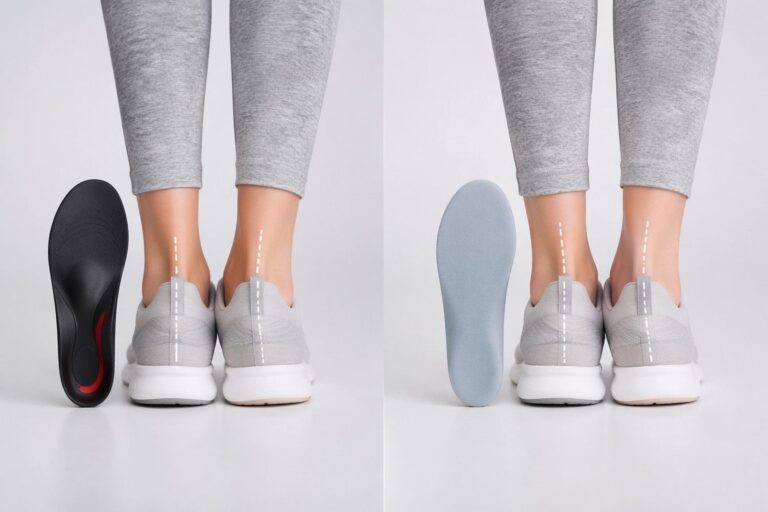
During pregnancy, insoles should:
- provide gentle arch support
- reduce pressure, not create rigidity
- fit comfortably inside everyday shoes
If you want to understand what makes an insole effective in general, see best insoles for flat feet.
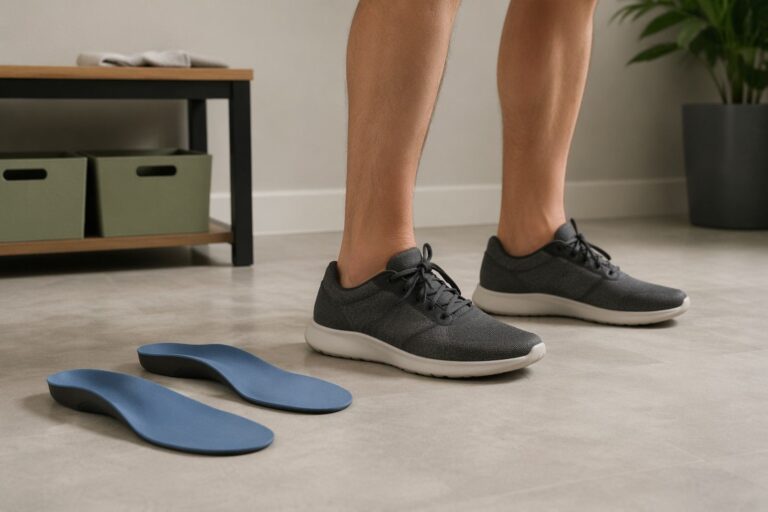
What Insoles Actually Do
Insoles don’t change your foot permanently.
What they do is:
- redistribute pressure across the foot
- support the arch during weight-bearing
- reduce strain on ligaments and soft tissue
This can significantly improve comfort during walking or standing.
When They’re Most Helpful
Insoles tend to help most when:
- foot fatigue becomes consistent
- arch discomfort appears daily
- shoes feel unsupportive even when new
They’re especially useful in the second and third trimesters, when both weight and ligament changes are more pronounced.
What to Avoid
Not all insoles are suitable during pregnancy.
Avoid:
- very rigid orthotics (can feel harsh)
- overly thick inserts that crowd the shoe
- ultra-soft designs with no structure
A balanced design works best—supportive, but not aggressive.
Insole Picks for Pregnancy
A gentle, supportive insole suits most women better than a rigid one. These two fit the guidance above. Check with your midwife or doctor if you have any concerns.
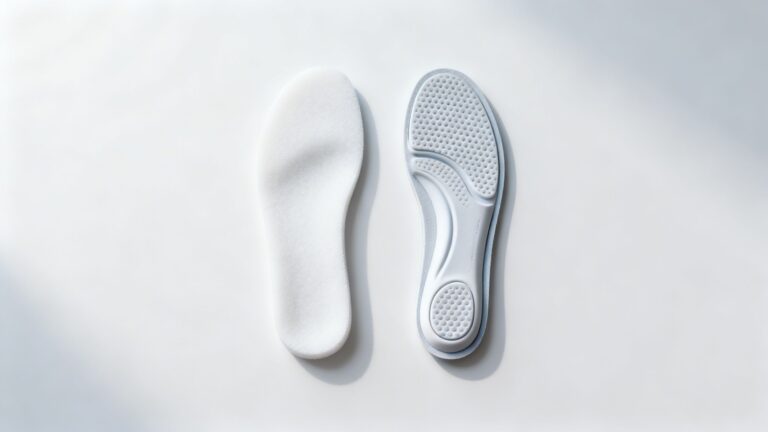
Moderate Support Insoles – balanced cushioning with a moderate arch, supportive without being harsh.
Cushion Insoles – a softer option if tired, tender feet are your main problem and you do not need much arch structure.
When Medical Care Is Worth Considering
Most cases of flat feet in pregnancy are manageable without medical intervention. But there are situations where professional guidance is important.
Consider seeing a specialist if you experience:
- persistent or worsening pain despite support
- sharp heel pain (especially in the morning)
- swelling combined with severe discomfort
- difficulty walking normally
A podiatrist can assess whether additional support or specific treatment is needed.
Why Your Shoe Size May Change
Looser ligaments, extra weight and swelling can make feet longer and wider. Some women find their feet stay half a size or more larger after pregnancy. Try shoes on in the afternoon when feet are at their largest, and leave room for an insole. If your usual shoes now feel tight, see whether insoles make shoes too tight and how insoles should fit.
Swelling: When to Call a Doctor
Mild swelling in the feet and ankles at the end of the day is common in pregnancy. Sudden or severe swelling, especially in the face or hands, or swelling together with a headache, vision changes or upper abdominal pain, can be a sign of a serious condition and needs urgent medical attention. Do not wait to see if it settles.
Preventing Long-Term Changes
One common concern is whether flat feet during pregnancy are permanent.
In many cases, the arch partially recovers after pregnancy. But not always.
To reduce the risk of long-term flattening:
- wear supportive shoes consistently
- avoid prolonged strain on the feet
- use insoles when needed (not just occasionally)
- maintain light foot strength
Consistency matters more than intensity.
The Bigger Picture: Whole-Body Alignment
Your feet don’t work in isolation.
When arches flatten:
- ankles roll inward
- knees shift slightly
- hips adjust to compensate
This chain reaction can lead to discomfort beyond the feet.
If you want a deeper look at how this works, see flat feet vs overpronation.
Understanding this connection helps explain why even mild foot changes can affect overall comfort during pregnancy.
For quick steps that ease the ache, see our guide on how to relieve flat feet pain fast. Foot mechanics can also affect your lower back; see how flat feet lead to back pain.
FAQ
Do flat feet during pregnancy go away after birth?
Sometimes. In many cases, the arch improves after pregnancy, but some degree of flattening can remain—especially if strain was significant.
Are insoles safe to use during pregnancy?
Generally yes. When chosen correctly, insoles provide gentle support and reduce discomfort without interfering with natural changes. If you have a complicated pregnancy or any doubts, check with your midwife or doctor first.
When should I start using insoles?
As soon as you notice consistent discomfort or fatigue. Early support can help prevent symptoms from worsening.
Can flat feet during pregnancy cause back pain?
Yes. Changes in foot alignment can affect posture, which may contribute to lower back discomfort.
Is walking barefoot helpful or harmful?
It depends. On soft surfaces, it may feel comfortable. On hard floors, it often increases strain on the arches.
You can also find all foot care and insole guides here.
Will my shoe size change after pregnancy?
It can. Looser ligaments and extra weight can lengthen and widen the foot, and some women stay up to a size larger. Have your feet measured again after pregnancy.
How long until my arches recover after birth?
Many women see improvement over the months after birth as ligaments tighten and weight changes. If arch or heel pain has not improved after several months, ask a podiatrist to assess your feet.
Educational Takeaway
flat feet pregnancy is not a flaw—it’s a response to the physical and hormonal changes your body is going through.
The key isn’t correction. It’s support and balance.
With the right combination of:
- supportive footwear
- smart daily habits
- and well-chosen insoles when needed
you can reduce discomfort and maintain better alignment throughout pregnancy.
And most importantly, you can do it in a way that respects your body’s natural changes—without overcomplicating the process.