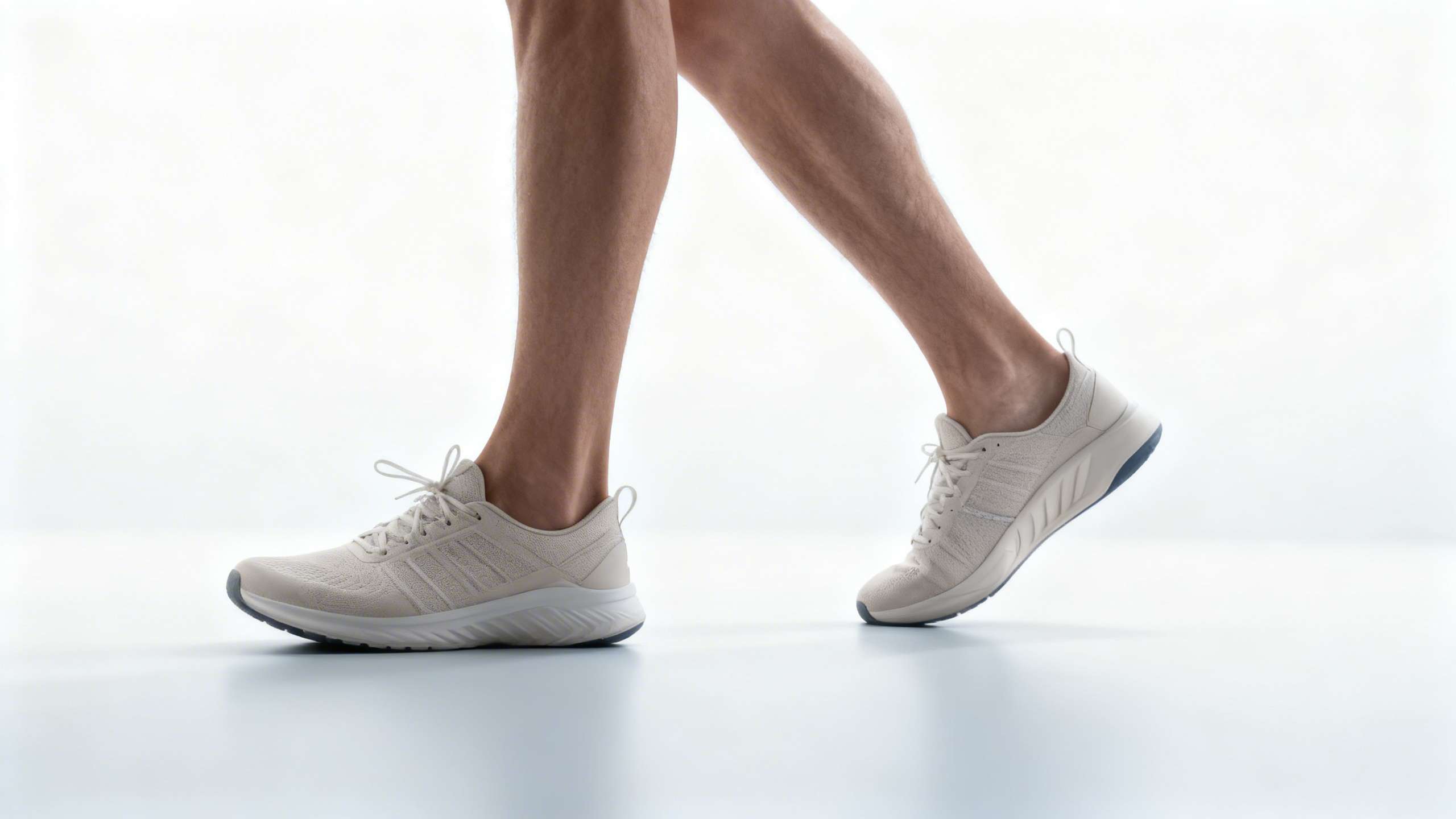
Insoles for Walking — What Actually Makes a Difference?
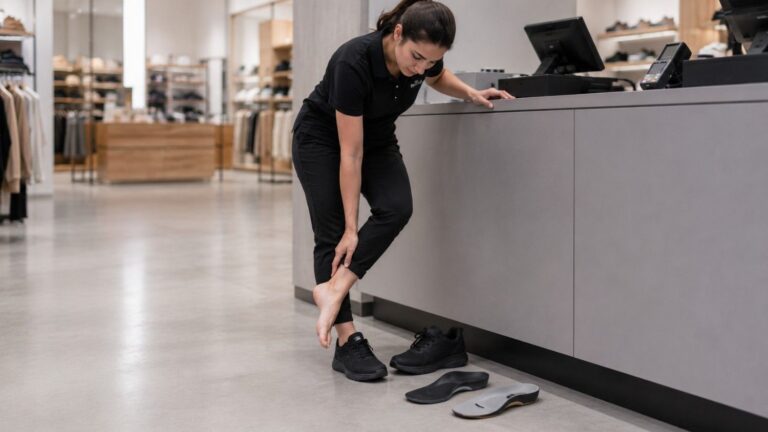
If walking leaves your feet tired, sore, or strangely heavy by the end of the day, you’re not alone. A lot of people assume it’s just part of being active—something you “push through.” But more often than not, the real issue isn’t how much you walk… it’s what’s happening inside your shoes.
The right insoles for walking can completely change how your feet feel. Not just softer—but more stable, more balanced, and far less fatigued after long hours on your feet.
Why Walking Can Become Painful Over Time
Walking is repetitive. Every step sends force through your heel, across your arch, and into your forefoot. Multiply that by thousands of steps a day, and even small imbalances start to matter.
Common issues people experience include:
- Heel soreness after long walks
- Arch fatigue or burning sensation
- Forefoot pressure or numbness
- Knee or lower back discomfort
- General “tired feet” feeling even with good shoes
What’s surprising is that many of these problems don’t come from your shoes alone—but from the lack of proper support inside them.
For walkers with arch collapse or foot fatigue, support becomes essential. Explore best insoles for flat feet for better stability.
Why Standard Insoles Fall Short
Most factory insoles are designed to be as cheap and generic as possible. They’re made to fit everyone… which means they don’t really support anyone properly.
Typical issues with standard insoles:
- Flat and thin construction
- Minimal arch support
- Soft foam that compresses quickly
- Poor shock absorption
- No alignment support
They might feel fine for a short walk. But over time, they allow your foot to collapse slightly with each step. That small collapse leads to uneven pressure, muscle fatigue, and eventually discomfort.
If you’ve ever wondered why your feet hurt even in decent shoes—this is usually why.
If your goal is all-day comfort rather than long-distance performance, our guide to Best Insoles for Daily Walking Comfort compares the best options for everyday use.
What Makes Good Insoles for Walking?
Not all insoles are created equal. The best insoles for walking are designed to support movement—not just cushion it.
Here’s what actually matters:
1. Proper Arch Support
Your arch acts like a natural shock absorber. If it collapses too much, your foot loses stability.
Look for insoles that:
- Match your arch height (low, medium, or high)
- Provide structured—not overly soft—support
- Maintain shape over time
Too soft = no support
Too rigid = discomfort
Balance is key.
2. Shock Absorption
Walking on hard surfaces like pavement or concrete puts repeated stress on your joints.
Good walking insoles:
- Distribute pressure evenly
- Absorb impact at the heel
- Reduce stress on knees and hips
3. Cushioning (But Controlled)
Cushioning is important—but it needs structure behind it.
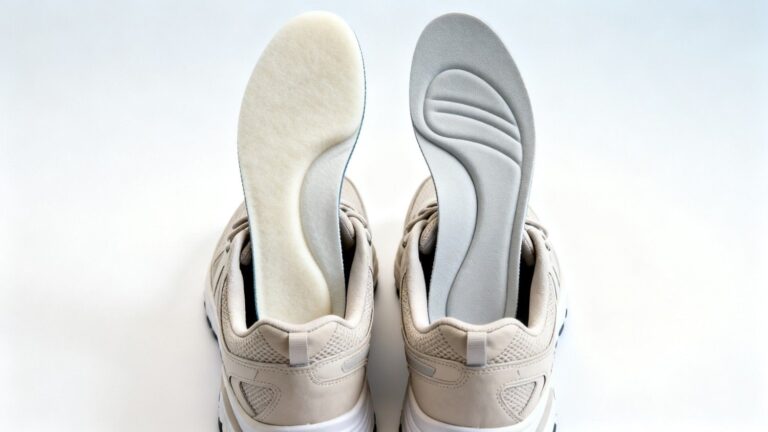
- Memory foam → soft comfort
- Gel → responsive cushioning
- EVA foam → balanced support and durability
If you’re unsure which feel suits you best, see Soft vs Firm Insoles for a deeper breakdown.
4. Heel Stability
A stable heel keeps your foot aligned as you walk.
Look for:
- Deep heel cup
- Firm rearfoot structure
- Minimal side-to-side movement
Without this, even good arch support won’t fully help.
5. Breathability & Comfort
Walking generates heat. Poor ventilation leads to discomfort fast.
Choose insoles with:
- Moisture-wicking top layers
- Breathable materials
- Odor control features
6. Durability
Walking insoles take constant impact.
Quality materials like:
- High-density EVA
- Polyurethane (PU)
- Reinforced arch shells
…last significantly longer than cheap foam inserts.
How to Choose the Right Insoles for Walking
Choosing the right pair doesn’t have to be complicated—but it should be intentional.
Step 1: Understand Your Foot Type
- Flat feet → need structured arch support
- Neutral arches → balanced cushioning
- High arches → more shock absorption
Step 2: Consider Your Walking Routine
- Casual daily walking → moderate support
- Long-distance walking → enhanced cushioning + stability
- Standing/walking all day → durability + pressure relief
For long hours on your feet, you may also benefit from Best Insoles for Standing All Day .
Step 3: Match to Your Shoes
Not all insoles fit all shoes.
- Sneakers → most compatible
- Walking shoes → ideal
- Dress shoes → need thinner profiles
Always remove the original insole if possible for better fit.
Step 4: Identify Your Pain Points
- Heel pain → focus on cushioning + heel cup
- Arch fatigue → structured support
- Ball of foot pain → forefoot padding
Matching the insole to your specific issue makes a noticeable difference.
Why the Right Insoles Change Everything
Walking should feel natural—not like something you recover from at the end of the day.
The right insoles for walking don’t just add comfort. They improve alignment, reduce fatigue, and make movement feel smoother and more efficient.
And once you experience the difference, it’s hard to go back to standard inserts.
Best Insoles for Walking (Types, Comparisons & What to Choose)
Now that you know what actually matters, the next step is choosing the right type of insoles for walking based on how you move, how long you’re on your feet, and what kind of support your body needs.
Not every insole works the same way. Some focus on cushioning, others on alignment, and some try to balance both.
Let’s break it down clearly.
1. Cushioned Insoles — Best for Everyday Comfort
Best for: Casual walking, mild discomfort, general comfort
Cushioned insoles are the most common type. They’re designed to reduce pressure and make each step feel softer.
Why they work:
- Absorb impact from hard surfaces
- Reduce foot fatigue
- Improve overall comfort
Pros:
- Comfortable right away
- Good for daily wear
- Lightweight and flexible
Limitations:
- Limited structural support
- Not ideal for overpronation or flat feet
👉 These are a good starting point if your main goal is comfort rather than correction.
2. Arch Support Insoles — Best for Stability & Alignment
Best for: Flat feet, overpronation, arch fatigue
These are more structured insoles for walking designed to keep your foot aligned during movement.
Why they work:
- Support the arch to prevent collapse
- Improve foot stability
- Reduce strain on knees and hips
Pros:
- Better long-term support
- Helps reduce joint stress
- Ideal for walking longer distances
Limitations:
- May feel firm at first
- Requires short break-in period
👉 If your feet roll inward or feel unstable, this is where you should focus.
For deeper alignment issues, see Insoles for Overpronation .
3. Gel Insoles — Best for Shock Absorption
Best for: Walking on hard surfaces, heel pain
Gel insoles are built to absorb impact and reduce pressure on sensitive areas.
Why they work:
- Disperse shock across the foot
- Reduce heel impact
- Provide responsive cushioning
Pros:
- Great for concrete and pavement
- Comfortable for long walks
- Reduces pressure points
Limitations:
- Less arch support
- Can feel bulky in tight shoes
👉 A solid option if your main issue is heel discomfort or hard ground impact.
4. Orthotic Insoles — Best for Pain Relief & Correction
Best for: Chronic foot pain, plantar fasciitis, alignment issues
Orthotic-style insoles are designed with biomechanics in mind. They focus on correcting how your foot moves—not just cushioning it.
Why they work:
- Provide structured support
- Improve walking mechanics
- Reduce strain across the kinetic chain
Pros:
- Strong support and control
- Helps reduce long-term pain
- Improves posture and alignment
Limitations:
- Higher cost
- Less soft than comfort insoles
👉 If you’ve tried basic inserts and still feel pain, this is the next step.
You can also explore Best Insoles for Plantar Fasciitis for targeted support.
5. Work & All-Day Insoles — Best for Long Hours on Your Feet
Best for: Standing or walking 6–10+ hours per day
These insoles are built for durability and pressure distribution over long periods.
Why they work:
- Combine support + cushioning
- Reduce fatigue from prolonged standing
- Maintain structure under heavy use
Pros:
- Long-lasting
- Reduces foot and leg fatigue
- Suitable for work environments
Limitations:
- Slightly thicker
- May need roomy shoes
👉 Ideal if your daily routine involves constant movement or standing.
How to Choose the Right Type (Quick Guide)
If you’re unsure, use this:
- Comfort only → Cushioned insoles
- Flat feet / instability → Arch support insoles
- Heel pain → Gel insoles
- Chronic pain → Orthotic insoles
- Long workdays → Work insoles
👉 Matching your insole type to your actual need makes the biggest difference.
Walking With Flat Feet: What to Look For
Walking is repetitive and prolonged, so even a small alignment problem can turn into daily discomfort. With flat feet, the arch collapses under pressure, the foot rolls inward, the ankle loses stability, and the body compensates higher up through the knees, hips and lower back.
If your flat feet involve inward rolling, our guide to insoles for overpronation explains how support corrects that pattern. For walking, look for:
- Medium to firm arch support that matches the shape of your foot and does not flatten
- Stability on the inner side of the foot, to guide each step toward neutral
- Cushioning on top of firm support, so it absorbs impact without collapsing
- A deep heel cup to steady the rearfoot
- Durable materials such as EVA or polyurethane, since cheap insoles flatten quickly
Quick guide: pain and fatigue call for firm support, everyday walking for stability insoles, occasional discomfort for moderate support, comfort first for cushion-focused insoles, and tight shoes for low-profile ones. Not sure how soft or firm to go? See soft vs firm insoles for flat feet.
Common Mistakes to Avoid
Even good insoles won’t help if you choose incorrectly.
1. Choosing Soft Over Support
Soft insoles feel good—but often lack structure.
2. Ignoring Your Arch Type
Wrong arch height = poor support.
3. Not Replacing Old Insoles
Most insoles wear out in 6–12 months.
4. Using the Same Insoles for Everything
Walking, running, and standing all day require different support levels.
If your walks turn into longer trail days, read our guide to insoles for hiking.
Frequently Asked Questions
Are insoles for walking worth it?
Yes. The right insoles can significantly reduce fatigue, improve comfort, and support proper alignment.
How long do walking insoles last?
Most last between 6–12 months depending on usage and material quality.
Can insoles help with knee or back pain?
Yes. Proper foot alignment reduces stress on joints higher up the body.
Do I need different insoles for different shoes?
Not always, but having a dedicated pair for frequently used shoes is ideal.
Can I use insoles every day?
Yes. In fact, daily use provides the most benefit over time.
Final Verdict
The best insoles for walking aren’t just about comfort—they’re about support, stability, and long-term foot health.
If you walk occasionally, simple cushioning may be enough.
If you walk daily or deal with discomfort, structured support becomes essential.
The difference is subtle at first—but over time, it’s significant.
👉 Choose based on how you walk, not just how the insole feels in your hand
If your feet roll inward while walking or running, using insoles that correct overpronation can make a big difference.
If you’re unsure which type of support your feet need, this complete guide on how to choose insoles will help you make the right decision.