Soft vs Firm Insoles: Which One Do You Really Need?
Choosing between soft and firm insoles can feel confusing—especially when both claim to reduce pain and improve comfort. The truth is, they serve very different purposes. Understanding how each type works is the key to avoiding wasted money and, more importantly, preventing ongoing foot, knee, or back discomfort.
In this guide, we’ll break down soft vs firm insoles: which one do you really need?—so you can make the right decision based on your daily activity, foot type, and pain level.
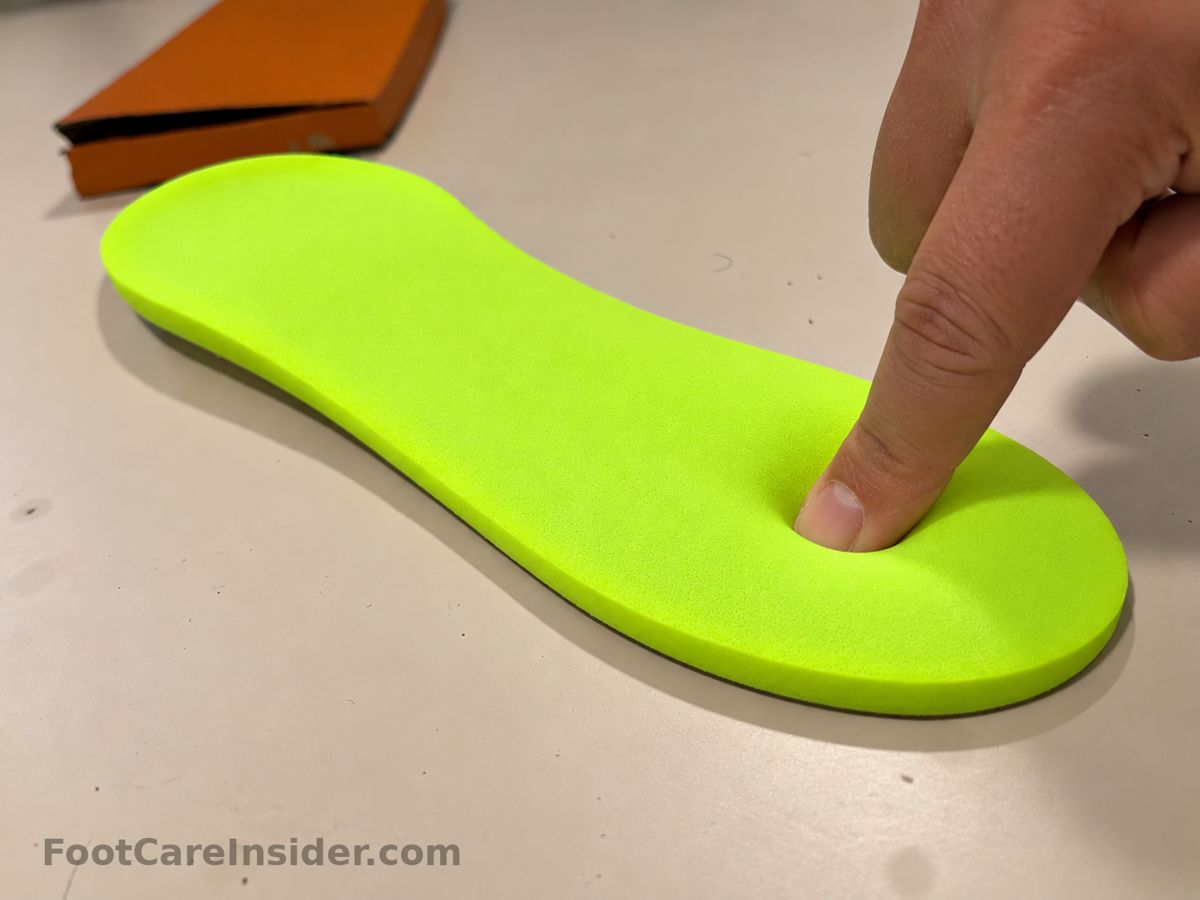
What Are Soft Insoles?
Soft insoles are designed primarily for cushioning and comfort. They absorb impact and reduce pressure on sensitive areas of the foot, especially the heel and forefoot.
Key characteristics:
- Made from memory foam, gel, or low-density foam
- Compress easily under body weight
- Provide a plush, comfortable feel
- Focus on shock absorption, not structure
What they do best:
Soft insoles reduce immediate discomfort, especially if you:
For soft foam options, see the best memory foam insoles.
- Stand occasionally
- Walk on hard surfaces
- Have sensitive or sore feet
They’re often recommended for light daily use or for people who prioritize comfort over correction.
If your main issue is pressure or soreness, you might also benefit from options discussed in insoles for standing all day .
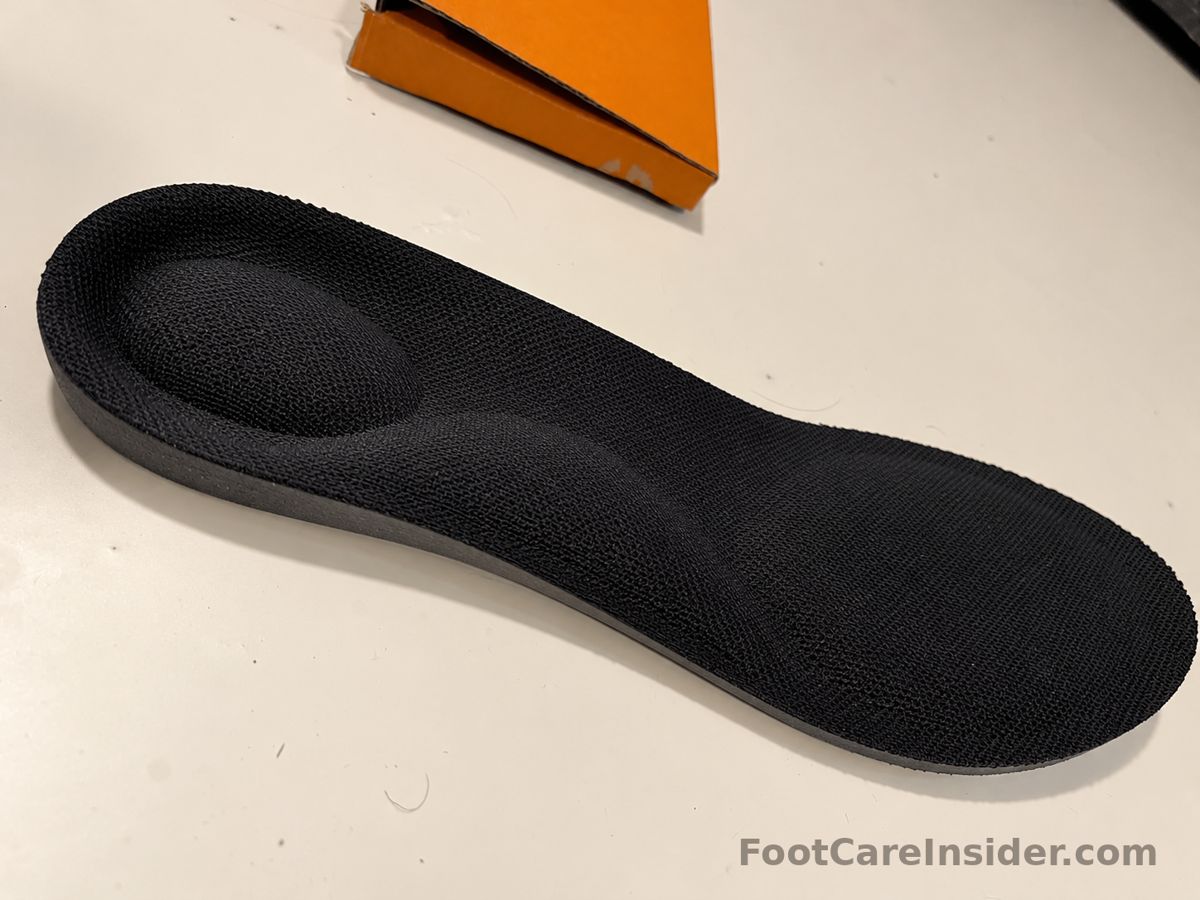
What Are Firm Insoles?
Firm insoles are built for support, alignment, and stability. Instead of compressing under pressure, they hold their shape and guide your foot into a more neutral position.
Key characteristics:
- Made from high-density foam, EVA, TPU, or plastic shells
- Minimal compression
- Structured arch support
- Deep heel cup for stability
What they do best:
Firm insoles help correct biomechanical issues like:
- Overpronation
- Arch collapse
- Poor posture
They’re often recommended for people dealing with chronic pain or structural problems.
If alignment is a concern, you may want to explore insoles for overpronation and alignment support for more targeted solutions.
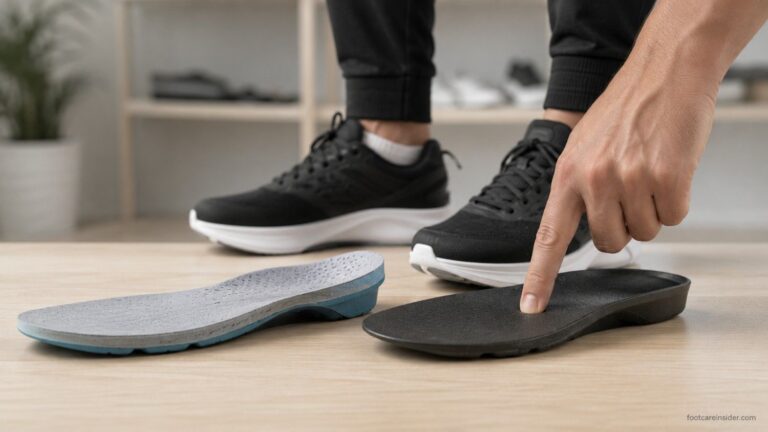
Structural Differences (Soft vs Firm)
The biggest difference between soft and firm insoles lies in how they handle pressure and movement.
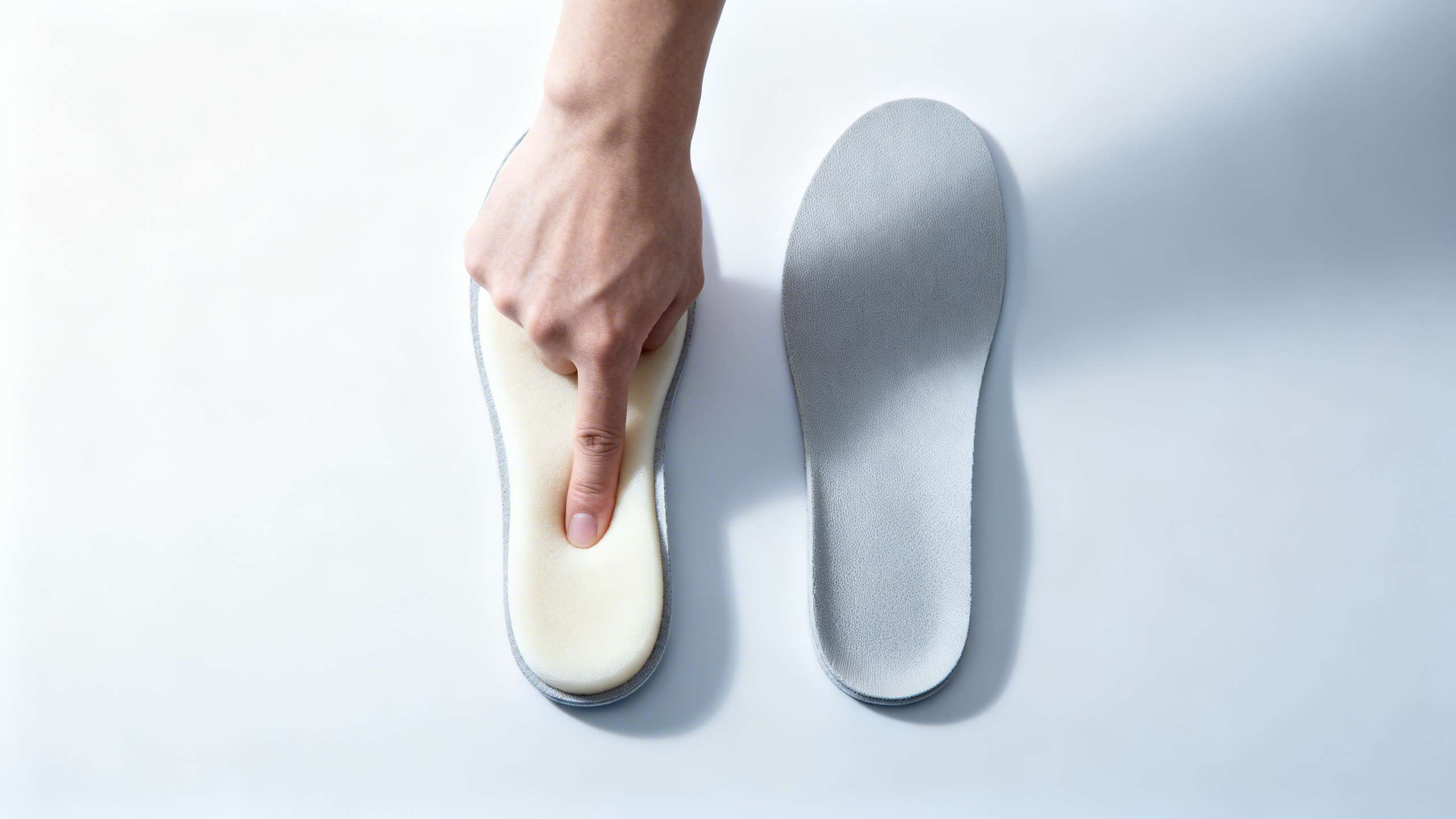
- Soft insoles compress and adapt to your foot shape
- Firm insoles resist compression and guide your foot
This leads to two completely different outcomes:
| Feature | Soft Insoles | Firm Insoles |
|---|---|---|
| Cushioning | High | Low–Moderate |
| Support | Low | High |
| Stability | Low | High |
| Shock absorption | Excellent | Moderate |
| Motion control | Minimal | Strong |
👉 In simple terms:
Soft = comfort
Firm = correction
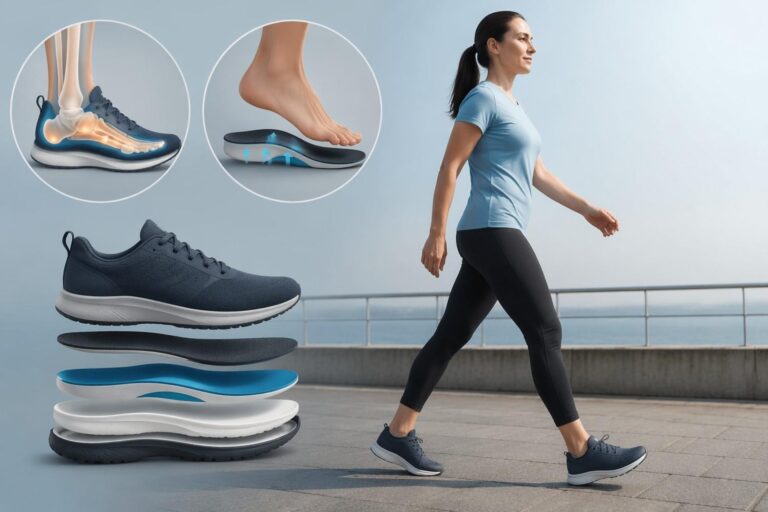
Material & Function Differences
The materials used directly affect performance.
Soft insoles:
- Memory foam molds to your foot
- Gel inserts absorb shock
- Lightweight but compress over time
Firm insoles:
- EVA foam provides structured support
- TPU/plastic adds rigidity
- Designed to maintain shape under pressure
Because of this, firm insoles tend to provide longer-lasting support, while soft insoles prioritize short-term comfort.
Intended Use Cases
Understanding when to use each type is critical.
Soft insoles are best for:
- Light daily walking
- Casual use
- Temporary foot soreness
- Low-impact environments
Firm insoles are best for:
- Long hours standing
- Work on hard floors
- Foot conditions like plantar fasciitis
- Stability and posture correction
For example, if you’re dealing with arch strain, firm support similar to options in insoles for arch pain relief can make a noticeable difference.
Cost Differences
There’s also a pricing difference between the two.
Soft insoles:
- Usually more affordable
- Shorter lifespan (2–4 months)
- May need frequent replacement
Firm insoles:
- Higher upfront cost
- Longer lifespan (6–12 months)
- Better long-term value
👉 While soft insoles seem cheaper, replacing them often can cost more over time.
Foot shape also matters, and those with higher arches may need support for high arches instead of soft cushioning.
When comparing soft vs firm insoles: which one do you really need, it comes down to this:
- Soft insoles = comfort and pressure relief
- Firm insoles = support and long-term correction
In Part 2, we’ll break down:
- Pros and cons of each
- Who should choose what
- Long-term performance
- FAQs and final verdict
Now that you understand the structural and functional differences, let’s go deeper into how soft and firm insoles perform in real-life situations—and which one is actually right for you.
Pros & Cons Breakdown
Soft Insoles
Pros:
- Immediate comfort
- Excellent shock absorption
- Good for sensitive feet
- Lightweight and flexible
Cons:
- Lack of support
- Flatten quickly under weight
- Not suitable for long hours standing
- Can worsen alignment issues over time
Firm Insoles
Pros:
- Strong arch support
- Improve alignment and posture
- Long-lasting durability
- Better for chronic pain conditions
Cons:
- Less cushioning
- Can feel uncomfortable at first
- Higher upfront cost
- Adjustment period required
Who Should Choose Soft Insoles?
Soft insoles are a better fit if you:
- Prioritize comfort over correction
- Have mild or occasional foot pain
- Sit more than you stand during the day
- Need cushioning for short-term relief
They are especially useful in casual shoes or environments where foot strain is minimal.
Who Should Choose Firm Insoles?
Firm insoles are the better choice if you:
- Stand or walk for long hours
- Experience arch pain or heel pain
- Have flat feet or overpronation
- Need better posture and alignment
For people working long shifts, combining firm support with shock absorption—like those discussed in insoles for standing all day —often delivers the best results.
Our picks: Not sure which side you are on? These are the three we would start with.
Cushioned insoles – Soft comfort for tired feet and hard floors, when you do not need correction.
Superfeet Green – A firm, structured arch for long days, arch pain and flat feet.
Powerstep Maxx Support – The middle option: a supportive arch with a layer of cushioning.
Long-Term Durability Comparison
Durability is where firm insoles clearly outperform.
Soft insoles:
- Lose shape quickly
- Compress permanently
- Require frequent replacement
Firm insoles:
- Maintain structure over time
- Resist wear under body weight
- Provide consistent support
👉 Over 6–12 months, firm insoles typically deliver better value and performance.
Common Mistake to Avoid
Many people choose soft insoles because they feel better immediately.
But here’s the issue:
👉 Comfort ≠ Support
Without proper structure, the foot can collapse over time, leading to:
- Increased arch strain
- Knee discomfort
- Lower back issues
If you’re unsure, learning how insoles improve posture and alignment can help you understand why support matters long-term.
Not sure whether you need cushioning or correction? Compare gel vs orthotic insoles.
FAQ
1. Are soft insoles bad for your feet?
Not necessarily. They’re fine for short-term comfort, but they don’t address structural problems.
2. Do firm insoles hurt at first?
They can feel unusual initially. Most people adjust within a few days as the foot adapts.
3. Which is better for plantar fasciitis?
Firm insoles are usually better because they support the arch and reduce strain on the plantar fascia.
4. Can I use both types together?
Some hybrid designs combine cushioning and support, offering a balanced solution.
5. How long do insoles last?
Soft: 2–4 months
Firm: 6–12 months
(Depends on usage and body weight)
Curious how we choose what we write about? See how we pick products.
Final Verdict
When it comes to soft vs firm insoles: which one do you really need, there is no one-size-fits-all answer—but there is a clear guideline:
- Choose soft insoles if you want comfort and light cushioning
- Choose firm insoles if you need support, stability, and long-term relief
👉 For most people dealing with pain, fatigue, or alignment issues, firm insoles are the better long-term investment.
If your feet roll inward while walking or running, using insoles that correct overpronation can make a big difference.