Best Work Boot Insoles for Flat Feet (2026 Guide)
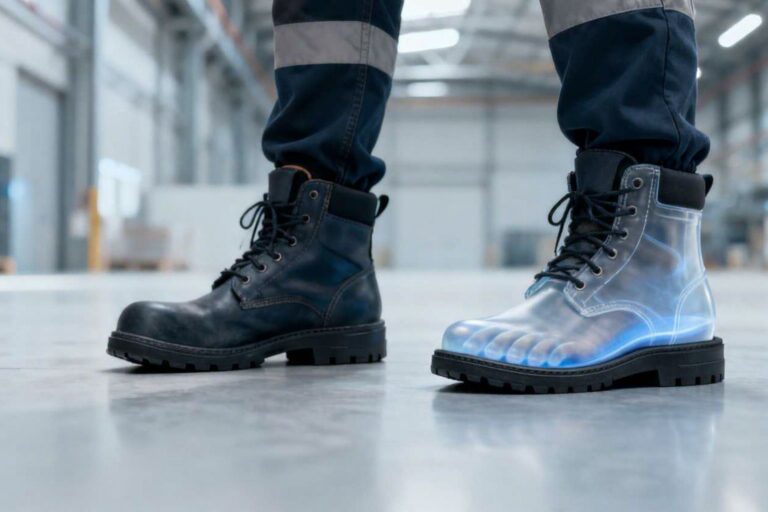
If you’ve ever finished a long shift with aching arches, burning heels, or tired legs, you already know the problem. Work boots are built tough — but not always comfortable, especially if you have flat feet.
Standing on concrete, climbing ladders, or walking all day puts constant pressure on your feet. And when your arches don’t provide natural support, that stress doesn’t just stay in your feet — it travels up to your knees, hips, and lower back.
That’s why so many people start searching for work boot insoles flat feet solutions after dealing with ongoing discomfort. The right insole doesn’t just cushion your foot — it stabilizes it, supports your structure, and helps you get through long workdays with less fatigue.
Why Flat Feet Struggle in Work Boots
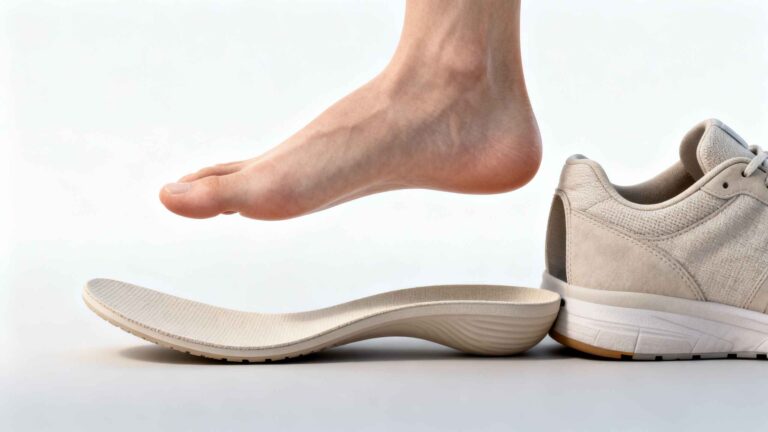
Flat feet (low or collapsed arches) change how your body absorbs impact.
Instead of distributing pressure evenly:
- The foot rolls inward (overpronation)
Many people confuse arch structure with movement patterns, which is why understanding flat feet vs overpronation can help you choose the right type of insole support.
- The arch collapses under load
- The heel and forefoot absorb more stress
Now combine that with:
- Hard surfaces (concrete floors)
- Heavy boots
- Long hours on your feet
The result is a perfect setup for fatigue and discomfort.
For many workers, work boot insoles flat feet aren’t optional — they’re necessary for daily comfort.
Why Standard Work Boot Insoles Fail
Most work boots come with basic inserts. They’re fine for short-term comfort but not built for long shifts or structural support.
If you’re comparing broader options beyond work boots, it’s worth exploring the best insoles for flat feet to see how different designs support various daily activities.
1. They Compress Too Fast
Soft foam feels comfortable at first, but under body weight and hours of standing, it flattens quickly.
2. Lack of Arch Support
Flat feet need structured support. Standard insoles don’t provide enough reinforcement to keep your foot aligned.
3. Poor Shock Absorption
Without proper materials, impact from walking and standing transfers directly to your joints.
4. Limited Durability
Work environments are demanding. Cheap inserts wear out fast and lose effectiveness.
What Actually Matters in Work Boot Insoles for Flat Feet
Choosing the right insole is less about brand — and more about structure and design.
1. Firm Arch Support (Non-Negotiable)
Flat feet need support, not softness.
A proper arch structure:
- Prevents inward rolling
- Improves alignment
- Reduces fatigue
If your foot tends to collapse inward, you may also benefit from insoles for overpronation, which focus on stability and motion control.
2. Shock Absorption That Holds Up
Work environments often involve hard surfaces like concrete or steel.
Look for:
- High-density EVA foam
- Gel inserts in heel areas
- Multi-layer cushioning
The key is impact reduction without collapse.
3. Balanced Firmness
Too soft = compresses quickly
Too hard = uncomfortable
The best work boot insoles flat feet strike a balance:
- Firm base for support
- Cushion layer for comfort
4. Durable Materials
Durability is critical for daily use.
Look for:
- Polyurethane foam
- Reinforced arch plates
- Composite support frames
These maintain structure even after months of use.
5. Deep Heel Cup
A proper heel cup:
- Stabilizes your foot
- Reduces movement inside the boot
- Improves balance
This is especially important for physically demanding jobs.
How to Choose the Right Insole for Your Work Style
Before choosing, think about how you use your boots.
Long Standing Shifts
Focus on:
- Cushioning + arch support
- Pressure distribution
You may also want to compare options with best insoles for standing all day.
Heavy-Duty Work (Construction, Warehouse)
Focus on:
- Durability
- Firm support
- Shock absorption
Walking + Movement Jobs
Focus on:
- Stability
- Flexibility
- Breathability
Foot Behavior Matters Too
- Flat feet only → support + cushioning
- Flat feet + inward rolling → stability insoles
Understanding this difference helps you avoid buying the wrong type.
Simple Buying Framework (Keep It Practical)
When comparing options, ask:
- Will this support my arch or just cushion it?
- Will it last under daily work conditions?
- Does it match my work environment?
- Does it fit my boot without crowding?
If the answer is “yes” across all four — you’re on the right track.
Best Types of Work Boot Insoles for Flat Feet
Not all insoles perform the same under real work conditions. The right choice depends on how demanding your job is, how long you’re on your feet, and how much support your flat feet actually need.
Below are the most effective categories of work boot insoles flat feet users should consider — with clear use cases, strengths, and trade-offs.
1. Structured Orthotic Insoles
These are built for support first, comfort second — and for flat feet, that’s exactly what you want.
They typically include:
- Firm arch support
- Reinforced base
- Deep heel stabilization
Best for:
Workers dealing with fatigue, poor alignment, or inward foot rolling.
Pros:
- Strong arch support
- Improves posture and stability
- Long-lasting under heavy use
Limitations:
- Feels firm at first
- Short break-in period needed
Comparison Insight:
Compared to soft foam, orthotics maintain structure all day instead of collapsing halfway through your shift.
2. High-Density Foam Insoles
These provide a balance between cushioning and support without being overly rigid.
Best for:
Moderate workloads, mixed standing/walking jobs.
Pros:
- Comfortable underfoot feel
- Better durability than standard foam
- Lightweight
Limitations:
- Less support than orthotics
- Can compress over time
Comparison Insight:
Better than basic insoles, but not ideal for very heavy-duty environments.
3. Gel Cushioning Insoles
Gel inserts are designed to absorb impact, especially in high-pressure zones like the heel.
Best for:
Workers standing on concrete or hard surfaces all day.
Pros:
- Excellent shock absorption
- Reduces heel pressure
- Immediate comfort
Limitations:
- Less arch support
- May wear out faster under weight
Comparison Insight:
Gel outperforms foam in shock absorption but lacks structural support for flat feet.
4. Work Boot–Specific Insoles
These are designed specifically for heavy boots and demanding environments.
They often combine:
- Reinforced arch support
- Durable cushioning
- Sweat-resistant materials
Best for:
Construction, warehouse, factory, and industrial jobs.
Pros:
- Built for durability
- Handles heavy loads
- Designed for boot fit
Limitations:
- Slightly heavier
- Can feel firm initially
Comparison Insight:
More durable and stable than general-purpose insoles, making them ideal for long shifts.
5. Stability Insoles for Motion Control
These focus on guiding your foot into a more controlled movement pattern.
Best for:
Flat feet combined with overpronation.
Pros:
- Reduces inward rolling
- Improves balance
- Supports joint alignment
Limitations:
- Less cushioning
- Can feel rigid
Comparison Insight:
If your feet roll inward during work, this type can significantly reduce fatigue and strain.
FAQ: Work Boot Insoles for Flat Feet
Do I really need special insoles for work boots?
If you have flat feet and work long hours standing or walking, yes. Standard inserts don’t provide enough support or durability.
Are soft insoles better for long shifts?
Not usually. Soft insoles compress quickly and lose support. A balanced or firm structure works better long term.
Can insoles help with back or knee pain?
Yes. Proper foot alignment reduces strain on joints, especially during long workdays.
You may also benefit from insoles for knee pain if discomfort extends beyond your feet.
How long do work boot insoles last?
Most high-quality insoles last 6–12 months depending on usage and work intensity.
Do insoles fit all work boots?
Most do, but thicker insoles may require removing the original insert for proper fit.
What’s better: gel or orthotic insoles?
- Gel → better for shock absorption
- Orthotic → better for structure and alignment
For flat feet, orthotic support is usually more important.
Final Verdict
The best work boot insoles flat feet users can choose depend on their work demands and foot behavior.
- For maximum support → structured orthotics
- For balanced comfort → high-density foam
- For impact reduction → gel cushioning
- For tough environments → work boot–specific insoles
- For alignment issues → stability insoles
Flat feet don’t have to make long workdays painful. With the right insole, you can improve comfort, reduce fatigue, and maintain better alignment throughout your shift.
If your main issue is alignment rather than just cushioning, understanding how support works can make a significant difference in long-term comfort and injury prevention.