Insoles for Sweaty Feet
Why Your Feet Sweat — And Why Most Insoles Make It Worse
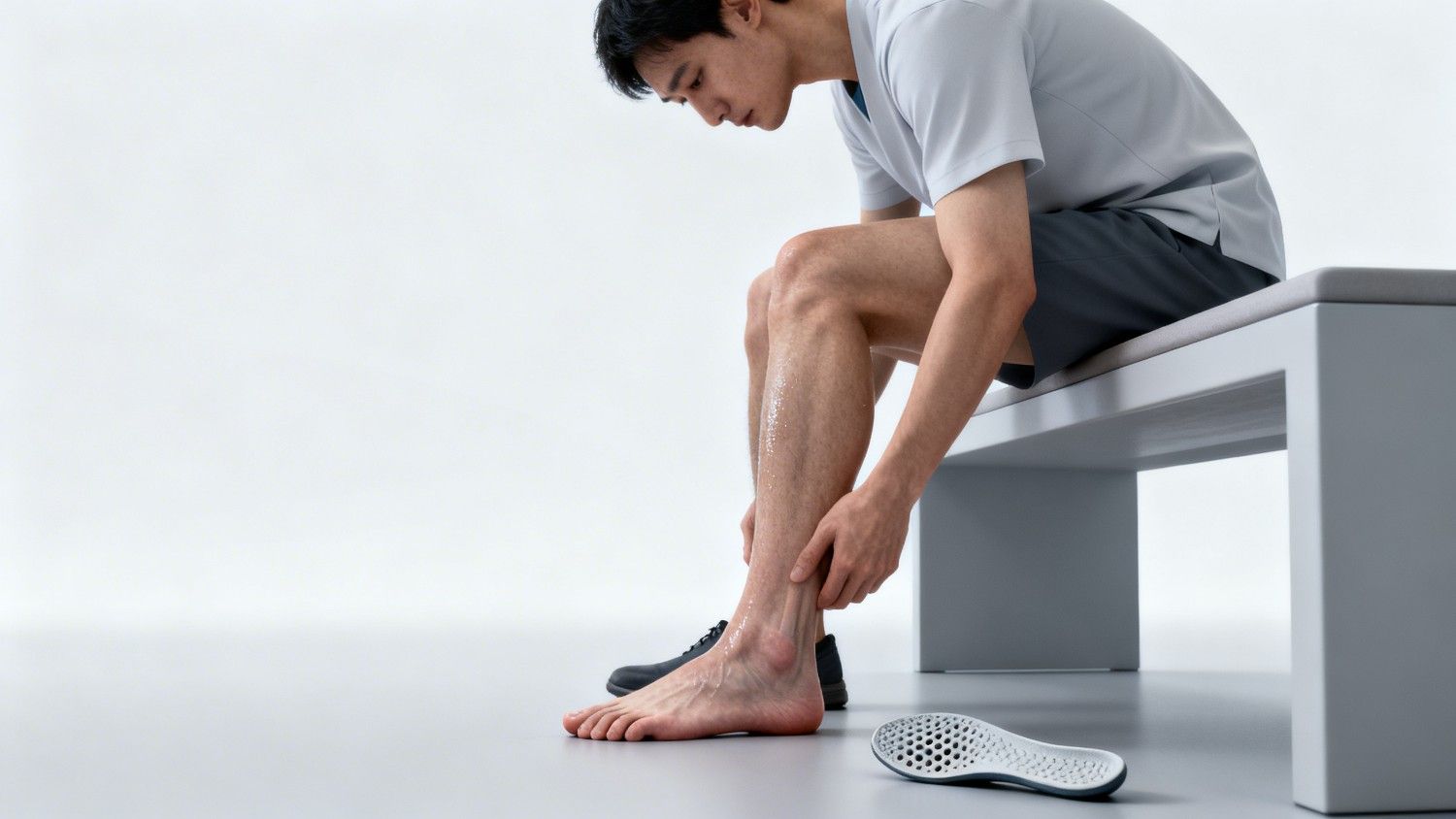
If your shoes feel damp halfway through the day, you’re not alone. Sweaty feet are one of those problems people ignore until it turns into something bigger — odor, discomfort, slipping inside shoes, even skin irritation.
And here’s the frustrating part:
Most people try to fix it with the wrong type of insole.
They go for something soft, cushioned, or cheap… and end up making the problem worse.
The truth is, choosing the right insoles for sweaty feet isn’t about comfort alone. It’s about controlling moisture, improving airflow, and preventing bacteria buildup — all while still supporting your feet properly.
What Causes Sweaty Feet in the First Place?
Your feet have more sweat glands than almost any other part of your body. That’s normal. The issue starts when:
- Heat gets trapped inside your shoes
- Moisture has nowhere to go
- Air circulation is limited
That combination creates the perfect environment for:
- Odor-causing bacteria
- Slippery foot movement
- Skin irritation or blisters
If you’re active, on your feet all day, or wearing tight shoes, it gets worse fast.
Why Standard Insoles Fail Completely
Most factory insoles (the ones that come with your shoes) are not designed for moisture control.
They’re usually:
- Thin
- Flat
- Made from basic foam
- Poor at absorbing or releasing moisture
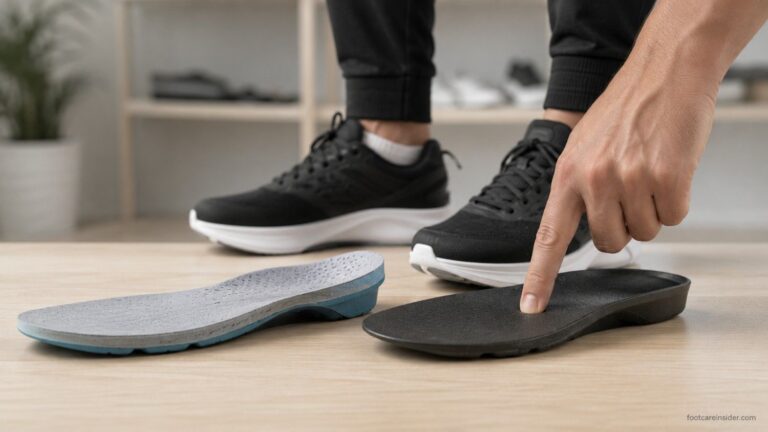
Even worse, many popular aftermarket insoles focus only on cushioning.
Soft foam + trapped heat = more sweating, not less
If you’ve ever worn memory foam insoles and noticed your feet getting hotter during the day, that’s exactly why.
They:
- Hold moisture
- Trap heat
- Break down quickly
This is similar to what happens when choosing the wrong structure — something covered in soft vs firm insoles where softness alone doesn’t solve functional problems.
What Actually Works (Key Features to Look For)
When choosing the best insoles for sweaty feet, you need to think beyond softness.
Here’s what really matters:
1. Breathable Materials
This is the foundation.
Look for:
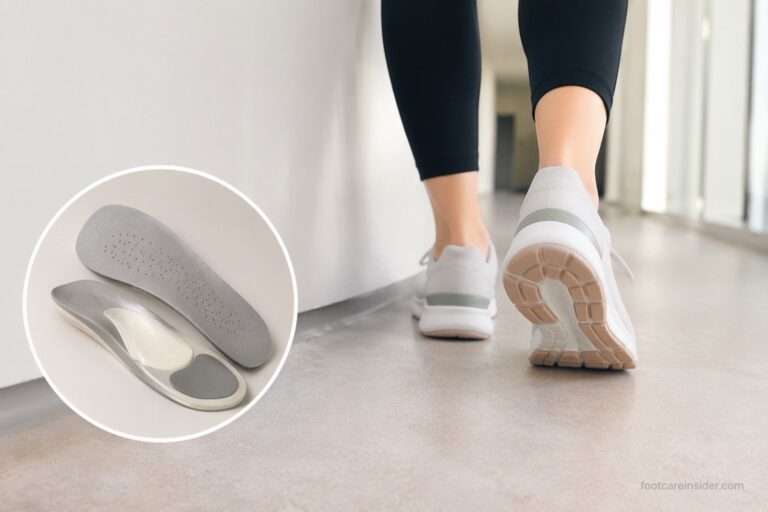
- Mesh top layers
- Perforated designs
- Open-cell foam
These allow air to circulate and moisture to escape instead of getting trapped.
Without breathability, even the best cushioning won’t help.
2. Moisture-Wicking or Antimicrobial Layers
Good insoles don’t just absorb sweat — they manage it.
Key features:
- Sweat-wicking fabric
- Activated charcoal layers
- Antibacterial coatings
These help:
- Reduce odor
- Prevent bacterial growth
- Keep your feet feeling dry longer
If odor is already an issue, this becomes non-negotiable.
3. Proper Arch Support
This is where many people make a mistake.
They focus only on sweat and ignore support.
But here’s the thing:
👉 When your foot lacks support, it moves more inside the shoe
👉 More movement = more friction = more sweating
That’s why good insoles for sweaty feet should still provide:
- Arch support
- Stability
- Proper weight distribution
For example, alignment issues like those explained in best insoles for overpronation can increase pressure and heat buildup.
4. Controlled Cushioning (Not Too Soft)
Too soft = heat trap
Too firm = uncomfortable
You want:
- Moderate cushioning
- Responsive material
- No excessive compression
Balanced cushioning helps reduce impact without sealing in heat.
5. Odor Control Technology
Sweat itself doesn’t smell — bacteria does.
Look for:
- Activated carbon
- Silver-ion treatment
- Antimicrobial fabric
These prevent odor from developing even after long wear.
6. Durability (Very Important)
Cheap insoles break down quickly.
When they flatten:
- Airflow decreases
- Moisture control weakens
- Support disappears
High-quality insoles maintain:
- Structure
- Breathability
- Performance over time
How to Choose the Right Insoles (Simple Framework)
Instead of guessing, use this step-by-step approach:
Step 1: Identify Your Main Problem
Ask yourself:
- Is it mostly sweat?
- Or sweat + odor?
- Or sweat + foot pain?
Your answer determines the type of insole you need.
Step 2: Match Your Daily Activity
Different lifestyles need different solutions:
- Standing all day → need support + airflow
- Walking a lot → need cushioning + moisture control
- Sports use → need stability + ventilation
If you’re on your feet constantly, something like insoles for standing all day may also apply.
Step 3: Check Your Shoe Type
Tight shoes = less airflow
So your insoles should:
- Be thinner if space is limited
- Have ventilation channels
- Not overcrowd the shoe
Step 4: Balance Comfort and Function
This is the most important part.
Don’t fall for:
- “ultra soft” marketing
- thick memory foam
- overly plush designs
Instead, aim for:
👉 Breathability + support + moderate cushioning
The Real Goal
The goal isn’t just to stop sweat.
It’s to:
- Keep your feet dry
- Reduce odor
- Improve comfort
- Maintain proper foot alignment
The right insoles for sweaty feet do all of this together — not just one piece.
Best Types of Insoles for Sweaty Feet (Detailed Breakdown + Verdict)
Now that you know what actually matters, let’s break down the best types of insoles for sweaty feet based on real-world use — not marketing claims.
Each category below serves a different need. The goal is to match the type to your situation.
1. Breathable Mesh Insoles (Best Overall Balance)
These are the most versatile insoles for sweaty feet because they focus on airflow first, without sacrificing comfort.
What they are:
- Mesh or fabric top layer
- Ventilation channels or perforations
- Lightweight foam base
Best for:
- Daily wear
- Walking
- Mild to moderate sweating
Why they work:
They allow air to circulate inside your shoe, which helps moisture evaporate instead of building up.
Pros:
- Lightweight and breathable
- Comfortable for all-day use
- Good moisture control
- Affordable
Limitations:
- Not ideal for severe sweating
- Less support compared to structured insoles
👉 If your main issue is heat and mild moisture, this is usually the safest starting point.
2. Charcoal & Odor-Control Insoles (Best for Smell + Sweat)
If odor is your biggest concern, this category is designed specifically for that.
What they are:
- Activated charcoal layers
- Antimicrobial fabric
- Moisture-absorbing core
Best for:
- Strong foot odor
- Long work hours
- Closed shoes (boots, work shoes)
Why they work:
Charcoal absorbs both moisture and odor molecules, reducing the environment where bacteria thrive.
Pros:
- Excellent odor control
- Good moisture absorption
- Helps keep shoes fresher
Limitations:
- Less breathable than mesh designs
- Can feel slightly heavier
- May need replacement more often
👉 Ideal if your problem is not just sweat — but the smell that comes with it.
3. Perforated Support Insoles (Best for Sweat + Stability)
This is where performance and structure come together.
What they are:
- Firm or semi-rigid base
- Perforated surface for airflow
- Built-in arch support
Best for:
- People with flat feet or overpronation
- Long periods of standing
- Moderate to heavy sweating
Why they work:
They combine airflow with structure. Instead of letting your foot collapse (which increases heat), they stabilize it.
This is especially useful if your sweating is made worse by foot movement or poor alignment — something often connected to insoles for flat feet.
Pros:
- Strong support + airflow
- Reduces friction inside the shoe
- Helps prevent fatigue
Limitations:
- Slightly firmer feel
- Higher cost
- May need break-in period
👉 This is one of the best options if you want both dryness and support, not just comfort.
4. Gel Hybrid Insoles (Best for Cushion + Moisture Control)
Gel insoles get a bad reputation — but hybrids can actually work well if designed correctly.
What they are:
- Gel cushioning zones
- Breathable top fabric
- Layered construction
Best for:
- Walking or light activity
- People who want extra cushioning
- Mild sweating
Why they work:
The gel absorbs impact, while the top layer helps manage moisture.
Pros:
- Good shock absorption
- Comfortable for daily wear
- Reduces pressure points
Limitations:
- Can trap heat if poorly designed
- Less breathable than mesh
- Not ideal for heavy sweating
👉 These are a middle-ground option — comfort-focused, but still functional if airflow is included.
5. High-Performance Sports Insoles (Best for Active Use)
If your feet sweat mostly during workouts or running, this category is built for that.
What they are:
- Lightweight, breathable materials
- Moisture-wicking top layer
- Reinforced support zones
Best for:
- Running
- Gym workouts
- High-impact activity
Why they work:
They’re designed to handle heat, friction, and movement at the same time.
If you’re active, something similar to what’s discussed in insoles for running becomes essential — especially to prevent slipping inside your shoe.
Pros:
- Excellent moisture management
- Designed for movement
- Durable under stress
Limitations:
- Not always ideal for casual use
- Higher price range
- Less cushioning than lifestyle insoles
👉 Best choice if your sweating is activity-driven rather than all-day constant.
Frequently Asked Questions
Do insoles actually reduce sweaty feet?
Yes — the right insoles for sweaty feet improve airflow, absorb moisture, and reduce bacterial buildup. Poor insoles do the opposite.
Are memory foam insoles good for sweaty feet?
Usually not. They tend to trap heat and moisture, making sweating worse over time.
How often should I replace sweat-control insoles?
Typically every 4–6 months, depending on use. Odor-control insoles may need replacing sooner.
Can insoles completely stop foot odor?
They can significantly reduce it, especially if they include antimicrobial or charcoal layers — but hygiene and breathable shoes also matter.
Should I choose soft or firm insoles for sweaty feet?
It depends. Balanced support is key. Purely soft insoles often trap heat, while structured ones improve airflow and stability.
Final Verdict: What Should You Choose?
There’s no one-size-fits-all answer — but there is a clear direction.
If you want the safest and most effective option:
👉 Go for breathable insoles with moisture control AND proper support
Here’s a simple guide:
- Mild sweat → breathable mesh insoles
- Sweat + odor → charcoal insoles
- Sweat + pain/alignment → perforated support insoles
- Active lifestyle → sports insoles
The biggest mistake is choosing softness over function.
The best insoles for sweaty feet don’t just feel good — they solve the problem at its source.