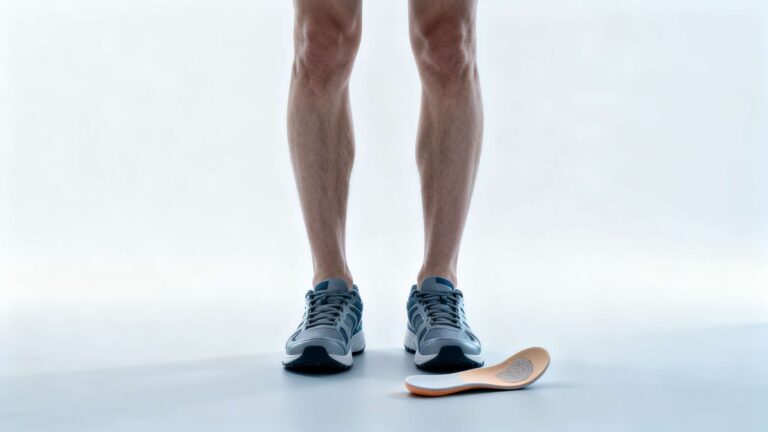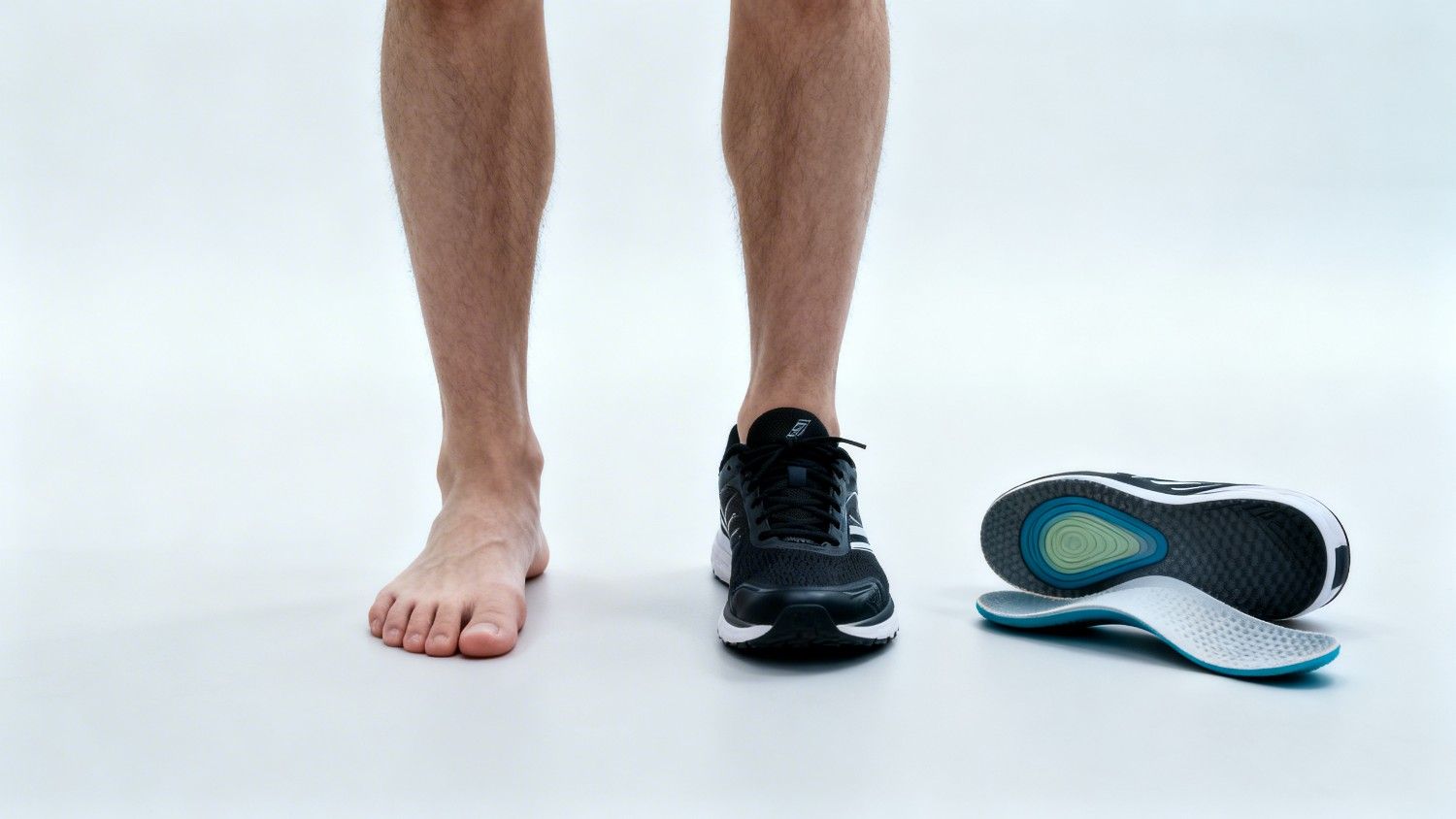
Best Insoles for Flat Feet in Sneakers
Flat feet can turn even the most comfortable sneakers into a daily source of fatigue. What starts as mild discomfort often builds into sore arches, aching heels, and even knee or lower back tension after long hours on your feet. If you’ve ever taken off your sneakers at the end of the day and felt immediate relief, you already know something isn’t working inside your shoes.
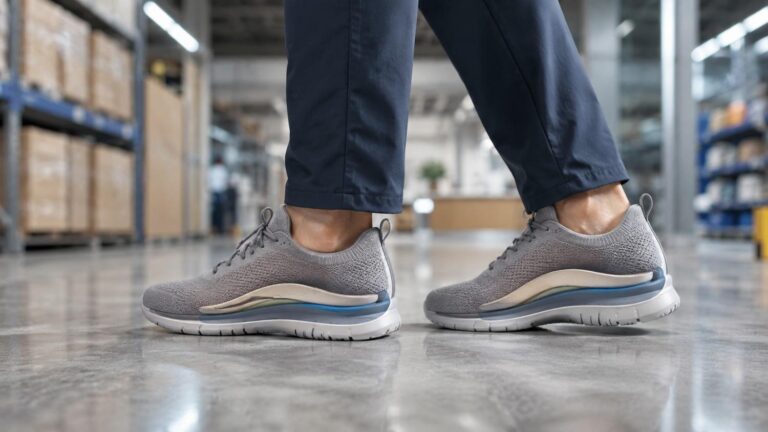
That’s where choosing the right sneaker insoles flat feet solution becomes important. Sneakers are designed for versatility and style—but not always for proper arch support. Without that support, your foot can collapse inward slightly with every step, leading to overpronation, instability, and uneven pressure distribution.
This guide will help you understand why that happens, what actually fixes it, and how to choose insoles that work specifically inside sneakers.
Why Flat Feet Feel Worse in Sneakers
Sneakers are often marketed as “comfortable,” but comfort and support are not the same thing.
Most sneakers come with thin, soft factory inserts. These inserts are designed to feel good for a short time—not to support your foot structure long-term. For people with flat feet, this creates a problem.
When the arch lacks support, the foot tends to roll inward during walking or standing. Over time, this leads to:
- Increased pressure on the inner foot
- Heel strain and fatigue
- Reduced shock absorption
- Misalignment affecting knees and hips
Sneakers, especially casual or lifestyle shoes, rarely correct this movement. That’s why many people start looking for sneaker insoles flat feet after noticing persistent discomfort despite wearing “comfortable” shoes.
Why Standard Insoles Don’t Work
The inserts that come with most sneakers fail for three main reasons.
1. They’re Too Soft
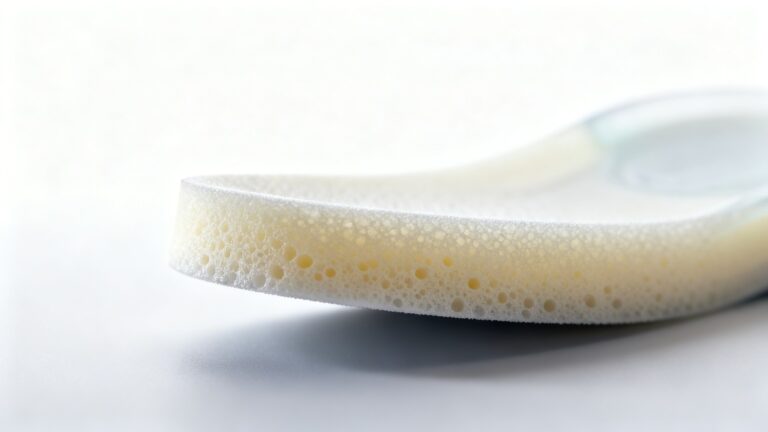
Soft foam feels pleasant at first but compresses quickly under body weight. Once flattened, it no longer absorbs shock or provides meaningful support.
2. Lack of Arch Structure
Flat feet require structured support, not just cushioning. Standard insoles typically lack reinforcement in the arch area, allowing the foot to collapse inward.
3. Poor Durability
Generic inserts wear out fast, especially with daily walking. This leads to inconsistent support and recurring discomfort.
Because of this, upgrading to specialized sneaker insoles flat feet is less about comfort—and more about correcting how your foot interacts with the ground.
What Actually Matters in Sneaker Insoles
Not all insoles are built the same. When choosing the right option for sneakers, a few key features make the biggest difference.
Arch Support (Most Important)
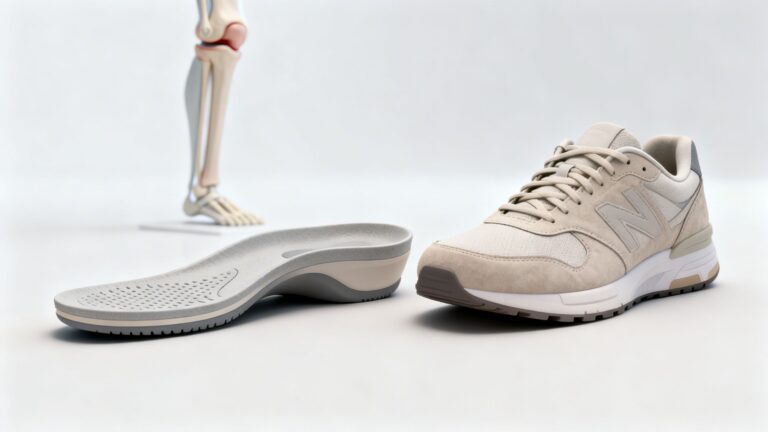
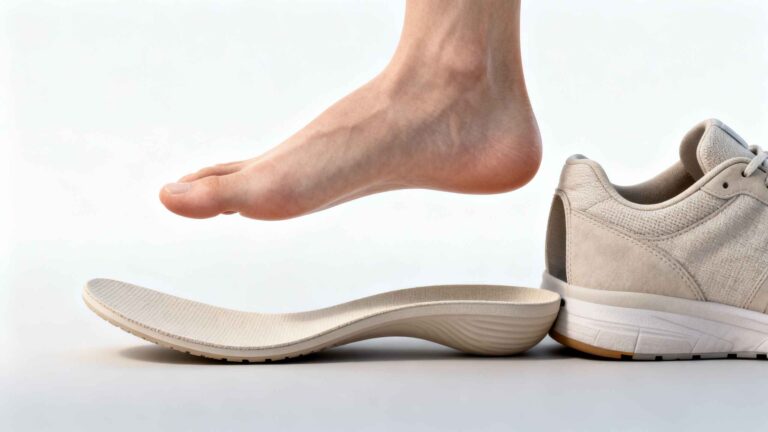
A defined arch structure helps distribute weight evenly across the foot. It reduces pressure on the heel and forefoot while improving alignment.
If your feet tend to roll inward, structured support is essential. You can explore deeper alignment support in best insoles for flat feet.
Cushioning That Doesn’t Collapse
Cushioning should absorb impact—but also hold its shape. Materials like high-density foam or hybrid designs perform better than soft memory foam alone.
Slim Profile (Sneaker Compatibility)
Sneakers often have limited space. Bulky insoles can make shoes feel tight or uncomfortable. A low-profile design ensures a better fit without sacrificing support.
Heel Stability
A deep or structured heel cup helps guide your foot into a more stable position. This reduces excess movement and improves balance while walking.
Material Quality
Durable materials extend the lifespan of your insoles and maintain consistent support. Look for:
- EVA foam
- Polyurethane layers
- Reinforced arch shells
How to Choose the Right Insoles for Sneakers
Choosing the right sneaker insoles flat feet depends on your daily habits more than anything else.
Step 1: Identify Your Use Case
Are you:
- Walking long distances?
- Standing for hours?
- Using sneakers casually?
Your answer determines how much cushioning vs. structure you need.
Step 2: Check Shoe Space
Some sneakers (like running shoes) allow thicker insoles. Others (like lifestyle sneakers) require slimmer designs.
Step 3: Match Support to Your Foot Type
Flat feet vary in severity. Some people need moderate support, while others benefit from firm, structured insoles.
If you’re unsure whether your issue is purely flat feet or movement-related, see flat feet vs overpronation for a deeper breakdown.
Step 4: Balance Comfort and Control
The best insoles don’t feel overly soft or overly rigid. They provide controlled support with enough cushioning to stay comfortable throughout the day.
Step 5: Think Long-Term
A good insole should last months, not weeks. Investing in durable materials reduces the need for frequent replacements.
The Bottom Line Before You Buy
Sneakers alone rarely solve flat foot discomfort. The right insole bridges that gap by adding structure where your shoe falls short.
Choosing effective sneaker insoles flat feet is about improving how your foot moves—not just how it feels in the moment.
Best Types of Insoles for Flat Feet in Sneakers
Not every insole performs the same inside sneakers. Some focus on cushioning, others on structure, and a few try to balance both. The key is choosing the type that matches how you actually use your sneakers day to day.
Below are the most effective categories of sneaker insoles flat feet, broken down in a way that helps you decide quickly.
1. Structured Orthotic Insoles
These are the most supportive option available for flat feet. Instead of relying on soft cushioning, they use a firm arch structure to guide your foot into a more stable position.
Best for:
People with noticeable overpronation, arch collapse, or alignment-related discomfort.
Pros
- Strong arch support
- Improves foot alignment
- Reduces long-term strain
Limitations
- May feel firm at first
- Requires short adjustment period
Compared to softer insoles, orthotic styles focus more on correction than comfort—but that’s often exactly what flat feet need.
2. High-Density Foam Insoles
These insoles provide a balance between support and cushioning. Unlike basic foam inserts, high-density versions resist compression and maintain their shape longer.
Best for:
Daily sneaker use, moderate walking, and general comfort.
Pros
- Comfortable without collapsing quickly
- Lightweight and flexible
- Good for everyday wear
Limitations
- Less corrective support than orthotics
- May wear down faster under heavy use
They’re a solid middle ground if you want comfort with some structural support.
3. Gel-Based Cushioning Insoles
Gel insoles focus primarily on shock absorption. They’re designed to reduce impact, especially in the heel and forefoot.
Best for:
Walking on hard surfaces or dealing with heel pressure.
Pros
- Excellent shock absorption
- Comfortable for long hours
- Helps reduce heel fatigue
Limitations
- Limited arch support
- Less stability for flat feet
If your main issue is impact rather than alignment, gel can help—but it usually works best combined with some arch structure.
4. Hybrid Insoles (Foam + Support Structure)
Hybrid designs combine cushioning layers with a structured base. This gives you both comfort and stability without going too far in either direction.
Best for:
People who want balanced support for mixed daily use.
Pros
- Combines comfort and control
- Versatile across different sneaker types
- Suitable for long wear
Limitations
- Not as firm as full orthotics
- Slightly bulkier than minimal designs
These are often the most practical option for sneakers because they adapt well to different activities.
5. Slim Low-Profile Insoles for Tight Sneakers
Some sneakers don’t have enough space for thick inserts. Low-profile insoles are designed to fit tighter shoes without crowding your foot.
Best for:
Lifestyle sneakers, casual shoes, or narrow fits.
Pros
- Easy to fit in most sneakers
- Lightweight and discreet
- Maintains basic support
Limitations
- Less cushioning
- Reduced structural support
They’re not the most powerful option, but they’re often necessary for maintaining comfort in tighter footwear.
How These Types Compare
Each category serves a different purpose:
- Orthotic insoles → best for correction and alignment
- High-density foam → best for everyday comfort
- Gel insoles → best for impact absorption
- Hybrid designs → best overall balance
- Slim insoles → best for tight sneaker fit
If your feet feel unstable or tired after long wear, structured or hybrid insoles usually perform better than soft cushioning alone.
Frequently Asked Questions
Do insoles really help flat feet in sneakers?
Yes. Sneakers often lack proper arch support, and insoles can improve alignment, reduce fatigue, and distribute pressure more evenly.
Should insoles be firm or soft for flat feet?
Moderately firm insoles are usually better. Soft insoles may feel comfortable initially but often compress too quickly and fail to provide lasting support.
Can I use the same insoles in different sneakers?
In most cases, yes. As long as the size and shape fit properly, you can transfer insoles between similar types of shoes.
How long do sneaker insoles last?
Most quality insoles last between 6–12 months depending on use. If they feel flattened or less supportive, it’s time to replace them. For more detail, see how long do insoles last.
Are expensive insoles worth it?
Higher-quality insoles often use better materials and provide longer-lasting support. However, the best option depends on your specific needs rather than price alone.
Final Verdict
The right sneaker insoles flat feet can completely change how your shoes feel—and more importantly, how your body handles daily movement.
If you need strong correction and stability, go with structured orthotics.
If comfort is your main priority, high-density foam or hybrid designs are better choices.
If your sneakers are tight, a slim profile is the way to go.
Most people benefit from a balanced approach—supportive enough to guide the foot, but comfortable enough to wear all day.
If you’re building a complete setup, you can also explore best insoles for flat feet for broader recommendations across different use cases.