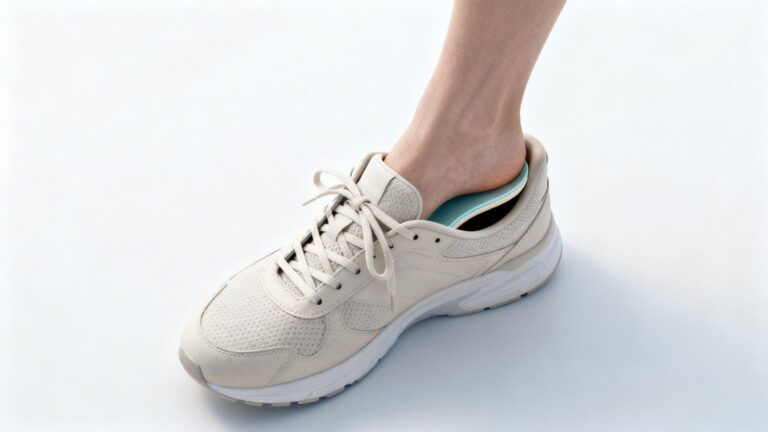
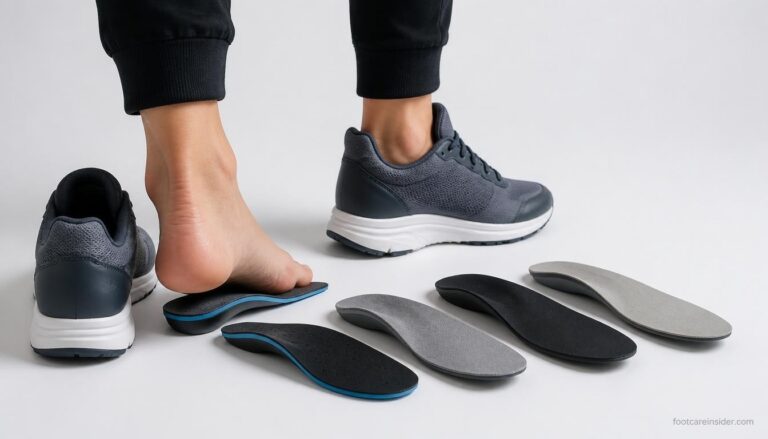
How Insoles Improve Posture
Maintaining good posture is something many people strive for, yet it can be surprisingly difficult to achieve. Long hours sitting at a desk, standing all day at work, or wearing unsupportive shoes can gradually affect how the body aligns. When posture begins to shift, it may lead to discomfort in the feet, knees, hips, or lower back. Because the feet are the body’s foundation, problems that start there can influence the entire skeletal structure above them. This is why many people start researching how insoles improve posture when they notice persistent aches or a feeling that their balance and alignment are off.
Poor posture often starts at the feet, especially in cases involving overpronation and foot alignment issues.
Understanding the connection between the feet and posture can help explain why supportive footwear and properly designed insoles are often recommended by foot health professionals. When the feet are supported correctly, the body can maintain a more natural alignment, which may reduce unnecessary strain on muscles and joints.
For more helpful footcare guides, visit our complete guides section
Quick answer: insoles do not straighten your body or fix posture on their own. What they can do is hold the foot in a better position, so the ankle, knee and hip line up more evenly. They help most when the cause starts in the foot, such as flat feet, overpronation or lost arch support. Strengthening, good shoes and movement habits do the rest.
Understanding Posture and Body Alignment
Posture refers to the way the body is positioned while standing, sitting, or moving. Proper posture keeps the bones and joints aligned so muscles can work efficiently. In a healthy posture, the ears, shoulders, hips, knees, and ankles form a relatively straight vertical line when viewed from the side.
However, posture problems rarely start in the upper body alone. The feet support the body’s entire weight and play a major role in maintaining balance and stability. If the feet roll inward, flatten, or lose arch support, the rest of the body often compensates. Over time, these compensations can cause noticeable shifts in posture.
For this reason, people looking into how insoles improve posture are often addressing issues that originate in the feet.
Common Causes of Poor Posture
Several factors can lead to posture changes over time. Some are related to lifestyle habits, while others are linked to structural characteristics of the feet.
One common cause is flat feet or fallen arches. When the arch collapses, the foot may roll inward in a movement called overpronation. This inward roll affects how weight is distributed through the ankles, knees, and hips.
Lack of proper arch support can lead to imbalance throughout the body, similar to issues seen in arch pain support solutions .
Another contributing factor is weak foot muscles. The muscles and ligaments in the feet help stabilize the body while walking and standing. If these structures become weak or fatigued, the arch may not provide enough support for proper alignment.
Footwear also plays a major role. Shoes without adequate support can allow the foot to shift into unstable positions. Over time, this can contribute to poor alignment throughout the body.
Extended periods of sitting or standing can also contribute to posture problems. Workers who spend many hours on their feet often notice fatigue in the arches and heels, which can gradually influence the way they stand and walk. In some cases, people exploring solutions like Best Insoles for Standing All Day are attempting to relieve the pressure that leads to posture imbalance.
Risk Factors That Affect Posture
Some individuals are more likely to experience posture-related issues due to certain risk factors.
One of the most common is age-related changes in the feet. As people get older, the ligaments and soft tissues that support the arch can lose elasticity. This may lead to gradual flattening of the arch, which can influence alignment and posture.
Body weight can also increase strain on the feet. Additional pressure on the arches can cause them to flatten slightly, altering the body’s center of gravity.
Certain activities can also increase the likelihood of posture issues. Runners, healthcare workers, and retail employees often spend long hours walking or standing, which can place repetitive stress on the feet. Many people in these occupations search for supportive solutions such as Insoles for Nurses to maintain comfort and stability during long shifts.
Another risk factor involves overpronation, a condition where the foot rolls inward excessively when walking. This motion can shift the alignment of the ankles and knees, creating a chain reaction that affects posture. People experiencing this issue often look for solutions such as Insoles for Overpronation to help stabilize the foot.
How Symptoms of Posture Problems Appear
Posture-related issues often develop gradually. Early symptoms can be subtle and easy to overlook.
Some people notice foot fatigue or arch discomfort after standing or walking for long periods. Others may feel tension in the calves or ankles. These early signs often indicate that the feet are working harder than they should to maintain balance.
As posture changes become more pronounced, symptoms may extend beyond the feet. Knee discomfort, hip stiffness, or lower back tension can develop when the body is not aligned properly. These symptoms are often interconnected, since the body operates as a kinetic chain where movement in one area influences another.
This becomes even more noticeable for people who spend long hours on their feet, such as those needing insoles for standing all day .
For example, when the arch collapses and the foot rolls inward, the knee may rotate slightly inward as well. This small shift can affect how the hips and spine align, eventually influencing overall posture.
Many individuals researching how insoles improve posture are experiencing these kinds of symptoms and looking for ways to restore a more balanced alignment.
When Posture Problems Become More Serious
Occasional discomfort after a long day of standing is common, but persistent symptoms may indicate a deeper alignment issue.
If posture problems are not addressed, they can contribute to chronic strain on joints and muscles. Over time, this may lead to conditions such as plantar fasciitis, knee pain, or lower back discomfort.
Persistent pain during walking or standing should not be ignored. If symptoms continue despite changes in footwear or activity levels, it may be helpful to explore the underlying causes. Educational resources such as Why Flat Feet Cause Knee Pain can provide insight into how structural foot issues affect the rest of the body.
Understanding the relationship between the feet and posture is an important step toward finding appropriate solutions. In many cases, improving support at the level of the foot can help restore better alignment throughout the body.
Treatment Options, Prevention, and When Insoles Help
Addressing posture concerns usually involves a combination of supportive habits, strengthening exercises, and proper footwear. Because posture is influenced by the entire musculoskeletal system, effective treatment often focuses on improving body alignment from the ground up. Understanding how insoles improve posture becomes especially relevant when foot structure or support issues are part of the problem.
Misalignment can place stress on surrounding joints, particularly in cases requiring insoles for knee pain relief.
Non-Commercial Treatment Options
Before considering supportive products, many posture improvements begin with lifestyle adjustments and physical conditioning.
Posture awareness is often the first step. People frequently develop poor alignment habits without realizing it, particularly during long hours of sitting or standing. Practicing mindful posture—keeping the shoulders relaxed, the spine neutral, and the weight evenly distributed on both feet—can help reduce unnecessary strain.
Stretching and strengthening exercises can also support better posture. Tight calf muscles, weak foot muscles, or limited ankle mobility can affect how the body distributes weight. Exercises that strengthen the arches and improve ankle flexibility may help restore balance.
Foot-strengthening activities such as toe curls, towel scrunches, and short foot exercises can support the muscles that help stabilize the arch. These exercises encourage the feet to maintain better alignment while walking or standing.
Another helpful strategy is choosing supportive footwear. Shoes that provide proper arch support and cushioning can help stabilize the foot during movement. For individuals who spend many hours on their feet, footwear designed for comfort and support can play an important role in maintaining posture.
What Insoles Can and Cannot Do for Alignment
| Insoles can | Insoles cannot |
|---|---|
| Support a low arch and limit inward rolling | Straighten the spine or fix a desk-posture habit |
| Spread pressure more evenly across the foot | Change bone structure |
| Reduce the strain that travels up to knees, hips and back | Replace strengthening and mobility work |
| Make standing and walking less tiring | Work if the shoe around them is worn out or unstable |
Which Alignment Problem, Which Support
| If your foot… | Support that fits | Read next |
|---|---|---|
| Rolls inward (overpronation) | Firm, structured arch with a deep heel cup | insoles for overpronation and mild vs severe overpronation |
| Has a low or flat arch | Moderate to firm arch support | flat feet and posture and best insoles for flat feet |
| Has a high arch and rolls outward | Cushioning with gentle arch contact | insoles for high arches and overpronation vs supination |
| Comes with knee pain | Stable arch, then check the knee | insoles for knee pain |
| Comes with lower back strain | Support plus cushioning for long standing | insoles for back pain and flat feet and back pain |
When Insoles Can Help Improve Posture
For many people, structural characteristics of the feet contribute to posture changes. In these cases, supportive inserts may help redistribute pressure and improve alignment.
Understanding how insoles improve posture involves recognizing how the feet interact with the rest of the body. Insoles are designed to support the arch, cushion impact, and guide the foot into a more neutral position during movement.
When the arch receives adequate support, the foot is less likely to collapse inward. This can help stabilize the ankle and reduce inward rotation of the knee. By improving the positioning of the lower limbs, the body can maintain a more natural alignment through the hips and spine.
Over time, poor alignment may contribute to discomfort higher up the body, including situations where insoles for back pain support are needed.
Individuals with conditions such as overpronation or mild arch collapse may benefit from supportive insoles. In some cases, this added stability can reduce the compensations that contribute to posture problems.
People who stand or walk for extended periods may also find that arch support helps reduce fatigue. When the feet remain stable and supported, the muscles throughout the body do not have to work as hard to maintain balance. Resources such as Best Insoles for Standing All Day often explore supportive options designed for extended use.
Athletes and active individuals may also explore supportive inserts when repetitive movement places stress on the feet. Guides like Insoles for Running discuss how proper support can help maintain alignment during physical activity.
Insoles to Start With
Two examples for correcting how the foot sits, one firmer and one gentler.
Firm structured support: Superfeet Green – holds the arch and heel in position for flat feet and overpronation.
Balanced support: Moderate Support Insoles – a gentler arch with cushioning if firm support feels like too much at first.
When Medical Care May Be Necessary
While supportive footwear and insoles can be helpful in many situations, persistent pain or severe alignment issues may require professional evaluation.
A healthcare provider or podiatrist can assess foot structure, gait mechanics, and overall posture. In some cases, they may recommend custom orthotics designed specifically for an individual’s foot shape and movement patterns.
Medical evaluation is especially important if symptoms include:
- Persistent heel or arch pain
- Swelling or inflammation in the foot or ankle
- Difficulty walking or maintaining balance
- Pain that radiates to the knees, hips, or lower back
These symptoms may indicate conditions that require targeted treatment.
Prevention Strategies for Maintaining Good Posture
Preventing posture-related discomfort often involves maintaining healthy habits that support the feet and musculoskeletal system.
One of the most effective prevention strategies is wearing supportive shoes during daily activities. Shoes that fit well and provide proper arch support can help maintain foot stability and reduce strain on the rest of the body.
Regular movement and stretching also play an important role. Taking short breaks during long periods of sitting or standing helps reduce muscle fatigue and encourages healthy alignment.
Maintaining a healthy body weight can also reduce pressure on the arches and joints of the feet. Lower stress on the feet can help preserve the natural structure that supports posture.
Finally, paying attention to early warning signs—such as persistent foot fatigue or arch discomfort—can help prevent posture issues from worsening over time. Educational articles such as Why Foot Fatigue Happens When Standing All Day often explain how early symptoms can signal the need for improved support.
Frequently Asked Questions
Do insoles really improve posture?
Insoles may help improve posture when foot alignment contributes to imbalance. By supporting the arch and stabilizing the foot, insoles can help promote better alignment through the ankles, knees, and hips.
Can flat feet affect posture?
Yes. Flat feet can cause the foot to roll inward, which may influence the alignment of the knees and hips. Over time, this change can affect overall posture.
How long does it take to notice posture improvements with insoles?
Some people notice reduced foot fatigue or improved comfort within a few days of wearing supportive insoles. Posture changes may take longer, as the body gradually adapts to improved alignment.
Should everyone use insoles for posture support?
Not necessarily. Many people maintain healthy posture without additional support. Insoles are typically most helpful for individuals experiencing foot-related alignment issues.
Can insoles replace exercise or posture training?
No. Insoles are designed to provide support, but they work best alongside strengthening exercises, good posture habits, and supportive footwear.
Can insoles correct foot alignment?
They can improve it while you wear them by supporting the arch and limiting inward rolling. They do not permanently change the foot, so the benefit lasts as long as you keep using them with supportive shoes and exercises.
How do I know if my foot alignment needs correcting?
Look for inner-edge wear on your shoes, a collapsing arch when you stand, or tired feet, knees or back after standing. A heel view from behind or a gait analysis shows more. See flat feet vs overpronation for a simple self-test.
Are custom orthotics better than store-bought insoles for alignment?
For mild to moderate cases, a good store-bought insole is often enough. A podiatrist can advise on custom orthotics for severe misalignment or persistent pain.
Educational Conclusion
Posture is influenced by many interconnected factors, but the feet play a foundational role in maintaining body alignment. When the arches lack support or the feet move out of their natural position, the rest of the body may compensate in ways that affect posture over time.
Understanding how insoles improve posture highlights the importance of proper foot support in maintaining balanced alignment. Supportive inserts can help stabilize the foot, distribute pressure more evenly, and reduce strain on joints throughout the body.
However, insoles are only one part of a broader approach to posture health. Strengthening the feet, choosing supportive footwear, maintaining mobility, and seeking professional advice when needed can all contribute to long-term comfort and alignment.
Struggling with uneven foot movement? These insoles for overpronation can help correct alignment and reduce strain.