Why Flat Feet Cause Shin Splints
Quick answer: yes, flat feet can contribute to shin splints. A low arch lets the foot roll inward, the shin twists, and the muscles along the inner shinbone work harder with every step. It is not the only cause, since sudden increases in running and hard surfaces matter too, but fixing foot support is often part of the solution.
Understanding the Link Between Flat Feet and Shin Splints
If you’ve ever felt a sharp or aching pain along your shin after walking, running, or even standing for long periods, you know how frustrating it can be. Shin splints often seem to come out of nowhere—and even more confusing, they don’t always go away easily.
For many people, the missing piece of the puzzle is their foot structure.
That’s where the question comes in: why do flat feet cause shin splints? The answer lies in how your body absorbs impact and maintains alignment during movement.
For background on the condition itself, read our flat feet guide.
What Are Shin Splints?
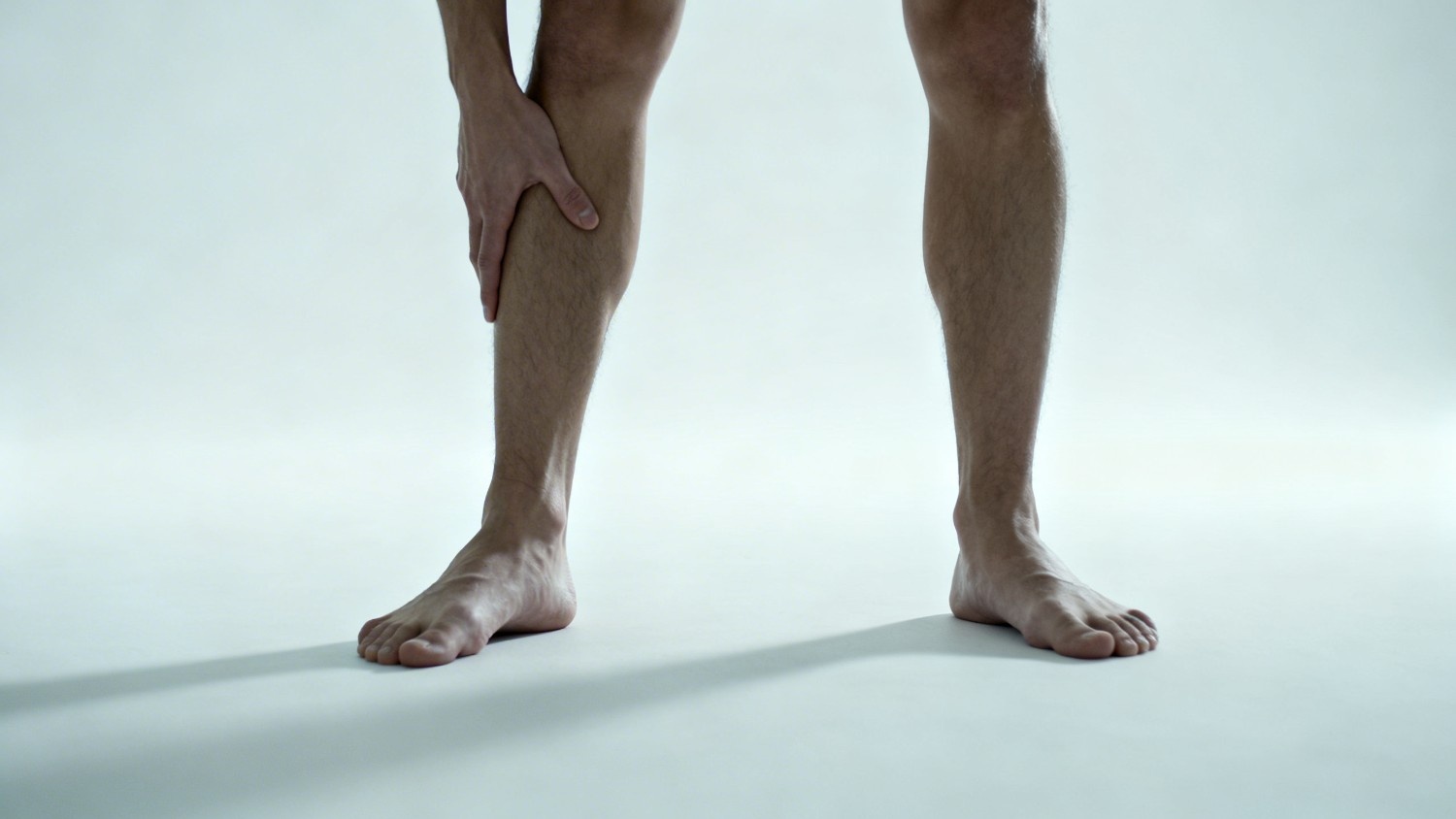
Shin splints, medically known as medial tibial stress syndrome, refer to pain along the inner edge of the shinbone (tibia).
This pain usually develops when:
- The muscles and tendons around the shin are overworked
- The bone is exposed to repeated stress
- The lower leg struggles to absorb impact efficiently
It’s especially common in:
- Runners
- People who stand or walk for long hours
- Individuals who recently increased activity levels
What Are Flat Feet (And Why They Matter Here)
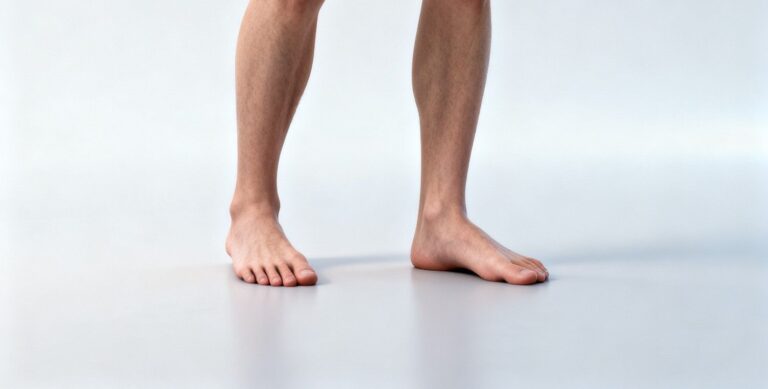
Flat feet occur when the arch collapses, causing the entire sole of the foot to make contact with the ground.
This affects how your foot moves.
Instead of controlled motion, the foot tends to roll inward excessively—a pattern known as overpronation.
This inward motion might seem minor, but it creates a chain reaction:
- The ankle tilts inward
- The lower leg rotates
- The shin experiences increased stress
- Muscles along the tibia are forced to compensate
Over time, this repeated stress leads directly to shin splints.
Managing flat feet shin splints early can help prevent long-term stress and recurring pain in the lower legs.
Why Flat Feet Cause Shin Splints (Root Mechanism)
To really understand flat feet shin splints, you need to look at how force travels through the body.
Every time your foot hits the ground:
- Force moves upward
- Your arch absorbs part of that impact
- Your muscles stabilize the movement
With flat feet:
- The arch doesn’t absorb impact effectively
- The foot collapses inward
- The tibia (shinbone) rotates more than it should
This increased rotation places stress on the muscles attached to the shin.
Over time, these muscles become overworked and inflamed.
That’s the foundation of shin splints.
The Role of Overpronation
Overpronation is one of the biggest reasons flat feet cause shin splints.
When your foot rolls inward excessively:
- Your body loses stability
- Your muscles work harder to compensate
- Your stride becomes less efficient
This creates:
- Repetitive strain
- Muscle fatigue
- Micro-inflammation
Many people dealing with this type of alignment issue benefit from structured support similar to what’s explained in insoles for overpronation.
Risk Factors That Increase the Problem
Not everyone with flat feet develops shin splints—but certain factors make it much more likely.
1. Increased Activity or Sudden Changes
Jumping into:
- Running
- Long walks
- High-impact workouts
without gradual adaptation increases stress on the shin.
2. Hard Surfaces
Walking or running on concrete or other hard surfaces amplifies impact forces.
Without proper arch support, your body absorbs more shock than it should.
3. Poor Footwear
Shoes that:
- Lack arch support
- Are overly flexible
- Are worn out
fail to stabilize your foot.
This allows overpronation to continue unchecked.
4. Long Hours Standing
Standing all day doesn’t seem intense—but it creates constant load on the feet.
Over time, this contributes to fatigue and strain, especially without proper support, as discussed in insoles for standing all day.
5. Muscle Imbalance
Weak:
- Foot muscles
- Calves
- Hip stabilizers
can all contribute to poor movement patterns.
How Symptoms Can Differ
Not all shin splints feel the same, especially when flat feet are involved.
Gradual Onset Pain
Often starts as mild discomfort and worsens over time.
Pain During Activity
You may feel it during running or walking, then notice it subsides with rest.
Tenderness Along the Shin
Pressing along the inner shin may feel sore or sensitive.
Tightness in the Lower Leg
Muscles may feel overworked or fatigued.
In some cases, symptoms may overlap with other conditions, making it important to understand the underlying cause.
When It Becomes More Serious
Shin splints are often manageable early—but they can become more serious if ignored.
Warning signs include:
- Persistent pain that doesn’t improve with rest
- Sharp or localized pain (possible stress fracture)
- Swelling or worsening inflammation
- Pain affecting daily movement
At this stage, your body is no longer adapting—it’s under strain.
Choosing the right level of support matters, especially when comparing materials—see our guide on soft vs firm insoles to understand what works best.
The Bigger Picture
So, why do flat feet cause shin splints?
Because they change how your body handles movement.
What starts as a small shift in foot alignment leads to:
- Increased stress on the shin
- Muscle fatigue
- Repetitive strain
Understanding this connection is essential—not just for treating shin splints, but for preventing them long-term.
How to Treat, Support, and Prevent Shin Splints from Flat Feet
Understanding why flat feet cause shin splints is only half the picture. The next step is knowing what actually helps—and how to stop the problem from coming back.
There’s no single quick fix. But there is a clear, structured approach that works when applied consistently.
Non-Commercial Treatment Options (Start Here First)
Before jumping straight to insoles or products, it’s important to address the underlying stress on your lower legs.
1. Reduce Impact (Temporarily)
If you’re experiencing active shin pain, the first step is to reduce the load.
This doesn’t mean stopping all movement—but it does mean:
- Avoiding high-impact activity (running, jumping)
- Switching to low-impact options (cycling, swimming)
- Allowing the inflamed tissue to recover
Ignoring this step often leads to prolonged symptoms.
2. Strengthen the Supporting Muscles
Flat feet often come with weak stabilizing muscles, which increases strain on the shin.
Focus on:
- Foot intrinsic muscles (arch support)
- Calves (shock absorption)
- Tibialis anterior (front of shin)
- Glutes (overall alignment control)
Exercises like:
- Toe raises
- Heel walks
- Calf raises
can help redistribute stress more effectively.
3. Improve Flexibility
Tight muscles can pull on the shin and worsen discomfort.
Key areas to stretch:
- Calves (especially the soleus)
- Achilles tendon
- Hamstrings
Improving flexibility allows for smoother movement and reduces strain during activity.
4. Adjust Footwear
Shoes play a critical role.
Look for footwear that:
- Provides arch support
- Offers stability
- Matches your activity
Worn-out or overly flexible shoes often make flat feet shin splints worse by allowing excessive inward movement.
When Insoles Actually Help
Insoles can be extremely effective—but only when used for the right reasons.
They help most when:
- Overpronation is present
- The arch lacks structural support
- You experience repeated stress during activity
By supporting the arch and controlling motion, insoles:
- Reduce inward foot collapse
- Improve alignment of the lower leg
- Decrease strain on the tibia
For example, structured support like what’s explained in best insoles for overpronation can help stabilize the foot during movement.
Matching Insoles to Your Situation
Not all insoles work the same way.
- Mild symptoms → moderate support + cushioning
- Frequent pain → firmer, structured support
- High activity → stability + shock absorption
People with flat feet often benefit from options similar to those discussed in insoles for flat feet. If you run, see also running insoles for flat feet.
Our picks: For shin splints linked to flat feet, you want support that limits the inward roll and softens impact. These are two we would start with. More options are in our guide to insoles for shin splints.
Stability Running Insoles – A deeper heel cup and firm support on the inner side to control inward rolling when you run or walk a lot.
Powerstep Maxx Support – A structured arch with cushioning, for people who stand or walk on hard floors most of the day.
When Medical Care Is Required
In some cases, shin splints are not just a mild overuse issue.
You should consider medical evaluation if:
- Pain is sharp or localized
- Symptoms don’t improve after 2–3 weeks
- You experience swelling or tenderness in a specific spot
- Pain affects daily movement
These could indicate:
- Stress fractures
- Tendon issues
- More complex biomechanical problems
A professional may recommend:
- Physical therapy
- Custom orthotics
- Imaging (if needed)
Prevention: How to Stop Shin Splints from Coming Back
Once you understand flat feet shin splints, prevention becomes much easier.
1. Build Gradually
Avoid sudden increases in activity.
Instead:
- Increase distance or intensity slowly
- Give your body time to adapt
2. Maintain Foot Strength
Strong feet handle stress better.
Regular exercises help maintain:
- Arch stability
- Balance
- Movement control
3. Use Support Consistently
If your foot structure requires support, consistency matters.
Switching between supportive and unsupportive setups can reintroduce the problem.
4. Replace Worn-Out Support
Insoles and shoes don’t last forever.
When they break down:
- Support decreases
- Alignment worsens
- Symptoms may return
5. Pay Attention to Early Signs
Shin splints rarely appear suddenly.
They usually start as:
- Mild tightness
- Occasional discomfort
Addressing these early prevents long-term issues.
Frequently Asked Questions
Can flat feet directly cause shin splints?
Yes. Flat feet lead to overpronation, which increases stress on the shin muscles and contributes to shin splints.
Will insoles completely fix shin splints?
They can reduce the underlying cause, but they work best when combined with strengthening and proper footwear.
How long does it take to recover?
Mild cases may improve within a couple of weeks, while more persistent cases can take longer depending on activity and treatment.
Are shin splints permanent?
No. With proper care, most cases resolve completely. However, they can return if the root cause isn’t addressed.
Do I need custom orthotics?
Not always. Many people benefit from well-designed over-the-counter insoles unless the condition is severe.
Want to go deeper? Discover all guides for foot pain and insoles here.
Final Thoughts: Fix the Movement, Not Just the Pain
So, why do flat feet cause shin splints?
Because they change how your body absorbs and distributes force.
The shin ends up handling stress it wasn’t designed for.
The solution isn’t just rest—or just insoles.
It’s a combination of:
- Better movement
- Proper support
- Consistent prevention
When you address the root cause, not just the symptoms, you give your body a chance to move the way it was meant to.