Are Insoles Enough for Flat Feet?
If you have flat feet, you’ve probably wondered whether insoles alone can fix the problem. Maybe your feet ache after a long day, your arches feel like they collapse when you stand, or your shoes wear out unevenly. It’s a common situation—and also a confusing one.
Some people swear by insoles, while others say they didn’t help at all. That mixed advice can make it hard to know what actually works.
The truth is more balanced: insoles can play a role, but they’re only one piece of a bigger picture. Understanding that picture is what helps you make the right decision for your feet.
What Are Flat Feet and Why Do They Matter?
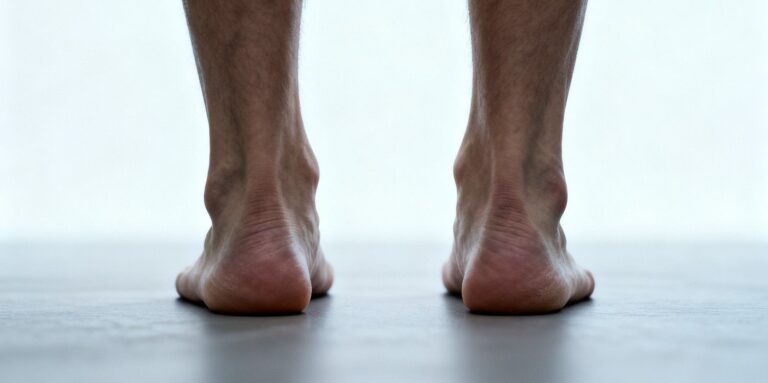
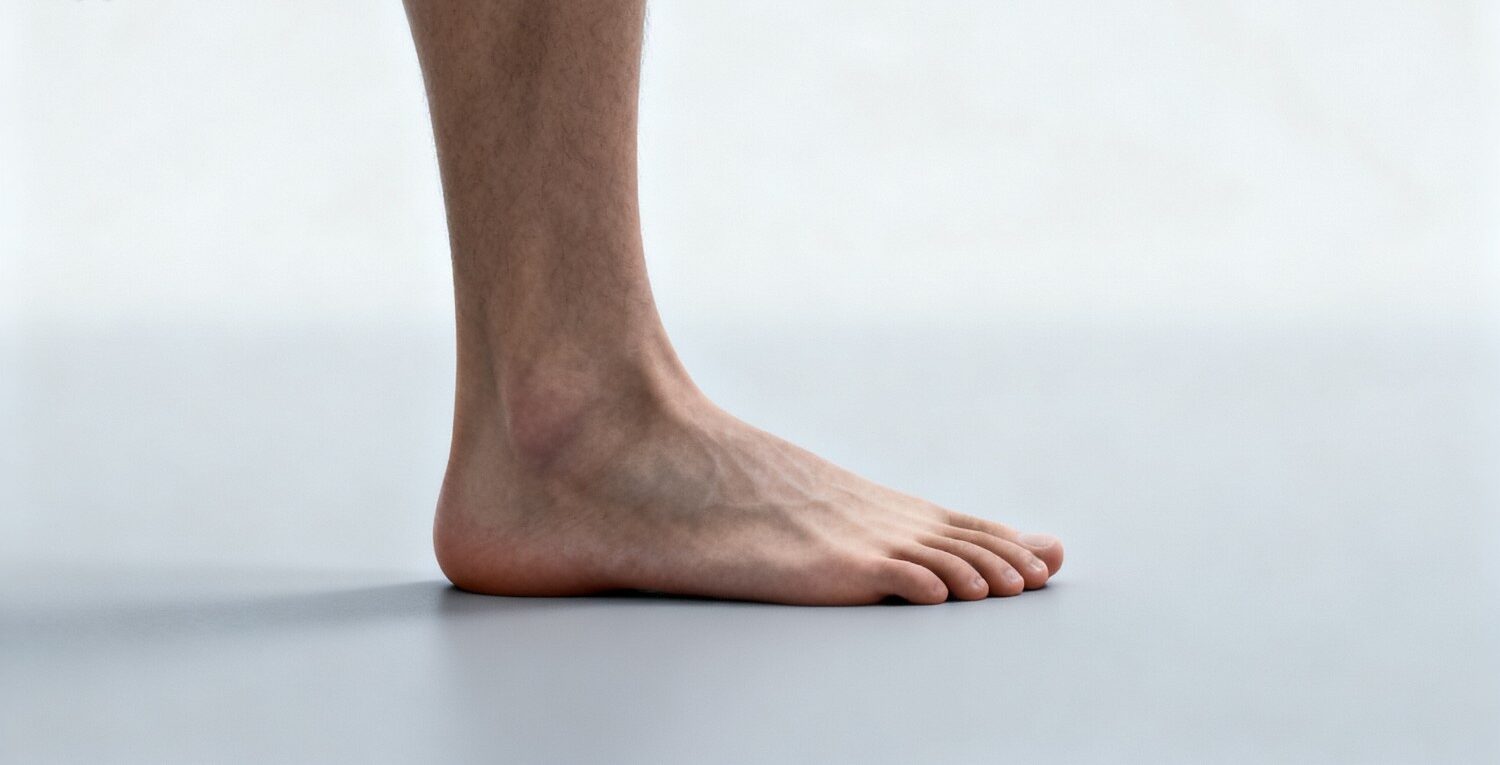
Flat feet (also called fallen arches) happen when the arch of your foot flattens during standing or walking. This can change how your weight is distributed and how your body moves.
In many cases, the issue isn’t just the arch itself—it’s how the foot functions overall. For example, flat feet are often connected to inward rolling of the foot, known as overpronation. If you’re not sure how those relate, this guide on flat feet vs overpronation explains the mechanics clearly.
In this article, you’ll learn:
- What flat feet actually are
- Why they develop
- How they affect your body
- When they become a problem
This foundation makes it easier to understand where insoles fit in later.
Understanding Flat Feet
Flat feet mean that the arch of the foot is either very low or collapses under weight. When you stand, most or all of your sole may touch the ground.
The arch normally acts like a shock absorber. It helps:
- distribute body weight
- stabilize movement
- reduce strain on joints
When the arch doesn’t function properly, that shock absorption is reduced. Instead, pressure spreads differently across the foot and can travel upward into the ankles, knees, and hips.
Not everyone with flat feet has pain. But when symptoms do appear, they’re often linked to how the foot handles load over time.
What Causes Flat Feet?
Flat feet don’t usually come from just one cause. Instead, they develop from a mix of structural and functional factors.
Muscle weakness
The small muscles in your feet help support the arch. If they’re weak, the arch may collapse more easily during movement.
Tendon strain
The posterior tibial tendon plays a key role in holding the arch up. If it becomes strained or overworked, it may not support the foot effectively.
Ligament structure
Ligaments act like passive support. Some people naturally have looser ligaments, which can make the arch less stable.
Repetitive stress
Standing for long hours, walking on hard surfaces, or high-impact activity can gradually overload the foot.
If you want a deeper breakdown of underlying reasons, this guide on what causes flat feet explains the full range of causes in more detail.
Risk Factors That Increase Strain
Certain factors make flat feet more likely to develop or become symptomatic:
- Daily habits
Long periods of standing or walking, especially on hard floors - Activity level
High-impact sports or repetitive motion without recovery - Footwear
Shoes with poor support or worn-out soles - Body weight / load
Increased load puts more stress on the arch and supporting structures
These factors don’t guarantee problems, but they increase the likelihood that flat feet will lead to discomfort over time.
Early vs More Noticeable Symptoms
Flat feet don’t feel the same for everyone. Symptoms can vary depending on severity, activity level, and overall body mechanics.
Early signs may include:
- mild foot fatigue
- slight arch discomfort
- shoes wearing unevenly
Later or more noticeable symptoms:
- persistent arch or heel pain
- ankle instability
- discomfort after standing or walking
Some people feel symptoms only during certain activities, while others notice them daily. The variation is one reason why a single solution—like insoles—doesn’t work the same for everyone.
When Flat Feet Become a Problem
Flat feet become more concerning when symptoms start affecting daily function or spreading beyond the foot.
Warning signs include:
- ongoing pain that doesn’t improve with rest
- swelling along the inside of the ankle
- noticeable changes in walking pattern
- increasing instability or weakness
At this stage, the issue is no longer just about arch shape—it’s about how the entire lower body is handling movement and load.
Improving Foot Function Naturally
Before thinking about insoles, it’s important to understand that your feet are not passive structures—they’re active, adaptable, and responsive to how you use them.
Foot strengthening exercises
Simple movements like toe raises, arch lifts, and towel scrunches help activate the small muscles that support the arch. Over time, this can improve how your foot handles pressure.
Movement adjustments
How you walk and stand matters. Subtle changes—like avoiding excessive inward rolling or distributing weight more evenly—can reduce strain.
Load management
If your daily routine includes long hours of standing or walking, reducing continuous load (through breaks or alternating activities) can prevent overload.
These approaches focus on improving function rather than just adding support.
When Insoles Can Help
Insoles can be helpful—but mainly as support, not a full solution.
They work by:
- redistributing pressure
- providing temporary arch support
- reducing strain during activity
For many people, this can make daily movement more comfortable, especially during long periods of standing or walking.
In some cases, supportive insoles can help reduce daily strain while your foot adapts to better movement patterns or strengthening work.
However, insoles do not:
- rebuild muscle strength
- correct underlying mechanics
- permanently “fix” flat feet
They are best understood as a tool—not a cure.
When to Seek Medical Advice
Sometimes, flat feet require more than self-care.
You should consider professional evaluation if you notice:
- persistent or worsening pain
- swelling along the inner ankle
- sharp or localized pain
- difficulty walking or standing normally
Flat feet can affect alignment up the body, which is why some people experience knee discomfort as well. This connection is explained further here: why flat feet cause knee pain.
A clinician can assess whether additional support, physical therapy, or other treatment is needed.
Preventing Further Strain
Even if you already have flat feet, certain habits can help reduce symptoms and prevent progression.
Choose supportive footwear
Shoes with proper structure and cushioning reduce unnecessary strain on the foot.
Stay consistent with movement
Regular walking, light strengthening, and avoiding long periods of inactivity help maintain function.
Rotate activity levels
Avoid doing the same high-load activity every day without variation.
Consistency matters more than intensity when it comes to foot health.
Exercises vs Insoles
Exercises help improve function over time, while insoles provide immediate support during activity.
Both can be useful—but they serve different roles.
Common Questions
Do insoles fix flat feet permanently?
No. Insoles support the foot but don’t change its structure or strengthen muscles. They help manage symptoms rather than cure the condition.
Are expensive insoles better than cheap ones?
Not always. The right fit and level of support matter more than price. Some people benefit from simple designs, while others need more structured support.
Should I wear insoles all day?
It depends on your comfort and activity level. Many people use them during long periods of standing or walking rather than constantly.
Can flat feet cause pain in other areas?
Yes. Changes in foot mechanics can affect the knees, hips, and lower back due to altered alignment.
Do I still need exercises if I use insoles?
Yes. Exercises address the underlying function, while insoles provide support. They work best together, not as replacements.
What kind of insoles are useful for daily standing?
For people who spend long hours on their feet, certain supportive options can help reduce fatigue. You can explore examples here: insoles for standing all day.
Final Thoughts
Insoles can absolutely help with flat feet—but they are only one part of the solution.
Flat feet are not just about arch shape. They involve how your foot moves, how it handles pressure, and how your body adapts over time.
That’s why a balanced approach works best:
- support when needed
- strengthen where possible
- adjust daily habits
When you understand how these pieces fit together, it becomes much easier to manage symptoms and make decisions that actually help.