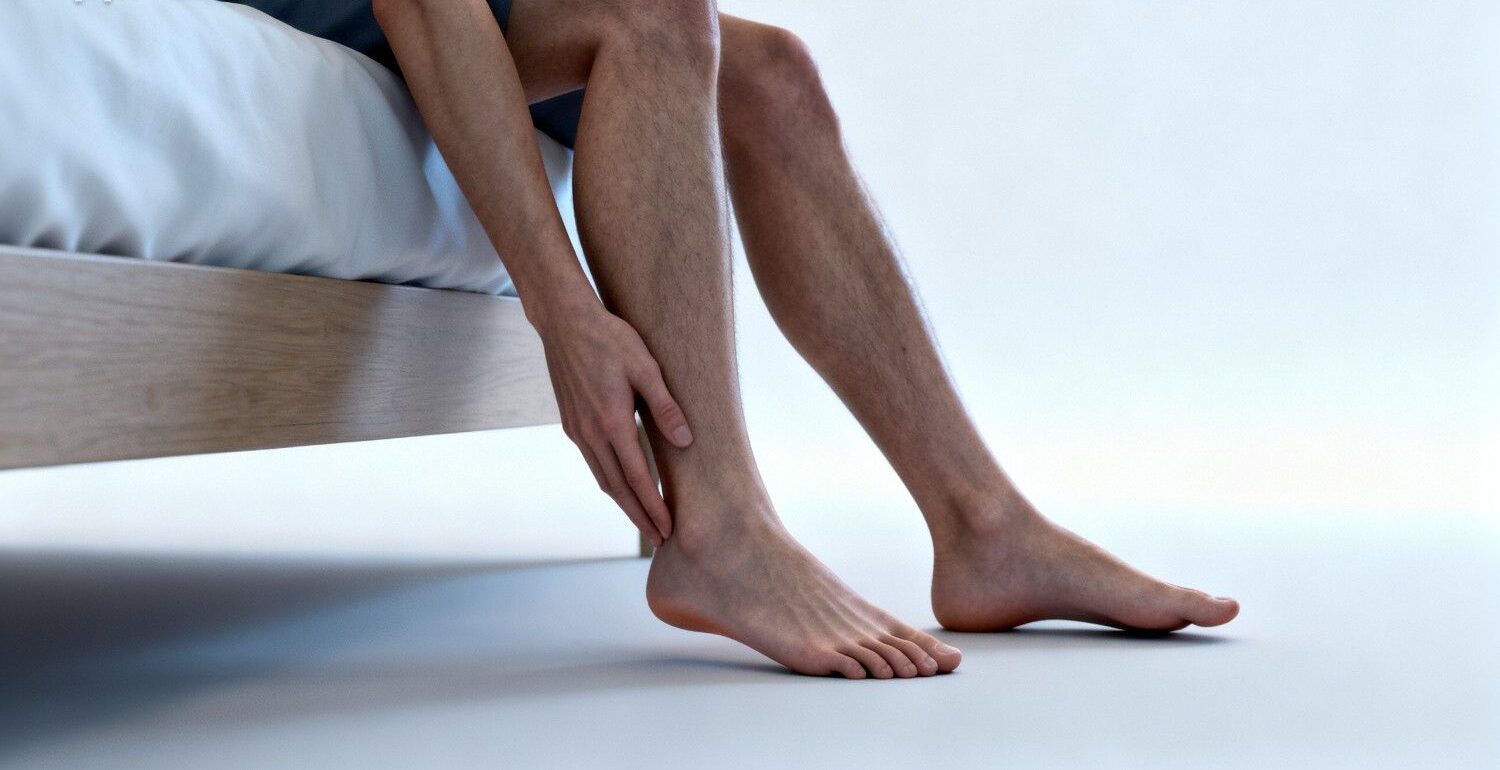
Why Flat Feet Hurt More in the Morning
If your first steps out of bed feel stiff, sore, or even sharp under your arch or heel, you’re not imagining it. Flat feet morning pain is a common experience, and it often catches people off guard because the discomfort can feel worse after a full night of rest.
The reason comes down to how your foot behaves after being inactive for hours. When you’re lying down, your feet aren’t under load. But as soon as you stand, the structures that support your arch are suddenly asked to handle your full body weight again—before they’ve had time to “warm up.”
What Morning Foot Pain Feels Like
Morning pain linked to flat feet often has a specific pattern.
Our guide to flat feet covers the causes, symptoms and options in one place.
You might notice:
- stiffness or tightness in the arch
- discomfort in the heel when taking the first steps
- a pulling or aching sensation that improves slightly as you move
For some people, the pain fades after a few minutes. For others, it lingers longer or returns after periods of rest during the day.
Why It Feels Worse After Rest
It may seem strange that pain shows up after rest rather than after activity. But the explanation is mechanical.
During sleep, your foot stays in a relaxed, unloaded position. Muscles, tendons, and connective tissues shorten slightly and lose some of their immediate flexibility.
When you stand up:
- your arch lowers under sudden load
- tissues stretch quickly after being inactive
- stabilizing muscles have to react instantly
This sudden transition from rest to full weight-bearing is what creates that initial discomfort.
How Flat Feet Change the Way Your Foot Handles Load
With flat feet, the arch doesn’t provide the same level of support or shock absorption as it would in a more structured foot.
When weight is applied:
- the arch tends to collapse more easily
- pressure shifts toward the inner foot
- supporting tissues take on more stress
This makes the transition from lying down to standing more demanding.
Flat feet are also often linked to inward rolling of the foot during movement. This pattern—explained in flat feet vs overpronation — can increase strain on the inner side of the foot, especially when the foot hasn’t had time to adjust.
What Causes This Morning Discomfort
Morning pain usually develops from a combination of factors rather than a single issue.
Tissue stiffness
After hours of rest, connective tissues become less flexible and more sensitive to sudden stretching.
Muscle inactivity
The small muscles that support the arch are less active overnight and need time to re-engage.
Tendon load
Structures like the plantar fascia and supporting tendons experience a quick increase in tension when you stand.
Repeated daily stress
If your feet are under heavy load during the day—such as long periods of standing—the tissue doesn’t fully recover overnight.
For a deeper understanding of how these factors develop, this breakdown of what causes flat feet provides more context.
Risk Factors That Make Morning Pain More Likely
Certain habits and conditions increase the chance of waking up with foot discomfort.
Long standing hours
If your daily routine involves standing or walking for extended periods, your feet may start the day already fatigued.
Footwear
Shoes that don’t support the arch can increase strain throughout the day, which carries over into the next morning.
Hard surfaces
Walking or standing on firm floors adds repeated stress to the foot.
Body load
Higher load increases the pressure on the arch and surrounding structures.
These factors don’t guarantee pain, but they make your feet more sensitive to that first step after rest.
Early vs More Noticeable Symptoms
Morning pain often develops gradually.
Early signs:
- mild stiffness that fades quickly
- slight discomfort when taking the first steps
- no pain during the rest of the day
More noticeable symptoms:
- sharper or longer-lasting discomfort in the morning
- stiffness returning after periods of sitting
- increased sensitivity in the heel or arch
Some people only notice it occasionally, while others feel it daily.
When It Becomes More Than a Morning Issue
Morning discomfort becomes more important to address when it starts affecting your day beyond those first few steps.
Signs to watch for:
- pain that doesn’t ease after moving
- discomfort appearing during normal walking
- sensitivity spreading beyond the foot
Because your feet influence overall alignment, ongoing strain can affect other areas. For example, changes in how your foot handles load can contribute to discomfort in the knees, which is explained further in why flat feet cause knee pain.
At that point, the issue is no longer just about mornings—it’s about how your foot is functioning throughout the day.
How to Reduce Morning Foot Pain
Easing that first-step discomfort usually comes down to helping your feet transition more smoothly from rest to load.
A simple starting point is gentle movement before you stand. Light ankle circles, toe flexing, or slowly pressing your foot into the mattress can help “wake up” the muscles and tissues that support your arch. This reduces the shock of going from zero load to full body weight in a single step.
Short stretches can also help. Calf and arch stretches—done gently—encourage the tissues to lengthen gradually instead of being forced to stretch suddenly when you stand.
Once you’re up, avoid rushing into full activity. Walking a bit more slowly for the first few minutes gives your foot time to adjust and reduces strain on the arch.
Where Insoles Can Help
Even if you’re focusing on improving foot function naturally, insoles can still play a useful role—especially in the morning.
They help by:
- distributing pressure more evenly
- supporting the arch during early steps
- reducing the strain on tired or stiff tissues
For people who already experience daily foot fatigue, having supportive footwear or insoles ready in the morning can make those first steps feel more controlled and less uncomfortable. Some people explore options like best insoles for flat feet to better understand how structured support can reduce strain.
The key is to see insoles as a support tool—not a complete fix. They work best alongside movement and strengthening.
When to Seek Medical Advice
Morning pain is often manageable, but certain signs suggest it may need professional attention.
You may want to seek help if:
- pain becomes sharp or persistent
- discomfort lasts throughout the day
- swelling appears along the foot or ankle
- walking feels unstable or difficult
A clinician can assess whether the issue is related to soft tissue strain, alignment, or something more specific that requires targeted treatment.
Preventing Morning Pain From Returning
Reducing morning discomfort often depends on what you do during the day—not just what happens in the morning.
Wearing supportive footwear helps limit excessive strain on the arch, making overnight recovery more effective.
Staying consistent with light strengthening and regular movement helps maintain how your foot handles load.
Managing daily stress is also important. Long hours of standing without breaks can make tissues more sensitive, increasing the chance of morning stiffness the next day.
Small adjustments, done consistently, tend to have the biggest long-term impact.
A Simple Way to Think About It
Morning pain comes from a sudden shift—from rest to full load.
Helping your foot adapt gradually makes that transition easier.
For quick steps that ease the ache, see our guide on how to relieve flat feet pain fast.
Common Questions
Why do my flat feet hurt most when I first wake up?
After hours of rest, the tissues in your foot become less flexible. When you stand, they’re suddenly stretched under full body weight, which can cause discomfort.
Is morning foot pain a sign of something serious?
Not always. Mild stiffness is common, but persistent or worsening pain should be evaluated to rule out underlying issues.
Will walking it off fix the pain?
Movement often reduces stiffness, but it doesn’t address the underlying cause. Supporting your foot and improving function are still important.
Can better shoes reduce morning pain?
Yes. Supportive footwear reduces daily strain, which helps your feet recover better overnight and feel less painful in the morning.
Do I need to stretch every morning?
Gentle stretching can help, especially if done consistently. It prepares your foot for load and reduces the shock of standing.
Final Thoughts
Flat feet pain in the morning isn’t just about rest—it’s about how your foot responds when load returns.
For many people, the discomfort is temporary and improves with movement. But when it becomes more noticeable or consistent, it’s often a sign that the foot is under more strain than it can comfortably handle.
By improving how your foot adapts to load, managing daily stress, and using support when needed, it becomes much easier to reduce that morning discomfort and move more comfortably throughout the day.