Can You Fix Overpronation Without Insoles?
If you’ve noticed your feet rolling inward when you walk or stand, you might be wondering whether you can fix it naturally—without relying on insoles. It’s a common question, especially for people who prefer a more active, long-term approach rather than depending on external support.
The short answer is: you can improve how your foot functions, but you may not completely change its structure. That distinction matters. Overpronation isn’t just about how your foot looks—it’s about how it moves and handles load during daily activity.
Understanding that difference is what helps you decide whether natural methods are enough for you.
Quick answer: you can often improve overpronation without insoles, but you cannot change the bone structure of your foot. What helps most is strengthening the arch and ankle muscles, building balance and control, choosing stable shoes and managing how long you stand or run. Mild overpronation often responds well. Moderate or severe cases usually need shoes or insoles as well. For the reasons behind it, see the causes of overpronation.
What Is Overpronation?
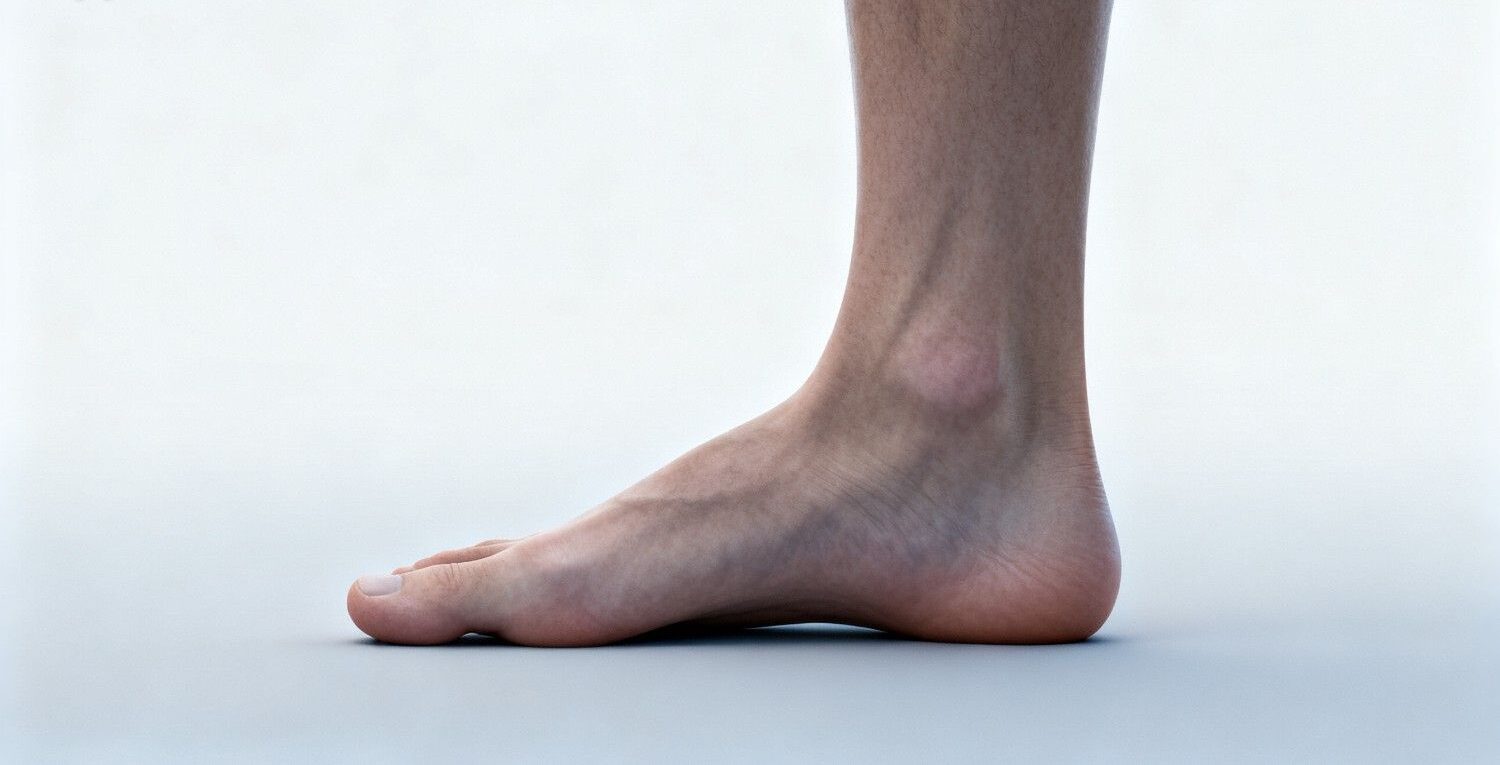
Overpronation refers to the inward rolling of the foot during walking or standing. A small amount of this motion is normal and helps absorb shock. The issue arises when the movement becomes excessive and the arch collapses more than it should under pressure.
If insoles are your next step, see our guide to the best insoles for overpronation.
This can affect how your body distributes weight. Instead of moving evenly through the foot, pressure shifts toward the inner side, which can influence alignment further up the body.
It’s also important to understand that overpronation and flat feet are related—but not identical. One describes movement, the other structure. If you’re unsure how they connect, this explanation of flat feet vs overpronation helps clarify the difference.
How Overpronation Develops
Overpronation doesn’t usually come from a single cause. It tends to develop gradually from a combination of structural and functional factors.
In many cases, the foot has the ability to move correctly, but over time, it loses control under load. That’s when the inward roll becomes more noticeable.
The arch itself isn’t a fixed structure—it’s supported by muscles, tendons, and ligaments. When those systems are working well, the foot can adapt and stabilize. When they’re not, the arch may collapse more easily during movement.
What Causes Overpronation?
Several factors contribute to overpronation:
Muscle weakness
The small stabilizing muscles in the foot and ankle help control movement. When they’re weak, the foot may roll inward more easily.
Tendon strain
The posterior tibial tendon plays a key role in supporting the arch. If it becomes fatigued or strained, it may not hold the foot in a stable position.
Ligament structure
Some people naturally have more flexible or looser ligaments, which can make the arch less stable under load.
Repetitive stress
Long periods of standing, walking on hard surfaces, or high-impact activity can gradually increase strain on the foot.
If you want a deeper look at how these factors develop over time, this guide on what causes flat feet explains the broader picture.
Risk Factors That Increase It
Certain everyday habits and conditions can make overpronation more noticeable.
Long work shifts
Standing or walking for extended periods reduces muscle endurance, making it harder for the foot to maintain stability.
Footwear
Shoes with little support or worn-out soles can allow the foot to collapse more easily.
Activity level
High-impact activities increase load on the foot, especially when recovery is limited.
Body load
More weight or pressure on the foot increases the demand on supporting structures.
These factors don’t guarantee problems, but they increase the likelihood that overpronation will affect comfort over time.
Early vs Advanced Signs
Overpronation doesn’t always feel the same for everyone. In early stages, it can be subtle and easy to overlook.
Early signs may include:
- mild foot fatigue after long periods of standing
- slight inward wear on shoes
- occasional arch discomfort
As it becomes more noticeable, symptoms can change:
- persistent foot or ankle discomfort
- reduced stability during movement
- discomfort spreading beyond the foot
Some people only notice symptoms during specific activities, while others feel them daily.
When It Becomes a Problem
Overpronation becomes more important to address when it starts affecting how you move or how your body feels during normal activity.
Signs that it may need more attention include:
- ongoing discomfort that doesn’t improve with rest
- visible changes in foot alignment during standing
- instability when walking or shifting weight
Because the foot is the foundation of movement, changes here can influence other areas. For example, alignment changes can contribute to discomfort higher up the body, which is explained further in why flat feet cause knee pain.
At this stage, focusing on how your foot functions—not just how it looks—becomes more important.
Improving Foot Function Without Insoles
If your goal is to fix overpronation naturally, the focus shifts from adding support to improving how your foot works on its own. That means building strength, improving control, and managing how much load your feet handle each day.
Foot-strengthening exercises are often the starting point. Movements like short-foot activation, toe raises, and controlled balance work can help engage the small muscles that support the arch. Over time, this can improve how your foot stabilizes during walking and standing.
Movement awareness also matters. Many people aren’t conscious of how their feet land or how their weight shifts. Paying attention to how you stand and walk—especially avoiding excessive inward collapse—can help reduce unnecessary strain.
Load management is just as important as strength. If your daily routine includes long periods of standing or walking, your muscles may fatigue before they can support the arch properly. Taking short breaks, changing surfaces when possible, or alternating activity levels can help prevent overload.
Three Exercises to Start With
- Short-foot exercise: sit or stand and draw the ball of the foot toward the heel without curling the toes, so the arch lifts. Hold 5 seconds, repeat 10 times per foot.
- Calf raises: rise onto the balls of your feet slowly, keep the heels pointing straight up rather than rolling inward, and lower for three seconds. Two sets of 12.
- Single-leg balance: stand on one foot for 30 seconds, keeping the knee over the second toe. Do three rounds per side.
Start gently, do them 3 to 4 times a week, and stop if anything causes sharp pain. Most people need a few weeks to feel more control. Gradual changes work better than big ones; see mild vs severe overpronation to judge how far your foot rolls.
What to Expect
| Level | What natural methods can do |
|---|---|
| Mild | Exercises and stable shoes are often enough to reduce symptoms |
| Moderate | Exercises help, but a stability shoe or structured insole usually adds a lot |
| Severe | Exercises support the foot, but shoes, insoles or a podiatrist visit are usually needed |
Where Insoles Still Fit In
Even if you want to improve your foot naturally, it doesn’t mean insoles have no role.
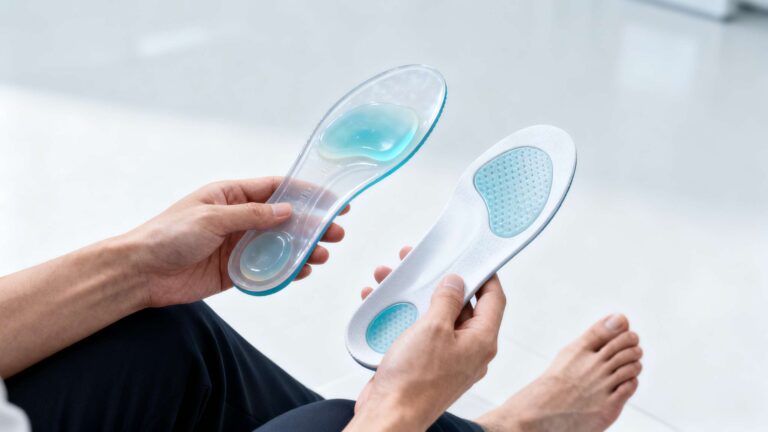
Insoles can act as temporary support while your foot adapts. They help redistribute pressure and reduce strain during long periods of activity. For example, people who spend many hours standing may still benefit from supportive options like insoles for standing all day while working on strengthening at the same time.
The key distinction is this: insoles support the foot from the outside, while exercises and movement improvements work from within.
In many cases, combining both approaches leads to better long-term results than relying on one alone.
Our picks: If you decide to add support while you build strength, these are two we would start with. More are in our guide to insoles for overpronation.
Stability Running Insoles – A deeper heel cup and firm support on the inner side to limit the inward roll.
Moderate Support Insoles – A gentler arch with balanced cushioning, a lighter way to start.
When Professional Help Is Needed
There are situations where natural methods may not be enough on their own.
If you experience persistent pain, noticeable instability, or symptoms that continue to worsen, it’s worth getting a professional evaluation. This is especially important if discomfort begins to affect daily movement or spreads beyond the foot.
A specialist can assess how your foot moves under load and determine whether additional support, rehabilitation, or other interventions are needed.
Ignoring ongoing symptoms can lead to compensation patterns that affect other areas of the body over time.
Preventing It From Getting Worse
Even if you already have overpronation, simple habits can help prevent it from progressing.
Wearing supportive footwear is one of the easiest ways to reduce unnecessary strain. Shoes that maintain their structure and provide basic stability can make a noticeable difference.
Consistency with movement is also important. Regular walking, light strengthening, and avoiding long periods of inactivity help maintain foot function.
Rotating activity levels can reduce repetitive stress. Doing the same high-load activity every day without variation increases fatigue and makes it harder for the foot to recover.
Small, consistent habits tend to have a greater impact than occasional intense effort.
A Simple Way to Think About It
Improving strength and movement helps your foot function better over time, while external support helps manage stress in the moment.
They’re not competing approaches—they serve different roles.
Common Questions
Can overpronation be fixed naturally?
It can often be improved. Strengthening muscles and improving movement patterns can help reduce excessive inward rolling, even if the underlying structure doesn’t fully change.
How long does it take to see improvement?
It varies. Some people notice small changes within a few weeks, while more consistent improvement may take longer depending on daily load and activity levels.
Do exercises replace the need for insoles?
Not always. Exercises address function, while insoles provide support. In many cases, using both together gives better results than relying on only one.
Is barefoot walking helpful?
In controlled environments, it may help strengthen the foot. On hard surfaces or during long periods, it can increase strain if the foot isn’t ready.
Can overpronation get worse over time?
Yes. Without support or proper management, repeated stress can make the inward movement more noticeable and increase discomfort.
How do I stop my feet rolling inward when I walk?
Start with the exercises above, wear shoes with a firm heel and good stability, and pay attention to keeping your knee over your second toe as you step. A gait analysis at a running shop or a physical therapist can show how far your foot rolls and what would help most.
Final Thoughts
Fixing overpronation naturally isn’t about forcing your foot into a different shape—it’s about improving how it handles movement and load.
For some people, that means small adjustments and gradual improvement. For others, it may require a combination of strengthening, better movement habits, and occasional support.
Understanding the difference between structure and function makes it easier to approach the problem realistically. When you focus on how your foot works—not just how it looks—you give yourself the best chance of reducing strain and moving more comfortably over time.