Do Flat Feet Get Worse Over Time?
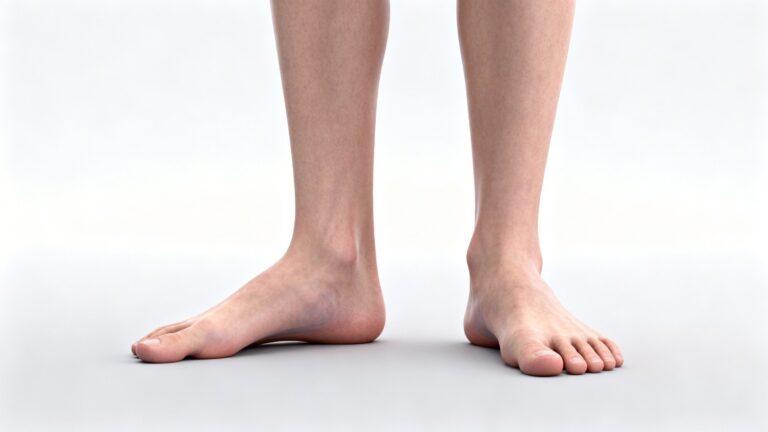
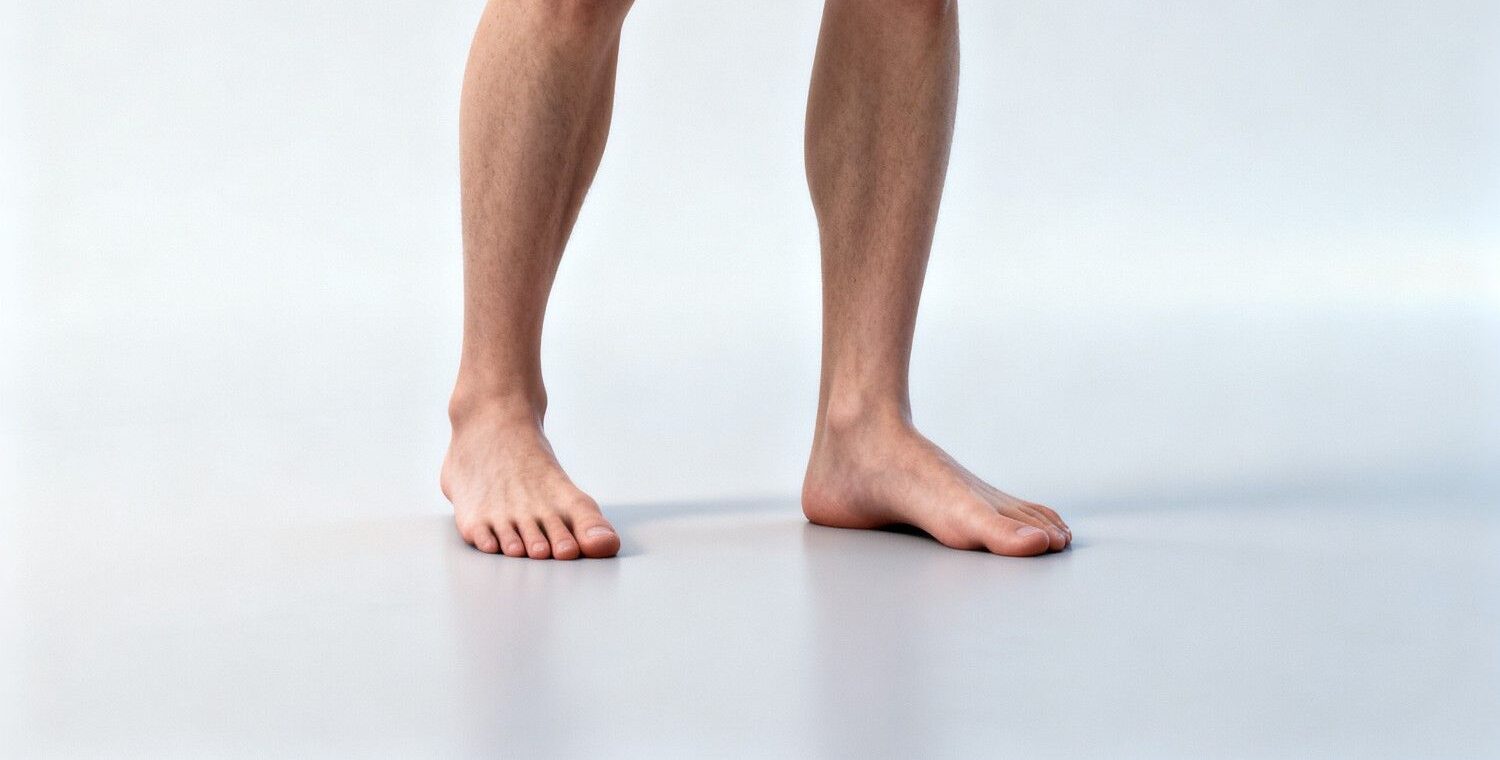
Flat feet can stay stable for years in some people, while in others they gradually become more noticeable with age, weight changes, long periods of standing, or repeated strain on the feet and ankles. Many people first notice the problem when their feet begin feeling more tired after walking, their shoes wear unevenly, or discomfort spreads into the knees or lower back by the end of the day.
The reason flat feet sometimes worsen over time is that the structures supporting the arch can slowly lose strength or stability. Tendons, ligaments, muscles, and joint alignment all play a role in keeping the foot balanced during movement. When those structures are overloaded repeatedly, the arch may flatten more during standing and walking.
Some people are born with naturally low arches and never develop symptoms. Others experience gradual progression due to lifestyle factors, injuries, aging, or changes in body mechanics. In many cases, the condition becomes more noticeable during adulthood when daily stress on the feet increases.
For background on the condition itself, read our flat feet guide.
People who spend long hours standing on hard surfaces often notice symptoms earlier. Jobs that involve constant walking, lifting, or repetitive movement can place extra strain on the arch and ankle area throughout the day. Over time, this can lead to fatigue, instability, and changes in the way the foot absorbs pressure.
How Flat Feet Change Over Time
Flat feet do not always progress in a straight line. Some people experience mild symptoms for years, while others notice worsening discomfort during periods of increased activity or weight gain.
The arch of the foot works like a support system that helps distribute force during movement. When the arch becomes weaker or collapses more than normal, pressure shifts into surrounding structures. This can affect the ankles, knees, hips, and lower back during walking.
In the early stages, symptoms are often subtle:
- foot fatigue after standing
- soreness near the arch
- occasional ankle discomfort
- shoes wearing unevenly
As the condition progresses, the foot may roll inward more during movement. This inward rolling pattern is commonly associated with overpronation. People who are unsure about the difference can learn more through flat feet vs overpronation, since the two conditions are related but not identical.
Over time, the foot may also become less efficient at handling impact. Walking long distances, climbing stairs, or standing for several hours may start causing discomfort that did not exist before.
Why Some People Develop Worse Symptoms
Several factors can increase the likelihood of flat feet becoming more problematic over time.
Weakening Tendons and Ligaments
The posterior tibial tendon plays an important role in supporting the arch. If this tendon becomes strained or weakened, the foot may gradually flatten more during walking.
Ligaments can also lose elasticity with age or repetitive stress. When the supporting structures become less stable, the arch may no longer maintain its normal position under body weight.
Weight Gain and Increased Load
Extra body weight places additional pressure on the feet throughout the day. Even moderate weight gain can increase strain on the arch during standing and walking.
People who work on concrete floors or spend most of the day moving often notice this effect more quickly because the feet absorb repeated impact for hours at a time.
Footwear and Support Problems
Shoes with poor structure or worn-out soles may allow the foot to collapse inward more easily. Soft shoes without enough stability can sometimes worsen fatigue during long periods of use.
This is one reason why supportive footwear becomes more important as symptoms progress. The goal is not to “fix” the foot permanently, but to reduce stress on overloaded areas during daily movement.
Injuries and Previous Strain
Past ankle injuries, tendon strain, or repeated stress from sports can change the mechanics of the foot over time. In some cases, symptoms begin years after the original injury.
People who already have naturally low arches may be more sensitive to these changes because the foot has less structural support to begin with.
Signs That Flat Feet May Be Progressing
Many people with flat feet do not notice progression immediately because the changes happen gradually.
One common sign is increasing fatigue in the feet and ankles later in the day. Activities that once felt manageable may start causing soreness after long periods of standing or walking.
Some people also notice:
- swelling near the inside ankle
- arch pain after activity
- stiffness in the feet during the morning
- balance changes during movement
- increased pressure in the knees
As foot alignment changes, stress can travel upward into other joints. This is one reason flat feet are sometimes connected to knee discomfort and walking mechanics. why flat feet cause knee pain explains how changes in foot position can affect the rest of the body during movement.
When Flat Feet Become More Than a Minor Issue
Flat feet become more concerning when symptoms begin affecting daily function or movement quality.
For example, some people start avoiding walks, exercise, or long shifts at work because of fatigue or discomfort. Others notice worsening ankle instability or persistent pain after activity.
In adults, one important warning sign is when only one foot becomes significantly flatter over time. A rapidly changing arch can sometimes indicate tendon dysfunction or another structural issue that should be evaluated medically.
Pain that becomes consistent rather than occasional is another sign that the condition may be progressing. Instead of mild soreness after a long day, discomfort may begin appearing during normal daily activity.
Understanding what causes flat feet can also help explain why some people experience stable arches for years while others develop worsening symptoms later in life.
Managing Flat Feet Before Symptoms Get Worse
Flat feet cannot always be reversed, especially when the arch structure has been present for many years. However, many people are able to reduce discomfort and slow progression by improving support, movement habits, and daily foot load.
One of the most effective adjustments is reducing repetitive strain on the feet during long periods of standing or walking. Taking short breaks, changing footwear regularly, and avoiding worn-out shoes can help decrease stress on the arch and ankle area.
Strengthening exercises may also help improve foot stability. Movements that target the calves, ankles, and small muscles inside the foot can improve balance and support during walking. Stretching tight calf muscles is important as well, since limited ankle mobility can increase pressure on the arch over time.
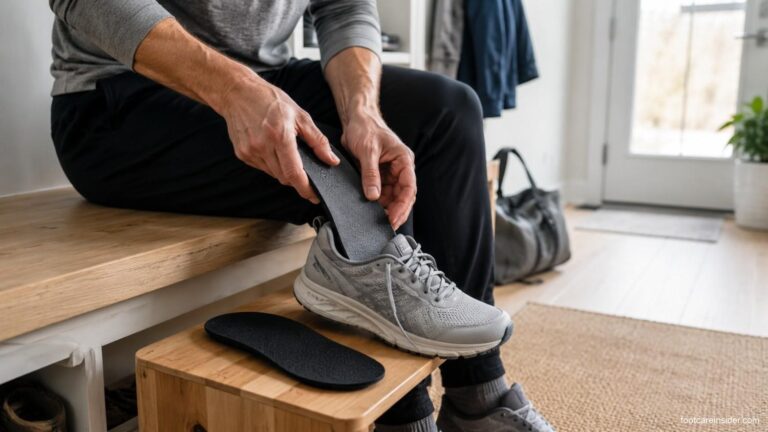
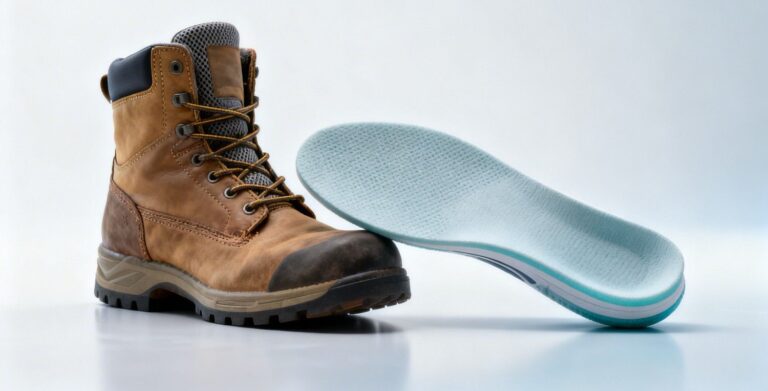
Some people benefit from supportive insoles, especially if they spend most of the day on hard floors. Insoles are not a cure for flat feet, but they can help reduce fatigue and improve pressure distribution during daily activity. People who stand for extended periods may also benefit from supportive footwear combined with insoles for standing all day when extra cushioning and structure are needed.
Weight management can also make a noticeable difference. Even small reductions in body weight may decrease pressure on the feet during movement, especially for people experiencing end-of-day soreness or ankle fatigue.
When Medical Evaluation Is Recommended
Mild flat feet without pain are often not considered dangerous. However, some situations deserve medical attention, especially if symptoms continue getting worse.
A healthcare professional may recommend evaluation if there is:
- persistent pain during normal activity
- swelling near the inner ankle
- increasing instability while walking
- significant changes in foot shape
- symptoms affecting work or exercise
Adults who suddenly develop flat feet on one side should also be evaluated. This can sometimes point to posterior tibial tendon dysfunction or another structural problem requiring treatment.
In some cases, imaging or gait analysis may be used to understand how the foot is functioning during movement. Treatment recommendations vary depending on severity, flexibility of the arch, and overall joint alignment.
Preventing Additional Strain on the Feet
Not everyone with flat feet will develop worsening symptoms, but reducing long-term strain can help lower the risk of progression.
Simple habits often make a bigger difference than people expect:
- replacing worn shoes before support breaks down
- avoiding unsupportive footwear for long work shifts
- alternating high-impact activities with recovery time
- improving ankle and calf mobility
- maintaining healthy walking mechanics
Supportive shoes generally provide more stability than extremely soft footwear. Soft cushioning may feel comfortable initially, but excessive softness sometimes allows the foot to collapse inward more during long periods of standing.
For some people, a combination of supportive footwear and moderate arch support creates a better balance between comfort and stability than either approach alone.
Common Questions
Can flat feet become painful later in life?
Yes, some people develop symptoms gradually as the feet experience more stress over time. Aging, weight changes, tendon weakness, and long periods of standing can all increase strain on the arch and ankle structures.
Do flat feet always get worse with age?
Not necessarily. Many people live with flat feet for years without major problems. Symptoms are more likely to progress when there is repetitive stress, poor support, injury history, or underlying tendon weakness.
Can supportive shoes stop flat feet from worsening?
Supportive shoes cannot permanently change foot structure, but they may reduce strain on the feet during walking and standing. Better support often helps decrease fatigue and improve comfort throughout the day.
Is it normal for flat feet to cause knee pain?
It can happen in some people because changes in foot alignment affect how the legs move during walking. Increased inward rolling of the foot may place additional stress on the knees over time.
Should adults worry if one arch suddenly drops?
Yes. A sudden change in one foot, especially with pain or swelling, should be evaluated medically. It may indicate tendon dysfunction or another structural issue that needs treatment.
Conclusion
Flat feet do not always worsen, but they can become more noticeable over time when the feet are exposed to repeated stress, poor support, or changes in body mechanics. For many people, symptoms develop gradually through fatigue, instability, or discomfort during standing and walking.
The earlier supportive habits are introduced, the easier it often becomes to manage daily strain on the feet. Paying attention to footwear, movement patterns, and worsening symptoms can help reduce long-term stress and improve overall comfort during daily activity.