Best Insoles for Running With Overpronation
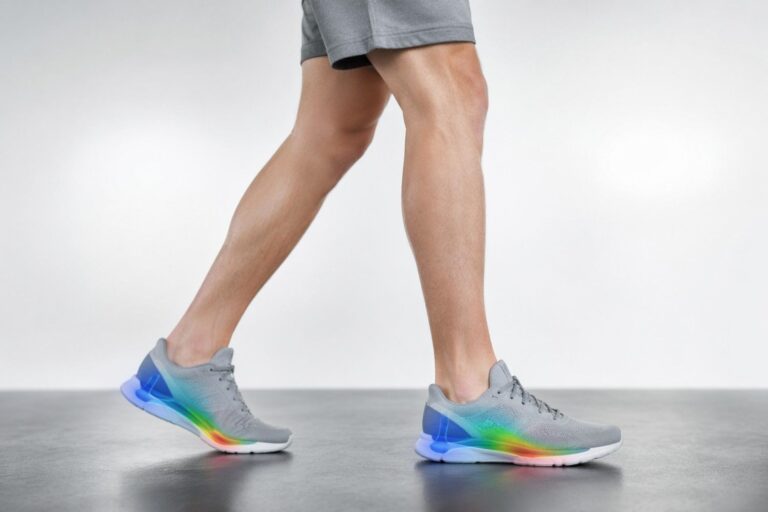
Running with overpronation can feel manageable at first, especially during shorter workouts. But over time, repeated inward foot rolling may start causing arch fatigue, ankle strain, shin discomfort, or even knee pain after runs. Some runners notice symptoms gradually building during higher mileage weeks, while others feel instability almost immediately after switching shoes or increasing training intensity.
The best running insoles overpronation support should help stabilize foot movement during impact, reduce excessive inward rolling, and maintain comfort without making the shoe feel overly rigid. The goal is not simply adding softness under the foot. A good running insole should work with your stride pattern and help the body move more efficiently during repeated impact.
Choosing the wrong type of support can sometimes make running feel worse. Overly soft inserts may compress too quickly during repetitive motion, while excessively rigid support may feel uncomfortable during longer runs. The right balance usually depends on running style, symptom severity, and the type of shoe being used.
This guide explains how overpronation affects running mechanics, what features actually matter in a running insole, and how to choose support based on training style and comfort needs.
Why Overpronation Matters More During Running
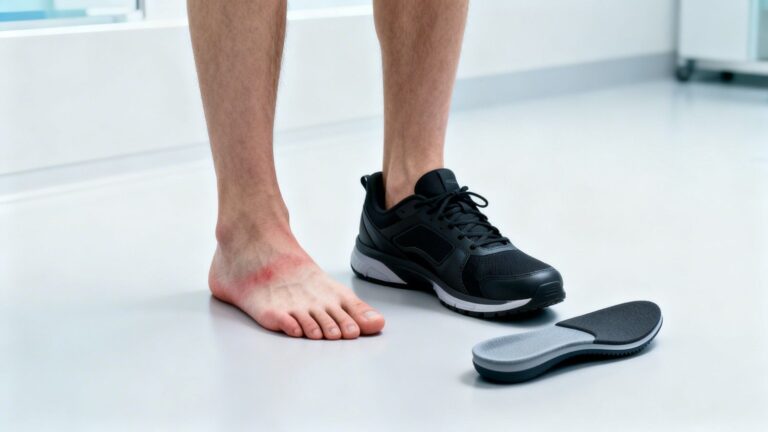
Overpronation happens when the foot rolls inward excessively during movement. Some inward motion is normal and helps absorb impact, but excessive rolling may place additional stress on the feet and lower legs over time.
Running increases the demands on the body because every step creates repeated force through the arches, ankles, knees, and hips. Unlike standing or casual walking, running multiplies impact and requires faster stabilization during movement.
Over time, poor foot control during running may contribute to:
- arch fatigue
- shin discomfort
- ankle instability
- knee strain
- uneven shoe wear
The effects are often more noticeable during longer runs or higher weekly mileage because the feet absorb repetitive stress continuously.
Overpronation and flat feet are closely connected, although they are not identical conditions. Learn more about the differences between flat feet and overpronation and how inward rolling movement affects running and walking mechanics.
Why Standard Running Insoles Often Fall Short
Many basic running insoles focus mostly on soft cushioning rather than movement control. While softness can feel comfortable initially, it often does little to stabilize excessive inward foot motion during repeated impact.
Common issues with low-quality insoles include:
- flattening under pressure
- weak arch support
- poor heel stability
- fast material breakdown
- inconsistent support during runs
This becomes especially noticeable during long-distance running or repeated training sessions. Soft foam may absorb impact temporarily but often lacks enough structure to guide foot movement properly.
Gel cushioning can improve shock absorption, but some runners with moderate or severe overpronation still need firmer support to maintain stability throughout the stride cycle.
Features That Actually Matter for Running
The best support for overpronation usually balances stability, comfort, and durability rather than focusing entirely on one area.
Arch Support
Arch support helps reduce excessive inward rolling during the running stride. Proper support may improve alignment and reduce repetitive strain on the lower legs.
The support should feel stable without creating sharp pressure under the arch. Runners often tolerate moderate structure better during longer distances than extremely aggressive correction.
Heel Stability
Heel movement plays a major role in running mechanics. A supportive heel cup can help guide foot positioning more evenly during impact and push-off phases.
This often becomes more important as running distance increases and muscle fatigue starts affecting stability.
Cushioning vs Control
Running insoles need enough cushioning to absorb impact without becoming unstable under load.
Soft foam usually feels more comfortable initially, but firmer EVA materials often maintain structure better during repeated running sessions. Gel tends to prioritize shock absorption, while EVA usually balances responsiveness and support more effectively for longer-term use.
Durability
Running places constant stress on insoles. Thin foam inserts may compress quickly under repeated mileage, especially for heavier runners or people training multiple times per week.
Higher-density materials generally maintain support more consistently during long-term use.
Choosing Based on Running Style
Different runners place different demands on their footwear and support system.
Short-Distance or Casual Running
People running shorter distances or occasional workouts often benefit from moderate support and balanced cushioning. Excessively rigid support may feel unnecessary for lighter activity levels.
Long-Distance Running
Longer mileage usually requires better motion control and durability because fatigue increases as runs progress. Insoles that maintain structure over time often perform better for endurance runners.
Mixed Daily Use
Some runners wear the same shoes for walking, errands, work, and exercise. In these cases, balanced support and comfort often matter more than aggressive correction.
People who spend long periods on their feet outside of training may also benefit from insoles for standing all day when fatigue continues beyond workouts.
Matching Support to Symptom Severity
The right support level often depends on how strongly overpronation affects movement and comfort during running.
Mild Overpronation
People with occasional arch fatigue or mild instability may do well with moderate support and balanced cushioning. The goal is often reducing stress before symptoms progress further.
Moderate Running Fatigue
If discomfort regularly develops during or after runs, stronger stability and better heel control usually become more important than softness alone.
Severe Instability or Ongoing Pain
Runners with strong inward rolling, repeated ankle strain, or persistent knee discomfort often benefit from firmer support and more structured motion control.
For broader support options across different foot types and activity levels, best insoles for flat feet explains how support categories vary based on movement and daily use.
Structured Stability Insoles
These are usually best for runners who experience noticeable inward foot rolling, ankle instability, or knee discomfort during longer runs. Structured stability insoles focus on controlling movement while maintaining enough comfort for repeated impact.
The biggest advantage is consistent support during the stride cycle. Firmer structure often helps reduce excessive motion as fatigue builds later in a run.
The downside is that some runners need time to adjust to the firmer feel, especially if they are used to soft cushioned inserts.
Compared to softer comfort-focused designs, structured stability insoles prioritize alignment and control over plush cushioning.
Cushioned Support Insoles
These are often a good fit for runners who want a balance between impact absorption and moderate support. They tend to work well for mixed routines involving running, walking, and daily wear.
The cushioning helps reduce repetitive pressure while the support layer improves stability during movement. Many casual and mid-distance runners prefer this middle-ground feel.
The limitation is that softer cushioned models may lose structure faster under heavy weekly mileage.
Compared to orthotic-style support, cushioned support insoles usually feel more flexible and forgiving during shorter runs.
Firm Orthotic-Style Running Insoles
These are generally more suitable for runners with stronger overpronation patterns or recurring pain that has not improved with softer support options.
Orthotic-style insoles focus heavily on motion control and structural alignment. They often perform well during higher mileage because they maintain shape more consistently under repeated impact.
The tradeoff is flexibility. Some runners find them too rigid for casual jogging or lighter activity, especially during the adjustment period.
Compared to gel-focused inserts, orthotic-style running insoles prioritize stability more aggressively than cushioning.
Gel-Focused Comfort Insoles
These are often better for runners whose main issue is impact fatigue rather than severe instability. Gel cushioning can reduce harsh ground feel during shorter runs or treadmill sessions.
Many runners enjoy the softer feel initially, especially on hard surfaces.
The limitation is reduced motion control. Gel-heavy designs sometimes compress too much for runners with moderate or severe overpronation, particularly during longer runs.
Compared to EVA support systems, gel inserts usually focus more on comfort than long-term structural stability.
Low-Profile Running Insoles
These are designed for tighter-fitting running shoes where thicker orthotic support may not fit comfortably. They are commonly used in lightweight trainers or performance-focused shoes.
The main advantage is compatibility. Runners can improve support without dramatically changing shoe fit or feel.
The downside is reduced cushioning and less aggressive correction compared to thicker stability-focused models.
Compared to full-support orthotic designs, low-profile insoles prioritize responsiveness and lighter weight.
Comparing Comfort, Stability, and Durability
Structured support generally performs better for controlling inward foot motion during longer or more demanding runs. Softer cushioned designs often feel more comfortable initially but may lose support faster under repeated mileage.
Orthotic-style insoles typically provide the strongest stability for severe overpronation, while cushioned support models often feel more natural for mixed daily use. Gel cushioning reduces impact well but may not provide enough control for runners needing stronger alignment support.
Durability also matters more for runners than casual daily users. Higher-density EVA and polyurethane materials usually maintain performance longer during repeated training sessions.
Common Questions
Can running insoles actually help with overpronation?
They can help improve foot stability and reduce excessive inward rolling during running. Better support may also reduce strain traveling into the ankles, knees, and lower legs over time.
Should running insoles feel firm or soft?
Most runners with overpronation benefit from a balance between cushioning and structure. Extremely soft insoles may feel comfortable initially but often provide less control during longer runs.
How long does it take to adjust to supportive running insoles?
Some runners adjust within a few runs, while others need one to two weeks. Firmer support designs usually require a short break-in period before feeling fully natural.
Do I still need stability running shoes if I use insoles?
It depends on the severity of overpronation and the type of shoe being used. Some runners combine supportive insoles with stability shoes for added control, while others prefer neutral shoes with moderate insole support.
Can the wrong insoles make running discomfort worse?
Yes. Insoles that collapse too easily or fail to stabilize the foot properly may allow poor movement patterns to continue, increasing fatigue and discomfort during runs.
Clear Verdict
The best insoles for running with overpronation depend on how much support and control the runner actually needs during movement. Runners dealing with strong inward rolling or repeated fatigue often benefit more from structured stability, while lighter runners or casual joggers may prefer a softer balance between cushioning and support.
Long-distance running usually demands better durability and motion control than occasional workouts. Choosing support based on running style, symptom severity, and comfort preference often leads to better long-term performance than focusing on softness alone.