Overpronation and Knee Pain: Causes and Relief
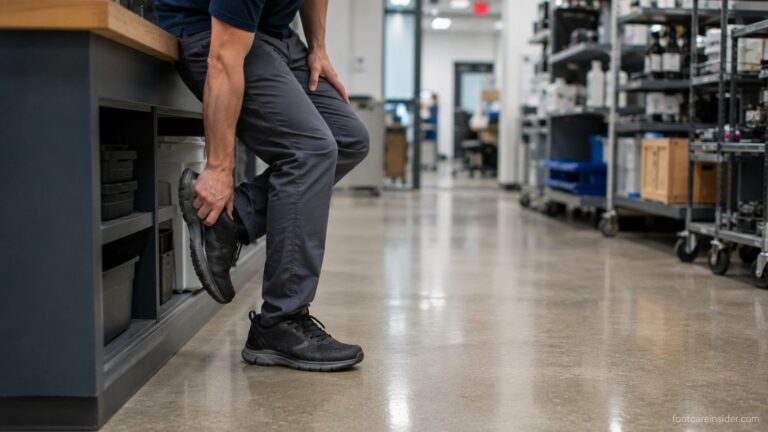
If your knees start to ache after a long day on your feet, it’s easy to assume the problem is in the knee itself. But in many cases, the source of that discomfort begins lower down—at the way your feet move when you walk or stand. Overpronation, or excessive inward rolling of the foot, can quietly influence how pressure travels through your legs, sometimes leading to strain that reaches the knees.
This connection isn’t always obvious. You might notice knee discomfort during activity or after standing for long periods without realizing that your foot mechanics are playing a role. Understanding how overpronation affects the body can help you make better decisions about managing both foot function and knee comfort.
What Is Overpronation?
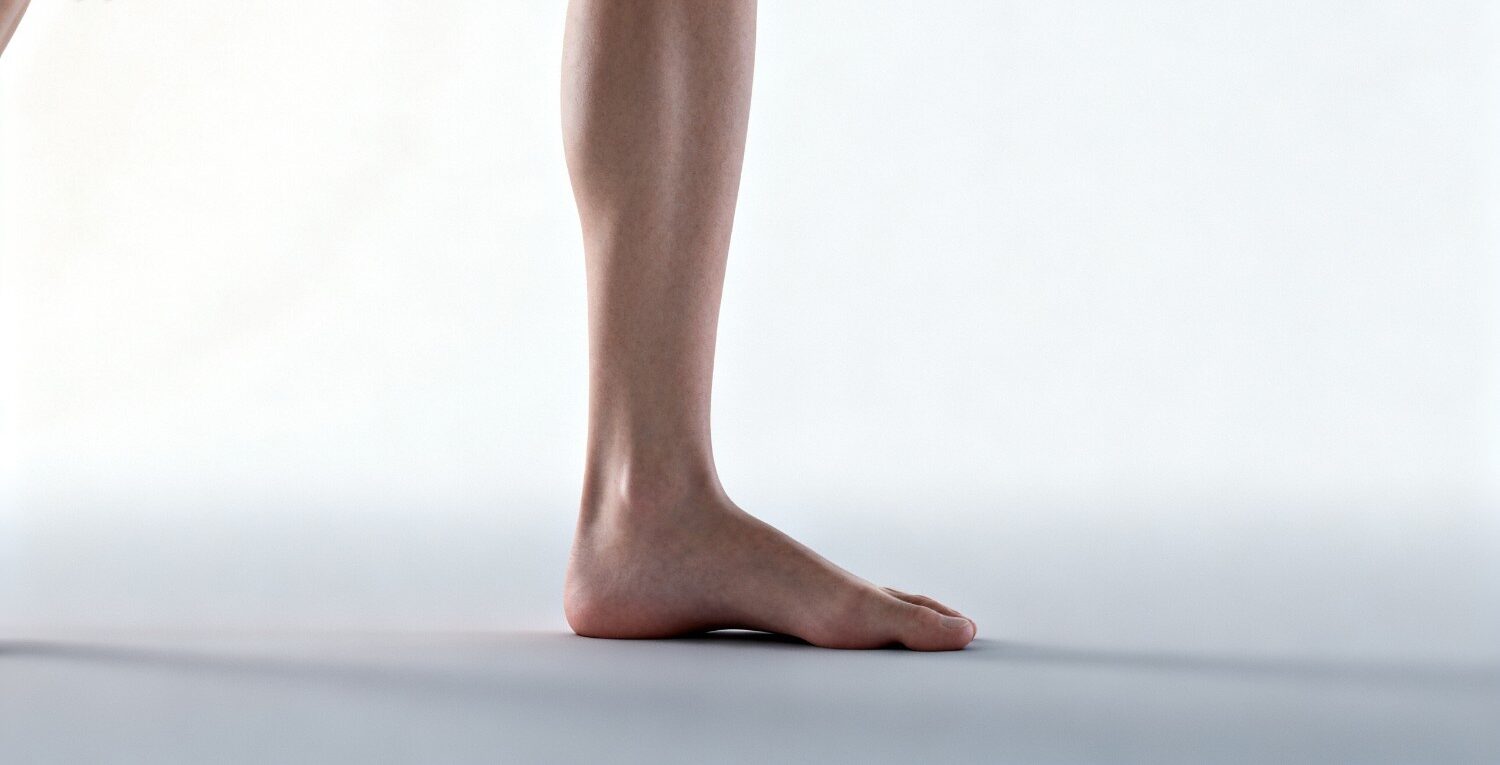
Overpronation refers to the way your foot rolls inward during movement. A certain amount of inward motion is completely normal—it helps absorb impact and adapt to different surfaces. The issue arises when that motion becomes excessive or continues longer than it should.
When the foot rolls too far inward, the arch flattens more than necessary. Instead of stabilizing after contact with the ground, the foot remains in a collapsed position. This can change how force is distributed through the foot and up the leg.
When you’re ready to choose a pair, our insoles for overpronation comparison covers the best options.
It’s important to distinguish this from flat feet, which describe the structure of the arch rather than how the foot moves. The two are related but not identical. For a clearer explanation of how they differ, see flat feet vs overpronation.
How Overpronation Affects the Knee
Your body works as a connected chain. What happens at the foot doesn’t stay at the foot—it influences alignment all the way up through the ankle, knee, and hip.
When overpronation occurs, the inward roll of the foot can cause the lower leg to rotate slightly inward as well. This rotation may shift the alignment of the knee joint, placing uneven pressure on certain structures.
Over time, this altered movement pattern can lead to:
- increased stress on the inner side of the knee
- reduced stability during walking or standing
- gradual buildup of discomfort with repeated activity
This doesn’t mean overpronation always leads to knee pain, but it can be a contributing factor—especially when combined with long periods of standing, walking, or high-impact movement.
Where Knee Pain From Overpronation Usually Shows Up
When the foot rolls in and the lower leg rotates with it, people most often feel the strain on the inner side of the knee or around the kneecap. It tends to build up after long periods of standing or walking, on stairs, and when walking downhill, and it often eases with rest.
Knee pain has many possible causes, including joint wear, ligament or cartilage injury and overuse, so overpronation is only one possible contributor. The signs below can help you judge whether your feet may be involved, but they are not a diagnosis.
Why Overpronation Happens, in Brief
Overpronation usually comes from a mix of weak foot and lower-leg muscles, a strained posterior tibial tendon, flexible ligaments and foot shape. Long hours on your feet, worn-out shoes and extra load make it more noticeable. We cover each cause, the risk factors and the early and advanced signs in our guide to the causes of overpronation. To judge how serious yours is, see mild vs severe overpronation. For the structural side, see what causes flat feet.
How to Tell If Your Feet Could Be Contributing
- Your shoes wear down on the inside edge of the heel or the ball of the foot.
- Your arch flattens when you stand up from sitting, or the inside of the ankle bulges inward.
- Your knee drifts inward when you bend slightly on one leg or step down from a stair. Try it in front of a mirror.
- The pain eases in more supportive shoes or after a day off your feet.
If two or more of these sound familiar, your foot mechanics are worth addressing along with the knee itself.
Improving Foot Function and Reducing Knee Strain
Managing overpronation starts with improving how your foot and lower body handle movement. Rather than focusing only on the knee, it’s more effective to address the pattern that leads to strain in the first place.
Strengthening exercises can help support the arch and improve control. Simple movements like arch lifts, toe raises, and balance work can activate the muscles that guide foot motion. Over time, this can reduce how much the foot collapses inward during walking.
Movement awareness also plays a role. Paying attention to how your feet land and how your weight is distributed can help limit unnecessary inward rolling. Even small adjustments in posture and walking patterns can reduce repeated stress on the knee.
Managing daily load is just as important. Long periods of standing or walking—especially on hard surfaces—can increase fatigue and make overpronation more noticeable. Taking short breaks, changing positions, or rotating activities can help reduce that buildup of strain.
Knee-Friendly Habits for Stairs, Hills and Long Days
- Take stairs and downhill sections at a steady pace, and avoid letting the knee fall inward as you step.
- Rotate between two pairs of supportive shoes, and replace shoes that are worn on the inner edge.
- Add hip and glute strengthening to your foot exercises. Physical therapists often include it when knee alignment is the issue.
- Build up walking and running distance gradually instead of making sudden jumps.
When Insoles Can Help
Insoles can be useful as a support tool, especially when daily activities put consistent pressure on your feet.
They work by helping guide foot alignment and distributing pressure more evenly. This can reduce how much the foot rolls inward and, in turn, lessen the stress that travels up to the knee.
For people who spend long hours on their feet, supportive insoles can make a noticeable difference in comfort. Options designed for extended standing can help manage daily load more effectively, as explained in insoles for standing all day.
That said, insoles don’t change the underlying structure of the foot or replace muscle function. They are most effective when used alongside strengthening and movement adjustments.
What to Look for in an Insole When Your Knees Are the Concern
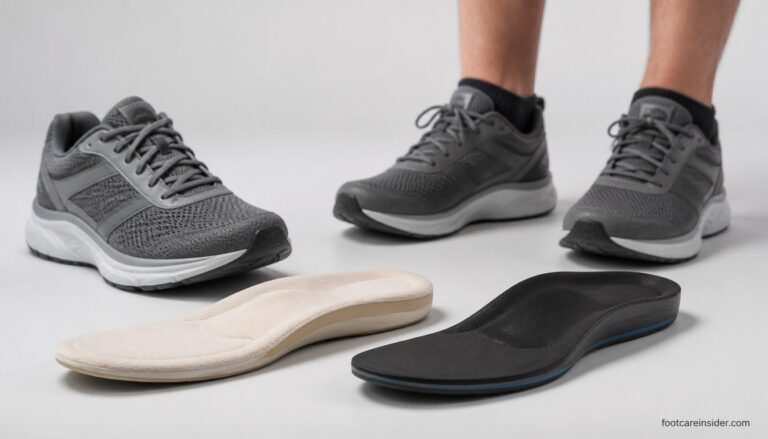
For overpronation-related knee strain, the goal is to limit how far the foot rolls in. That usually means a firmer, structured arch, a deep heel cup for control, and a shape that fits your shoe without crowding it. Very soft, flat cushioning feels comfortable but does little to guide the foot. Our insoles for overpronation comparison covers specific options, soft vs firm insoles explains the trade-off, and knee pain: insoles vs arch support looks at when each makes sense.
Give a new insole time. A few days to a couple of weeks of gradual wear is normal, as described in how long arch support takes to feel normal.
When to Seek Medical Advice
While many cases of overpronation can be managed with simple changes, there are situations where professional evaluation is important.
If knee pain becomes persistent, worsens over time, or doesn’t improve with rest, it may indicate that the joint is under ongoing stress. Swelling, instability, or sharp pain are also signs that should not be ignored.
Because foot mechanics can influence the entire lower body, ongoing knee discomfort may be linked to how pressure is distributed during movement. For a more detailed explanation of this connection, see why flat feet cause knee pain.
A healthcare professional can assess alignment, movement patterns, and overall joint function to determine whether additional support or treatment is needed.
Preventing Ongoing Strain
Preventing overpronation from continuing to affect your knees often comes down to consistent daily habits.
Wearing supportive, well-fitting footwear can help maintain alignment throughout the day. Shoes that provide stability without restricting natural movement are often the most effective.
Staying active in a balanced way is also important. Regular movement helps maintain strength and flexibility, but it’s equally important to avoid repetitive strain without recovery.
Simple habits—like replacing worn-out shoes, paying attention to posture, and avoiding long periods of continuous load—can make a meaningful difference over time.
A Simple Way to Understand It
Improving movement helps reduce the cause of strain, while insoles help manage the load during daily activity.
They serve different roles, but together they can make everyday movement more comfortable.
Common Questions
Can overpronation directly cause knee pain?
It can contribute. Overpronation changes how the lower leg aligns, which may place uneven stress on the knee over time.
Will fixing overpronation eliminate knee pain completely?
Not always, but improving foot mechanics can reduce one of the contributing factors, which may ease overall discomfort.
Do I need insoles if I already have knee pain?
Not necessarily, but they can help reduce strain during daily activity. Their usefulness depends on your specific movement patterns and needs.
Can exercises really help with overpronation?
Yes. Strengthening and control exercises can improve how the foot functions, which may reduce excessive inward movement.
Is this something that gets worse with age?
It can progress over time, especially if daily load and movement patterns aren’t managed. However, consistent care can help maintain function.
Which part of the knee hurts with overpronation?
Most people feel it on the inner side of the knee or around the kneecap, especially after long stretches of standing, walking or stairs. Pain in other spots, or pain with swelling, locking or giving way, deserves a medical check.
How do I know if it is my feet or my knee?
If your shoes wear unevenly, your arches flatten and the pain eases in more supportive footwear, your feet may be contributing. Only a clinician can confirm the cause of knee pain, so get it checked if it persists.
How long do insoles take to help knee strain?
Allow a couple of weeks of gradual wear before judging. Insoles reduce how far the foot rolls in, but they work best alongside strengthening and sensible activity changes.
Final Thoughts
Overpronation and knee pain are often connected through movement, not just structure. When the foot rolls inward excessively, it can influence how the entire lower body handles load, including the knee.
The key is not to focus only on the area that hurts, but to understand the pattern behind it. By improving foot function, managing daily load, and using support when needed, it becomes possible to reduce strain and move more comfortably.