Gel vs Foam Insoles for Long Standing Hours
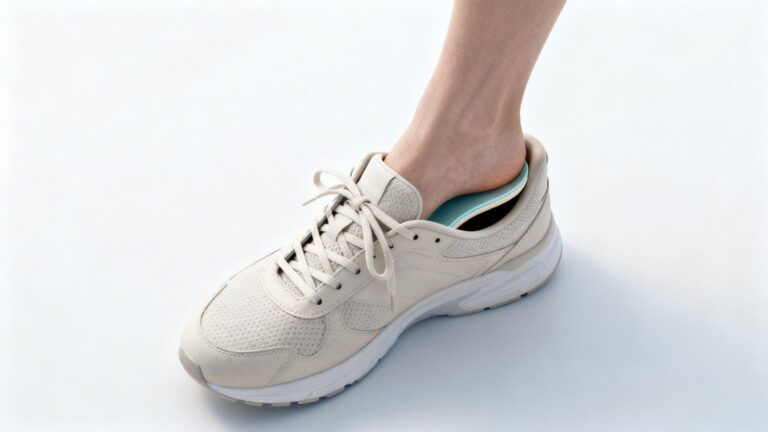
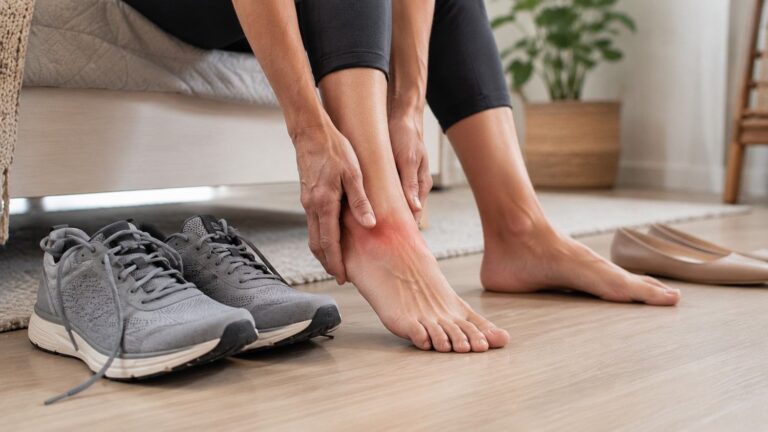
Standing for long hours can make almost any insole feel comfortable during the first hour, which is why many people struggle to decide between gel and foam support. Both are designed to reduce pressure and fatigue, but they behave very differently once the feet spend several hours under constant load.
Gel insoles focus more on shock absorption and pressure distribution, while foam insoles usually prioritize softer cushioning and overall comfort. The better choice often depends on how long you stand, the type of flooring involved, and whether stability becomes a problem later in the day.
For some people, softer foam reduces fatigue effectively during casual use. Others notice that gel support maintains responsiveness longer during demanding shifts or repetitive movement.
This comparison explains how both options perform during real standing conditions, where each type works best, and how they differ in comfort, durability, and long-term support.
What Gel Insoles Are Designed For
Gel insoles are primarily built to absorb impact and spread pressure more evenly during movement and standing.
The gel material compresses differently than traditional foam. Instead of flattening quickly, it tends to redistribute force across the foot surface. This can help reduce pressure buildup under the heel and forefoot during long periods on hard flooring.
Gel insoles are commonly used for:
- standing jobs
- walking on concrete floors
- repetitive movement
- shock absorption
- pressure-sensitive feet
Many people describe gel support as slightly firmer and more responsive than soft foam cushioning.
Some designs combine gel zones with structured arch support for added stability during longer work shifts.
What Foam Insoles Are Designed For
Foam insoles focus more on soft comfort and cushioning under the foot.
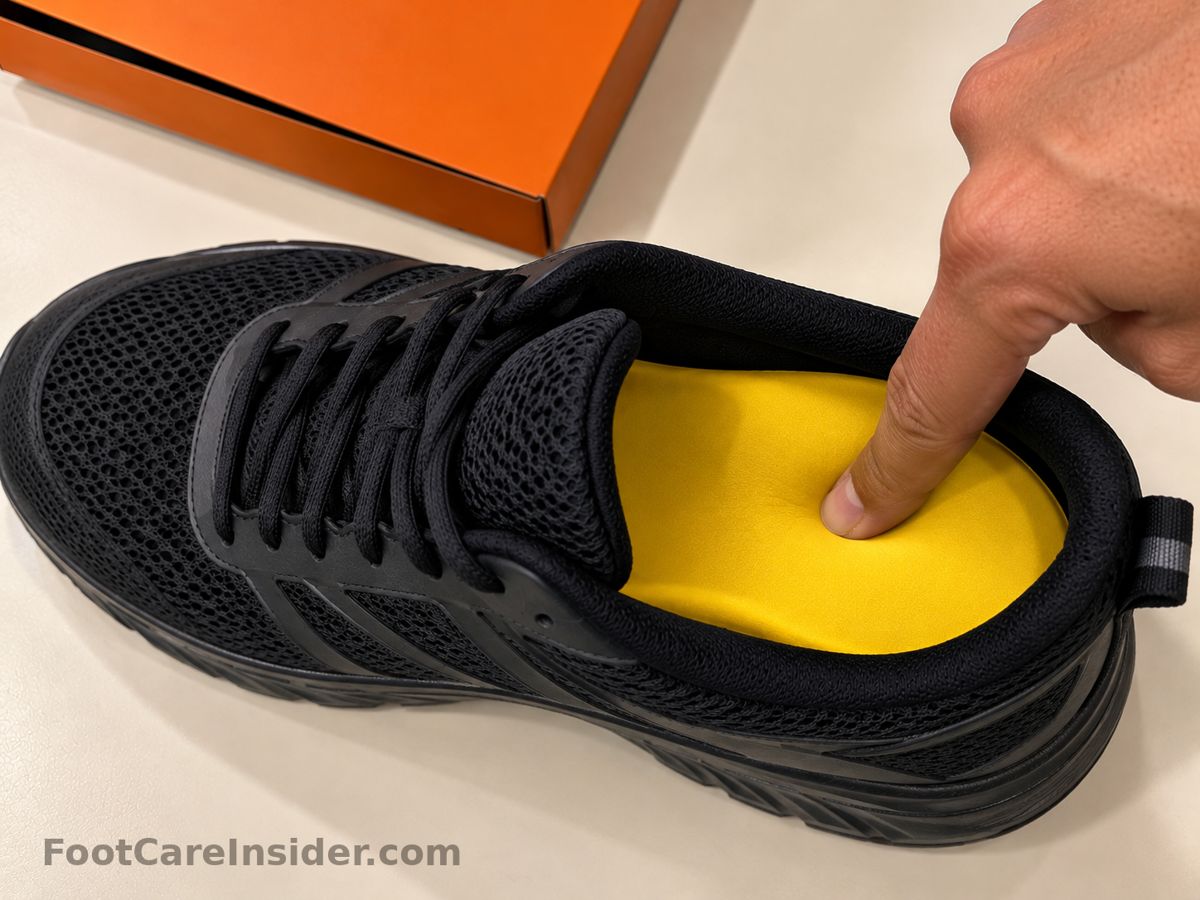
The foam compresses under body weight and molds slightly to pressure points during use. This softer feel is often comfortable immediately, especially in casual shoes or during lighter activity.
Foam insoles are commonly used for:
- casual daily wear
- soft cushioning
- general comfort
- reducing surface hardness
- lightweight shoe comfort
Compared to gel, foam usually feels softer at first contact. However, softer foam may compress more heavily during extended standing periods.
Many people also compare memory foam vs gel insoles when looking at pressure relief and long-term comfort differences.
Structural Differences Between Gel and Foam
The biggest difference is how the materials behave during repeated pressure.
Gel maintains elasticity longer during movement and standing. Foam tends to compress more directly under body weight.
Gel insoles often:
- feel denser
- absorb repeated impact well
- maintain responsiveness longer
- distribute pressure across wider areas
Foam insoles often:
- feel softer initially
- adapt quickly to foot pressure
- compress more deeply
- prioritize softness over responsiveness
This difference becomes noticeable during long work shifts. Foam may feel extremely comfortable early in the day but gradually flatten during repeated standing.
Gel support often feels more stable later in the day because the material resists compression more effectively.
Cushioning vs Stability During Long Standing
Soft cushioning and stable support are not always the same thing.
Foam usually provides softer underfoot comfort, which many people enjoy during shorter standing periods. But very soft foam can allow the foot to sink excessively during long shifts.
Gel support often creates a slightly firmer sensation but improves pressure distribution more consistently during repeated movement.
Some workers notice that excessive softness increases fatigue because the foot muscles work harder to stabilize balance over time.
This is especially important for people with flat feet or inward rolling movement patterns. Stronger support systems discussed in best insoles for flat feet may perform better than soft cushioning alone during extended standing.
Real-Life Standing Situations
Warehouse and Retail Jobs
People working on concrete floors often benefit from gel cushioning because the material handles repetitive impact well during long shifts.
Foam can still feel comfortable, but softer designs may compress faster under heavier daily load.
Healthcare and Nursing
Workers constantly moving between walking and standing often prefer balanced support rather than extreme softness. Gel designs sometimes perform better here because they combine responsiveness with moderate stability.
Support-focused options in insoles for standing all day are commonly designed for this type of repeated movement.
Casual Daily Standing
For lighter standing demands or occasional use, foam insoles may feel more comfortable because of their softer underfoot sensation.
Cost and Long-Term Value
Foam insoles are usually less expensive initially, especially softer comfort-focused models.
Gel insoles often cost slightly more because the material is designed for repeated pressure absorption and longer durability.
Long-term value depends heavily on daily use intensity. People standing for many hours each day may replace soft foam more frequently due to compression and flattening.
Gel designs generally maintain cushioning consistency longer under repeated stress.
Pros and Cons of Gel Insoles
Gel insoles are often chosen for their ability to absorb repeated impact during long standing hours. The material spreads pressure across the foot more evenly, which can reduce heel soreness and forefoot fatigue during demanding shifts.
This matters for people standing on concrete floors, moving constantly at work, or dealing with repetitive daily impact. Gel cushioning usually maintains responsiveness better throughout the day compared to very soft foam.
The downside is that some gel insoles can feel heavier or firmer inside certain shoes. People who prefer an extremely soft feel may find gel less comfortable during casual wear.
Some lower-quality gel designs also lack proper arch structure, meaning cushioning improves comfort but not necessarily stability.
Pros and Cons of Foam Insoles
Foam insoles are popular because they feel soft immediately. They cushion the foot gently and often make casual shoes feel more comfortable right away.
This softer feel can help reduce pressure during lighter daily activity or shorter standing periods. Foam also tends to feel lighter and more flexible inside everyday shoes.
The limitation is long-term compression. During repeated standing or physically demanding work, soft foam may flatten and lose support over time.
For some people, especially those with flat feet or instability, excessive softness can actually increase fatigue because the feet work harder to maintain balance throughout the day.
Who Should Choose Gel Insoles?
Gel insoles are usually the better option for people dealing with long standing shifts, repetitive walking, or harder flooring conditions.
This is often the right fit if:
- you stand for many hours daily
- your feet feel sore on concrete floors
- you need pressure distribution during movement
- you want cushioning that lasts longer through the day
- your shoes already have moderate support
Gel support often works well for warehouse workers, nurses, retail employees, and people moving continuously between walking and standing.
Compared to soft foam, gel typically performs better under repeated stress and heavier daily use.
Who Should Choose Foam Insoles?
Foam insoles are usually better for people focused mainly on softness and casual comfort.
This is often a good choice if:
- your standing periods are shorter
- you prefer softer underfoot feel
- your discomfort is mild
- you use casual or lightweight shoes
- stability is not a major concern
Foam cushioning can also feel more comfortable for relaxed daily wear where maximum support is less important.
Compared to gel, foam prioritizes softness and flexibility over long-term responsiveness.
Long-Term Comparison
Over time, gel insoles generally maintain cushioning consistency better during repeated standing and walking.
Foam tends to compress faster, especially under heavier body weight or long daily shifts. Once the material flattens significantly, comfort and support often decline together.
Gel support usually feels more stable later in the day because the material resists collapse more effectively during constant pressure.
That said, some people still prefer foam for lighter routines because the softer feel remains comfortable even if durability is lower.
Quick Comparison Summary
Gel insoles = better for long standing hours, pressure distribution, repeated movement, and durability
Foam insoles = better for soft comfort, casual wear, and lighter daily use
The better option depends more on workload and standing intensity than on softness alone.
Common Questions
Are gel insoles better for standing all day?
For many people, yes. Gel tends to handle repeated pressure and impact more consistently during long shifts compared to very soft foam materials.
Do foam insoles flatten quickly?
Some softer foam insoles compress noticeably over time, especially during heavy daily use or prolonged standing on hard flooring.
Which feels softer underfoot?
Foam usually feels softer immediately. Gel often feels slightly firmer but more responsive during repeated movement.
Are gel insoles good for flat feet?
They can improve comfort and pressure distribution, but people with flat feet may still need stronger arch support depending on their stability needs.
Which option lasts longer?
Gel insoles generally maintain performance longer during demanding daily use, while softer foam often wears down faster under constant pressure.
Our picks: If you stand for hours, these are the three we would start with.
Dr. Scholl’s Gel – Impact absorption for long shifts on concrete and other hard floors.
Dr. Scholl’s Memory Foam – A softer feel for lighter standing and everyday comfort.
Powerstep Maxx Support – Extra arch support with cushioning, for flat feet that need more than softness.
Final Verdict
Gel and foam insoles are designed for different priorities during long standing hours. Foam focuses more on immediate softness and casual comfort, while gel emphasizes pressure distribution, responsiveness, and repeated impact absorption.
People working long shifts on hard floors often benefit more from gel because the material maintains cushioning consistency better over time. Those looking mainly for soft everyday comfort may still prefer foam, especially for lighter activity.
The better choice usually depends on how demanding the standing conditions actually are and whether the feet need softness, stability, or a balance of both.