Why Soft Insoles Flatten Faster Over Time
Soft insoles often feel comfortable immediately. The cushioning feels gentle under the heels, pressure points seem reduced, and standing or walking may feel easier during the first few wears. But over time, many people notice the same insoles begin feeling thinner, less supportive, and less effective during long days on their feet.
That change is usually not imagined. Softer materials naturally compress with repeated pressure. The more frequently the insoles absorb body weight, walking impact, and standing load, the more the internal structure gradually loses its original shape.
For some people, this happens slowly over many months. For others — especially those standing on hard floors daily — soft insoles may flatten much faster than expected.
The issue is not necessarily that soft insoles are bad. In many situations, they provide excellent comfort. The problem is that softer cushioning materials generally trade long-term structure for immediate softness and pressure relief.
To see which foam insoles are worth buying, read the best memory foam insoles.
People researching what causes flat feet often discover that long-term support and pressure distribution matter just as much as short-term comfort, especially during prolonged standing or repetitive walking.
Why Softer Materials Compress More Easily
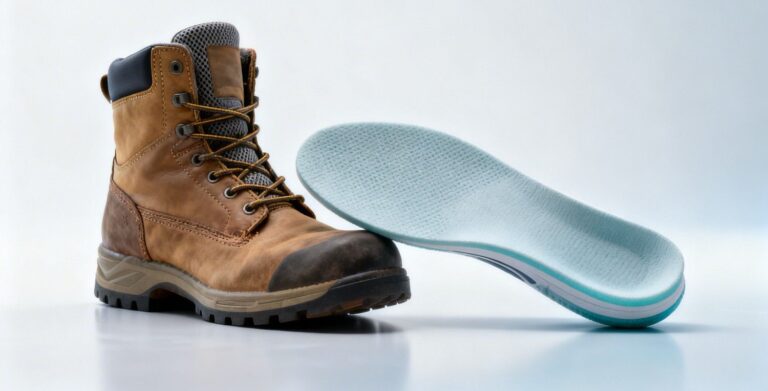
Most soft insoles use foam-based cushioning materials designed to absorb pressure by compressing under body weight.
That compression helps:
- reduce impact sensation
- cushion the heel
- soften hard surfaces
- improve initial comfort
But every time the material compresses, it slightly loses some of its ability to fully rebound back to its original form.
Over time, repeated walking cycles gradually reduce:
- thickness
- resilience
- arch contour
- pressure distribution
- shock absorption consistency
The softer the material, the faster this process may happen under heavier or more repetitive use.
People who walk short distances casually may not notice major changes quickly. Someone standing for 10-hour shifts on concrete floors usually notices material breakdown much sooner.
Daily Load Has a Major Impact
Body weight and activity level strongly affect how quickly insoles flatten.
Soft cushioning handles occasional walking differently than:
- warehouse shifts
- hospital work
- retail standing
- long city walking
- repetitive stair climbing
The more repetitive force placed onto the same pressure points, the faster softer foam begins compressing permanently.
This is especially noticeable beneath:
- the heel
- ball of the foot
- inner arch
- forefoot pressure zones
Workers dealing with long standing hours often research insoles for standing all day because softer cushioning alone may initially feel comfortable but lose support consistency faster under repetitive daily load.
Supportive structure usually becomes more important as standing duration increases.
Heat and Moisture Also Affect Foam Breakdown
Many people focus only on walking pressure, but temperature and moisture influence foam durability too.
Body heat gradually softens many cushioning materials during wear. Sweat and internal shoe moisture may also accelerate material fatigue over time.
Inside tightly enclosed shoes, softer foam experiences:
- repeated compression
- heat buildup
- friction
- moisture exposure
- reduced recovery time
All of these factors slowly weaken the internal foam structure.
This is one reason some insoles feel comfortable initially but begin flattening unevenly after months of regular use.
Softer Insoles Often Prioritize Comfort Over Stability
Soft cushioning and structural support are not always the same thing.
Very soft insoles usually prioritize:
- pressure relief
- softness
- comfort sensation
- shock absorption
More supportive insoles often focus on:
- stability
- arch control
- alignment
- force distribution
- shape retention
Neither approach is automatically better for everyone.
Some people with sensitive feet or temporary soreness prefer softer cushioning. Others need firmer support because excessive compression allows the foot to collapse too much during walking.
Readers exploring flat feet vs overpronation often learn that unstable inward foot rolling can increase repetitive stress during movement. Extremely soft insoles sometimes compress too easily to control that motion effectively during long-term use.
Flattening Usually Happens Gradually
Most insoles do not suddenly fail overnight.
Instead, people often notice small gradual changes such as:
- reduced cushioning
- increased foot fatigue
- arch discomfort returning
- heel soreness increasing
- uneven pressure distribution
- shoes feeling less comfortable by the end of the day
Because the change happens slowly, many people continue wearing worn-down insoles long after the support has decreased significantly.
This is especially common with:
- work shoes
- walking shoes
- athletic footwear
- heavily used daily sneakers
The body often notices the change before the eyes do. Increased fatigue during standing or walking may appear before visible flattening becomes obvious.
Shoe Type Can Affect Insole Lifespan
The surrounding shoe structure matters more than many people realize.
Supportive shoes help distribute force more evenly across the foot and insole. Less stable shoes often place heavier pressure on smaller areas, accelerating foam compression.
Softer insoles may flatten faster inside:
- worn-out sneakers
- thin casual shoes
- unsupportive slip-ons
- shallow work shoes
Stable footwear with proper midsoles often protects cushioning materials better by reducing repeated stress concentration.
People with flatter arches may experience this even more strongly because unsupported foot motion increases pressure across the insole repeatedly throughout the day.
Some Feet Compress Insoles Faster Than Others
Foot mechanics influence how pressure travels across an insole.
People with:
- flat feet
- overpronation
- uneven gait patterns
- higher body weight
- heavy heel striking
may compress softer foam faster than people with neutral walking mechanics.
Readers researching why flat feet cause knee pain often discover that unstable foot movement can increase repeated stress not only on joints, but also on footwear and support materials themselves.
When the foot repeatedly collapses inward during movement, softer insoles may wear unevenly much faster.
Early Comfort Does Not Always Mean Long-Term Durability
One reason soft insoles remain popular is because they feel comfortable immediately.
The cushioning often creates:
- instant softness
- reduced surface pressure
- less harsh ground feel
- improved short-term comfort
But long-term durability depends on how well the material maintains its structure after thousands of walking cycles.
A softer insole that feels excellent initially may lose performance faster than a firmer design built for prolonged support.
That does not make softer cushioning useless. It simply means comfort and durability often exist on a balance rather than both reaching maximum levels simultaneously.
Rotating Insoles Can Help Reduce Compression
Many people wear the same pair of insoles every single day without allowing the cushioning materials time to recover fully between uses.
Rotating between two pairs may slightly reduce:
- constant foam fatigue
- moisture buildup
- repeated compression stress
- uneven pressure wear
This can be especially helpful for people working long standing shifts or walking extensively throughout the week.
Allowing insoles time to dry and rebound naturally may help softer materials maintain their shape a little longer.
Supportive Shoes Reduce Excessive Foam Breakdown
Soft insoles tend to perform better when paired with stable shoes.
Supportive footwear helps distribute force more evenly across:
- the heel
- midfoot
- forefoot
- arch area
Shoes with collapsed midsoles or unstable structure often force the insole to absorb more impact than intended.
That extra workload can accelerate flattening significantly.
In many cases, replacing worn-out shoes improves comfort more effectively than replacing the insole alone.
Firmer Support Sometimes Lasts Longer
Softer cushioning generally provides a gentler feel underfoot, while firmer materials usually maintain their shape longer under repeated load.
That does not mean everyone should use rigid support. Some people prefer softer cushioning because aggressive support feels uncomfortable during long standing sessions.
The better option often depends on:
- foot mechanics
- daily activity
- standing duration
- walking style
- comfort preference
Very soft foam may feel better initially, while slightly firmer support often performs more consistently over time.
When Flattened Insoles Become a Problem
Flattening becomes more concerning once the insoles no longer distribute pressure effectively.
Signs may include:
- increased foot fatigue
- heel soreness returning
- reduced arch support
- uneven shoe wear
- knee discomfort
- pressure points developing again
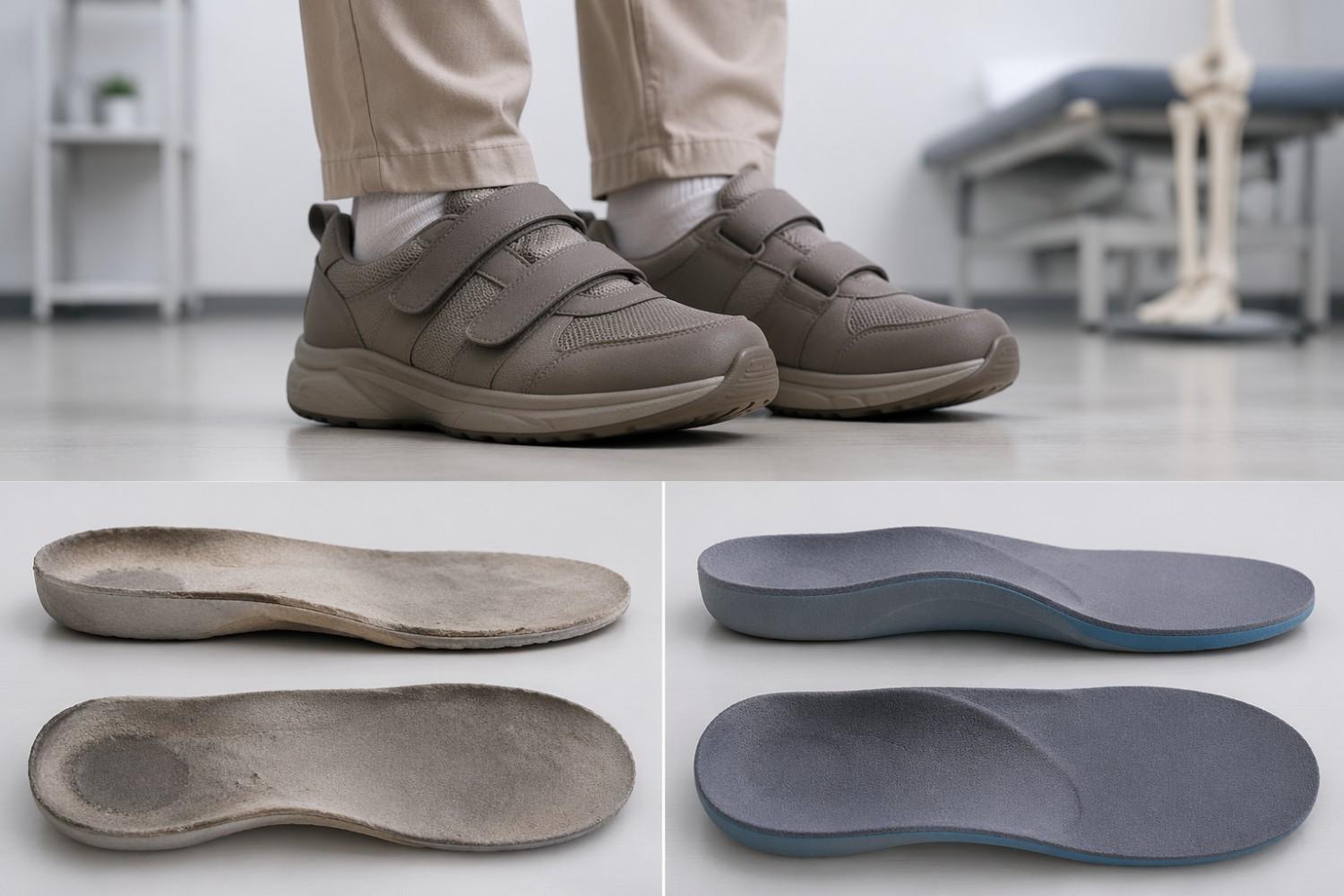
Some people continue using flattened insoles because they still “look fine” visually. But once the internal cushioning loses resilience, support quality may already be reduced significantly.
People with long-term standing routines or flat feet may notice these changes earlier because repetitive loading increases daily stress across the same movement patterns.
Not sure whether yours have flattened? See the signs you need new insoles checklist for quick home tests.
Common Questions
How long do soft insoles usually last?
It depends on body weight, activity level, shoe type, and standing duration. People using insoles casually may keep them comfortable for many months, while daily standing jobs can compress softer foam much faster.
Why do soft insoles feel good at first?
Soft foam cushions pressure immediately and reduces harsh impact sensation under the heels and forefoot. That softer feel often creates instant comfort during the first wears.
Can flattened insoles cause foot pain?
They can contribute to increased fatigue and reduced support over time. Once cushioning compresses permanently, pressure distribution may become less effective during walking and standing.
Are firmer insoles always better?
Not necessarily. Firmer support usually lasts longer structurally, but some people prefer softer cushioning for comfort-sensitive feet or lower-impact daily use.
Do flat feet flatten insoles faster?
Often yes. Flat feet and overpronation may place more repeated stress on the inner arch and heel areas, which can accelerate uneven foam compression over time.
Should soft insoles be replaced regularly?
Yes. Even if the surface still looks acceptable, cushioning materials gradually lose resilience internally. Replacing worn insoles helps maintain more consistent comfort and support.
Soft insoles remain popular because they often provide immediate comfort and pressure relief, especially during the early stages of wear. But softer cushioning materials naturally compress more over time under repeated walking and standing stress.
The key is understanding that comfort, support, and durability do not always peak equally in the same design. Some insoles prioritize softness and cushioning, while others focus more on long-term structure and stability.
For people dealing with heavy daily standing, flat feet, or repetitive walking loads, monitoring how the insoles feel over time becomes just as important as how they felt initially.