How Different Insole Materials Affect Foot Support
If you’ve ever tried multiple insoles and wondered why one feels supportive while another feels soft but unstable, the answer often comes down to the material used inside the insole. Two insoles may look similar from the outside, yet provide completely different experiences during a long workday, a walk around the neighborhood, or several hours spent standing on hard floors.
Understanding insole materials is important because the material affects cushioning, support, durability, pressure distribution, and how your feet feel at the end of the day. A material that works well for one person may feel uncomfortable or ineffective for someone with different foot mechanics or activity levels.
This guide explains how different insole materials affect foot support, when certain materials work best, and why choosing the right material matters just as much as choosing the right insole design.
Why Insole Material Matters
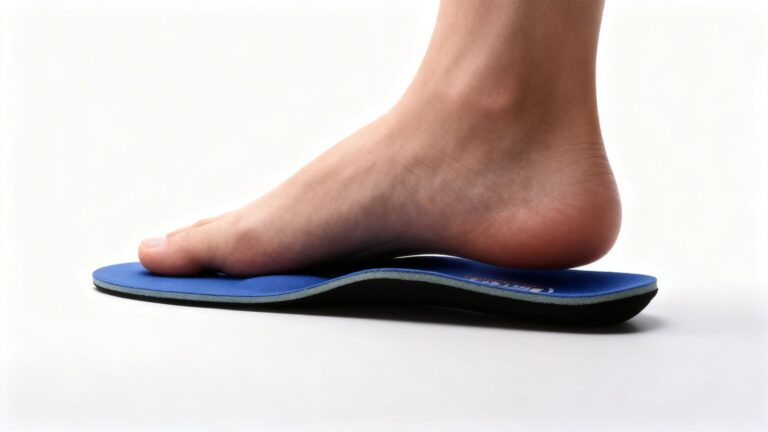
An insole is more than just a layer of padding inside a shoe. It acts as an interface between your foot and the ground, helping absorb impact forces while supporting the natural movement of your feet.
For foam options in particular, see the best memory foam insoles.
Every step creates pressure that travels through the heel, arch, ankle, knees, hips, and lower back. Over thousands of steps each day, the wrong material can contribute to fatigue, discomfort, and reduced stability.
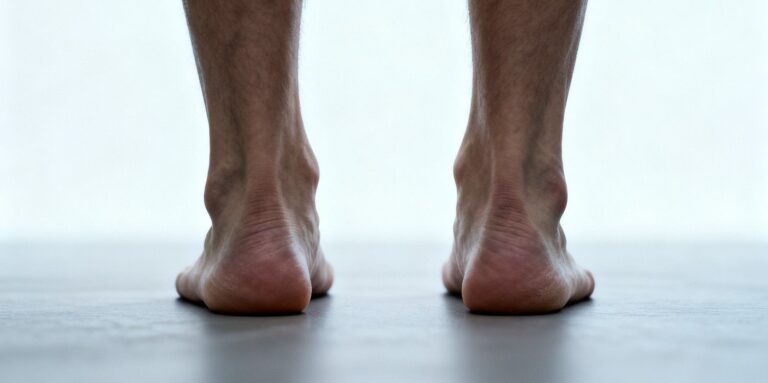
For people dealing with flat feet, understanding foot mechanics is particularly important. Readers looking for a deeper explanation may also find flat feet vs overpronation helpful when learning how foot structure influences support needs.
The material inside an insole influences:
- Shock absorption
- Arch support performance
- Pressure distribution
- Stability during movement
- Long-term durability
- Comfort during extended standing
A soft material may feel comfortable initially but compress quickly under repeated loading. A firmer material may feel unusual at first but maintain support for much longer.
How Support Is Created
Many people assume support comes only from arch height. In reality, support comes from the combination of shape, density, firmness, and material behavior under load.
When you stand, walk, or run, your foot naturally changes shape as weight shifts through the gait cycle. Supportive materials help control excessive motion while still allowing natural movement.
The ideal balance depends on several factors:
- Body weight
- Foot shape
- Activity level
- Shoe type
- Standing duration
- Existing foot conditions
Someone spending ten hours on concrete floors may require a different material than someone walking occasionally throughout the day.
EVA Foam and Everyday Support
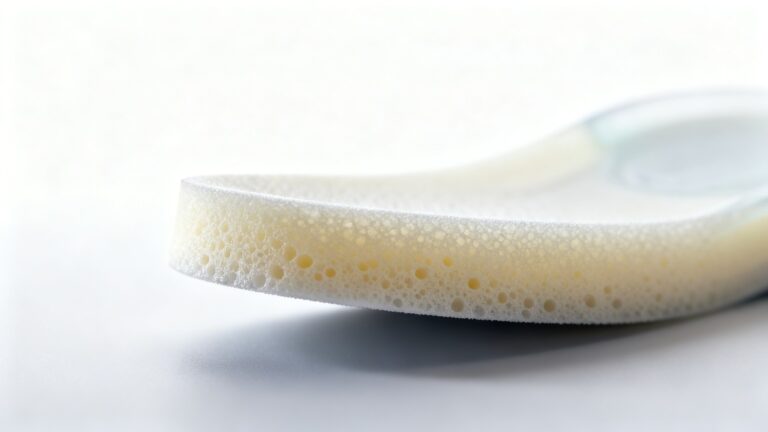
EVA (ethylene-vinyl acetate) is one of the most common materials used in modern insoles.
It is lightweight, relatively durable, and capable of providing both cushioning and structure depending on its density. Many walking shoes and athletic footwear rely heavily on EVA because it offers a balance between comfort and support.
Lower-density EVA tends to feel softer and more forgiving. Higher-density EVA generally provides better control and support while maintaining reasonable cushioning.
EVA often works well for:
- Daily walking
- General foot fatigue
- Moderate standing demands
- Athletic activities
- Mild support needs
One advantage of EVA is its versatility. Manufacturers can adjust firmness levels significantly while using the same base material.
Memory Foam and Pressure Relief
Memory foam is designed to compress under pressure and gradually conform to the shape of the foot.
Many people immediately find memory foam comfortable because it reduces localized pressure points. This can feel especially pleasant during the first few hours of wear.
However, memory foam prioritizes cushioning more than structural support.
For individuals experiencing discomfort related to foot structure, such as conditions discussed in what causes flat feet, a soft material alone may not provide enough control over foot movement.
Memory foam often works best for:
- Light daily wear
- Casual footwear
- Mild pressure sensitivity
- Shorter standing periods
Its primary limitation is that it can compress substantially over time, reducing its ability to provide consistent support.
Polyurethane Materials and Long-Term Durability
Polyurethane (PU) is frequently used in premium insoles because it tends to resist compression better than many softer materials.
PU materials can provide a combination of cushioning and support while maintaining their shape for longer periods.
For people spending long days standing or walking, durability becomes increasingly important. An insole that loses its shape after a few months may no longer provide effective support regardless of how comfortable it initially felt.
Compared with softer foams, polyurethane often offers:
- Better long-term resilience
- Improved pressure distribution
- Consistent support over time
- Greater durability under heavy use
This is one reason many work-oriented insoles incorporate PU-based cushioning layers.
Gel Materials and Impact Absorption
Gel inserts are commonly associated with shock absorption.
Rather than focusing primarily on structural control, gel materials are designed to reduce impact forces at key pressure points such as the heel and forefoot.
People who develop discomfort after long periods of walking may appreciate the softer landing sensation that gel can provide.
However, gel alone usually does not create significant arch support. Support depends on the overall design of the insole rather than the gel component itself.
In some cases, excessive foot motion can contribute to issues higher up the kinetic chain, including conditions explored in why flat feet cause knee pain.
When Material Choice Becomes More Important
Material selection becomes increasingly important when:
- Standing more than six hours daily
- Working on hard surfaces
- Carrying extra body weight
- Managing recurring foot fatigue
- Using insoles every day
- Seeking long-term durability
Early on, nearly any cushioned insole may feel comfortable. Over time, differences between materials become more noticeable as repeated loading exposes weaknesses in cushioning, support, or durability.
People working extended shifts often explore solutions such as insoles for standing all day because material performance becomes much more important when feet are under continuous stress.
Recognizing Material-Related Problems
Not all foot discomfort is caused by the wrong material, but certain warning signs can indicate a mismatch.
Common examples include:
- Insoles flattening quickly
- Loss of support after several weeks
- Increased fatigue despite cushioning
- Heel discomfort after standing
- Arch discomfort during longer walks
- Shoes feeling unstable during movement
These issues often develop gradually rather than appearing immediately.
Improving Foot Comfort Beyond Material Choice
Choosing the right material is important, but comfort also depends on how the insole interacts with the shoe and the foot itself.
A supportive insole placed inside an unsupportive shoe may not perform as intended. Likewise, a high-quality material cannot completely compensate for footwear that is excessively worn out or poorly fitted.
Small adjustments can often improve comfort:
- Replacing worn shoes regularly
- Rotating footwear throughout the week
- Increasing standing breaks when possible
- Maintaining healthy body weight
- Gradually adapting to firmer support systems
When introducing a new insole, some adjustment time is normal. Feet, ankles, and lower-leg muscles may need several days or weeks to adapt to different support characteristics.
The Role of Insoles in Foot Support
Insoles can help distribute pressure, improve comfort, and support natural foot mechanics, but no single material is ideal for every situation.
Soft materials generally focus on comfort and cushioning. Firmer materials typically provide more control and long-term stability. Many modern insoles combine multiple materials to achieve a balance between these goals.
For example:
- Memory foam prioritizes pressure relief.
- EVA balances cushioning and support.
- Polyurethane emphasizes durability.
- Gel focuses on impact absorption.
The best choice often depends on individual needs rather than the material itself being universally superior.
When Professional Evaluation May Help
Persistent foot pain should not automatically be attributed to insole materials.
If discomfort continues despite appropriate footwear and supportive insoles, it may be worthwhile to seek evaluation from a podiatrist, orthopedic specialist, or qualified healthcare professional.
Professional assessment may be especially useful if symptoms include:
- Persistent heel pain
- Significant arch pain
- Progressive instability
- Recurrent ankle injuries
- Pain affecting daily activities
- Symptoms that continue despite footwear changes
A professional can help determine whether the issue involves foot mechanics, underlying conditions, or support requirements beyond what a standard insole can provide.
Preventing Material-Related Support Problems
The simplest way to prevent support-related issues is to match the material to the activity.
Someone standing on concrete floors all day may benefit from different materials than someone primarily walking short distances or wearing casual shoes.
It is also important to replace insoles before they become excessively compressed. Even high-quality materials eventually lose some performance through repeated use.
In general, durability and support tend to matter more as daily loading increases, while softness becomes more important for reducing localized pressure.
Common Questions
Which insole material provides the most support?
Support depends on both material and design. Higher-density EVA and polyurethane materials often provide more structural support than softer memory foam products, but overall construction plays an equally important role.
Is memory foam good for foot pain?
Memory foam can help reduce pressure points and improve comfort for some people. However, individuals who need significant arch support or motion control may require a more structured material.
Are gel insoles better than foam insoles?
Neither is automatically better. Gel tends to focus on impact absorption, while foam materials often provide broader cushioning and support characteristics. The best choice depends on individual needs and daily activities.
Which material lasts the longest?
Polyurethane generally offers excellent long-term durability and compression resistance. High-density EVA can also provide good lifespan when properly matched to activity levels and body weight.
Why do some insoles feel comfortable at first but not later?
Soft materials may initially feel comfortable because they reduce pressure. Over time, repeated compression can reduce support, causing fatigue or discomfort to become more noticeable.
Can the wrong insole material cause foot fatigue?
Yes. If a material compresses excessively, lacks adequate support, or does not match the user’s activity level, muscles may work harder to stabilize the foot, contributing to fatigue over time.
Conclusion
Understanding insole materials helps explain why some insoles feel supportive while others mainly provide cushioning. EVA, memory foam, polyurethane, and gel each influence foot support differently, affecting comfort, stability, durability, and pressure distribution.
Rather than focusing solely on softness, it is often more useful to consider how the material performs throughout an entire day of walking, standing, and daily activity. The best material is the one that matches your foot structure, activity level, footwear, and support needs while maintaining performance over time.