Complete Guide to Insoles for Flat Feet and Overpronation
If your feet feel tired after a normal workday, your shoes wear down unevenly, or your knees and ankles ache after walking, flat feet or overpronation could be contributing factors. These conditions affect how your feet absorb and distribute force with every step, often leading to discomfort that gradually becomes more noticeable over time.
Many people assume any cushioned insole will solve the problem, but proper support depends on matching the insole to your foot mechanics rather than simply choosing the softest option. This guide explains how flat feet and overpronation affect movement, why supportive insoles can help, and what to consider when choosing the right solution for your daily activities.
Understanding Flat Feet and Overpronation
Although they are often mentioned together, flat feet and overpronation are not exactly the same.
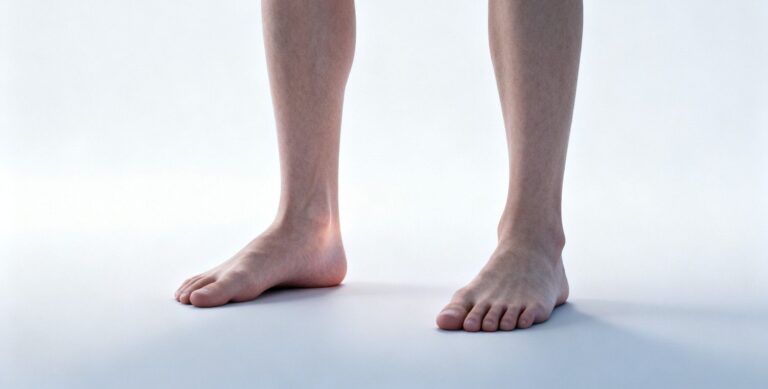
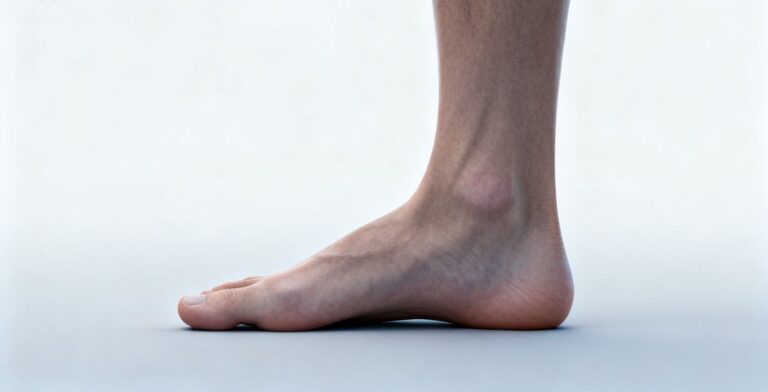
Flat feet describe the shape of the foot. People with flat feet have arches that are lower than average or appear to collapse when standing.
Overpronation describes movement. It occurs when the foot rolls inward more than normal after the heel contacts the ground during walking or running.
Some people have flat feet without significant overpronation, while others overpronate despite having normal arch height. Understanding this distinction makes it easier to choose footwear and insoles that match your needs. For a more detailed comparison, see flat feet vs overpronation.
How Foot Mechanics Affect the Rest of the Body
Every step begins at the feet. When the arches provide appropriate support, forces generated during walking are distributed efficiently through the ankles, knees, hips, and lower back.
When support is reduced or foot motion becomes excessive, muscles and joints may need to compensate. Over time, this can increase fatigue and contribute to discomfort, especially during long periods of standing or walking.
Not everyone develops pain, but prolonged changes in foot mechanics can influence:
- Heel pressure
- Arch strain
- Ankle stability
- Calf muscle workload
- Knee alignment
- Overall walking efficiency
The effects often become more noticeable after spending several hours on hard floors or covering long distances on foot.
What Causes Flat Feet and Overpronation?
Several factors can influence foot structure and movement.
Some people inherit naturally lower arches, while others develop flatter feet gradually because of aging, weight changes, pregnancy, tendon weakness, injury, or years of repetitive loading.
Overpronation may develop alongside flat feet, but it can also occur because of muscle imbalance, joint flexibility, footwear choices, or changes in walking mechanics.
If you’d like to explore these causes in greater detail, what causes flat feet explains the most common contributing factors and why they vary from person to person.
Daily Activities That Can Make Symptoms Worse
Many people notice very few symptoms during short walks but develop increasing discomfort after longer periods of activity.
Common situations include:
- Standing through an entire work shift
- Walking several miles each day
- Working on concrete or tile floors
- Wearing worn-out shoes
- Carrying heavy loads
- Participating in high-impact exercise
These activities place repeated stress on the feet. If support is insufficient, muscles may work harder to stabilize each step, increasing fatigue by the end of the day.
Early Signs You May Notice
Symptoms often begin gradually rather than appearing suddenly.
Early warning signs can include:
- Feet feeling unusually tired
- Mild arch discomfort
- Heel soreness after standing
- Shoes wearing unevenly
- Occasional ankle discomfort
- Needing to sit down more frequently during long shifts
Some people simply notice that walking becomes less comfortable over time without identifying a specific area of pain.
Recognizing these early changes provides an opportunity to improve footwear and support before discomfort becomes more persistent.
When Symptoms Become More Advanced
As foot mechanics continue to place stress on surrounding tissues, symptoms may gradually involve additional joints and muscles.
More advanced problems can include:
- Persistent arch pain
- Recurring heel discomfort
- Ankle instability
- Calf tightness
- Knee soreness
- Lower-leg fatigue
- Reduced walking endurance
Changes rarely happen overnight. Instead, they usually develop through months or years of repeated loading.
For some individuals, altered foot mechanics can also influence knee function. The relationship between these conditions is discussed further in why flat feet cause knee pain.
Why Support Matters More Than Softness
One of the biggest misconceptions is that softer always means better.
Soft cushioning may temporarily improve comfort by reducing pressure points, but excessive softness can allow the foot to move more than necessary during walking.
Supportive insoles aim to balance cushioning with stability. Rather than preventing natural movement, they help distribute pressure more evenly while supporting the foot’s natural alignment.
The best approach depends on:
- Foot structure
- Daily activity level
- Time spent standing
- Walking distance
- Shoe type
- Individual comfort preferences
Someone working ten-hour shifts on concrete floors may have different support needs than someone walking occasionally throughout the day.
People who spend long hours on their feet often benefit from learning more about best insoles for flat feet, especially when daily standing contributes to ongoing fatigue.
When Flat Feet and Overpronation Become a Bigger Concern
Neither condition automatically requires treatment.
Many people live comfortably with flat feet or mild overpronation throughout their lives. Problems generally arise when altered mechanics begin affecting comfort, activity levels, or quality of life.
Signs that deserve closer attention include:
- Pain that returns repeatedly
- Symptoms interfering with work
- Increasing discomfort during routine walking
- Fatigue developing earlier than usual
- Progressive changes in mobility
- Pain spreading beyond the feet into the ankles, knees, or lower legs
Recognizing these patterns early makes it easier to explore supportive footwear, appropriate insoles, and lifestyle adjustments before symptoms become more limiting.
Improving Comfort Through Everyday Habits
Supportive footwear is only one part of managing flat feet and overpronation. Daily habits also influence how your feet respond to repeated loading.
Simple adjustments can reduce stress on the feet throughout the day:
- Replace worn-out shoes before their support breaks down.
- Alternate between different pairs of supportive footwear when possible.
- Avoid standing in one position for extended periods without moving.
- Stretch the calves and feet regularly to maintain flexibility.
- Build foot and lower-leg strength through appropriate exercises.
- Increase activity levels gradually if returning after a period of inactivity.
These changes cannot alter foot structure, but they may reduce fatigue and improve overall comfort during everyday activities.
Choosing the Right Shoes for Flat Feet
Finding the right supportive shoes for flat feet can make a noticeable difference in how your entire body feels. The problem is, most shoes on the market are built for average arches—not collapsed or low arches. That mismatch leads to poor alignment, fatigue, and long-term strain. If you’re looking for a complete breakdown of what to look for, read our Best Supportive Shoes for Flat Feet (2026 Guide).
How Insoles Can Help
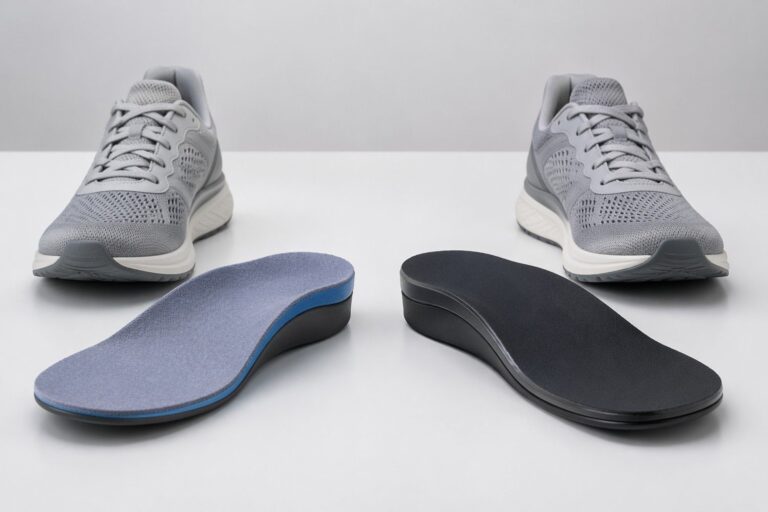
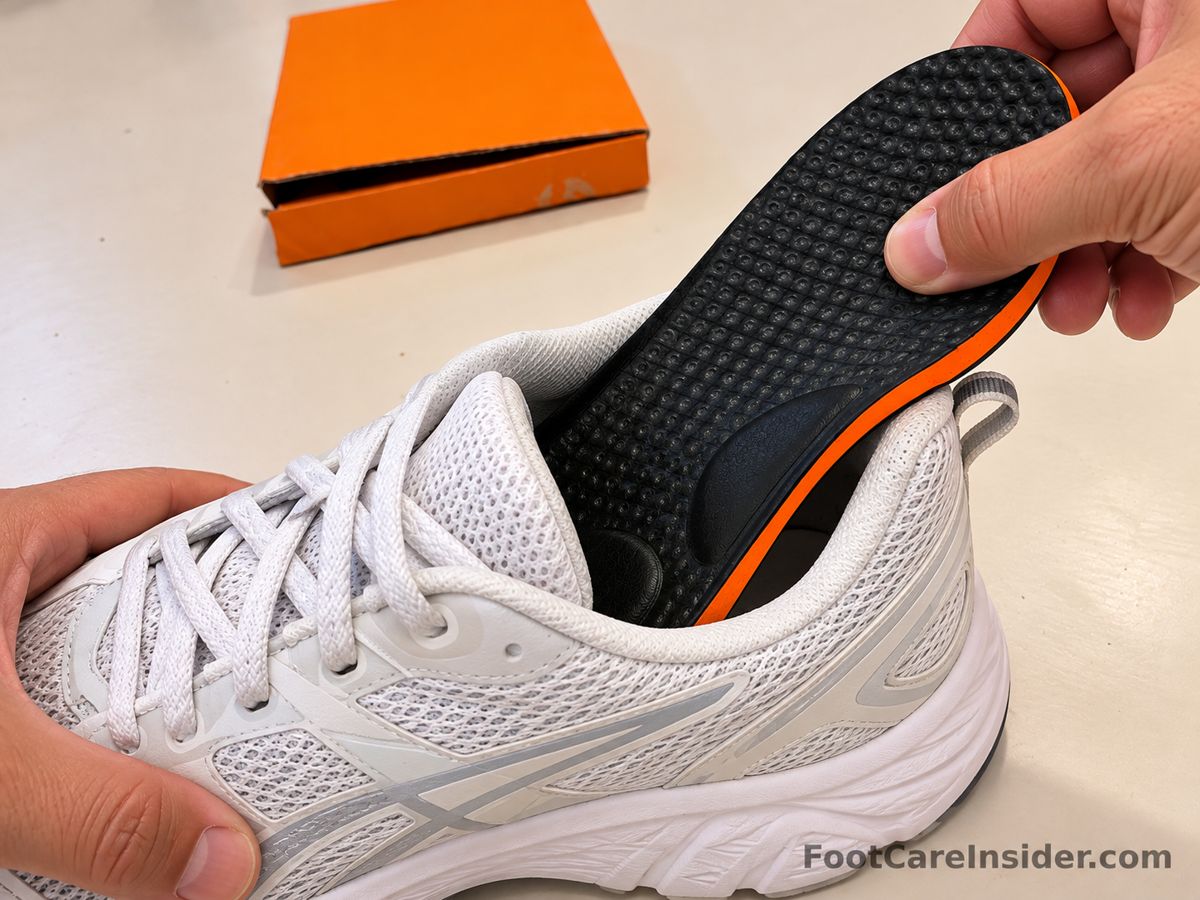
Supportive insoles are designed to improve pressure distribution and provide a more stable foundation for the foot. Rather than simply adding cushioning, they help support the arch while encouraging more efficient foot mechanics.
People with flat feet or overpronation often benefit from insoles that combine moderate cushioning with structured support. The goal is not to eliminate natural movement but to reduce excessive inward rolling and improve comfort during walking or standing.
Not every person requires the same level of support. The ideal insole depends on factors such as activity level, body weight, footwear, and individual foot shape.
Our picks: Here is where we would start for flat feet and overpronation.
Moderate support insoles – A balanced insole for mild cases.
Powerstep Maxx Support – Structure and cushioning for flat feet that tire.
Stability running insoles – Added control for feet that roll inward.
When Medical Advice Is Appropriate
Although many people manage mild symptoms with supportive footwear and lifestyle adjustments, persistent pain should not be ignored.
Consider seeking professional evaluation if you experience:
- Ongoing heel or arch pain
- Repeated ankle sprains
- Swelling that does not improve
- Pain affecting normal walking
- Symptoms that worsen despite changing footwear or insoles
- Numbness, tingling, or significant weakness
A podiatrist or other qualified healthcare professional can evaluate your foot mechanics and determine whether additional treatment or custom orthotics may be appropriate.
Preventing Symptoms From Getting Worse
Flat feet and overpronation cannot always be prevented, particularly when inherited, but good foot care may reduce the likelihood of worsening symptoms.
Helpful preventive strategies include:
- Wearing supportive shoes that fit properly
- Replacing worn footwear before support deteriorates
- Choosing insoles appropriate for your activity level
- Maintaining a healthy body weight
- Staying physically active while increasing training gradually
- Paying attention to early signs of fatigue rather than waiting for pain to become severe
Small adjustments made early are often easier than managing long-standing discomfort later.
A Brief Comparison
Flat feet describe the shape of the foot, while overpronation describes how the foot moves during walking or running. Although they frequently occur together, they are separate conditions that may require slightly different approaches to support.
Common Questions
Can flat feet always cause overpronation?
No. Many people with flat feet do overpronate, but not everyone does. Likewise, some individuals overpronate even though they have normal arch height.
Do supportive insoles permanently fix flat feet?
Supportive insoles do not permanently change foot structure. Instead, they help improve comfort, support natural alignment, and reduce excessive stress during daily activities while they are being worn.
How long does it take to adjust to supportive insoles?
Many people adapt within several days to two weeks, although firmer support may require a little longer. Gradually increasing wear time often makes the adjustment more comfortable.
Can overpronation lead to knee pain?
It can contribute for some individuals because excessive inward foot motion may influence alignment through the ankles and knees. However, knee pain has many possible causes, so persistent symptoms should be evaluated by a healthcare professional.
Are softer insoles better for flat feet?
Not necessarily. Very soft insoles may feel comfortable initially but can provide limited support under prolonged loading. Many people with flat feet benefit from a balance of cushioning and structural support rather than softness alone.
Should everyone with flat feet wear insoles?
No. Some people with flat feet have no symptoms and function well without additional support. Insoles are generally most helpful when discomfort, fatigue, or instability affects daily activities.
Conclusion
Flat feet and overpronation influence how the body absorbs and distributes force with every step. While these conditions often occur together, understanding the difference helps you make more informed decisions about footwear and supportive insoles.
The right combination of supportive shoes, appropriate insoles, healthy movement habits, and early attention to symptoms can improve comfort for many people. Rather than focusing only on cushioning, choosing support that matches your foot mechanics and daily activities is often the most effective long-term approach.