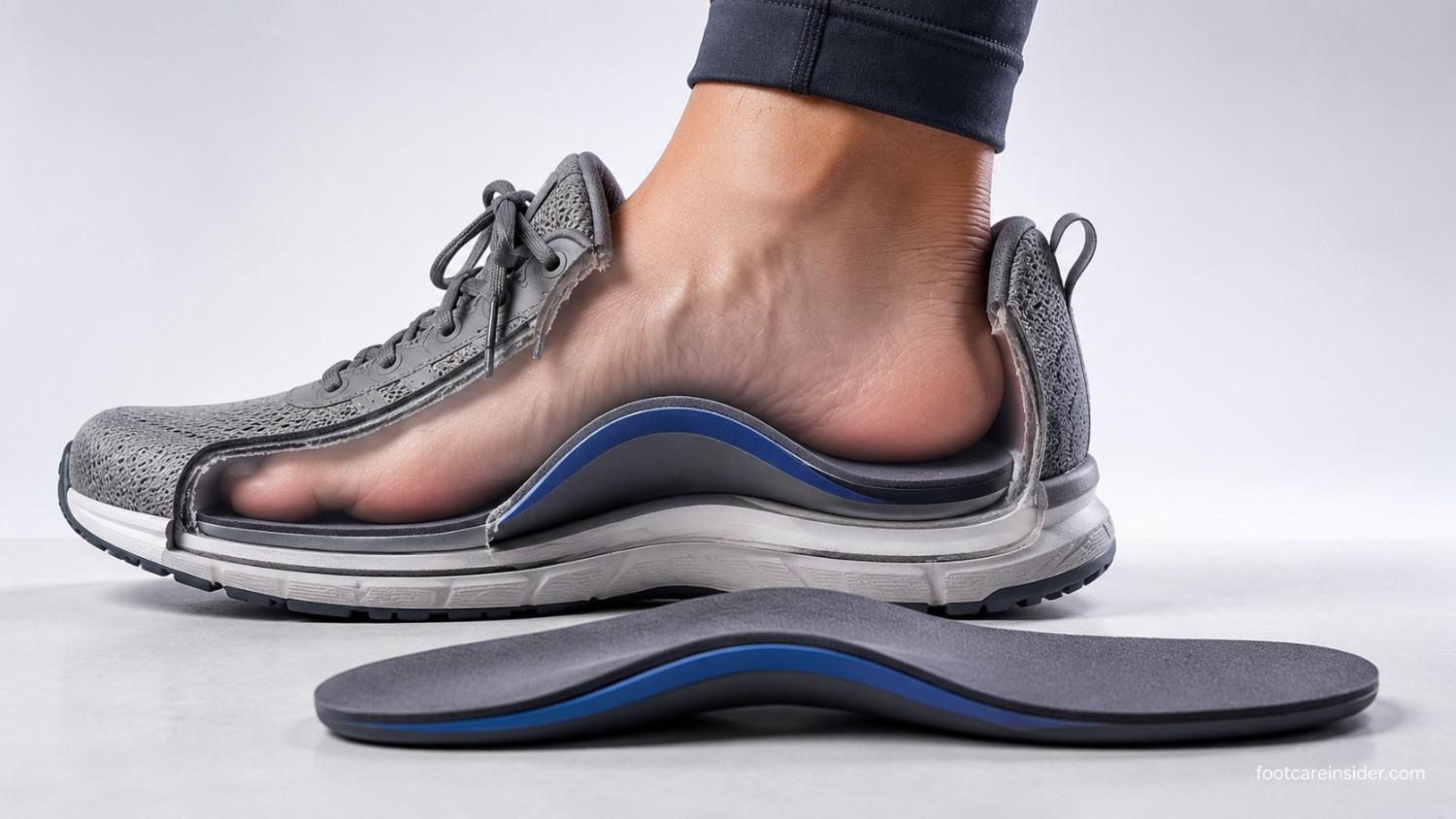
Signs Your Arch Support Is Too High
If you’ve recently started wearing supportive insoles or shoes with built-in arch support, you might expect your feet to feel better almost immediately. Instead, you may notice pressure under the middle of your foot, aching after standing for several hours, or discomfort that seems different from the pain you had before. While a short adjustment period is normal, persistent discomfort can sometimes mean your arch support is simply too high for your foot.
Understanding the difference between normal adaptation and excessive support is important. An insole should work with your natural foot shape, helping distribute pressure more evenly during walking and standing. When the arch support is higher than your foot comfortably tolerates, it can create new pressure points rather than relieving existing ones.
Choosing the correct level of support depends on your foot structure, daily activities, footwear, and how your body moves. Learning the warning signs early can help you make adjustments before discomfort becomes a long-term problem.
Our picks: If insoles feel like too much, a shoe with built-in arch support is another option.
Everyday Arch Support Shoes – A shoe with arch support built in, so you can see how it feels before adding an insole.
What Happens When Arch Support Is Too High?
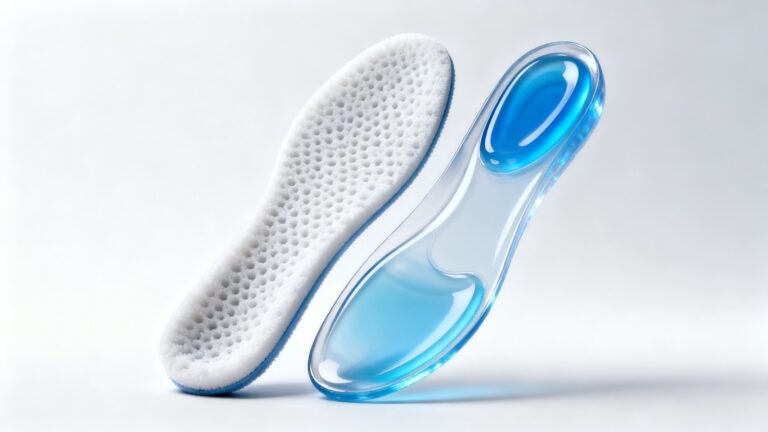
Arch support is designed to help stabilize the foot and reduce excessive motion. When it matches your natural arch, it can improve comfort during everyday activities and reduce strain on the feet and lower legs. You can read more in our our guide to arch support and foot stability.
If the support is too high, however, it pushes upward against the arch instead of supporting it naturally. Rather than spreading pressure across the foot, it concentrates force into a smaller area. This often becomes more noticeable after prolonged standing, long walks, or full workdays.
The result isn’t necessarily immediate pain. Many people first notice an unusual sensation beneath the arch that gradually develops into soreness, fatigue, or tenderness over several days.
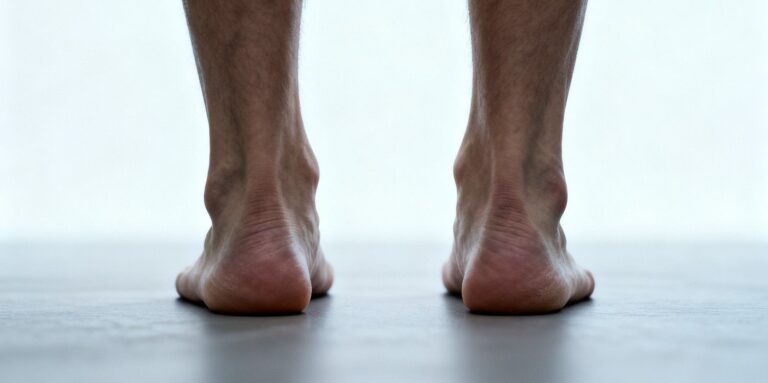
Understanding your own foot structure is important because people with flat feet, high arches, and different walking mechanics all respond differently to supportive insoles. If you’re unsure about your foot type, our guide on what causes flat feet explains how foot structure develops and why it varies from person to person.
Why Excessive Arch Support Causes Problems
Every foot has its own natural shape and flexibility. Insoles are most effective when they complement that shape rather than forcing it into a different position.
Several factors can lead to arch support feeling excessively high:
- Choosing an insole designed for a much higher arch.
- Wearing rigid orthotic-style insoles without gradual adaptation.
- Using shoes with limited internal volume that increase upward pressure.
- Switching suddenly from very soft footwear to highly supportive insoles.
- Selecting one-size-fits-all products that don’t closely match your foot.
Body weight, daily standing time, walking distance, and even the surfaces you spend time on can influence how noticeable the pressure becomes.
People who stand on concrete floors for eight to twelve hours each day often recognize excessive arch pressure sooner than someone who only wears the same insoles during occasional walks.
Who Is More Likely to Notice It?
Not everyone experiences problems with the same amount of support. Several factors increase the likelihood of feeling uncomfortable pressure beneath the arch.
Individuals with naturally flexible feet may notice higher support more quickly because their arches flatten slightly during walking. Those with very rigid feet sometimes feel concentrated pressure because the foot cannot adapt around the insole.
People who recently changed footwear are another common group. Replacing worn-out shoes with firm supportive footwear can dramatically change how forces move through the feet.
Workers who spend long hours standing—such as nurses, retail employees, warehouse staff, and restaurant workers—may also notice discomfort sooner because the feet remain under continuous load throughout the day.
If your symptoms are accompanied by inward rolling of the feet, comparing flat feet vs overpronation can help explain why support needs vary between these two closely related conditions.
Early Signs That the Support May Be Too High
During the first few days of wearing new insoles, mild awareness of the arch is fairly common. That alone doesn’t necessarily indicate a problem.
More concerning early signs include:
- Constant pressure directly beneath the arch.
- Localized tenderness that wasn’t present before.
- Feeling like something is pressing upward into the middle of the foot.
- Foot fatigue that develops earlier than usual.
- Mild soreness after relatively short periods of standing or walking.
Many people notice these symptoms becoming more obvious toward the end of the day, particularly after several hours on hard floors.
Unlike ordinary muscle fatigue, the discomfort often remains focused in one specific area instead of spreading across the entire foot.
When Discomfort Starts Affecting the Rest of the Body
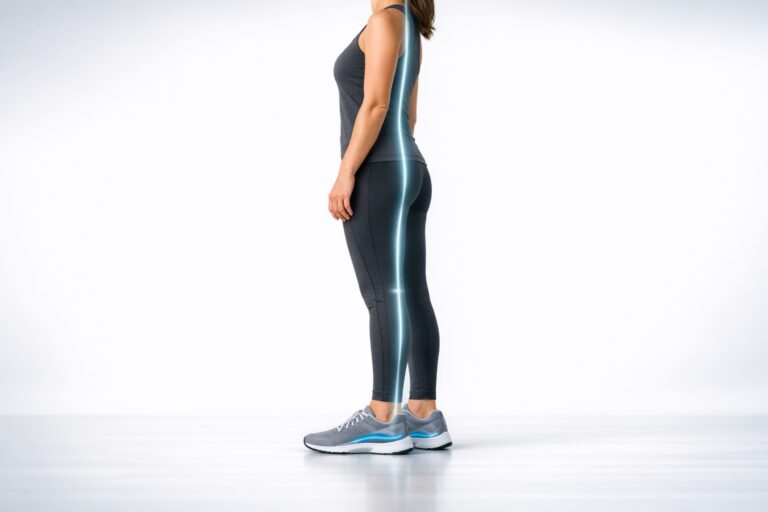
Feet serve as the body’s foundation during movement. If excessive arch pressure changes how you walk, the effects can extend beyond the feet themselves.
Some people begin unconsciously shifting weight toward the outside of the foot to avoid the pressure. Others shorten their stride or alter how they place each foot while walking.
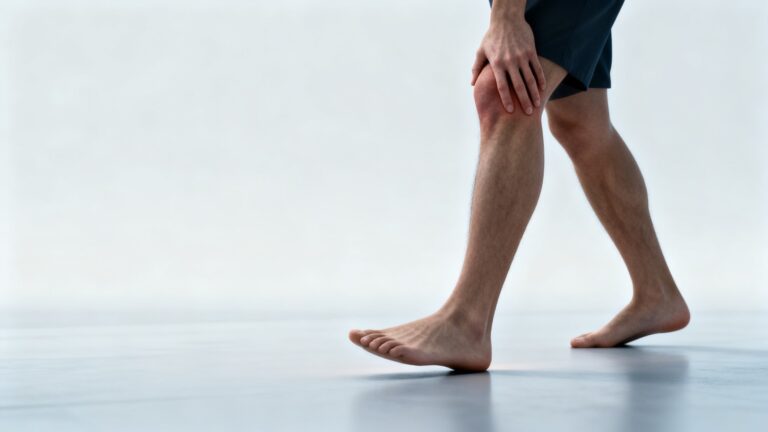
Over time, these small compensations may contribute to discomfort in the ankles, calves, knees, or hips.
For example, changes in walking mechanics may increase stress higher in the kinetic chain, similar to the patterns discussed in our guide on why flat feet cause knee pain.
Persistent compensation is one reason why an uncomfortable insole shouldn’t simply be ignored.
When It Becomes More Than a Normal Adjustment
A short adjustment period usually improves gradually as your feet become familiar with new support. Mild awareness should slowly decrease rather than become more intense. For what a normal break-in looks like, see how long arch support takes to feel normal and why arch support hurts at first.
The situation deserves closer attention if you experience:
- Increasing pain after one to two weeks.
- Sharp discomfort instead of mild pressure.
- Difficulty completing normal daily activities.
- Pain that continues after removing the insoles.
- New discomfort developing in the knees, hips, or lower back.
These signs suggest the problem may not be adjustment alone. Instead, the amount, height, or firmness of the arch support may not be appropriate for your individual foot mechanics.
Rather than forcing yourself to “get used to it,” identifying the cause early often leads to a more comfortable long-term solution.
Simple Ways to Reduce Excessive Arch Pressure
If your arch support feels too high, the first step is not necessarily replacing the insoles immediately. Small adjustments often improve comfort while allowing your feet to adapt gradually.
Consider these practical strategies:
- Wear the insoles for shorter periods during the first several days.
- Alternate between your supportive shoes and your previous comfortable pair.
- Make sure the insoles fit correctly inside the shoe without bunching or shifting.
- Check that your shoes have enough internal depth to accommodate the insole comfortably.
- Gradually increase wearing time as long as symptoms continue improving rather than worsening.
If discomfort steadily decreases, your feet may simply be adapting to better support. If pressure remains the same or becomes more painful, the arch height may not match your foot.
The Role of Insoles
Supportive insoles can be very effective when properly matched to your individual foot mechanics. The goal is not to push the arch upward as much as possible but to provide stable, comfortable support throughout the walking cycle.
A well-fitted insole should:
- Support the natural arch without creating a pressure point.
- Help distribute weight more evenly.
- Improve comfort during long periods of standing.
- Reduce excessive foot motion without restricting natural movement.
Higher arch support is not automatically better. The most effective insole is one that feels supportive while allowing comfortable movement during everyday activities.
When It’s Time to Seek Professional Advice
Some discomfort with new support is expected, but persistent symptoms deserve attention.
Consider seeing a healthcare professional or podiatrist if:
- Pain continues for more than two weeks despite gradual adaptation.
- Walking becomes increasingly uncomfortable.
- You develop numbness or tingling.
- Swelling appears without an obvious injury.
- Pain spreads into the ankles, knees, hips, or lower back.
- Existing foot pain becomes significantly worse.
A professional assessment can determine whether the problem is related to arch height, shoe fit, foot structure, or another underlying condition.
Preventing Problems With Future Insoles
Many cases of excessive arch pressure can be avoided by choosing support carefully from the beginning.
Helpful habits include:
- Selecting insoles that match your actual arch height.
- Replacing worn shoes before adding new supportive insoles.
- Breaking in new insoles gradually.
- Avoiding the assumption that firmer always means better.
- Paying attention to how your feet feel after several hours rather than only during the first few minutes.
Comfort should improve over time—not gradually become worse.
A Quick Comparison
Properly matched arch support feels supportive without drawing attention to itself. Arch support that is too high often creates localized pressure and encourages compensatory walking patterns instead of improving comfort.
Common Questions
How long should it take to adjust to new arch support?
Most people adjust within several days to about two weeks. Mild awareness under the arch is common at first, but discomfort should gradually decrease rather than become more noticeable.
Can arch support that is too high cause heel pain?
Yes. If excessive arch pressure changes how you distribute your weight, additional stress may shift toward the heel or other parts of the foot, leading to new areas of discomfort.
Should I stop wearing the insoles if they hurt?
Mild pressure during the first few days can be normal, but significant or worsening pain should not be ignored. Reducing wear time or reassessing the fit is often more appropriate than trying to force your feet to adapt indefinitely.
Is higher arch support always better?
No. The best arch support is the one that matches your individual foot shape and walking mechanics. Excessive support can be just as uncomfortable as insufficient support.
Can the wrong arch support affect my knees?
It can. If uncomfortable support changes your walking pattern, it may alter how forces travel through the ankles and knees, potentially contributing to discomfort over time.
How do I know if the problem is my shoes or my insoles?
If symptoms begin shortly after changing insoles while wearing the same shoes, the insole may be responsible. If both the shoes and insoles were changed together, evaluating each separately often helps identify the source of the problem. The same insole can feel very different from shoe to shoe, which our guide on arch support in different shoes explains.
Conclusion
Supportive insoles should make walking and standing feel more comfortable—not create new pressure beneath your arch. While a short adjustment period is perfectly normal, persistent soreness, concentrated pressure, or worsening discomfort may indicate that the arch support is simply too high for your foot.
The right support works with your natural foot mechanics instead of forcing your foot into an uncomfortable position. Paying attention to early warning signs, making gradual adjustments, and choosing support that matches your individual needs can help improve comfort and reduce unnecessary strain during everyday activities.