Should You Wear Arch Support Every Day?
If you’ve found a pair of supportive insoles that make your feet feel better, it’s natural to wonder whether you should wear them every day. For some people, daily arch support improves comfort during work, walking, and other routine activities. For others, wearing the same level of support all the time may not be necessary.
The answer depends on your foot structure, activity level, footwear, and whether you’re trying to manage an existing condition or simply prevent discomfort. Understanding when daily arch support is helpful—and when it may not be needed—can help you make better decisions for your long-term foot health.
Arch support should complement your natural foot mechanics rather than replace them. The goal is to improve comfort and stability while allowing your feet to move naturally throughout the day.
How Arch Support Works
Your feet absorb and distribute thousands of pounds of force every day through standing, walking, climbing stairs, and other daily activities.
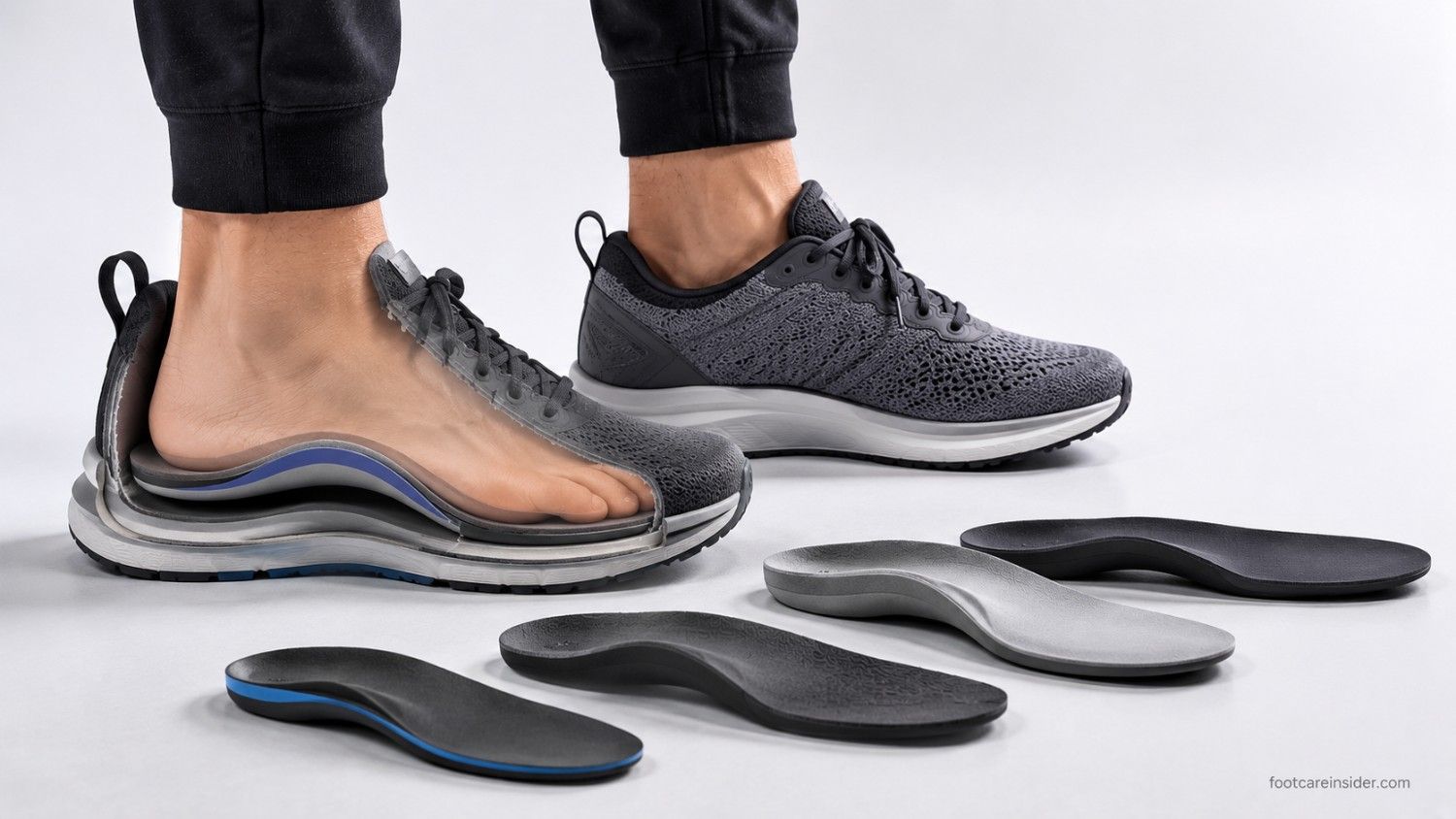
Arch support helps distribute pressure more evenly across the foot while providing stability during movement. Instead of allowing excessive motion or uneven loading, supportive insoles help the foot maintain a more efficient position throughout each step.
Support does not force the foot into a fixed position. A properly fitted insole simply assists the natural arch in handling repetitive stress more comfortably.
People with different foot types benefit from different levels of support, which is why understanding flat feet vs overpronation is an important first step before deciding whether daily arch support is appropriate.
Why Some People Benefit From Daily Support
Daily arch support is often helpful for people whose feet experience repeated stress over many hours.
Common examples include:
- Standing for long work shifts
- Walking several miles each day
- Working on concrete or tile floors
- Wearing work boots regularly
- Participating in frequent recreational walking
- Recovering from previous foot discomfort
In these situations, supportive insoles may reduce fatigue by helping distribute pressure more evenly throughout the foot.
Many people notice that the difference becomes most apparent near the end of the day, when muscles have already been working continuously for several hours.
Who May Not Need Arch Support All the Time
Not everyone requires supportive insoles every day.
Some individuals have healthy foot mechanics, strong muscles, and no symptoms during daily activities. Others only experience discomfort during specific situations such as long hikes, sporting activities, or extended work shifts.
For these individuals, arch support may only be useful during higher-demand activities rather than throughout the entire day.
Likewise, some people alternate between supportive shoes and less structured footwear depending on their schedule and comfort level.
The goal is not to wear support constantly but to use it when it provides meaningful benefit.
Why does arch support feel different in every shoe?
Factors That Influence Daily Support Needs
Several factors determine whether wearing arch support every day makes sense.
Foot Structure
People with flatter arches often place different loads on the feet than those with higher arches.
If you’re unsure how your arches developed, understanding what causes flat feet provides useful background on genetics, aging, tendon health, and other contributing factors.
Daily Activity
Someone who spends ten hours standing at work experiences much different loading than someone working primarily at a desk.
The greater the daily demands placed on the feet, the more likely supportive insoles may improve overall comfort.
Footwear
Supportive insoles perform differently depending on the shoes they’re placed inside.
Well-fitting shoes with adequate depth and stability often allow insoles to function more effectively than shoes that are excessively flexible or worn out.
Existing Symptoms
People already experiencing heel pain, arch discomfort, ankle fatigue, or recurring soreness may benefit more from consistent support than individuals without symptoms.
The decision should always be based on comfort and function rather than assuming everyone needs the same amount of support.
Early Signs That Daily Arch Support Is Helping
When arch support matches your foot properly, improvements are usually gradual.
Common positive signs include:
- Reduced foot fatigue after work
- Less soreness following long walks
- More comfortable standing on hard floors
- Improved stability while walking
- Better overall comfort throughout the day
The changes are often subtle rather than dramatic.
Many people simply notice they finish the day with less tiredness than before.
When Daily Support May Become Less Helpful
Although supportive insoles are beneficial for many people, there are situations where continuous use deserves closer attention.
Support that feels excessively firm, creates concentrated pressure beneath the arch, or causes new discomfort may indicate that the insole is not properly matched to your foot.
Likewise, discomfort spreading into the ankles, knees, or lower legs should not automatically be considered part of the adjustment process.
Changes in walking mechanics can sometimes influence joints farther up the body, similar to the patterns discussed in why flat feet cause knee pain.
The goal of daily support is improved comfort—not creating new areas of stress.
When Daily Wear Deserves Reassessment
Most people who benefit from supportive insoles gradually forget they’re wearing them because comfort improves naturally.
However, you may want to reassess your footwear if you notice:
- Increasing pressure beneath the arch
- New areas of soreness
- Persistent discomfort after removing the insoles
- Shoes feeling unusually tight
- Reduced walking comfort over time
- Pain that continues despite replacing worn footwear
Support should help your feet feel more capable during everyday activities, not make walking progressively less comfortable.
Finding the Right Balance
For most people, there is no universal rule that says arch support must be worn every day. The right approach depends on how your feet respond during normal activities.
If your job involves standing for long hours, walking on hard floors, or carrying extra weight throughout the day, consistent support may help reduce fatigue and improve comfort. On the other hand, if your feet feel comfortable during lighter daily activities and only become tired during longer walks or demanding work shifts, wearing supportive insoles only when needed may be sufficient.
Listening to how your feet feel over time is often more valuable than following a rigid schedule.
If you’ve just switched to a firmer insole and it feels strange under the arch, it helps to know whether arch support discomfort is just a break-in issue or a bad fit.
The Role of Insoles
Supportive insoles are designed to work alongside your feet—not replace the natural function of the muscles and joints.
A properly fitted insole can:
- Help distribute pressure more evenly.
- Improve comfort during prolonged standing.
- Support natural foot alignment.
- Reduce fatigue during repetitive walking.
They are most effective when they match your foot shape, footwear, and daily activity level rather than simply providing the highest possible arch support.
People who spend many hours on hard surfaces often find additional comfort from insoles for standing all day, particularly when combined with supportive footwear.
When Medical Advice Is Appropriate
Occasional tired feet after a busy day are common, but persistent pain should not be ignored.
Consider speaking with a healthcare professional if you experience:
- Ongoing foot pain despite wearing supportive insoles.
- Swelling that does not improve with rest.
- Pain that limits walking or standing.
- Numbness or tingling.
- Symptoms affecting both your feet and other joints.
- Rapid changes in your foot shape or walking pattern.
A professional assessment can determine whether arch support is appropriate or whether another condition requires attention.
Preventing Future Foot Fatigue
Healthy feet benefit from more than supportive insoles alone.
Simple habits include:
- Wearing properly fitting shoes.
- Replacing worn footwear when cushioning breaks down.
- Gradually increasing walking distances.
- Alternating shoes if possible.
- Maintaining healthy body weight.
- Stretching the calves and feet regularly.
- Replacing worn insoles before they lose their supportive properties.
Small daily habits often contribute just as much to long-term comfort as the insoles themselves.
A supportive insole helps manage load, while healthy footwear habits help reduce the amount of stress your feet experience in the first place.
Common Questions
Should everyone wear arch support every day?
No. Some people benefit from daily support because of their foot structure or work demands, while others only need additional support during longer periods of standing or walking. The best approach depends on your individual comfort and activity level.
Can wearing arch support weaken your feet?
Current evidence does not suggest that properly fitted arch support weakens healthy feet when used appropriately. Maintaining regular activity and foot mobility remains important alongside supportive footwear.
How do I know if my arch support is working?
You should gradually notice less fatigue, improved comfort during standing or walking, and fewer pressure points throughout the day. Support should feel natural rather than constantly noticeable.
Is it okay to switch between supportive shoes and regular shoes?
Yes. Many people alternate footwear depending on their activities. Using supportive insoles during demanding days and lighter footwear during less strenuous activities is common if both remain comfortable.
Should I wear arch support inside the house?
That depends on your symptoms and flooring. People with ongoing foot discomfort often feel better wearing supportive footwear indoors, especially on hard surfaces such as tile or hardwood floors.
How often should arch support insoles be replaced?
Replacement depends on the material, usage, and visible wear. Most insoles gradually lose cushioning and structural support over time, so inspecting them regularly helps maintain comfort and performance.
Conclusion
Whether you should wear arch support every day depends on your feet, your lifestyle, and how your body responds to daily activity. For many people, consistent support improves comfort during long periods of standing and walking. Others may only benefit during more demanding situations.
Rather than focusing on wearing arch support as often as possible, aim to use support that matches your natural foot mechanics and the activities you perform most frequently. Comfortable movement, reduced fatigue, and gradual improvement are better indicators than simply wearing supportive insoles every day.