What Type of Insoles Do I Need?
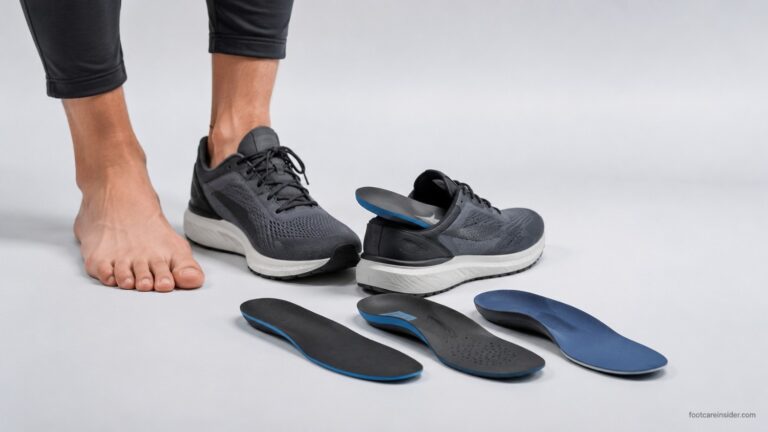
If you’ve ever searched for insoles online, you’ve probably found hundreds of options claiming to be the answer. Some promise extra cushioning, others focus on arch support, stability, or shock absorption. The challenge isn’t choosing the “best” insole—it’s choosing the one that matches how you use your feet every day. Someone who walks several miles daily has different needs than someone who stands behind a counter for eight hours, and a runner needs different support than someone wearing casual sneakers around town.
The right insole depends on how your feet feel during and after activity, the type of shoes you wear, and whether your biggest issue is pressure, fatigue, lack of support, or shoe fit. Matching the insole to your daily routine is usually more important than choosing the thickest or most expensive option.
Quick answer: match the insole to how you use your shoes. For everyday walking, choose balanced support with moderate cushioning. For long hours on hard floors, choose more cushioning with some structure. For snug shoes, choose a slim, low-volume insole. For a deeper look, see how to choose insoles step by step or choosing by foot type.
Why Different Feet Need Different Types of Insoles
No single insole works well for everyone because people’s feet, walking patterns, and daily routines vary considerably. Your heel, arch, forefoot, and even your Achilles tendon all share the workload when you stand or walk. If one area experiences more stress than the others, the type of support that feels comfortable can change. Prefer a quick answer? Try our insole finder quiz.
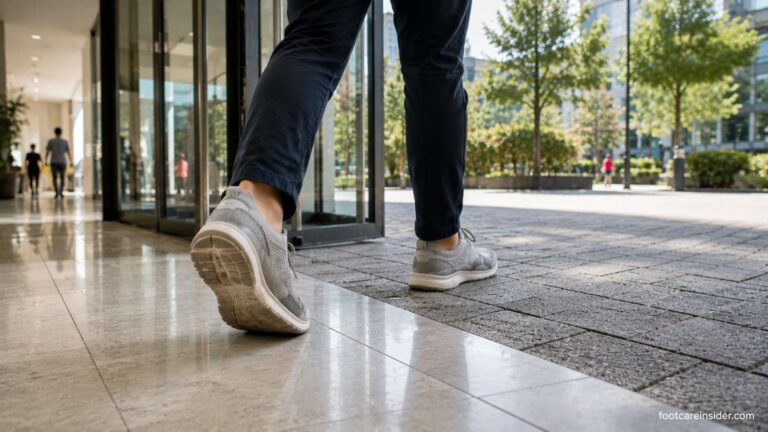
For example, someone who spends most of the day walking through airports or city streets may notice gradual heel and arch fatigue after several miles. Another person may mostly stand in one place on hard floors and feel pressure building beneath the forefoot instead.
Your shoes also influence the decision. Walking shoes usually have more interior volume than casual sneakers, while work boots may already include firm midsoles that change how an additional insole feels.
If you’re trying to understand whether your foot shape plays a role, Best Insoles for Flat Feet explains how arch structure can influence support needs during everyday walking.
What Usually Causes Feet to Feel Tired Without the Right Support
Many people assume sore feet automatically mean they need softer cushioning, but that’s only part of the picture. During repeated walking or long periods of standing, your feet absorb thousands of small impacts that gradually increase muscle fatigue.
Over time, several factors can contribute:
- Long periods of standing on concrete, tile, or hardwood floors
- Repeated walking throughout the day
- Shoes with worn or compressed factory insoles
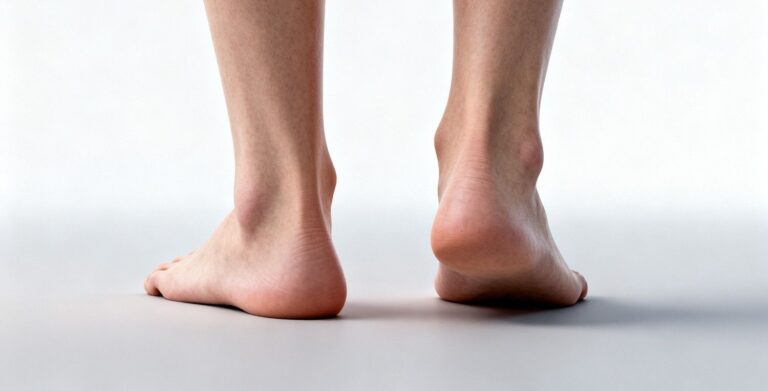
- Mild overpronation, where the foot rolls inward more than normal
- Shoes that no longer distribute pressure evenly
The plantar fascia—a thick band of tissue supporting the bottom of the foot—also works continuously during walking. When support doesn’t match your movement pattern, your feet may simply feel more tired by the end of the day rather than sharply painful.
If you’re unsure where discomfort begins, the Interactive Foot Pain Tool can help identify the location of your symptoms and explore common causes before deciding what type of support may help.
Quick Match: Your Situation and the Insole to Look For
| If this is you | Look for |
|---|---|
| Everyday walking, errands, commuting | Balanced support, moderate cushioning and light arch support |
| Long hours on concrete or tile | More cushioning plus enough structure to keep its shape |
| Tired arches after a few hours | Moderate to firm arch support |
| Heel impact is the main problem | Extra heel cushioning or a heel cup |
| Shoes feel tight | A slim, low-volume insole. See can insoles make shoes too tight |
Common Signs You’re Using the Wrong Type of Insole
An insole doesn’t have to wear out completely before it stops matching your needs. Sometimes the problem is simply that the design isn’t suited to your daily routine.
You may notice:
- Heel soreness after long walks
- Arch fatigue that develops later in the day
- Pressure beneath the ball of the foot (the forefoot)
- Shoes feeling less comfortable despite still fitting properly
- Legs feeling unusually tired after routine activities
These signs don’t automatically point to a medical condition, but they can suggest it’s time to reassess the type of support inside your shoes.
For example, someone wearing a very soft memory foam insole during long work shifts may eventually notice reduced stability, while someone using a very firm support insole in lightweight casual shoes may find it feels overly rigid.
Choosing the Right Direction for Your Daily Routine
Instead of looking for one universal solution, it helps to narrow your options based on how you actually use your shoes.
If general foot fatigue builds gradually during everyday walking, a balanced everyday support insole often makes more sense than an extremely soft comfort model.
If your arches feel tired after several hours, moderate arch support may help distribute pressure more evenly without dramatically changing your natural gait.
If your shoes already feel tight, a slim low-volume insole usually fits better than thicker cushioning models that reduce available toe space.
People who spend much of the day on hard indoor floors often benefit from a combination of moderate cushioning and support rather than choosing either extreme.
If your current insoles flatten quickly, looking for models designed with more durable EVA foam or structured orthotic support may provide longer-lasting comfort.
Readers comparing long-term performance may also find Soft vs Firm Insoles useful for understanding how cushioning and support behave differently over time.
The goal isn’t to find the most supportive or most cushioned insole available. It’s to find the one that fits your shoes, your walking pattern, and the way your feet feel after a normal day. Once those factors line up, choosing between the available insole types becomes much simpler.
Simple Changes That May Help Before Buying New Insoles
If your feet only feel mildly tired at the end of the day, a few adjustments may improve comfort before replacing your insoles. Rotating between two pairs of everyday shoes allows the midsoles and insoles to recover between wears. Replacing worn factory insoles can also restore support if the rest of the shoe is still in good condition. If your shoes fit well but feel slightly cramped, choose a slim, low-volume insole rather than a thicker cushioned model.
How Insoles Can Support Different Everyday Needs
Insoles work best when they match the demands of your daily routine rather than trying to solve every possible foot problem.
If your main complaint is general foot fatigue after commuting, errands, or casual walking, a balanced everyday insole with moderate cushioning and light arch support may provide more consistent comfort than a very soft insert.
People who spend long hours on hard floors often appreciate a slightly firmer insole that maintains its shape throughout the day instead of compressing quickly.
If your arches feel tired after several hours, structured arch support may help distribute pressure more evenly. On the other hand, if heel impact is your biggest concern, additional heel cushioning may be the better starting point.
Our picks: One example for each of the three most common routines.
Everyday walking: Moderate Support Insoles – balanced cushioning with a moderate arch.
Long hours on hard floors: Spenco RX – extra cushioning to take the sting out of concrete and tile.
Snug shoes: SOLE Active Thin – a low-profile insole that does not crowd the toes.
When It’s Time to Seek Medical Advice
Occasional tired feet after a busy day are common, but persistent pain deserves professional assessment. If discomfort continues despite changing shoes or insoles, becomes increasingly severe, or is accompanied by swelling, numbness, or difficulty walking, it’s a good idea to consult a healthcare professional such as a podiatrist or your primary care provider.
Insoles may improve comfort for many people, but they are not intended to diagnose, treat, or cure underlying medical conditions.
Preventing Everyday Foot Fatigue
Choosing the right insole is only one part of maintaining comfortable feet. Replacing worn shoes before they lose their support, wearing footwear that fits properly, gradually increasing walking distances, and varying long periods of standing with short movement breaks can all help reduce accumulated fatigue.
Regularly checking your insoles for visible compression, flattened arch support, or uneven wear also makes it easier to know when replacement may be worthwhile.
A softer insole often emphasizes cushioning, while a firmer design typically focuses on maintaining support and stability during repeated daily use. Neither is universally better—the right choice depends on how you use your shoes.
Common Questions
Can I use the same insoles in all my shoes?
Sometimes, but not always. An insole that fits roomy walking shoes may feel too thick in casual sneakers or work shoes. Always check that the shoe still fits comfortably without creating pressure around the toes or heel.
Are expensive insoles always better?
Not necessarily. A well-fitting insole that matches your daily activities often provides better comfort than a premium model designed for a completely different purpose.
How often should everyday insoles be replaced?
Replacement depends on daily use, body weight, walking distance, and the materials used. Many everyday insoles begin losing support after several months of regular wear, so inspect them periodically for flattening or uneven compression.
Should I remove the original shoe insole first?
In most cases, yes. Many replacement insoles are designed to replace the factory liner rather than sit on top of it. Keeping both inside the shoe can reduce available space and affect fit.
Conclusion
The best type of insole depends less on the product itself and more on how you use your shoes every day. By matching the level of cushioning, support, stability, and shoe fit to your daily routine, you can make a more informed decision without assuming one style works for everyone.
What is the best type of insole for everyday use?
For most people a balanced insole with moderate arch support and moderate cushioning works best. Very soft insoles flatten faster and very firm ones can feel rigid in casual shoes. Check the signs you need new insoles when your current pair stops feeling right.