Are Insoles Worth It for Everyday Use?
When everyday shoes stop feeling comfortable
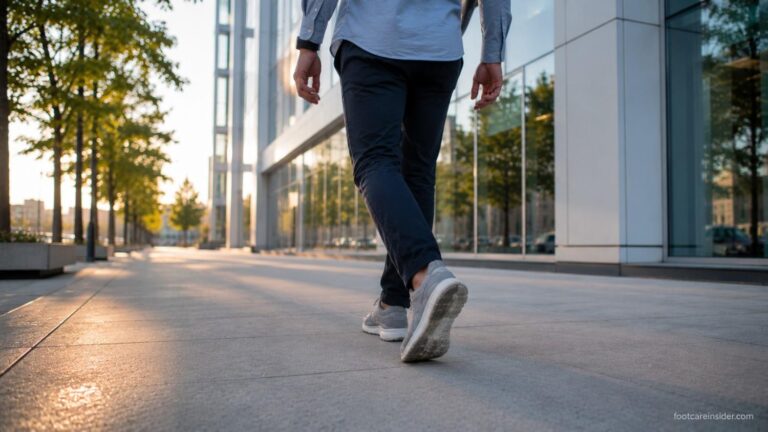
Most people don’t start looking for insoles because they’re training for a marathon or spending 12 hours on a warehouse floor. They start looking because their everyday shoes no longer feel as comfortable as they used to. Maybe your feet feel more tired after commuting, walking the dog, shopping, or spending a typical workday moving between meetings and errands. By evening, your heels may feel sore, your arches may feel fatigued, or the ball of your foot begins to notice every step.
If you’re wondering whether insoles are worth it for everyday use, the answer depends less on your shoes and more on how your feet respond to your daily routine. The right insole isn’t about making every shoe softer—it should match your walking pattern, support needs, and the space available inside your footwear.
For many people, a well-chosen everyday insole can improve comfort, reduce pressure in key areas, and provide more consistent support throughout the day. The best choice depends on where your feet become tired, how much you walk, how supportive your shoes already are, and whether there’s enough room inside them for a replacement insole.
If you decide they are, choosing insoles for everyday foot comfort explains how to pick.
Choosing the right support starts with your daily routine
Not everyone needs the same type of insole. Someone who walks several miles during a normal day has different needs than someone who mainly stands at a desk or alternates between sitting and short walks.
The goal isn’t to buy the thickest or softest insert available. Instead, narrow your decision based on four factors: where your feet become uncomfortable, how much time you spend walking, how supportive your current shoes feel, and how much room is available inside them. Once those pieces are clear, selecting the right support direction becomes much easier.
Readers comparing different support options may also find Best Insoles for Walking helpful.
Why everyday activities put more strain on your feet than you expect
Even a fairly typical day places repeated stress on the feet. Every step sends force through the heel before moving across the arch and forefoot. Over hundreds or even thousands of steps, those repeated loads begin to add up.
Modern sneakers often include basic factory liners that provide initial comfort but gradually compress with regular use. As cushioning becomes less resilient, the foot may receive less consistent support, allowing pressure to build more noticeably in certain areas.
Walking on sidewalks, tile, concrete entrances, office buildings, shopping centers, or mixed indoor and outdoor surfaces also exposes your feet to constantly changing impact levels. While these aren’t extreme environments, the accumulated load can leave your feet feeling noticeably more tired by the end of the day than they did in the morning.
If your shoes already fit well but comfort fades as the day progresses, replacing the stock liner with a better-matched insole often makes more sense than replacing the entire pair of shoes.
Why the original insoles aren’t always enough
Factory insoles are designed to suit a wide range of buyers while keeping manufacturing costs reasonable. That doesn’t make them poor quality, but they usually prioritize general comfort rather than long-term support or durability.
Some stock insoles flatten relatively quickly under repeated daily walking. Others provide very little arch structure, while some use soft foam that feels pleasant initially but loses resilience over time. In shoes with limited interior volume, a replacement that’s too thick can also create new fit problems by reducing toe room.
The best replacement isn’t automatically the most cushioned model. Instead, it should complement your shoe. Walking shoes with generous interior space may comfortably accept a moderately supportive insole, while slimmer casual sneakers often work better with a lower-volume design that preserves the original fit.
Finding the insole direction that matches your everyday needs
If your main complaint is general foot fatigue after commuting, shopping, or regular daily walking, a balanced everyday insole with moderate cushioning is often the best starting point. It may improve underfoot comfort without dramatically changing how your shoes fit.
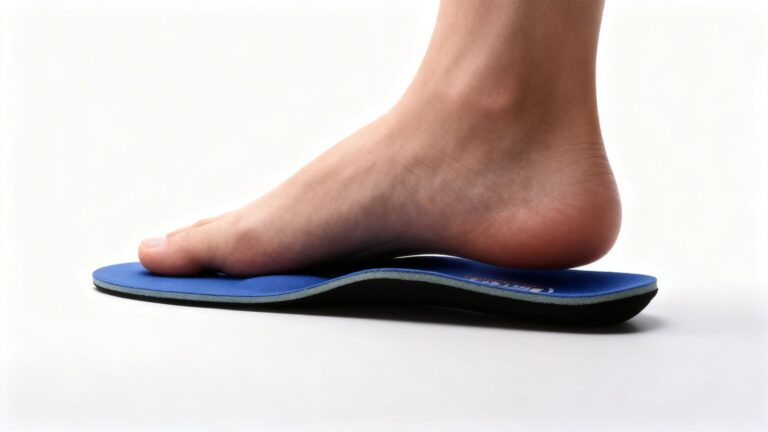
If tired arches become more noticeable than heel soreness, consider a support-focused design that provides more consistent structure through the arch. This type of insole generally offers greater stability than soft comfort inserts, although it may feel firmer during the first few wears.
For shoes that already fit snugly, low-volume insoles deserve careful consideration. They provide extra comfort while preserving valuable space inside the shoe, making them a practical choice for everyday sneakers and casual footwear.
People whose current insoles flatten within a few months of regular use may benefit from a more durable design that prioritizes long-term support retention over exceptionally plush cushioning.
If your daily routine includes considerably more walking than standing, durability becomes increasingly important. An insole that maintains its shape over time often provides more consistent comfort than one that feels extremely soft at first but compresses quickly.
Readers who are deciding between softer comfort and longer-lasting structure may also benefit from Soft vs Firm Insoles.
Once you’ve identified which of these situations most closely matches your daily routine, choosing the right everyday insole becomes much more straightforward.
Best if your feet simply feel tired by the end of a normal day
If your everyday shoes are generally comfortable but your feet feel noticeably more fatigued after commuting, shopping, or several hours of walking, start with an insole that combines moderate cushioning and light arch support. It provides a balanced feel without dramatically changing the fit of the shoe. The drawback is that it may not offer enough structure for people who need stronger stability.
Best if your arches lose support before your heels do
When arch fatigue develops before heel soreness, a firmer support-focused insole often makes more sense than a very soft comfort insert. It can help maintain a more consistent platform throughout the day and usually retains its shape longer. The trade-off is that it may feel less plush during the first few days compared with softer foam designs.
Best if your everyday shoes already fit snugly
Casual sneakers, fashion trainers, and some work shoes don’t always leave much room for thicker replacement insoles. A slim, low-volume insole can improve comfort while preserving toe space and reducing the chance of creating pressure across the top of the foot. It fits more easily than bulkier heavy-duty options but generally offers less cushioning.
Best if your current insoles flatten too quickly
If the original inserts feel noticeably softer after only a few months, consider a more durable insole designed to maintain its support under repeated daily walking. These models usually provide steadier comfort over time than very plush foam inserts. The compromise is that they may feel slightly firmer straight out of the box.
Best if you spend more time walking than standing
For people who accumulate thousands of steps every day, durability becomes almost as important as cushioning. An insole with balanced support and resilient foam can remain comfortable through repeated impact and everyday mileage. It is generally better suited to frequent walking than very soft comfort insoles, although it may feel slightly less cushioned initially.
Frequently Asked Questions
Should I remove the original insole before adding a new one?
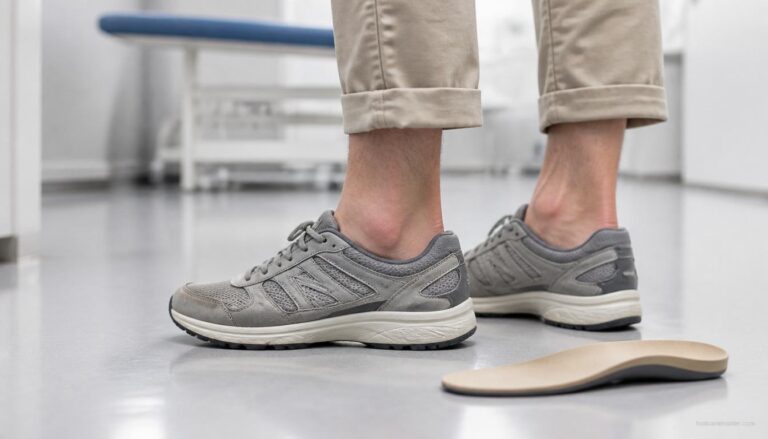
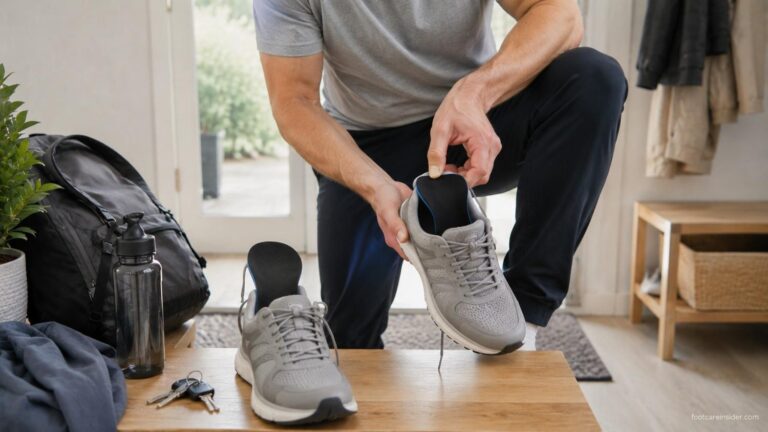
In most shoes, yes. Removing the factory liner usually creates enough room for the replacement insole to fit properly and helps maintain a comfortable shoe fit.
Are soft or firm insoles better for everyday use?
Neither is automatically better. Softer insoles emphasize immediate comfort, while firmer options generally provide more consistent support and often last longer under regular use.
How often should everyday insoles be replaced?
Replacement depends on walking distance, body weight, and daily wear. Many everyday insoles gradually lose cushioning or support after several months of consistent use.
Can insoles help reduce everyday foot fatigue?
A properly matched insole may improve comfort by distributing pressure more evenly and supporting the foot throughout the day. If discomfort persists or worsens despite changing footwear, a healthcare professional can help identify the underlying cause.
A practical buying approach
If your everyday shoes feel comfortable at first but your feet become tired as the day goes on, a balanced everyday insole is often the most sensible place to begin. Choose additional cushioning when general fatigue is your biggest concern, firmer support when your arches need more stability, and a slim profile when shoe space is limited. Matching the insole to your routine will usually provide better long-term comfort than simply choosing the softest option.