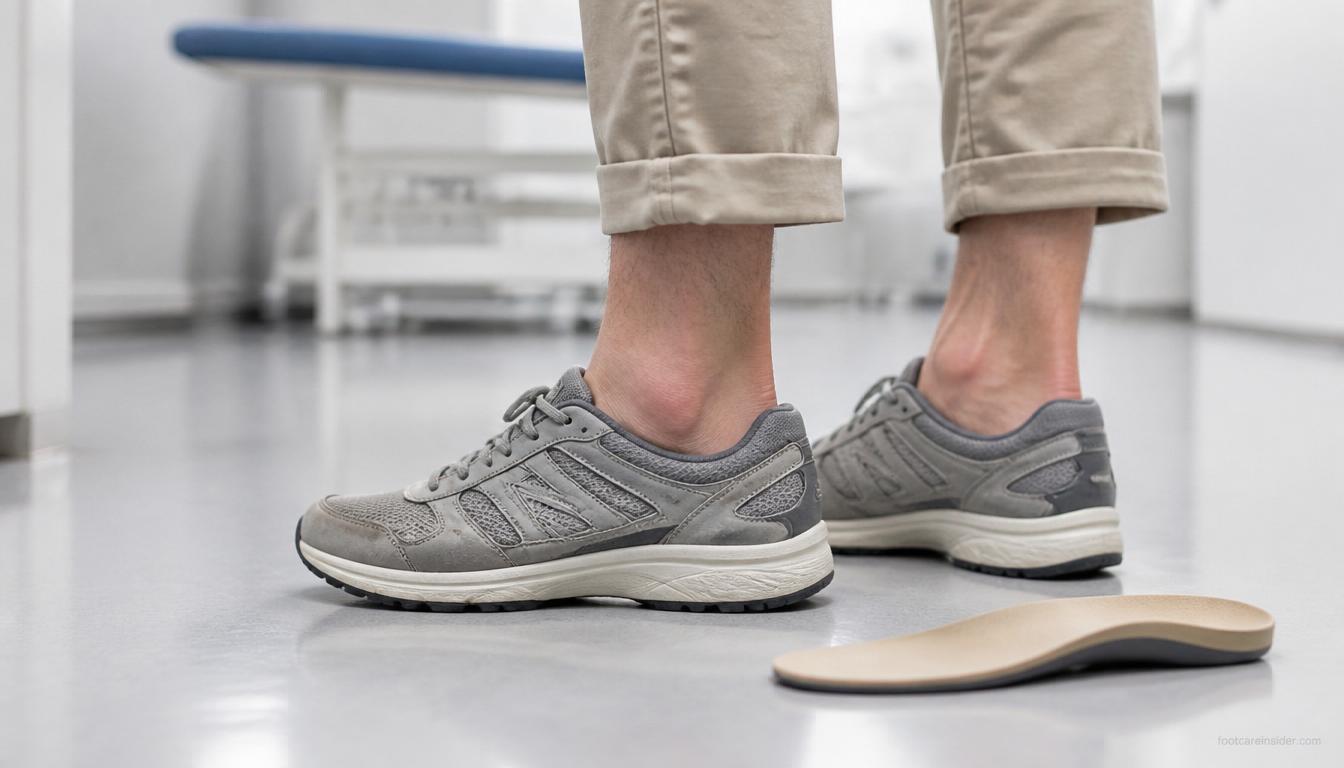
Why Flat Feet Cause Faster Foot Fatigue
If your feet seem to get tired long before everyone else’s, flat feet may be part of the reason. Many people with low or collapsed arches notice that standing for long periods, walking through stores, working long shifts, or spending an active day outdoors leaves their feet feeling exhausted much sooner than expected.
This isn’t simply a matter of comfort. The structure of the foot plays an important role in how forces are absorbed and distributed during movement. When the arch doesn’t provide adequate support, muscles and soft tissues often have to work harder to keep the foot stable. Over time, that extra workload can contribute to faster fatigue, soreness, and discomfort.
For some people, the problem develops gradually. What begins as mild tiredness at the end of the day can eventually become persistent foot fatigue that affects daily activities.
For background on the condition itself, read our flat feet guide.
How Flat Feet Affect Foot Function
The arch acts like a natural support system for the foot. During walking and standing, it helps distribute pressure, absorb impact, and provide stability.
With flat feet, the arch sits lower than normal or may collapse significantly when weight is applied. This changes how forces move through the foot during each step.
Instead of efficiently absorbing and transferring load, the foot may experience increased strain in certain areas. Muscles that help stabilize the arch often work harder to compensate for the lack of structural support.
This added effort may not be noticeable during short periods of activity. However, after several hours of walking or standing, the accumulated workload can contribute to noticeable fatigue.
Many people also discover that flat feet and excessive inward rolling of the foot occur together. Understanding the differences discussed in flat feet vs overpronation can help explain why some individuals experience fatigue more quickly than others.
Why Extra Muscle Work Leads to Fatigue
Every step requires a coordinated effort between muscles, tendons, ligaments, and joints.
When the arch provides less support, muscles in the foot and lower leg frequently take on additional responsibility. Their job is to help control movement, maintain balance, and support the body’s weight throughout the walking cycle.
Think of it like carrying a backpack. A small amount of extra weight may not seem significant initially, but after hours of carrying it, fatigue becomes much more noticeable.
The same principle applies to the foot. Small increases in muscular effort repeated thousands of times per day can create a meaningful increase in fatigue.
This effect often becomes more noticeable during:
- Long work shifts
- Extended shopping trips
- Travel days involving heavy walking
- Exercise sessions
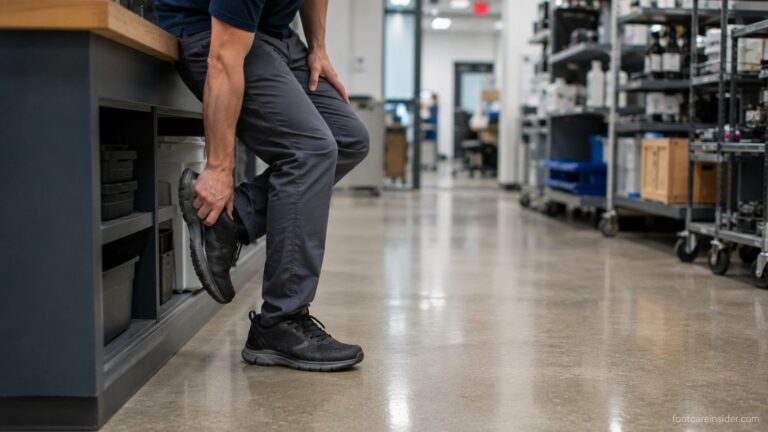
- Standing on hard surfaces
The longer the activity continues, the more likely fatigue becomes.
Factors That Can Make Fatigue Worse
Not everyone with flat feet experiences the same level of discomfort. Several factors influence how quickly fatigue develops.
Activity Level
People who spend most of the day sitting may rarely notice symptoms.
In contrast, individuals who spend eight or more hours standing, walking, or moving frequently place much greater demands on the feet.
The combination of flat feet and high daily activity often increases the likelihood of end-of-day exhaustion.
Body Weight
Additional body weight increases the amount of force passing through the feet during standing and walking.
Over time, this can increase stress on muscles and soft tissues that are already working harder to compensate for reduced arch support.
Footwear Choices
Supportive footwear can influence how efficiently the foot functions throughout the day.
Shoes that lack stability or adequate support may allow fatigue to develop more quickly, especially during prolonged activity.
Underlying Foot Structure
The severity of flat feet varies from person to person.
Some individuals have flexible flat feet that appear normal when sitting but flatten under weight-bearing conditions. Others have more pronounced arch collapse that remains visible at all times.
Understanding what causes flat feet can help explain why symptoms differ significantly between individuals.
Early Signs of Fatigue
Foot fatigue often develops gradually rather than appearing suddenly.
Early signs may include:
- Tired feet after walking
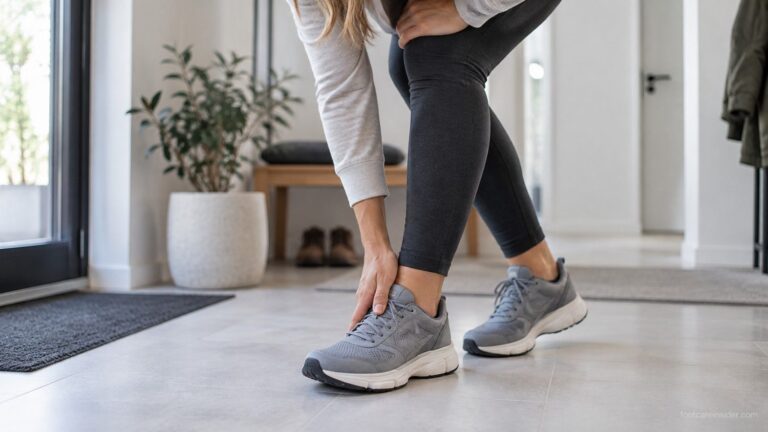
- Mild arch soreness
- Occasional heel discomfort
- Increased desire to sit down during long periods of standing
- General foot heaviness late in the day
At this stage, symptoms often improve with rest and may not interfere significantly with daily life.
Because the progression is slow, many people assume their discomfort is simply a normal consequence of getting older or spending more time on their feet.
When Fatigue Becomes a Bigger Problem
As stress continues over months or years, fatigue can become more persistent.
The feet may begin feeling tired earlier in the day, recovery may take longer, and discomfort may spread beyond the foot itself.
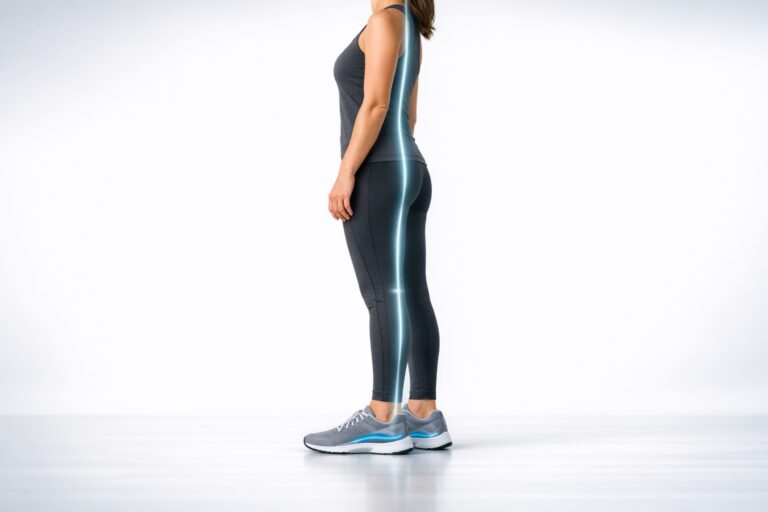
Flat feet can influence alignment throughout the lower body. Changes in foot mechanics may affect the ankles, knees, hips, and even the lower back.
This is one reason some people eventually experience issues beyond simple foot tiredness. The relationship between foot structure and body alignment is explored further in why flat feet cause knee pain.
When fatigue begins affecting work performance, exercise habits, or normal daily activities, it may indicate that additional support, footwear adjustments, or professional evaluation could be beneficial.
Managing Fatigue When You Have Flat Feet
Flat feet do not automatically mean you’ll experience severe fatigue, but managing the condition often involves reducing unnecessary stress on the feet throughout the day.
One of the simplest strategies is paying attention to activity patterns. Long periods of standing without movement can place continuous load on the feet, while repetitive walking can increase muscular demand. Taking short breaks, changing positions periodically, and avoiding prolonged standing when possible may help reduce fatigue.
Footwear also plays an important role. Shoes with adequate support and stability can improve how forces are distributed during walking and standing. Worn-out shoes often lose their ability to support the foot effectively, which may contribute to earlier fatigue.
For individuals spending many hours on hard surfaces, supportive footwear may be particularly important.
Can Insoles Help?
Insoles are not a cure for flat feet, but they may help some individuals reduce fatigue by improving support and pressure distribution.
When the foot receives additional support, muscles may not need to work as hard to maintain stability throughout the day. This can be especially helpful for people who spend long periods walking or standing.
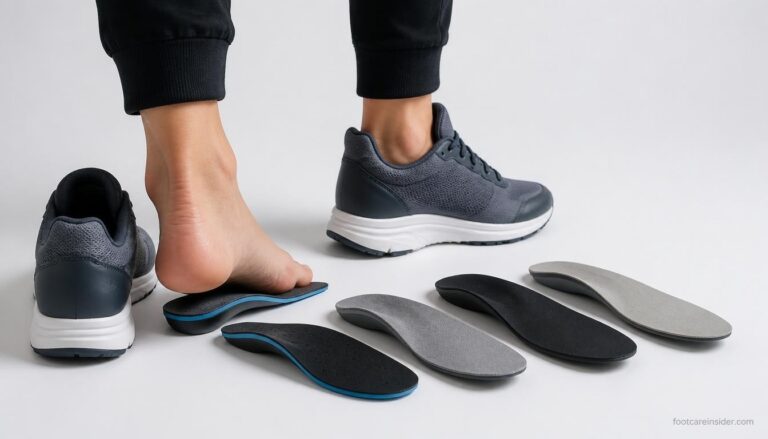
Some individuals benefit from supportive insoles designed specifically for lower arches. Others may find that a combination of supportive footwear and properly fitted insoles provides the greatest improvement.
Readers who spend long shifts on their feet often explore insoles for standing all day when looking for additional support options.
When Professional Advice May Be Helpful
Occasional fatigue after a busy day is common.
However, certain situations may warrant evaluation by a healthcare professional.
These include:
- Persistent pain
- Significant changes in walking ability
- Increasing symptoms despite supportive footwear
- Swelling that does not improve
- Fatigue severe enough to limit daily activities
A professional assessment can help determine whether flat feet are the primary cause of symptoms or whether other factors may be contributing.
Reducing Stress on the Feet Over Time
Managing flat feet often focuses on minimizing cumulative stress rather than eliminating activity.
Helpful habits may include:
- Wearing supportive footwear consistently
- Replacing worn shoes when support decreases
- Maintaining a healthy body weight
- Gradually increasing activity levels
- Avoiding sudden spikes in walking or standing duration
These strategies may not completely eliminate fatigue, but they can help reduce the workload placed on the feet over time.
Compared with individuals who have higher arches, people with flat feet often require greater muscular effort during prolonged activity. Even small improvements in support and movement efficiency can make a noticeable difference across an entire day.
Common Questions
Do flat feet always cause foot fatigue?
No. Some people with flat feet experience very few symptoms throughout their lives. Fatigue becomes more likely when flat feet are combined with prolonged standing, high activity levels, inadequate footwear, or other biomechanical factors.
Why do my feet feel tired after standing all day?
Standing places continuous load on the feet without giving muscles much opportunity to rest. For people with flat feet, the muscles that help support the arch may work harder throughout the day, leading to earlier fatigue.
Can supportive shoes reduce fatigue caused by flat feet?
Supportive shoes may help distribute pressure more effectively and improve overall stability. While they do not change foot structure, they can reduce some of the stress placed on muscles and soft tissues during daily activities.
Is foot fatigue a sign that my flat feet are getting worse?
Not necessarily. Fatigue can increase because of longer standing periods, increased activity, weight changes, aging, or footwear issues. However, worsening symptoms should be evaluated if they begin affecting normal daily function.
Are flat feet more tiring during walking or standing?
Both can contribute to fatigue, but prolonged standing often creates continuous stress without much variation in movement. Long walking sessions can also be demanding because the muscles repeatedly work to control foot motion over thousands of steps.
Conclusion
Flat feet can contribute to faster foot fatigue because the arch provides less natural support during standing and walking. As a result, muscles and soft tissues may work harder to maintain stability throughout the day.
For many people, symptoms begin as mild end-of-day tiredness. Over time, however, repeated stress can make fatigue more noticeable and may affect comfort, activity levels, and overall quality of life.
The good news is that understanding the cause is often the first step toward improvement. Supportive footwear, appropriate activity management, and attention to foot mechanics can help reduce the strain that contributes to fatigue and improve day-to-day comfort.