Why Some Arch Supports Feel Too Aggressive
You buy a pair of supportive insoles expecting relief, only to discover that the arch support feels uncomfortable, intrusive, or even painful. For some people, it can feel like a hard object pressing into the middle of the foot with every step.
This experience is more common than many people realize. Arch support is designed to help distribute pressure and support foot mechanics, but the wrong shape, height, firmness, or fit can make support feel overly aggressive rather than helpful.
In many cases, the problem is not that arch support is inherently bad. Instead, the support may not match the person’s foot structure, walking pattern, footwear, or comfort needs.
What Does “Too Aggressive” Arch Support Mean?
When people describe arch support as aggressive, they are usually referring to excessive pressure beneath the arch.
Common descriptions include:
- feeling a lump under the foot
- arch soreness during walking
- pressure that becomes noticeable throughout the day
- discomfort when standing for long periods
- a sensation that the foot is being forced into an unnatural position
Support should generally feel noticeable but not overwhelming.
While some adjustment is normal when switching to supportive insoles, persistent discomfort may indicate that the support level is not appropriate for the individual.
Why Arch Support Can Feel Uncomfortable Initially
The feet adapt to the support they experience every day.
If someone has spent years wearing flat or minimally supportive footwear, introducing structured support can feel unfamiliar.
The foot is suddenly experiencing pressure in areas that previously received little direct contact.
This often happens when:
- switching from flat shoes to orthotics
- moving from soft insoles to structured support
- increasing arch height significantly
- using firm support materials
In many cases, mild awareness decreases as the feet adapt over several days or weeks.
However, excessive discomfort should not simply be ignored.
Foot Structure Plays a Major Role
Not every arch is the same.
People have different:
- arch heights
- foot widths
- walking patterns
- flexibility levels
A support design that feels comfortable for one person may feel aggressive for another.
Someone with highly flexible flat feet may respond differently than someone with a naturally high arch.
Readers exploring what causes flat feet often discover that foot structure varies significantly from person to person, which explains why support preferences differ so much.
Because of these differences, arch support should be viewed as individualized rather than universal.
Support Height and Shape Matter
Many people assume more support automatically means better support.
That is not always true.
An arch support that sits too high may create concentrated pressure beneath the foot instead of distributing force more evenly.
Similarly, a support contour that does not match the natural shape of the foot may feel intrusive during walking.
The relationship between the foot and the support structure is often more important than the amount of support itself.
In some cases, a moderate arch support feels more comfortable and effective than a highly aggressive design.
Firmness Can Influence Comfort
Material choice plays a significant role in how support feels.
A firm orthotic and a soft orthotic may provide similar arch height while creating completely different experiences.
Firmer materials tend to:
- provide stronger control
- maintain shape under load
- create more noticeable support
Softer materials tend to:
- absorb pressure
- feel more forgiving
- allow greater flexibility
People comparing flat feet vs overpronation frequently learn that support needs depend not only on foot structure but also on how the foot moves during walking.
For some individuals, a slightly softer support may feel more comfortable without sacrificing function.
Walking Patterns Affect Pressure
Walking mechanics influence how arch support feels.
During every step, force moves through:
- the heel
- the arch
- the forefoot
If walking mechanics place increased load on the arch, support pressure may become more noticeable.
This is one reason discomfort sometimes appears during longer walks even when support feels acceptable initially.
As fatigue develops, the interaction between the foot and the support structure becomes easier to notice.
Standing for Long Periods Can Magnify the Problem
Many people first notice aggressive arch support while standing.
Unlike walking, standing creates relatively constant pressure beneath the feet.
A support feature that feels acceptable during movement may become uncomfortable after several hours of static loading.
People researching insoles for standing all day often discover that support and comfort need to work together. Excessive firmness may become more noticeable during prolonged standing than during walking.
The goal is usually a balance between stability and pressure relief.
Early Signs That Support May Be Too Aggressive
Several warning signs can indicate that support may not be a good match.
These include:
- persistent arch soreness
- localized pressure points
- discomfort that worsens throughout the day
- pain rather than simple awareness
- difficulty adapting after several weeks
A brief adjustment period is often normal.
However, symptoms that continue to intensify rather than improve may suggest that the support level, shape, or firmness is not appropriate.
When It Becomes a Problem
Arch support should generally improve comfort or support over time.
If the support consistently causes discomfort that interferes with daily activities, walking, exercise, or standing, it may no longer be serving its intended purpose.
The goal is not to force the foot into a position that feels uncomfortable. Effective support typically helps manage load while remaining reasonably comfortable during everyday use.
Understanding the difference between normal adjustment and excessive pressure is often the key to finding support that actually works.
Finding a Better Balance
If arch support feels too aggressive, the solution is not always removing support completely.
Often, the goal is finding a support level that matches your foot structure and daily activities.
Simple adjustments may include:
- choosing a lower arch profile
- selecting softer support materials
- gradually increasing wear time
- ensuring proper shoe fit
- replacing worn footwear
Many people tolerate support much better when they introduce it gradually instead of wearing it all day from the beginning.
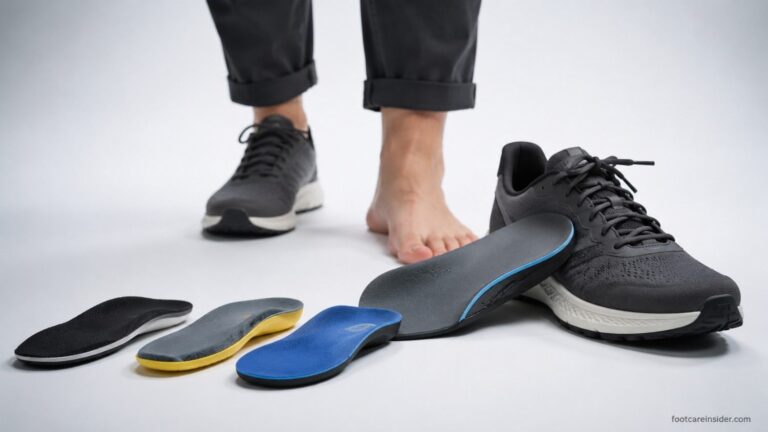
The Role of Insoles
Supportive insoles can be useful when chosen appropriately.
Their purpose is generally to:
- improve pressure distribution
- support the arch
- reduce excessive foot motion
- improve comfort during prolonged activity
However, more support is not always better.
An insole that matches the shape and flexibility of the foot often feels significantly more comfortable than one designed with maximum arch height.
People researching best insoles for flat feet often discover that support effectiveness depends heavily on proper fit rather than simply choosing the most supportive option available.
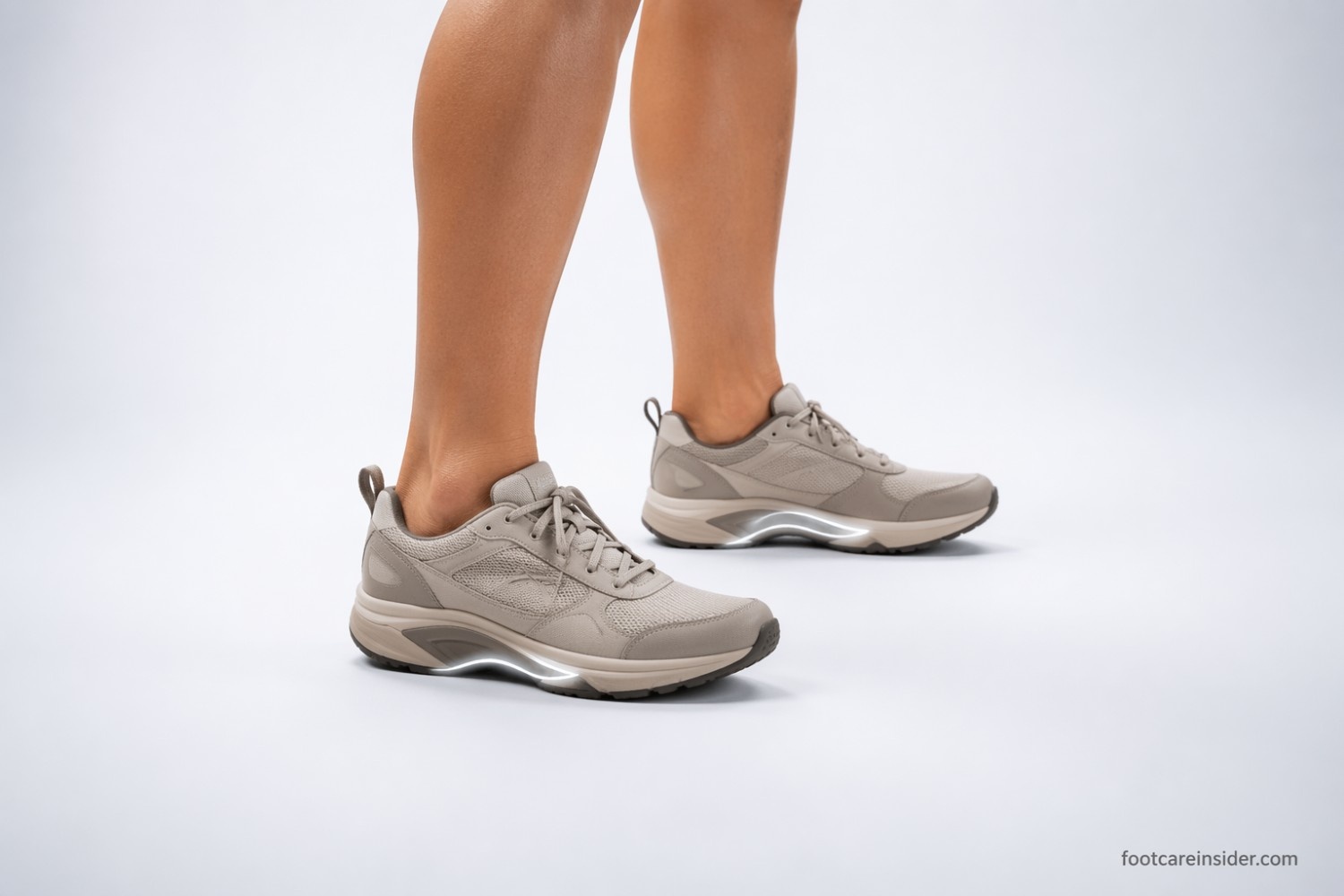
When Footwear Contributes to the Problem
Sometimes the insole is not the primary issue.
The shoe itself can influence how arch support feels.
Factors that may increase discomfort include:
- narrow shoe designs
- insufficient depth
- worn midsoles
- poor heel stability
When the shoe and insole do not work together, support pressure may become concentrated beneath the arch.
This can make an otherwise appropriate support device feel far more aggressive than intended.
When Professional Assessment May Help
Persistent discomfort deserves attention.
Consider professional evaluation if:
- pain continues beyond the adaptation period
- walking becomes uncomfortable
- symptoms worsen over time
- support consistently creates pressure points
- foot pain interferes with daily activities
A healthcare professional can evaluate foot structure, walking mechanics, and support needs more accurately than trial and error alone.
Preventing Arch Support Problems
Many support-related issues can be reduced through proper selection.
Helpful strategies include:
- matching support height to foot type
- replacing worn insoles when necessary
- choosing footwear with adequate room
- introducing new supports gradually
- avoiding assumptions that firmer always means better
The best support often feels supportive without drawing constant attention to itself.
Comfort and function usually work together rather than competing against each other.
A Quick Comparison
A moderate arch support typically aims to distribute pressure comfortably across the foot.
An aggressive arch support often prioritizes control and structure, which may be helpful for some individuals but uncomfortable for others.
The ideal choice depends on how your feet respond during real-world use rather than how supportive a product appears on paper.
Common Questions
Is it normal for arch support to hurt at first?
Mild awareness or slight discomfort can be normal during the adjustment period. However, persistent pain or worsening symptoms are not generally considered part of normal adaptation.
How long does it take to adjust to arch support?
Many people adapt within a few days to a few weeks. The exact timeline varies depending on foot structure, support level, and how different the new support is from previous footwear.
Can arch support be too high?
Yes. An excessively high arch support may create concentrated pressure beneath the foot and feel uncomfortable during walking or standing.
Why does arch support feel worse when standing?
Standing places continuous pressure on the feet without the movement-related pressure changes that occur during walking. This can make support features feel more noticeable.
Should I stop wearing insoles if the arch hurts?
If discomfort is severe or continues to worsen, it may be worth reducing wear time or seeking professional guidance. Mild adaptation symptoms often improve, but persistent pain should not be ignored.
Can shoe fit affect arch support comfort?
Absolutely. Even a well-designed insole can feel uncomfortable if the shoe is too narrow, too shallow, or lacks adequate support itself.
Conclusion
Arch support is intended to help the foot manage pressure and movement more effectively, but support that feels too aggressive can create discomfort instead of relief.
In many cases, the issue is not arch support itself but a mismatch between the support design and the individual’s foot structure, footwear, or activity level.
Finding the right balance often means choosing support that feels natural, distributes pressure comfortably, and allows the foot to function efficiently throughout the day. The best support is usually the one that provides assistance without constantly reminding you that it is there.