Can Flat Feet Affect Posture and Alignment?
Many people think flat feet only affect the feet themselves. However, if you have ever experienced tired legs, knee discomfort, hip tightness, or lower back fatigue after standing or walking for long periods, your foot structure may be influencing more than you realize.
The feet serve as the foundation of the body’s movement system. When that foundation changes, the effects can sometimes travel upward through the ankles, knees, hips, and spine. This does not mean everyone with flat feet will develop posture problems, but it does explain why some people notice alignment-related symptoms over time.
Understanding the relationship between flat feet, posture, and body alignment can help explain why discomfort sometimes appears far away from the feet themselves.
New to this topic? Start with our flat feet guide.
How Flat Feet Influence Body Mechanics
A healthy arch helps distribute force during standing and walking.
As weight moves through the foot, the arch assists with:
- shock absorption
- stability
- balance
- pressure distribution
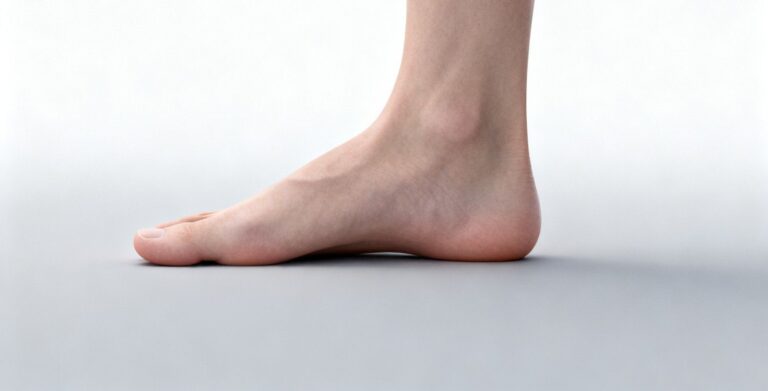
When the arch becomes lower or collapses significantly, movement mechanics may change.
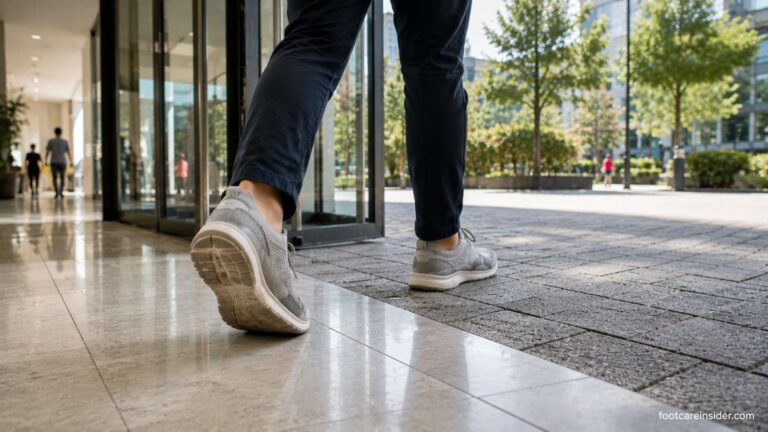
The foot can roll inward more than normal during walking, creating shifts in how weight travels through the lower body.
These changes may affect:
- ankle positioning
- knee tracking
- hip movement
- pelvic alignment
The body is remarkably adaptable, but long-term compensation sometimes creates additional strain in surrounding joints and muscles.
The Connection Between Flat Feet and Alignment
Alignment refers to how different parts of the body work together during standing and movement.
Ideally, force travels through:
- the feet
- the ankles
- the knees
- the hips
- the spine
in a relatively efficient pattern.
When flat feet alter the position of the foot, the joints above may also adjust slightly to maintain balance.
This does not always create symptoms immediately.
In many cases, the body compensates successfully for years before fatigue or discomfort begins appearing.
People researching flat feet vs overpronation often discover that excessive inward foot movement can play an important role in these alignment changes.
Although the terms are related, they are not identical. Understanding the distinction helps explain why posture changes vary from person to person.
Why Some People Notice Knee Discomfort
The knees often become one of the first areas affected by altered foot mechanics.
As the foot rolls inward excessively, the knee may rotate slightly differently during walking.
Over thousands of steps per day, this small change can influence:
- joint loading
- muscle activation
- movement efficiency
For some individuals, this contributes to gradual discomfort during:
- long walks
- prolonged standing
- repetitive work activities
Readers exploring why flat feet cause knee pain often find that foot position and knee movement are closely connected during everyday activities.
This does not mean flat feet directly cause knee problems in every case, but they may contribute to how forces move through the lower body.
Posture Changes Are Often Subtle
One common misconception is that posture problems always appear as dramatic visible changes.
In reality, the effects are often much more subtle.
People may notice:
- increased fatigue while standing
- uneven shoe wear
- muscle tightness
- balance challenges
- discomfort after activity
Long before obvious posture changes become visible.
The body constantly makes small adjustments to maintain stability.
These adjustments may involve:
- shifting weight distribution
- altering stride length
- changing hip positioning
- modifying muscle recruitment patterns
Over time, these compensations can become habitual.
What Causes Flat Feet in the First Place?
Flat feet develop for several different reasons.
Some individuals are born with naturally lower arches.
Others experience arch changes due to:
- aging
- injury
- tendon dysfunction
- excess body weight
- prolonged stress on the feet
People looking into what causes flat feet often discover that multiple factors may contribute rather than a single cause.
Understanding the underlying reason can help explain why symptoms differ so much between individuals.
Someone with flexible flat feet may experience very different challenges compared with someone whose arch structure changes later in life.
Daily Activities Can Make Symptoms More Noticeable
The impact of flat feet often becomes more apparent during repetitive activities.
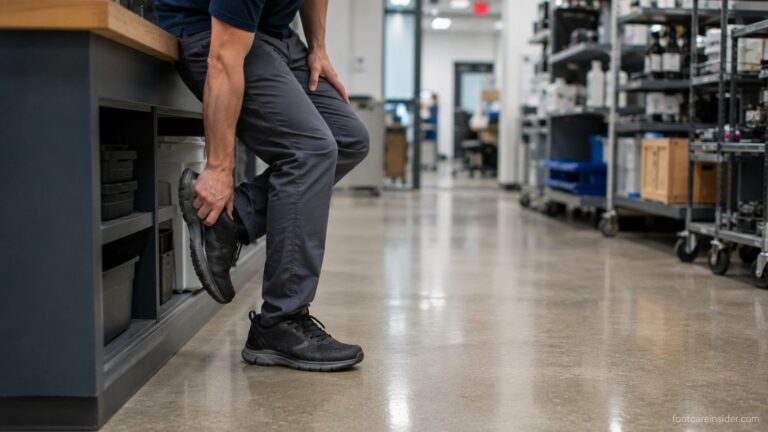
Standing for long periods, walking on hard surfaces, or spending entire workdays on concrete can increase the demands placed on the feet.
Common triggers include:
- warehouse work
- retail shifts
- healthcare jobs
- long walking distances
- extended standing periods
The more load placed on the body’s movement system, the more noticeable alignment-related fatigue may become.
Some people feel symptoms primarily in the feet. Others experience discomfort higher in the kinetic chain, including the knees, hips, or lower back.
When Alignment Changes Become More Significant
Not everyone with flat feet develops posture-related problems.
However, symptoms may become more noticeable when:
- discomfort begins occurring regularly
- walking patterns change
- balance feels less stable
- fatigue develops earlier than expected
- pain spreads beyond the feet
These signs do not automatically indicate serious structural problems.
Instead, they often suggest the body is working harder to compensate for changes in movement mechanics.
Recognizing these patterns early can make it easier to address contributing factors before discomfort becomes a regular part of daily life.
Supporting Better Alignment in Daily Life
If flat feet are contributing to posture or alignment concerns, the goal is usually not to force the foot into a completely different shape. Instead, the focus is often on improving stability, reducing excessive strain, and helping the body move more efficiently.
Simple adjustments can sometimes make a noticeable difference.
These may include:
- wearing supportive footwear
- avoiding excessively worn-out shoes
- managing standing duration when possible
- maintaining healthy mobility
- strengthening supporting muscles
Small improvements in daily habits often have a cumulative effect over time.
The Role of Insoles and Foot Support
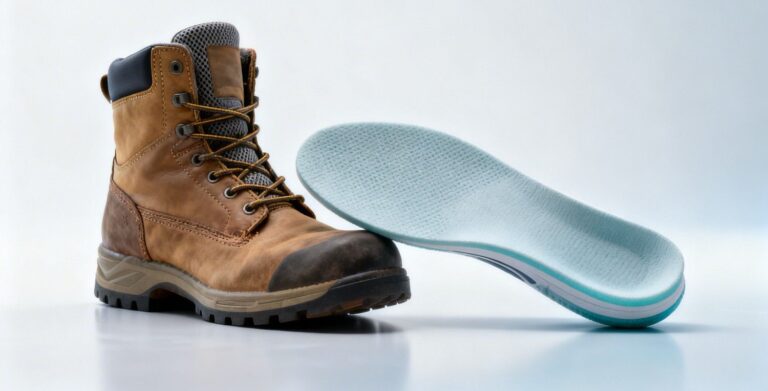
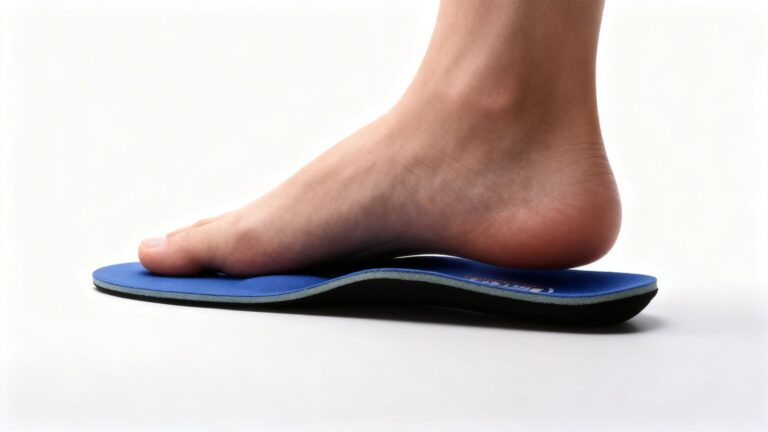
Supportive insoles may help some people improve comfort during standing and walking.
By providing additional arch support and pressure distribution, insoles can sometimes reduce the workload placed on certain muscles and joints.
People who spend long hours standing frequently explore best insoles for flat feet when looking for ways to improve comfort and support throughout the day.
It is important to understand that insoles are not designed to permanently change foot structure. Their role is generally supportive rather than corrective.
For many individuals, improved support simply helps reduce fatigue and promotes more efficient movement patterns.
When Professional Evaluation May Help
Occasional fatigue or mild discomfort is common.
However, professional assessment may be useful if symptoms become persistent or begin interfering with daily activities.
Consider seeking evaluation if you experience:
- ongoing knee pain
- recurring hip discomfort
- significant balance problems
- worsening foot pain
- noticeable walking changes
- symptoms that continue despite supportive footwear
A healthcare professional can assess how the feet, legs, and overall movement system are working together.
This can help determine whether flat feet are contributing to the symptoms or whether other factors are involved.
Preventing Alignment Problems From Getting Worse
Prevention often focuses on reducing unnecessary strain rather than attempting dramatic corrections.
Helpful strategies may include:
- maintaining supportive footwear
- replacing worn shoes regularly
- staying physically active
- strengthening the lower body
- addressing discomfort early
People who ignore persistent fatigue sometimes develop compensation patterns that become more difficult to manage later.
Paying attention to early warning signs often makes long-term management easier.
Flat Feet Do Not Affect Everyone the Same Way
One of the most important things to understand is that flat feet exist on a spectrum.
Some people have low arches and experience no symptoms at all.
Others notice:
- foot fatigue
- knee discomfort
- hip tightness
- balance challenges
- postural strain
The difference often depends on:
- foot flexibility
- activity level
- body weight
- occupation
- footwear choices
- overall movement mechanics
This explains why two people with similar-looking arches can have very different experiences.
Common Questions
Can flat feet really affect posture?
Yes, they can influence posture in some individuals. Because the feet serve as the foundation for standing and walking, changes in foot mechanics may affect how the ankles, knees, hips, and spine work together during movement.
Do flat feet always cause alignment problems?
No. Many people with flat feet never develop noticeable posture or alignment issues. Symptoms often depend on factors such as activity level, foot flexibility, strength, and overall movement patterns.
Why do my hips and back feel tired when my feet hurt?
The body functions as a connected movement chain. When the feet become fatigued or less stable, muscles and joints higher up may work harder to maintain balance and movement efficiency.
Can supportive shoes improve posture?
Supportive footwear may help improve stability and reduce excessive strain during walking and standing. While shoes do not completely change posture, they can influence comfort and movement mechanics.
Is overpronation the same as having flat feet?
Not exactly. Flat feet refer to a lower arch structure, while overpronation describes excessive inward foot movement during walking. The two conditions are related but can occur separately.
Can flat feet get worse over time?
In some cases, yes. Factors such as aging, tendon changes, injury, weight gain, and prolonged stress on the feet may contribute to increasing symptoms or reduced arch support over time.
Flat feet can affect posture and alignment because the feet play a critical role in how force moves through the body. When foot mechanics change, the ankles, knees, hips, and spine may adjust to maintain balance and movement.
Not everyone with flat feet experiences posture-related symptoms, but some people notice fatigue, discomfort, or movement changes that extend beyond the feet themselves.
Understanding these connections can help explain why foot support, footwear choices, and movement habits often influence comfort throughout the entire lower body.