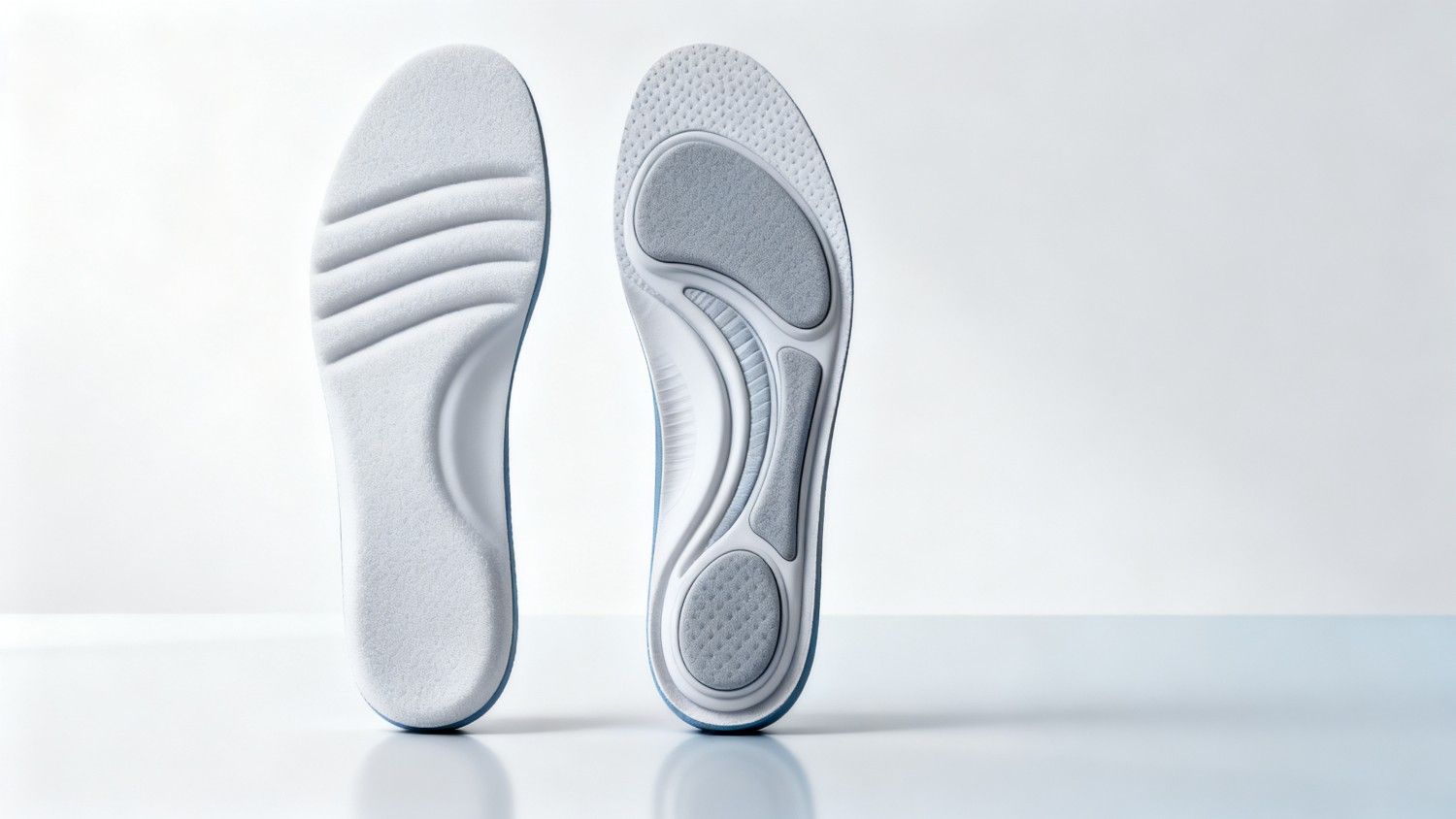
Cheap vs Expensive Insoles: What Actually Matters
Many people assume expensive insoles automatically provide better comfort or support, while cheaper options are often seen as temporary fixes. In reality, the difference is usually less about price alone and more about materials, structure, durability, and how the insoles perform during real daily use.
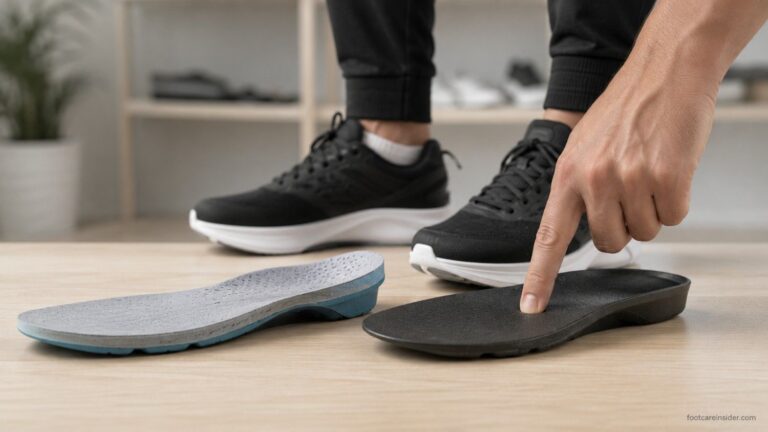
Cheap insoles often focus on basic cushioning and short-term comfort, while expensive insoles usually emphasize stronger support, longer durability, and more specialized foot control. The better option depends on how often the insoles are used, the type of foot problem involved, and whether long-term support is actually necessary.
For casual daily wear, some lower-cost insoles may work surprisingly well. But for people dealing with flat feet, standing fatigue, or movement instability, higher-quality support materials can sometimes make a noticeable difference over time.
This comparison explains where the extra cost usually goes, what actually matters for comfort and support, and when paying more may — or may not — be worth it.
What Cheap Insoles Usually Offer
Lower-cost insoles are typically designed around general comfort rather than long-term structural support.
Most inexpensive models focus on:
- soft cushioning
- lightweight foam
- casual daily comfort
- simple pressure relief
- basic shoe padding
These insoles are commonly used in casual shoes, sneakers, or work shoes where people mainly want softer underfoot feel.
Many cheap insoles feel comfortable immediately because softer materials create a cushioned sensation during short-term wear. For lighter activity or occasional standing, this may be completely sufficient.
The limitation is durability and support consistency. Softer low-cost foam often compresses quickly during repeated standing or walking.
What Expensive Insoles Usually Offer
Higher-priced insoles often use stronger materials and more structured support systems.
More expensive designs commonly include:
- firmer arch support
- layered cushioning systems
- motion-control structure
- pressure distribution zones
- durable EVA or polyurethane materials
Some also target specific conditions like:
- flat feet
- overpronation
- plantar fasciitis
- standing fatigue
- athletic impact control
Compared to cheaper foam inserts, premium insoles are usually designed to maintain shape and responsiveness longer during repeated daily use.
Many people also compare soft vs firm insoles when trying to understand the difference between cushioning comfort and long-term support.
Structural Differences Between Cheap and Expensive Insoles
The biggest difference is often how the insoles behave after several hours of repeated use.
Cheap insoles usually prioritize softness and flexibility. Expensive insoles often prioritize stability and structural consistency.
Lower-cost inserts commonly:
- flatten faster
- use thinner foam
- provide limited arch support
- compress under heavy load
More expensive designs often:
- maintain shape longer
- provide stronger heel stability
- control movement better
- resist repeated compression
This difference becomes more noticeable during demanding daily routines. Someone standing for eight hours on concrete flooring may notice support breakdown much faster in lower-cost foam designs.
For casual walking or lighter daily wear, however, the gap may feel much smaller.
Cushioning vs Support
Price differences are also closely tied to how the insoles balance cushioning and support.
Cheap insoles often focus mainly on softness. This can feel comfortable initially, especially in shoes with poor factory padding.
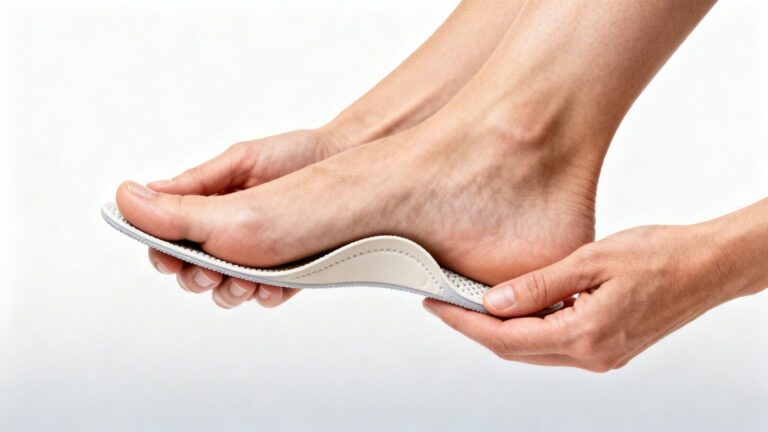
Expensive insoles usually combine cushioning with structural support. Rather than allowing the foot to sink deeply into soft foam, they aim to improve alignment and distribute pressure more evenly.
Some people actually prefer softer inexpensive inserts because firmer support can feel unusual at first. Others notice that stronger support reduces fatigue more effectively during long standing periods.
This is especially important for people dealing with flat feet or inward rolling movement patterns. Support-focused options discussed in best insoles for flat feet often use firmer materials intentionally to improve stability rather than softness alone.
Real-Life Daily Use Differences
Standing Jobs
People standing all day often notice durability differences faster than casual users. Softer low-cost foam may flatten noticeably by the end of the shift.
More structured premium insoles generally maintain support longer during repeated standing and walking.
Casual Walking
For occasional walking or general errands, cheaper insoles may provide enough comfort without needing expensive support systems.
Athletic or High-Impact Activity
Running and repeated impact usually expose weaknesses in lower-quality materials faster. Premium support systems tend to maintain stability more consistently during athletic use.
People researching work-related fatigue often compare multiple support options while exploring insoles for standing all day and similar standing-focused insole guides.
Cost vs Long-Term Value
Cheap insoles usually cost less upfront but may need replacement more often due to material compression and wear.
Expensive insoles cost more initially but often last longer and maintain support better during repeated use.
Long-term value depends heavily on the user’s actual needs. Someone needing occasional comfort may not benefit much from premium support. But for daily standing, flat feet, or heavy walking routines, stronger materials may justify the higher price over time.
Pros and Cons of Cheap Insoles
Cheap insoles are often appealing because they are easy to replace and widely available. Many provide decent short-term comfort, especially for casual walking or shoes with very thin factory padding.
This matters for people who mainly want softer cushioning rather than strong support correction. Lower-cost foam can reduce surface hardness and make everyday shoes feel more comfortable quickly.
The downside is durability and structural consistency. Soft materials usually compress faster during repeated standing or heavy walking. Once the cushioning flattens, the foot may lose both comfort and stability.
Some inexpensive insoles also provide minimal arch support, which may become noticeable during long work shifts or repeated daily use.
Pros and Cons of Expensive Insoles
More expensive insoles usually focus on long-term support and movement control rather than immediate softness alone.
This often benefits people dealing with flat feet, overpronation, standing fatigue, or repeated impact during walking and work routines. Higher-quality materials generally maintain structure longer under repeated pressure.
The tradeoff is that firmer support may feel less comfortable initially for some users. Premium insoles also cost significantly more upfront, which may not always be necessary for lighter daily use.
In some cases, people pay for advanced features they may not actually need if their foot discomfort is mild or occasional.
Who Should Choose Cheap Insoles?
Cheap insoles are often a reasonable option for people looking mainly for basic comfort and occasional cushioning.
This is usually a good fit if:
- you stand only short periods
- your discomfort is mild
- you mainly want softer shoes
- you use the insoles casually
- stability is not a major concern
For light daily routines, inexpensive cushioning may work perfectly well without needing advanced support systems.
Compared to premium designs, cheap insoles focus more on comfort accessibility than long-term structural performance.
Who Should Choose Expensive Insoles?
Expensive insoles are usually better for people who need stronger support consistency during demanding daily use.
This is often the better option if:
- you stand for long hours
- you have flat feet or overpronation
- your current inserts flatten quickly
- you experience repeated fatigue
- you need support for work or athletic activity
Higher-quality support systems often perform better during repetitive movement because the materials resist compression more effectively over time.
Compared to inexpensive foam inserts, premium insoles generally prioritize durability and alignment support.
Long-Term Performance Comparison
Over several months of repeated use, expensive insoles usually maintain structure and responsiveness longer than cheaper foam inserts.
Low-cost insoles may feel soft initially but lose support gradually as the material compresses. This is especially noticeable during long standing shifts or heavier daily walking.
Premium insoles often maintain pressure distribution and movement control more consistently throughout the day. That long-term stability can reduce fatigue more effectively for some users.
Still, not everyone needs maximum support. For casual use, replacing cheaper insoles periodically may be perfectly reasonable.
Quick Comparison Summary
Cheap insoles = softer short-term comfort, casual use, lower upfront cost
Expensive insoles = stronger support, better durability, improved long-term stability
The better choice depends more on activity level and support needs than price alone.
Common Questions
Are expensive insoles always better?
Not necessarily. Expensive insoles often use stronger materials and better support systems, but some people only need basic cushioning for casual comfort.
Why do cheap insoles flatten quickly?
Many low-cost inserts use softer foam materials that compress faster during repeated standing and walking.
Are premium insoles worth it for flat feet?
For many people with flat feet or overpronation, stronger support and durability can make premium insoles more useful long term.
Can cheap insoles still help with foot pain?
Yes. Some inexpensive insoles provide enough cushioning to improve mild discomfort, especially during lighter activity.
How long do expensive insoles usually last?
Durability varies, but higher-quality insoles often maintain support longer because firmer materials resist repeated compression better.
Our picks: A simple comfort option and two supportive ones, so you can compare for yourself.
Dr. Scholl’s Gel – A simple cushioning insole for tired feet and casual use.
Powerstep Maxx Support – A structured arch with cushioning, for flat feet and long days.
Superfeet Green – A firm, supportive arch built to hold its shape.
Final Verdict
Cheap and expensive insoles are designed for different priorities. Lower-cost inserts focus more on soft comfort and affordability, while premium insoles typically emphasize support, durability, and long-term movement stability.
For casual use or mild discomfort, cheaper insoles may work well enough without spending significantly more. But people dealing with flat feet, long standing shifts, or repeated daily fatigue often benefit from stronger materials and more structured support systems.
The most important factor is not the price itself, but whether the insole continues to provide comfort and support after several hours of real daily use.