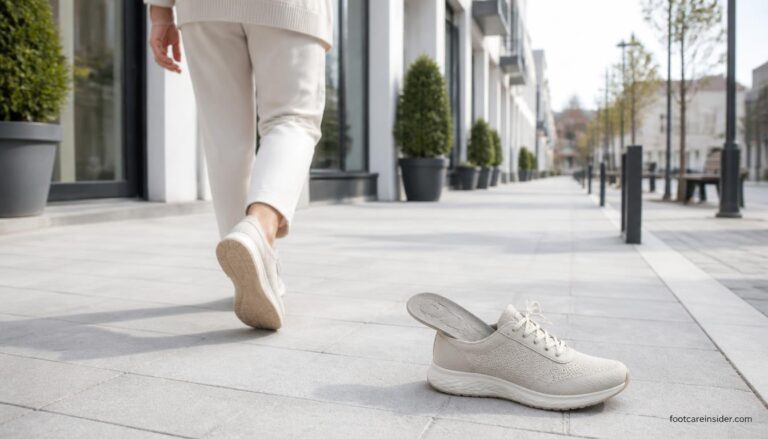
Why Some Insoles Feel Too Hard Under the Heel
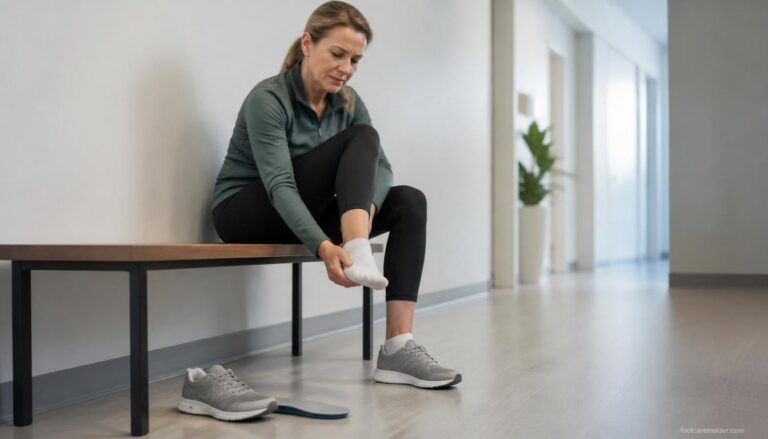
You buy a new pair of insoles hoping for better comfort, only to discover that your heel feels sore, pressured, or uncomfortable after a few hours of walking. In some cases, the discomfort appears immediately. In others, it develops gradually throughout the day until every step feels harder than expected.
This experience is surprisingly common. Many people assume that supportive insoles should feel comfortable from the moment they put them in their shoes. However, support and comfort are not always the same thing. An insole that feels firm under the heel is not necessarily defective, but it may not match your foot structure, activity level, or footwear.
Understanding why some insoles feel too hard under the heel can help you determine whether the issue is temporary, related to fit, or a sign that a different type of support may be needed.
Insoles that only support the heel are compared in heel cups vs full-length insoles.
How Insoles Change Heel Pressure
The heel is usually the first part of the foot to contact the ground during walking.
Each step generates impact forces that travel through the heel before being distributed throughout the foot and lower body. Insoles influence how these forces are absorbed and managed.
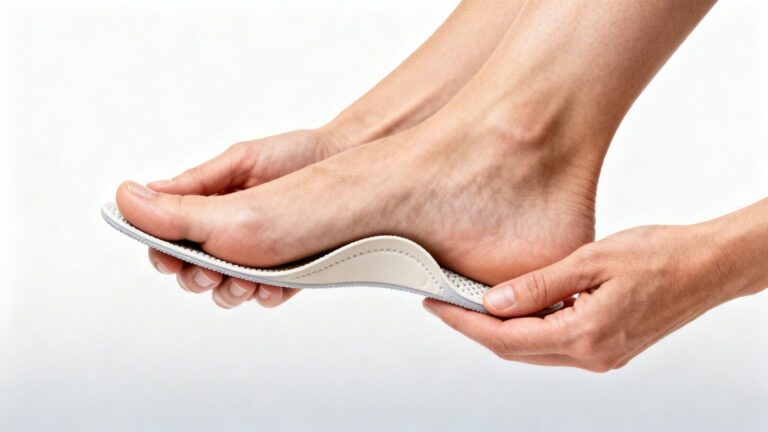
Some insoles use soft materials that compress easily.
Others use firmer materials designed to provide stability and maintain their shape under load.
A firmer insole may initially feel harder because it compresses less under body weight. Instead of allowing the heel to sink deeply into the material, it keeps the foot positioned on a more stable platform.
For some people, this creates a feeling of support. For others, it can feel uncomfortably hard, especially during the first few days of use.
Why Firm Doesn’t Always Mean Uncomfortable
One of the biggest misconceptions about insoles is that softer automatically means better.
Soft materials often create immediate comfort because they cushion pressure points. However, materials that compress too easily may lose effectiveness during prolonged standing and walking.
A firmer insole can sometimes provide better long-term support by distributing pressure more evenly across the foot.
The challenge is that the body may need time to adapt to the new support pattern.
People who have spent years walking with minimal arch support or highly cushioned footwear sometimes notice that structured insoles feel unusually hard at first because the foot is experiencing support in areas that previously received very little contact.
This adjustment period can vary significantly between individuals.
Common Reasons Heel Discomfort Occurs
Several factors can contribute to an insole feeling excessively hard beneath the heel.
The Insole Is Too Firm for Your Needs
Not every foot requires the same level of support.
An insole designed for high stability or motion control may feel overly aggressive for someone seeking basic comfort or mild fatigue relief.
The firmer the material, the less it compresses under load.
While this can improve stability, it may also increase awareness of pressure beneath the heel.
The Shoe and Insole Don’t Work Well Together
An insole is only one part of the footwear system.
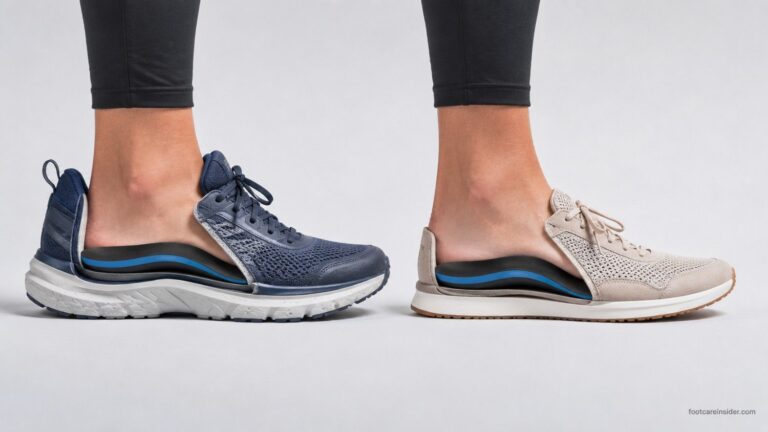
A supportive insole placed inside a shoe with a rigid sole may create a much firmer overall experience than intended.
Likewise, a shoe with limited internal space can alter how an insole sits beneath the foot, increasing localized pressure.
The interaction between shoe design and insole structure often has a larger effect on comfort than people realize.
Foot Structure Can Influence Heel Pressure
Individual foot mechanics play a major role in how an insole feels.
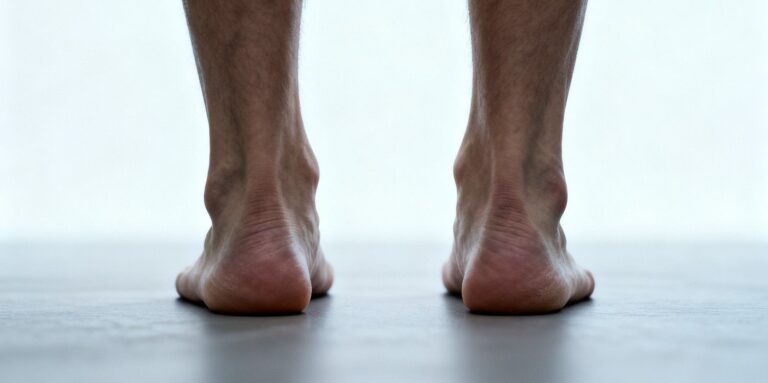
People with flat feet often distribute forces differently during walking and standing compared with individuals who have higher arches.
Variations in foot posture can change where pressure accumulates during movement.
For example, readers exploring flat feet vs overpronation often discover that seemingly similar foot conditions can create very different pressure patterns.
This helps explain why one person may find an insole comfortable while another experiences heel discomfort from the same product.
Foot structure affects not only support needs but also how pressure is transferred through the heel during each step.
When Heel Discomfort Becomes More Noticeable
Certain daily activities tend to magnify heel pressure.
Long Periods of Standing
Standing creates continuous loading on the heel without the natural variation that occurs during walking.
As a result, even small pressure differences can become more noticeable after several hours.
People working in retail, healthcare, hospitality, and warehouse environments frequently encounter this issue.
High Walking Volume
Walking distributes pressure more dynamically than standing, but thousands of steps can gradually expose areas of increased stress.
If an insole does not match the foot well, discomfort often becomes more apparent later in the day rather than immediately.
Existing Foot Conditions
Underlying foot structure may influence how pressure is experienced.
Understanding what causes flat feet can help explain why some individuals are more sensitive to certain insole designs than others.
Conditions affecting foot alignment can alter how impact forces move through the heel and arch.
Early Signs Versus Ongoing Problems
Not all heel discomfort indicates a problem.
In some cases, mild awareness of a new insole fades as the foot adapts to a different support pattern.
Common early experiences include:
- Increased awareness of the arch
- Mild heel pressure
- Temporary soreness after longer walks
- A feeling that the foot is positioned differently
These sensations often improve within days or weeks.
However, persistent symptoms deserve more attention.
Signs that an insole may not be working well include:
- Increasing heel pain
- Pain that worsens with use
- Persistent soreness after removal
- Reduced walking tolerance
- Discomfort that interferes with daily activities
When symptoms continue rather than improve, the issue may involve fit, support level, shoe compatibility, or underlying foot mechanics.
People experiencing broader alignment-related discomfort sometimes notice that heel issues occur alongside problems higher in the body. This relationship is discussed further in why flat feet cause knee pain.
Improving Comfort Without Losing Support
If an insole feels too hard under the heel, replacing it immediately is not always necessary. In many cases, small adjustments can improve comfort while preserving the support benefits that the insole was designed to provide.
One of the simplest approaches is allowing a short adaptation period. The foot often needs time to adjust when moving from a soft factory insole to a more structured support system.
It can also help to gradually increase wear time. Instead of wearing the insole all day from the beginning, some people find it more comfortable to start with a few hours per day and slowly increase usage.
Footwear choice matters as well. A supportive insole paired with an extremely firm shoe can sometimes create more heel pressure than intended. In contrast, a shoe with moderate cushioning may create a more balanced feel.
The Role of Insoles in Heel Comfort
Not all insoles are designed with the same goal.
Some prioritize stability and support.
Others focus on cushioning and shock absorption.
Neither approach is automatically better. The most suitable option depends on the individual’s foot structure, activity level, and comfort preferences.
For people spending long hours on hard surfaces, supportive designs can reduce fatigue even if they feel firmer initially. This is one reason many workers explore insoles for standing all day when looking for ways to improve comfort during long shifts.
The key is finding a balance between support and cushioning rather than assuming that the softest option will always provide the best experience.
When Medical Evaluation May Be Appropriate
Mild discomfort during an adjustment period is often normal.
However, persistent or worsening symptoms deserve attention.
Consider speaking with a healthcare professional if:
- Heel pain continues for several weeks
- Walking becomes increasingly uncomfortable
- Symptoms interfere with work or daily activities
- Pain persists even when not wearing the insoles
- Swelling or significant tenderness develops
A professional evaluation can help determine whether the issue is related to the insole itself or an underlying condition affecting the foot.
Preventing Future Heel Discomfort
A few practical habits can reduce the likelihood of future problems.
Choosing insoles that match your activity level is important. Someone standing on concrete all day may need a different balance of support and cushioning than someone who primarily walks short distances.
Replacing worn footwear also matters. Even the best insole cannot fully compensate for a shoe that has lost its cushioning or structural integrity.
Paying attention to gradual changes in comfort can help identify problems before they become significant. Mild pressure that improves over time often reflects adaptation, while increasing pain may indicate a mismatch between the foot and the support system.
Compared with extremely soft insoles, firmer models often provide greater long-term stability. However, the ideal solution usually combines adequate support with enough cushioning to keep heel pressure comfortable throughout the day.
Common Questions
Why does my new insole feel harder than the original one?
Factory insoles are often designed primarily for softness rather than support. Replacement insoles frequently use firmer materials to improve stability and pressure distribution, which can make them feel noticeably different at first.
Should I stop wearing an insole if my heel hurts?
Not necessarily. Mild discomfort during the first few days can sometimes reflect an adjustment period. However, if pain continues to worsen or does not improve over time, the insole may not be the right match for your foot or footwear.
Can flat feet make firm insoles feel harder?
Yes. People with flat feet often experience different pressure patterns during standing and walking. As a result, support structures may feel more noticeable, particularly if they are not accustomed to wearing supportive insoles.
How long does it take to adjust to a new insole?
Adjustment periods vary. Some people adapt within a few days, while others may need several weeks. Gradually increasing wear time often helps the transition feel more comfortable.
Is a softer insole always better for heel pain?
Not always. While soft cushioning may feel comfortable initially, overly soft materials can compress under load and provide less support over time. The best solution usually depends on the cause of the discomfort.
Conclusion
Some insoles feel too hard under the heel because they use firmer materials, provide greater structural support, or interact differently with the foot than softer factory inserts.
In many cases, the sensation improves as the foot adapts to a new support pattern. However, persistent discomfort may indicate that the insole, footwear, or support level is not an ideal match.
Understanding how support, cushioning, foot structure, and daily activity interact can make it easier to choose comfortable insoles while avoiding unnecessary heel pressure. The goal is not simply to find the softest option, but to find the balance of support and comfort that works best for your feet.