Insoles vs Supportive Shoes: What Helps More?
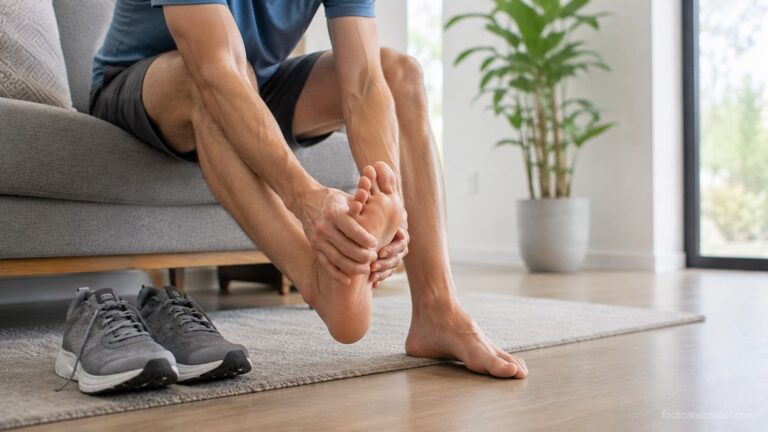
Many people dealing with foot fatigue, arch discomfort, or general walking discomfort eventually face the same question: should they invest in better insoles or replace their shoes with a more supportive pair?
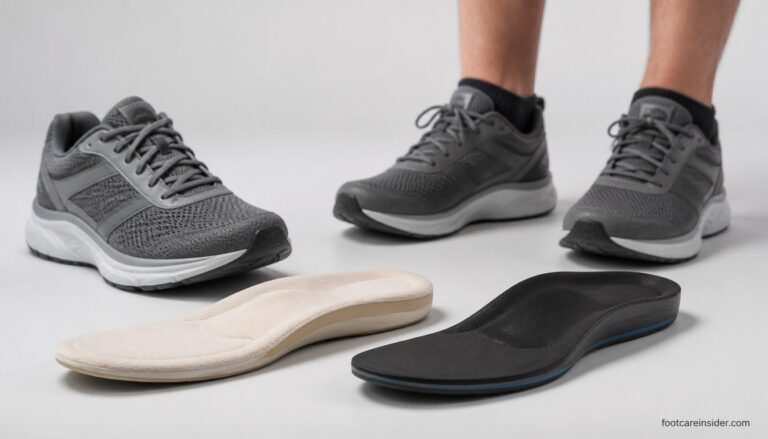
The confusion is understandable because both options aim to improve comfort and support, but they do so in different ways. Insoles focus on modifying what happens inside the shoe, while supportive shoes are designed to provide structure through the entire footwear system.
Neither option is automatically better. The right choice depends on your foot type, activity level, existing footwear, and the specific problem you’re trying to solve.
Understanding how each approach works can make the decision much easier.
Understanding Insoles
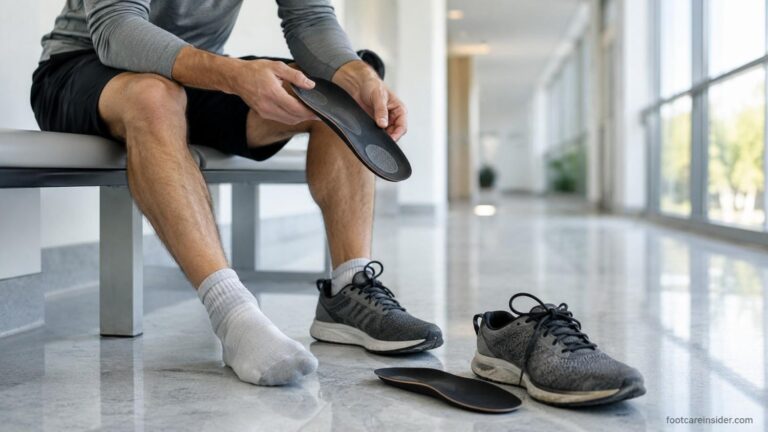
Insoles are removable inserts that sit inside a shoe to change how the foot interacts with the footwear.
They can provide additional cushioning, arch support, stability, pressure distribution, or a combination of these features. One advantage of insoles is flexibility. A single pair can often be transferred between multiple shoes, allowing users to customize comfort without replacing their entire footwear collection. Prefer a quick answer? Try our insole finder quiz.
Support-focused insoles are commonly used by people with flat feet, overpronation, arch fatigue, or recurring discomfort during long periods of standing and walking.
Many readers researching best insoles for flat feet are looking for ways to improve support without immediately purchasing new shoes.
Insoles vary significantly in design. Some focus primarily on cushioning, while others prioritize structural support and motion control.
Understanding Supportive Shoes
Supportive shoes are designed to provide stability and comfort through the overall construction of the shoe itself.
Unlike insoles, which modify an existing shoe, supportive footwear incorporates features such as:
- Structured midsoles
- Reinforced heel counters
- Stability elements
- Arch-supportive designs
- Durable cushioning systems
Because these features are built into the shoe, supportive footwear can influence how the entire foot functions during walking and standing.
Many walking shoes, stability running shoes, and work shoes are designed specifically to provide a higher level of support than standard footwear.
This integrated approach can be beneficial because the support extends beyond the insole alone.
How Their Structures Differ
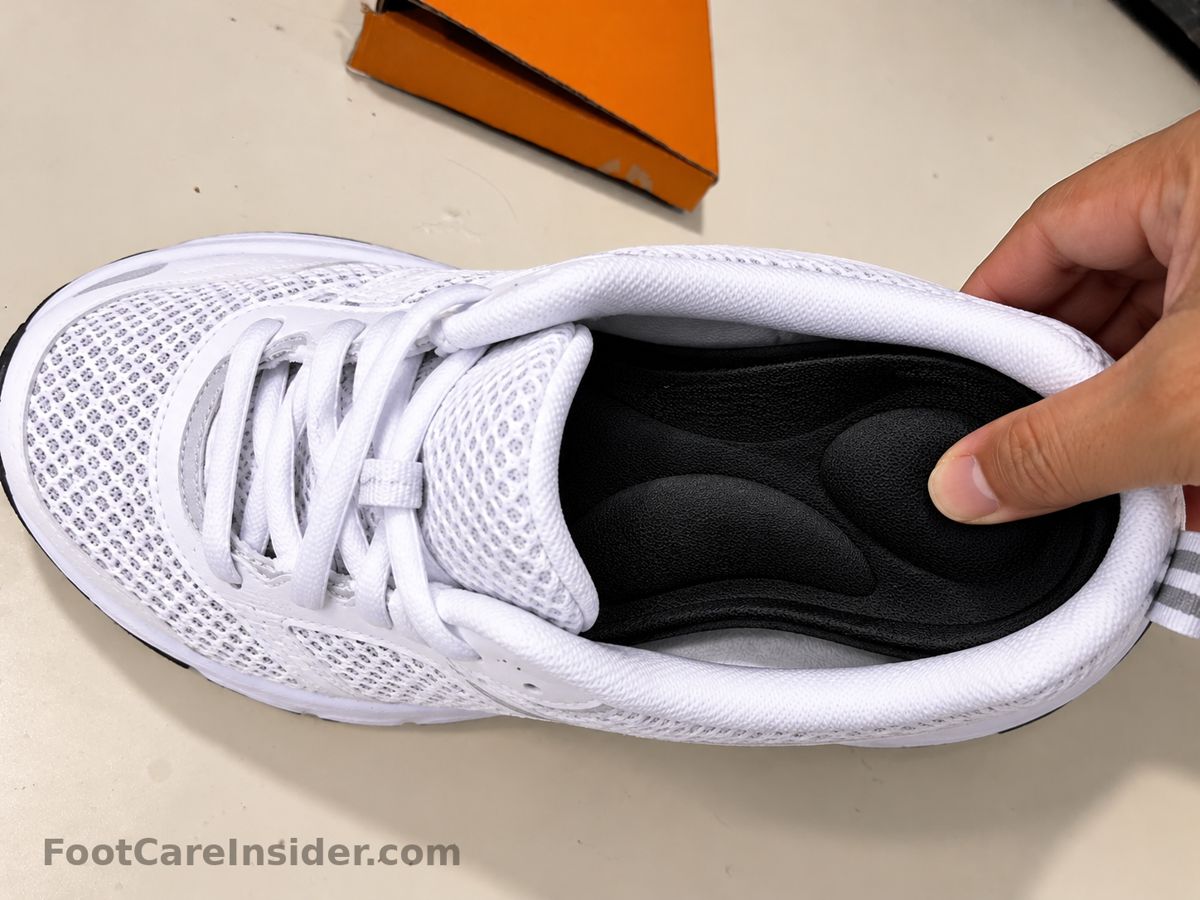
The biggest structural difference is where the support comes from.
Insoles provide support inside the shoe.
Supportive shoes provide support through the entire footwear platform.
A high-quality insole can improve comfort and stability, but it remains dependent on the shoe surrounding it. If the shoe itself lacks structure, some benefits may be limited.
Supportive shoes, on the other hand, influence multiple parts of the foot-shoe interaction. The outsole, midsole, heel structure, and upper construction all contribute to overall performance.
This is why some people find that adding an insole improves comfort, while others experience greater benefits from replacing worn or unsupportive footwear altogether.
Comparing Function and Performance
Although both options can improve comfort, their primary functions differ.
Support and Stability
Supportive shoes generally provide broader structural support because the entire shoe is designed with stability in mind.
Insoles can enhance support but typically work within the limitations of the existing footwear.
For someone wearing a poorly constructed shoe, an insole may help, but it may not completely compensate for weaknesses in the shoe itself.
Pressure Distribution
Both options can improve pressure distribution.
Supportive insoles often target specific areas such as the arch and heel.
Supportive shoes distribute forces through a combination of cushioning systems and structural design features.
Flexibility
Insoles offer significantly more flexibility.
A person can move them between shoes, replace them when necessary, and select different designs based on specific needs.
Supportive shoes require replacing the entire shoe when support or cushioning begins to wear down.
Adaptability
One area where insoles have a clear advantage is customization.
Different insoles can be chosen to address specific concerns, making them a useful option for people who already own footwear that otherwise fits well.
Readers exploring custom orthotics vs insoles often encounter this same discussion because both solutions focus on modifying support without necessarily changing the entire shoe.
Real-World Use Cases
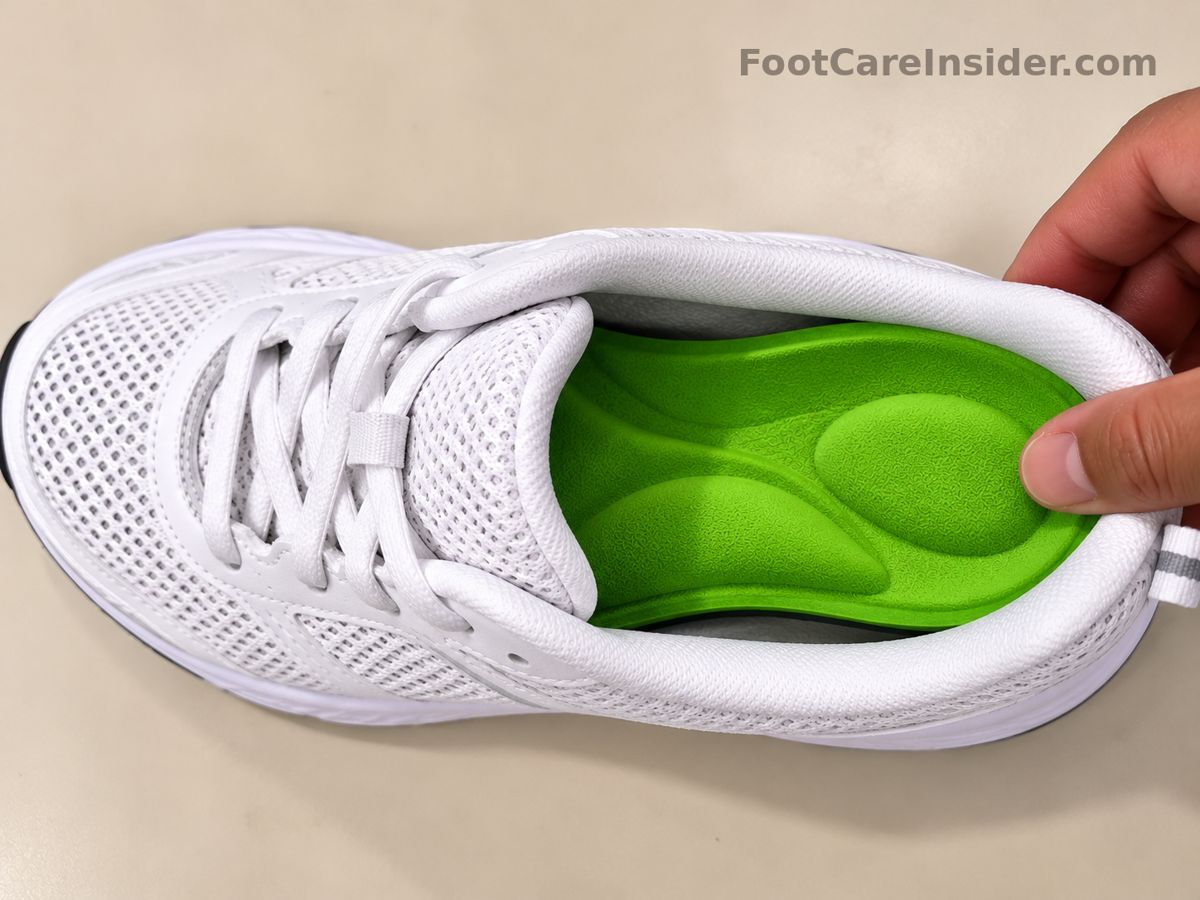
The best option often becomes clearer when viewed through everyday situations.
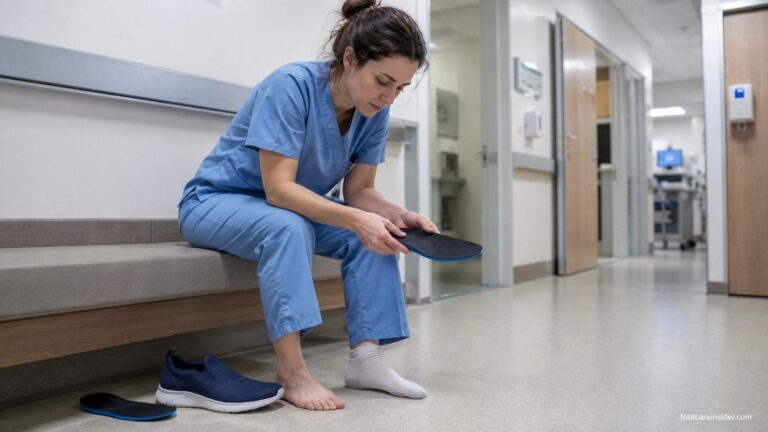
Someone working long shifts on hard floors may benefit from supportive shoes that provide stability throughout the entire workday. However, additional insoles may still improve comfort if extra cushioning or arch support is needed.
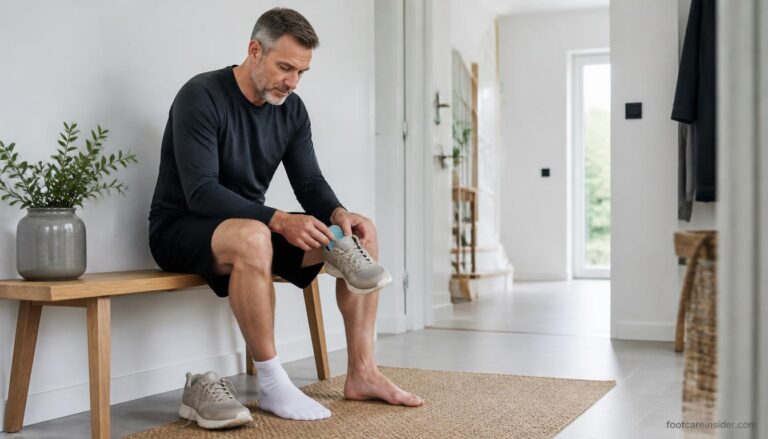
A person who already owns comfortable, well-fitting shoes may find that a quality insole addresses their concerns without requiring a new footwear purchase.
For frequent walkers, the decision often depends on the condition of the existing shoes. If the shoe structure remains supportive, insoles may provide meaningful improvements. If the shoe itself has become worn or unstable, replacing the footwear may provide greater benefits.
Many people researching insoles for standing all day are trying to determine whether enhanced support inside the shoe is enough or whether a more supportive shoe design is needed overall.
Cost and Long-Term Value
Cost differences can vary considerably.
A quality pair of insoles is usually less expensive than purchasing new supportive footwear. This makes insoles an appealing option for people seeking targeted improvements without replacing multiple pairs of shoes.
However, supportive shoes often provide broader structural benefits because support is built throughout the entire design.
Long-term value depends heavily on the condition of the current footwear.
If a shoe remains structurally sound, adding insoles may be a cost-effective solution.
If the shoe itself has lost stability, cushioning, or support, investing in new footwear may provide greater overall value.
Pros and Cons of Insoles
Insoles are often the simplest way to modify comfort and support without replacing an entire pair of shoes.
One major advantage is flexibility. A quality insole can be transferred between multiple pairs of footwear, making it a practical option for people who wear different shoes throughout the week. Insoles also allow users to target specific issues such as arch fatigue, heel discomfort, or pressure points.
The limitation is that an insole can only work with the shoe it’s placed in. If the shoe lacks stability, has a worn-out midsole, or no longer provides adequate support, an insole may only partially improve the situation.
Pros and Cons of Supportive Shoes
Supportive shoes offer a more comprehensive approach because support is built into the entire footwear structure.
Features such as reinforced heels, stable midsoles, and supportive uppers work together to influence foot mechanics throughout the walking cycle. This can provide a more consistent experience, especially for people spending many hours on their feet.
The downside is cost and flexibility. Replacing shoes is typically more expensive than adding an insole, and supportive footwear may not always address highly specific support needs as precisely as a specialized insole.
Who Should Choose Insoles?
This is for you if:
- Your current shoes still fit well and remain structurally sound.
- You want additional arch support or cushioning.
- You switch between multiple pairs of shoes.
- You need a more affordable way to improve comfort.
- You want targeted support without replacing your footwear.
People with mild to moderate support needs often find that quality insoles provide meaningful improvements while extending the usefulness of existing shoes.
Who Should Choose Supportive Shoes?
This is for you if:
- Your current shoes are worn out or unstable.
- You spend many hours standing or walking daily.
- You need support throughout the entire shoe structure.
- Your footwear no longer provides adequate stability.
- You frequently experience foot fatigue despite using insoles.
In these situations, replacing the shoe itself may address problems that an insole alone cannot fully correct.
Long-Term Comparison
Over time, both insoles and supportive shoes experience wear.
Insoles typically wear faster because they absorb direct pressure from the foot. The advantage is that they are relatively easy and inexpensive to replace.
Supportive shoes often maintain structural support longer, but once critical components such as the midsole or stability features begin to break down, the entire shoe usually requires replacement.
From a comfort perspective, many people eventually use both. Supportive shoes provide the foundation, while insoles fine-tune comfort and support based on individual needs.
Quick Comparison Summary
Insoles = Better for:
- Customizing support
- Improving existing shoes
- Arch-specific support
- Flexibility between footwear
- Lower upfront cost
Supportive Shoes = Better for:
- Full-foot stability
- Structural support
- Worn-out footwear replacement
- Long-term daily use
- Comprehensive support systems
The right choice often depends less on which option is “better” and more on what problem you’re trying to solve.
Frequently Asked Questions
Can insoles make regular shoes supportive?
Insoles can improve support, cushioning, and comfort inside many shoes. However, they cannot completely replace structural features that are built into supportive footwear. Results often depend on the quality and condition of the shoe itself.
Should I buy insoles or new shoes first?
If your current shoes are still in good condition, insoles may be a practical first step. If the shoes are visibly worn, unstable, or no longer comfortable, replacing the footwear may provide greater benefits.
Can supportive shoes eliminate the need for insoles?
Sometimes. Many supportive shoes provide enough built-in comfort and stability for daily use. However, some individuals still prefer insoles for additional arch support, cushioning, or personalization.
Which lasts longer, insoles or supportive shoes?
Supportive shoes generally last longer than most insoles. Insoles absorb direct loading and often require replacement sooner, particularly with heavy daily use.
Are supportive shoes better for standing all day?
They can be, especially when the shoe provides strong structural support throughout the entire foot. However, some people achieve the best results by combining supportive footwear with properly selected insoles.
Our picks: Whichever way you lean, these are the ones we would start with.
Moderate support insoles – For adding support to shoes you already own.
Everyday arch support shoes – A supportive shoe for daily wear.
Women’s ultimate arch support shoes – A supportive shoe built for women with arch needs.
Final Verdict
Insoles and supportive shoes serve different purposes, which is why neither option automatically wins this comparison.
If your current footwear is in good condition and you need additional comfort, cushioning, or arch support, insoles may provide an effective and affordable solution.
If your shoes have become worn, unstable, or no longer support your daily activities, supportive footwear may deliver greater overall benefits.
For many people, the most effective approach is not choosing one over the other. A supportive shoe paired with the right insole often provides a combination of stability, comfort, and personalization that neither option can achieve alone.