Best Insoles for Heavy Walking
Why Heavy Walking Wears Your Feet Down
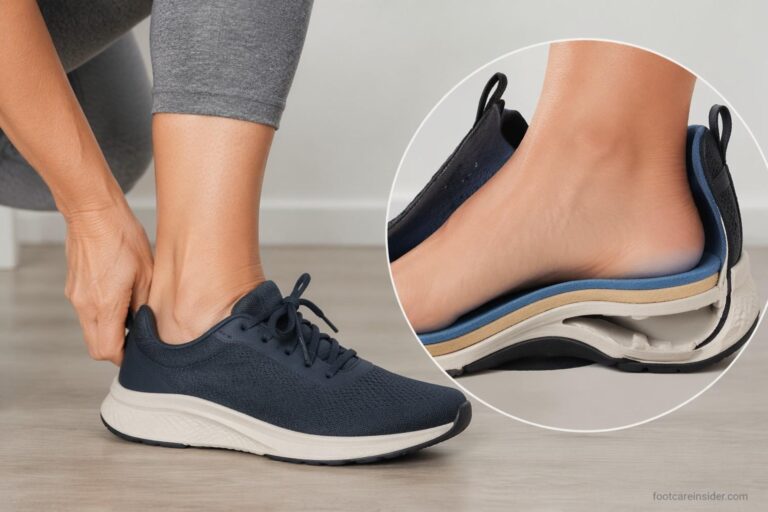
If you spend hours walking every day, your feet absorb thousands of repeated impacts before the day is over. Whether you walk for work, exercise, travel, or simply have an active lifestyle, that constant movement can leave your heels aching, your arches feeling tired, and the balls of your feet sore. Unlike standing in one place, heavy walking creates continuous motion, meaning every step adds another cycle of pressure through your feet.
The right insoles for heavy walking aren’t simply the softest ones you can buy. They need to help manage repeated impact while remaining supportive after miles of daily use. Choosing the wrong type often leads to fatigue that gradually builds throughout the day instead of improving.
How to Choose the Right Insoles for Heavy Walking
Finding the best insoles for heavy walking depends on more than comfort alone. Your walking distance, where your feet become tired, the shoes you wear, and the amount of support you need all influence the right choice.
This guide narrows those factors so you can identify the insole direction that best matches your daily walking habits before comparing the most suitable options.
If you are looking for a broader comparison beyond walking, see our guide to the best insoles for heavy people. For a general walking comparison, see the best insoles for walking.
Readers who experience discomfort after spending long hours on their feet may also find Best Insoles for Standing All Day helpful.
Why Walking Long Distances Creates Foot Fatigue
Walking places repeated loading forces on your feet every time they strike the ground. While each individual step feels small, several thousand steps throughout a day create significant cumulative stress.
The heel absorbs the initial impact before weight rolls through the arch and pushes off from the forefoot. When this cycle repeats for hours, muscles work continuously to stabilize the foot, while the natural cushioning inside both the shoe and foot gradually becomes less effective.
For some people, the first sign is heel soreness after long walks. Others notice aching arches, tired calves, or burning beneath the forefoot. The exact location matters because it often points toward a different type of insole support rather than a one-size-fits-all solution.
Why Standard Insoles Usually Fall Short
Most factory insoles are designed to fit a wide range of shoes rather than support people who walk for extended periods every day. They typically provide basic cushioning but limited long-term structure.
As the miles add up, softer foam often compresses, reducing shock absorption and allowing more strain to reach the foot. Some stock insoles also offer very little arch guidance, making the foot work harder to stabilize itself throughout the walking cycle. Others are simply too thin to remain comfortable once daily mileage increases.
Even a comfortable walking shoe can lose much of its support if the original insole flattens quickly under repeated use.
What to Look for Before You Buy
People who spend hours walking usually benefit most from insoles that balance cushioning with lasting support instead of focusing entirely on one feature.
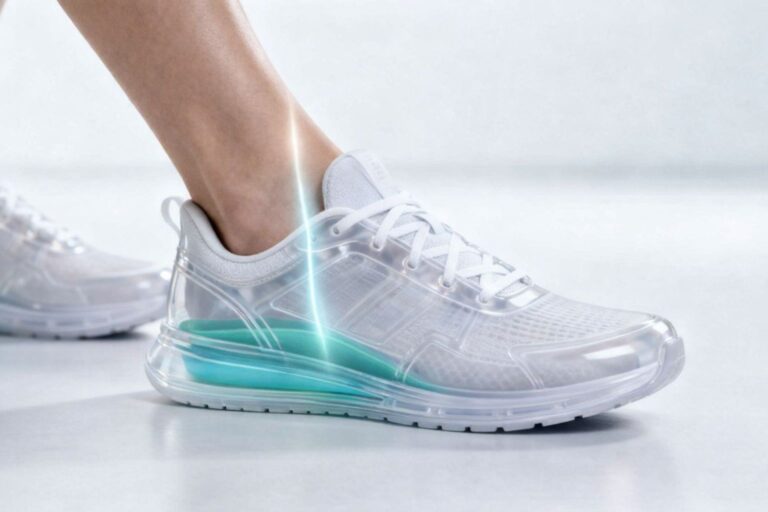
If your main problem is impact on hard surfaces, a cushioning-focused insole can help soften repeated heel strikes without feeling overly plush. If your arches become tired long before the rest of your body, a more supportive design may reduce the amount of work your feet perform with every step.
Walkers who cover long distances several days each week should also pay attention to durability. An insole that feels comfortable during the first week but compresses quickly often becomes a poor value over time. Shoe fit is equally important. A slimmer profile works better in tighter walking shoes, while roomier footwear can usually accommodate thicker support models without creating pressure across the top of the foot.
Some people also notice mild instability during longer walks. In that case, a more structured insole may provide better control than a very soft comfort model, although softer options are often preferred when shock absorption is the highest priority.
Readers comparing footwear solutions may also benefit from Walking Shoes vs Insoles for Comfort.
Once you identify whether your biggest challenge is repeated impact, arch fatigue, shoe fit, or long-distance durability, choosing the right insole becomes much more straightforward. From there, the decision comes down to selecting the support style that best matches how—and how far—you walk each day.
Best if Repeated Heel Impact Is Your Main Problem
A cushioning-focused insole makes sense when your heels feel beaten up after miles of walking, especially on sidewalks, warehouse floors, or other firm surfaces. Look for cushioning that rebounds rather than simply sinking flat. This direction is more forgiving than rigid support, although walkers with significant arch fatigue may need more structure than cushioning alone provides.
Best for Arches That Tire During Longer Walks
Structured arch-support insoles are better suited to walkers whose arches begin aching or feeling weak as distance increases. They can reduce how hard the foot works to maintain support through thousands of steps. They feel firmer than plush comfort insoles, and an overly aggressive arch shape may feel uncomfortable if it does not match your foot.
Best if Your Walking Shoes Already Feel Tight
Slim, low-volume insoles work well in walking shoes with limited internal space. They add targeted support without lifting the heel excessively or creating pressure across the top of the foot. They’re easier to fit than bulky heavy-duty insoles, but thinner construction may provide less cushioning for walkers dealing primarily with hard-surface heel soreness.
Best for High-Mileage Walking Several Days a Week
If heavy walking is part of your daily routine, durability-focused insoles are usually a better direction than soft comfort inserts. A denser, supportive design can retain its shape through repeated mileage and is especially useful when stock insoles flatten quickly. The tradeoff is a firmer underfoot feel, which may require a short adjustment period.
For more on replacement timing, see How Long Do Insoles Last?
Best if Your Feet Feel Unstable as You Get Tired
A stability-focused insole may suit walkers who notice their feet becoming less controlled as fatigue builds. Firmer heel support and more structured guidance can feel steadier during longer distances than soft cushioning alone. These insoles can be bulkier and more noticeable underfoot, so they work best in shoes with enough room for structured support.
Frequently Asked Questions
Are soft or firm insoles better for heavy walking?
Soft insoles can help with impact comfort, but moderate firmness usually retains support better over long distances. Your pain pattern should guide the choice rather than softness alone.
Can insoles reduce foot fatigue from walking?
The right insole may improve cushioning, support, or stability and reduce some accumulated fatigue. Persistent or worsening pain still deserves professional assessment.
Should I remove the original shoe insole?
Usually, yes, if the aftermarket insole is full length and the original liner is removable. Stacking both can make walking shoes too tight.
How often should heavy walkers replace insoles?
Replacement depends on mileage and construction. If cushioning stays compressed or support feels noticeably weaker, the insole may no longer be performing as intended.
Which Insole Type Makes the Most Sense?
Choose cushioning when repeated heel impact is the main problem, structured support for tired arches, and a slim insole when shoe space is limited. High-mileage walkers should prioritize durability, while stability-focused support makes more sense when control fades with fatigue. Match the insole to what your feet actually feel during long walks.