Can Insoles Improve Walking Comfort?
A short walk may feel fine, yet after a commute, several errands, or hours of moving through the day, your feet can start to feel noticeably more tired. The arches may feel worked, the heels may become sensitive, and each step can seem less comfortable than it did in the morning.
So, can insoles improve walking comfort? Yes, they may help when discomfort is linked to repeated impact, limited shoe cushioning, poor pressure distribution, or a lack of suitable underfoot support. The right insole does not change walking into an effortless activity, but it can make the shoe feel more supportive and comfortable as steps accumulate.
For a broader look at walking-specific support, Insoles for Walking explores how insole needs can change with regular walking routines.
Why Walking Comfort Can Change as the Day Goes On
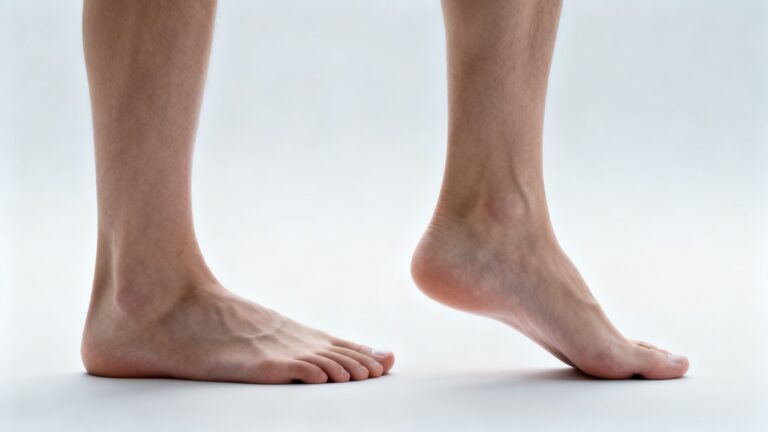
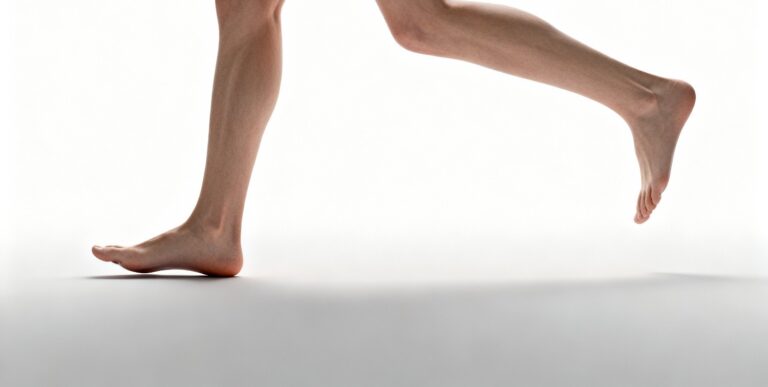
Walking places a repeated load on the feet. Each step involves the heel contacting the ground, weight moving through the foot, and the toes helping push the body forward. None of this is unusual, but repetition matters.
A person walking from a parking lot to work may barely notice the load. Add a commute, stairs, shopping, and an evening walk, and the feet have now handled thousands of repeated steps.
This is why walking discomfort often develops gradually rather than appearing immediately.
Cushioning inside a shoe also compresses under load. The muscles and soft tissues around the foot continue working to manage movement and stability. If the shoe or existing liner provides limited support, the feet may feel increasingly fatigued as the day progresses.
The location of the discomfort can offer useful clues. Heel soreness may point toward repeated impact or pressure. Tired arches may suggest the foot is working harder to maintain support. General underfoot fatigue can simply reflect accumulated walking load, especially on pavement and other firm surfaces.
How Insoles Change the Feel of a Walking Shoe
An insole sits directly between the foot and the shoe’s midsole, so even a relatively small change in its shape or firmness can alter how the shoe feels during walking.
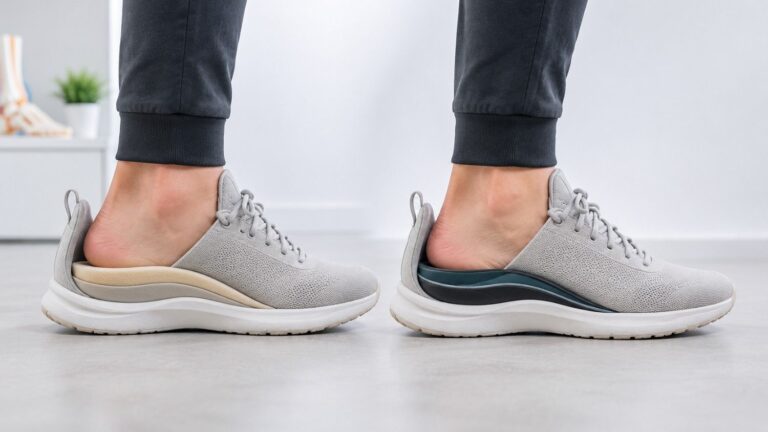
A cushioned insole may provide a softer surface under the heel and forefoot. A more structured design can give the arch a firmer contact point and may help the foot feel more stable inside the shoe. Some insoles combine both approaches, using cushioning in higher-pressure areas while maintaining more structure through the midfoot.
This does not mean more cushioning or stronger arch support is automatically better.
A very soft insole may feel comfortable during the first few minutes but compress as walking continues. An aggressive arch shape may feel supportive to one person and uncomfortable to another.
Readers who notice discomfort specifically through the arch may find Arch Support vs Cushioning useful when trying to understand these two different comfort approaches.
The goal is not to create the softest possible step. It is to find an underfoot feel that remains comfortable as walking time and step count increase.
Why Your Shoes Matter Just as Much
An insole cannot be considered separately from the shoe that holds it.
Walking shoes vary in internal space, heel shape, midsole firmness, and existing support. Replacing a thin removable liner with a thicker insole may reduce room around the toes or make the heel sit higher. In a shoe that already fits closely, this can create pressure rather than improve comfort.
The shoe’s condition matters too.
A supportive insole placed inside a heavily worn shoe cannot restore a compressed midsole or correct an outsole that has worn unevenly. The insole may change underfoot contact, but the rest of the shoe still influences each step.
For example, someone wearing roomy walking sneakers may comfortably use a fuller insole with cushioning and moderate structure. The same insole placed in a narrow casual shoe could feel bulky and restrictive.
This is one reason the answer to whether insoles improve walking comfort depends partly on shoe fit. A suitable insole should work with the footwear rather than compete for space inside it.
Early Foot Fatigue Can Feel Different From Persistent Pain
Walking-related fatigue often begins with relatively mild signs. The feet may feel heavy after a busy afternoon. The arches may feel tired after a longer-than-usual walk, or the heels may become more noticeable toward the end of the day.
These sensations may settle after rest and may vary according to walking distance, footwear, and surface.
As the problem progresses, discomfort may begin earlier in the day. A walking route that once felt easy may become uncomfortable halfway through. Some people start changing their stride, slowing down, or avoiding pressure on one area of the foot.
Understanding how insoles interact with normal foot movement can be easier with Insoles and Walking Mechanics, which looks more closely at support during the walking cycle.
Persistent, worsening, or sharply localized pain should not simply be treated as a sign that a softer insole is needed. Pain that changes the way you walk, continues despite rest, or is accompanied by swelling, numbness, or weakness deserves professional assessment.
Insoles are a footwear support option. They are not a substitute for identifying an injury or medical condition.
When Insoles Are More Likely to Help Walking Comfort
Insoles may make the most sense when the discomfort pattern is connected to the way the shoe feels under repeated walking load.
If a shoe feels flat under the heel after several hours, additional cushioning may provide a more comfortable contact surface. When the arch feels increasingly tired during longer walks, moderate support may help the foot feel less unsupported inside the shoe. If the foot shifts excessively within roomy footwear, a better-fitting insole may also improve the sense of stability.
The progression of fatigue is important. Someone who feels comfortable for the first 20 minutes but develops general foot tiredness after several hours has a different problem from someone who experiences sharp heel pain from the first few steps.
Insoles are more likely to improve walking comfort when their design matches the actual discomfort pattern, walking load, and available shoe space.
They may be less useful when the shoe itself is worn out, incorrectly sized, or poorly suited to the person’s daily walking routine. In those situations, changing the insert alone may not address the main source of discomfort.
The useful question is therefore not simply whether insoles work. It is what changes during your walk, where fatigue develops, and what your current shoes are failing to provide. Those details make it easier to decide whether cushioning, arch support, improved stability, or a simple footwear adjustment is the more sensible direction.
Small Changes That Can Make Walking Feel Easier
Before changing insoles, look at the walking routine itself. A sudden increase in daily steps, longer pavement walks, or wearing the same compressed shoes every day can all contribute to fatigue.
Rotating suitable footwear, allowing shoes to dry fully, and increasing walking distance gradually may help. Shoe fit also deserves attention. Toes should have room to move without the foot sliding excessively inside the shoe.
Insoles can provide another layer of support when the current liner feels flat or poorly matched to the foot. A cushioned option may suit repeated impact, while a more structured insole may feel better when arch fatigue or instability develops. Compared with simply choosing the softest insert available, matching the support style to the discomfort pattern is usually more practical.
For readers comparing the footwear side of this decision, Walking Shoes vs Insoles for Comfort looks at when the shoe and the insert play different roles.
When Walking Discomfort Needs More Attention
General tiredness after a long day of walking is different from persistent pain that repeatedly changes your stride.
Consider professional assessment if discomfort becomes progressively worse, remains focused in one area, or is accompanied by swelling, numbness, weakness, or difficulty bearing weight. The same applies when pain continues despite reducing the walking load and changing unsuitable footwear.
An insole may alter pressure and support inside a shoe, but it should not be used to hide a worsening problem.
Common Questions
Can insoles make walking more comfortable?
They may improve comfort when the existing shoe liner lacks cushioning, support, or a stable underfoot feel. The result depends on matching the insole to the person’s discomfort pattern and shoe fit.
Are soft insoles better for walking?
Not always. Soft insoles can feel comfortable initially, but some compress under repeated walking load, while a slightly firmer design may retain support more consistently.
Can arch support help tired feet when walking?
Moderate arch support may feel helpful when fatigue develops around the arch during longer walks. Support that is too high or aggressive can create new pressure, so the shape should feel compatible with the foot.
Should I remove the original shoe insole first?
If the original liner is removable, replacing it often provides more room for a full-length insole. Placing a thick insert on top can make the shoe tighter and change heel position.
How do I know if my shoes are causing walking discomfort?
Notice whether discomfort appears mainly in one pair of shoes and whether the soles feel compressed or worn unevenly. If several suitable shoes produce the same persistent pain, the issue may deserve further assessment.
Better Walking Comfort Starts With the Right Match
Insoles can improve walking comfort for some people, particularly when repeated steps expose limited cushioning, arch fatigue, or an unstable feel inside the shoe. They are most useful when chosen for the actual problem rather than simply for maximum softness.
Pay attention to where discomfort develops, how long you have been walking when it begins, and how your shoes fit. Those simple observations can point toward cushioning, moderate support, improved stability, or a footwear change. Persistent or worsening pain deserves professional attention rather than repeated insole changes.