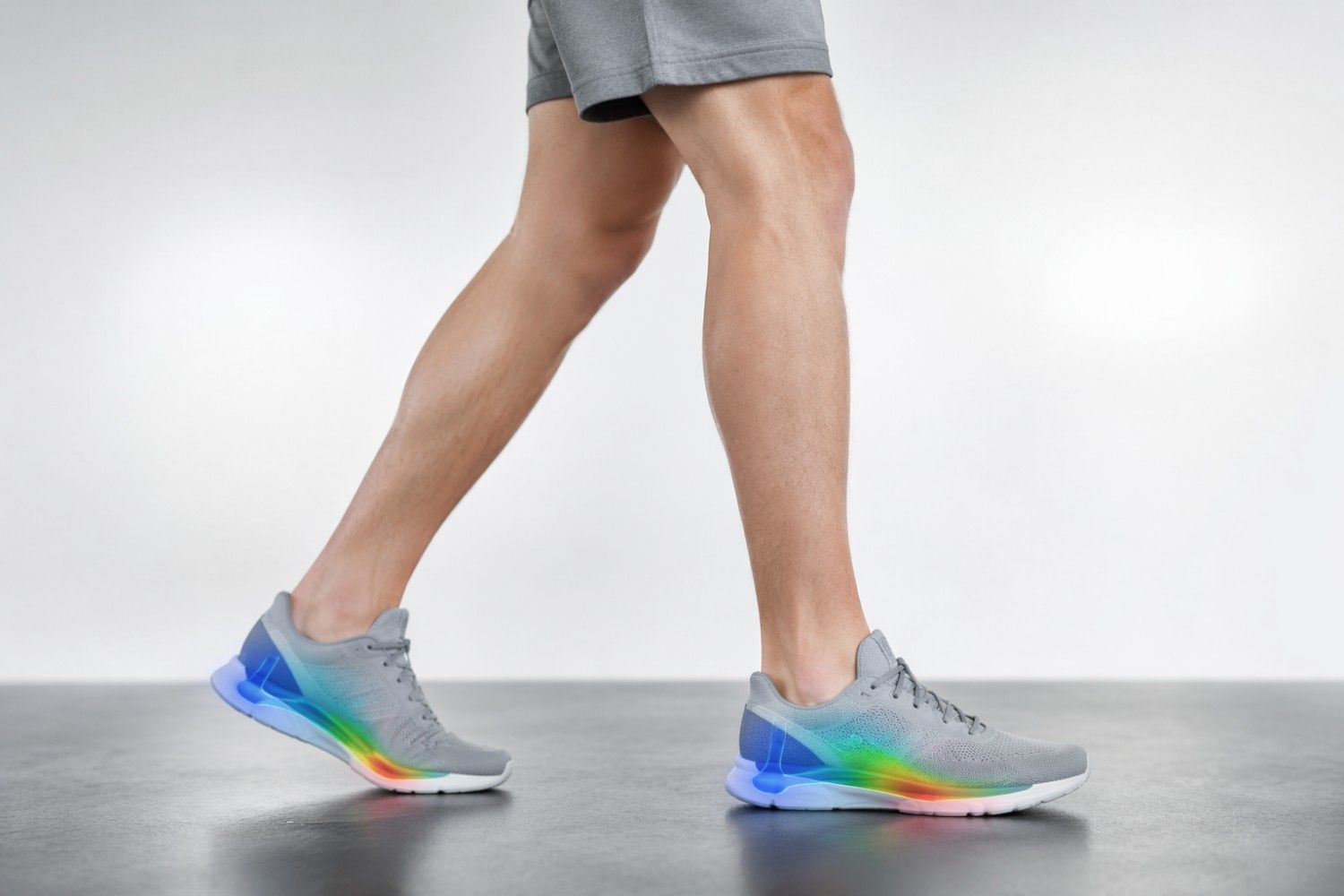
How Insoles Change Walking Mechanics
Most people think of insoles as simple comfort accessories. They are often purchased to reduce foot pain, improve cushioning, or make shoes feel better. What many people do not realize is that insoles can also influence how the foot moves during walking.
Every step involves a coordinated sequence of movements between the feet, ankles, knees, hips, and lower back. Small changes in foot support can affect how force travels through this entire chain. In some cases, properly fitted insoles may improve stability and pressure distribution. In others, they simply help reduce fatigue during long periods of walking or standing.
Understanding how insoles affect walking mechanics helps explain why support, cushioning, and foot structure matter far beyond simple comfort.
What Are Walking Mechanics?
Walking mechanics refer to the way your body moves during each step.
To compare specific pairs, see the best insoles for walking.
A normal walking cycle includes:
- heel contact
- weight transfer
- arch movement
- push-off through the forefoot
- forward progression
During this process, the foot absorbs force, adapts to the ground, and helps propel the body forward.
Small differences in foot structure can influence how efficiently these movements occur.
For example:
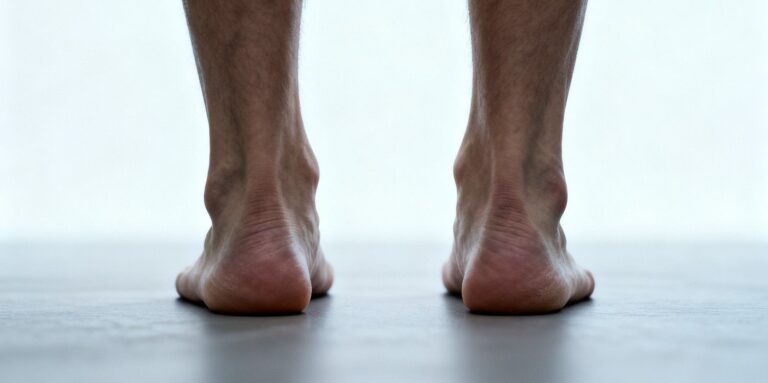
- flat feet may change pressure distribution
- high arches may reduce shock absorption
- overpronation may affect alignment during movement
Because the feet serve as the body’s foundation, even subtle changes can influence how the entire lower body functions during walking.
Why Foot Support Matters
The foot contains numerous joints, muscles, tendons, and ligaments that work together to manage load.
When support is insufficient, some structures may work harder than intended.
Over time this can contribute to:
- foot fatigue
- arch strain
- heel discomfort
- inefficient movement patterns
People researching what causes flat feet often discover that arch structure plays a significant role in how walking forces are distributed.
When the arch struggles to support load effectively, other parts of the foot and lower body may compensate.
The goal of many insoles is not to completely change the foot but to improve how forces are managed during movement.
How Insoles Influence Pressure Distribution
One of the most noticeable effects of insoles is improved pressure distribution.
Without adequate support, certain parts of the foot may absorb more force than others.
Common pressure areas include:
- the heel
- the arch
- the ball of the foot
Supportive insoles can help spread these forces more evenly.
Instead of concentrating load in one location, the foot may experience a more balanced pressure pattern throughout the walking cycle.
This is one reason some people notice reduced fatigue after switching to supportive insoles.
The benefit often comes from improved force management rather than simply adding cushioning.
The Relationship Between Insoles and Stability
Walking requires constant balance adjustments.
Even during a short walk, the body makes countless corrections to maintain stability.
Supportive insoles may influence stability by:
- supporting the arch
- improving foot positioning
- reducing excessive movement
- helping distribute load more consistently
This does not mean insoles “fix” movement patterns.
Instead, they may create conditions that allow the foot to function more efficiently.
People comparing flat feet vs overpronation often learn that excessive inward foot motion can influence overall stability during walking.
Insoles designed for support may help manage some of these movement patterns by improving how the foot interacts with the ground.
Why Walking Fatigue Often Develops
Many people feel comfortable during the first part of a walk but notice increasing discomfort later.
This usually happens because muscles and supporting tissues gradually become fatigued.
As fatigue develops:
- support efficiency decreases
- pressure concentration increases
- movement patterns may change slightly
- discomfort becomes more noticeable
The longer the walking duration, the greater the cumulative effect.
Supportive insoles cannot eliminate fatigue entirely, but they may help reduce unnecessary stress placed on the foot during repetitive movement.
Effects on the Knees and Lower Body
The feet do not function in isolation.
Changes in foot mechanics can influence movement higher up the body.
When walking patterns become less efficient, the knees, hips, and lower back may absorb stress differently.
Readers exploring why flat feet cause knee pain frequently discover that foot mechanics can influence knee loading patterns during walking.
This does not mean insoles directly solve knee problems.
However, improving support beneath the foot may sometimes reduce excessive stress moving through the lower body.
Real-Life Situations Where Insoles Matter
Walking mechanics become increasingly important when activity levels increase.
Common situations include:
- long work shifts
- fitness walking
- travel
- hiking
- daily commuting
- prolonged standing
During these activities, thousands of steps accumulate over the course of a day.
Small improvements in support and pressure distribution may become more noticeable as walking duration increases.
People who spend long hours on their feet often notice benefits not because the insole changes how they walk dramatically, but because it helps maintain comfort and support as fatigue develops.
Early Signs Your Walking Mechanics May Need Attention
Many people ignore early warning signs.
Common indicators include:
- tired feet after walking
- recurring heel discomfort
- arch soreness
- uneven shoe wear
- ankle fatigue
- knee discomfort after activity
These signs do not necessarily indicate a serious problem.
However, they may suggest that the feet are working harder than necessary during movement.
Recognizing these patterns early often makes it easier to identify support needs before discomfort becomes a regular issue.
Improving Walking Mechanics Without Overcomplicating Things
Most people do not need to completely change the way they walk.
In many situations, small adjustments provide meaningful improvements.
Helpful strategies may include:
- wearing supportive footwear
- replacing worn-out shoes
- gradually increasing walking distance
- maintaining healthy lower-body strength
- paying attention to recurring discomfort
Walking is a repetitive activity. Small inefficiencies repeated thousands of times can contribute to fatigue, while small improvements can accumulate into noticeable comfort gains.
The Supportive Role of Insoles
Insoles are often most effective when viewed as support tools rather than corrective devices.
Their purpose is typically to:
- improve pressure distribution
- provide arch support
- reduce localized stress
- enhance comfort during prolonged activity
People spending long hours on their feet often explore insoles for standing all day because many of the same support principles apply to both standing and walking.
A properly fitted insole may help the foot work more efficiently, especially when fatigue begins developing later in the day.
The benefit often comes from improved force management rather than dramatic changes to walking style.
When Professional Assessment May Be Helpful
Occasional foot fatigue is common.
However, persistent symptoms may justify a professional evaluation.
Consider seeking assessment if:
- discomfort continues despite supportive footwear
- walking becomes increasingly difficult
- pain affects daily activities
- balance problems develop
- symptoms worsen over time
A healthcare professional can evaluate how the feet, ankles, and lower body work together during movement.
This may help identify whether support needs, footwear issues, or other factors are contributing to discomfort.
Preventing Walking-Related Problems
Preventive habits often matter more than reactive solutions.
Simple steps may include:
- replacing worn shoes regularly
- choosing footwear appropriate for activity level
- addressing foot discomfort early
- maintaining flexibility and strength
- avoiding excessive increases in walking volume
People who regularly walk long distances often benefit from monitoring footwear condition before support and cushioning begin to deteriorate.
Small preventive measures can reduce cumulative stress over time.
Not Everyone Responds to Insoles the Same Way
One important consideration is that insoles affect people differently.
Several factors influence the outcome:
- foot structure
- body weight
- walking volume
- shoe type
- activity level
- existing conditions
Some individuals notice immediate comfort improvements.
Others experience more gradual benefits as walking fatigue decreases over time.
This variability explains why no single insole works perfectly for everyone.
The goal is finding support that matches individual needs rather than chasing a universal solution.
Common Questions
Do insoles actually change the way you walk?
They can influence walking mechanics by changing how force is distributed across the foot. The changes are usually subtle and relate more to support and pressure management than dramatic alterations in movement.
Can insoles improve walking efficiency?
For some people, yes. Better support and pressure distribution may reduce unnecessary strain on muscles and connective tissues, allowing walking to feel more comfortable and less fatiguing.
Why do supportive insoles sometimes feel different at first?
The foot may need time to adapt to a new support structure. A supportive insole changes how pressure is distributed, which can feel unfamiliar during the adjustment period.
Can insoles help with overpronation?
Supportive insoles may help manage excessive inward foot movement in some individuals. They do not eliminate overpronation entirely but can influence how the foot interacts with the ground during walking.
Are softer insoles always better for walking?
Not necessarily. Soft cushioning can improve comfort, but excessive softness may reduce stability. Many walkers benefit most from a balance of cushioning and support.
Do insoles affect knee and hip movement?
Because the feet influence the entire lower-body movement chain, changes in foot support can sometimes affect how force travels through the knees and hips during walking.
Walking mechanics involve much more than simply putting one foot in front of the other. Every step requires coordination between the feet, ankles, knees, hips, and surrounding muscles.
Supportive insoles can influence how force moves through this system by improving pressure distribution, enhancing support, and helping reduce fatigue during repetitive movement.
While insoles are not designed to completely change how a person walks, they may help create a more comfortable and efficient walking experience, particularly for individuals spending long hours on their feet.