Arch Support vs Cushioning: What Matters More?
Many people shopping for insoles assume they need more cushioning when their feet start feeling tired or sore. Others focus on arch support because they’ve heard it can improve alignment and reduce strain. The challenge is that both can improve comfort, but they do so in very different ways.
Arch support and cushioning aren’t direct replacements for one another. Arch support focuses on structure and pressure distribution, while cushioning focuses on shock absorption and underfoot comfort. Depending on your foot type, activity level, and daily routine, one may be more important than the other.
Understanding how each works can help you make a more informed decision instead of choosing based on marketing claims or initial comfort alone.
A related comparison is cushioning vs support insoles.
Understanding Arch Support
Arch support is designed to help maintain the natural shape and function of the foot’s arch.
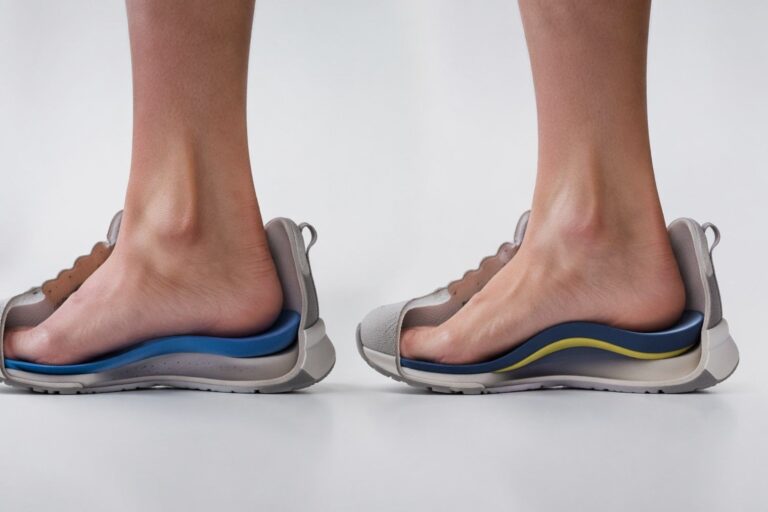
Rather than simply making the foot feel softer, arch support provides structure beneath the midfoot. This can help distribute pressure more evenly and reduce excessive strain on certain areas of the foot.
Supportive insoles are commonly used by people with flat feet, overpronation, arch fatigue, or discomfort that develops during long periods of standing and walking.
Many people researching best insoles for flat feet are specifically looking for additional arch support because cushioning alone may not address the underlying cause of their discomfort.
The amount of support varies between products. Some insoles provide gentle guidance, while others use firmer materials designed to offer greater control and stability.
Understanding Cushioning
Cushioning focuses on absorbing impact forces and improving comfort underfoot.
When you walk, run, or stand, your feet repeatedly absorb pressure from the ground. Cushioning materials help reduce the feeling of these forces by creating a softer interface between the foot and the shoe.
Common cushioning materials include:
- EVA foam
- Memory foam
- Gel inserts
- Polyurethane foam
People often notice cushioning immediately because it changes how the shoe feels from the first step.
A highly cushioned insole may reduce pressure points and improve comfort during daily activities. However, cushioning primarily addresses impact and comfort rather than foot structure.
This distinction is important because a very soft insole may feel pleasant initially but provide limited support for individuals who need additional stability.
If an insole feels more irritating than supportive under the arch, it helps to understand why a supportive insole can feel too intense under the arch before assuming you just need more cushioning.
How Their Structures Differ
The biggest difference between arch support and cushioning lies in their design priorities.
Arch support is built around maintaining shape and providing structural assistance. Supportive insoles often include firmer sections beneath the arch that resist excessive compression under body weight.
Cushioning systems are designed to compress more easily. Their purpose is to absorb force and improve comfort rather than control movement.
As a result, the two can feel very different during use.
A supportive insole may initially feel firmer but remain consistent throughout a long workday.
A heavily cushioned insole may feel softer at first but compress more noticeably under continuous load.
This is one reason many people who spend long hours standing explore both cushioning and insoles for standing all day before deciding which feature matters most for their situation.
Comparing Function and Performance
Although arch support and cushioning often work together, their primary functions remain different.
Pressure Distribution
Arch support helps distribute pressure across a larger area of the foot.
By supporting the arch, certain structures may experience less concentrated stress during movement.
Cushioning reduces the intensity of pressure felt under the foot but does not necessarily change how forces are distributed.
If an insole felt great for the first few weeks but now seems flat, it helps to understand why insoles lose cushioning over time before replacing it with the same type again.
Stability
Arch support generally contributes more to stability.
Because supportive structures resist excessive movement, they can help maintain a more consistent foot position during walking and standing.
Cushioning materials tend to prioritize comfort over control.
If you’re specifically trying to reduce knee discomfort, it’s worth comparing Knee Pain Insoles vs Arch Support Insoles before deciding which type is right for you.
Responsiveness
Supportive insoles often maintain their shape longer under repeated loading.
Cushioning materials typically compress more during activity, which can create a softer feel but sometimes reduces responsiveness over time.
Neither approach is inherently better. The right choice depends on what problem you’re trying to solve.
Real-World Use Cases
The importance of arch support versus cushioning often becomes clearer when viewed through everyday situations.
Someone working an eight-hour retail shift may prioritize reducing fatigue while standing on hard surfaces. In this case, cushioning can improve comfort, but supportive features may also help maintain comfort as the day progresses.
A person walking several miles daily may benefit from a balance of support and cushioning. Too much softness can sometimes lead to instability, while insufficient cushioning may increase discomfort from repeated impact.
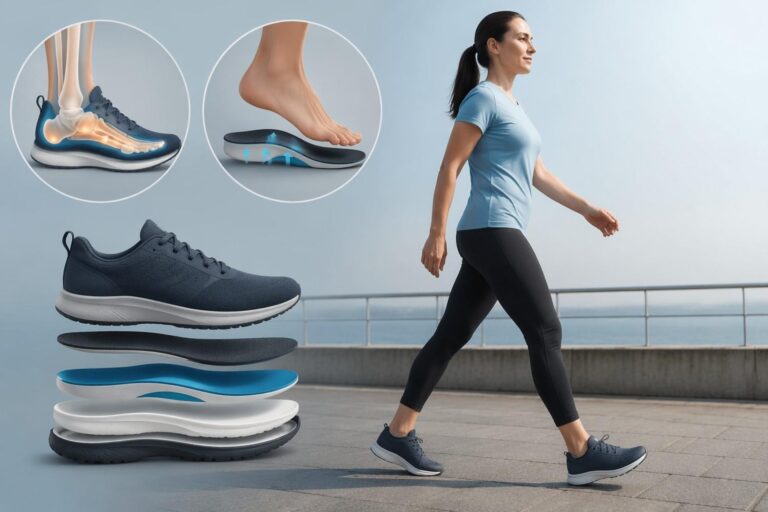
Athletes often require a combination of both. Running, training, and recreational sports place repeated stress on the feet, making impact absorption and structural support equally relevant.
People researching soft vs firm insoles often discover that the best solution isn’t always choosing one feature exclusively. Many modern insoles combine varying levels of support and cushioning to address multiple needs simultaneously.
Cost and Long-Term Value
Price differences between cushioning-focused and support-focused insoles can vary significantly.
Basic foam cushioning insoles are often among the most affordable options. However, softer materials may wear down more quickly under heavy use.
Support-oriented insoles sometimes cost more because they incorporate firmer structural components and specialized designs.
When evaluating value, durability matters just as much as purchase price.
A lower-cost cushioning insole that requires frequent replacement may ultimately cost more over time than a more durable supportive design.
Similarly, a premium support insole may not provide meaningful benefits if your primary concern is simply improving comfort inside a shoe that already fits well.
Understanding your specific needs remains the most important factor when comparing long-term value.
The Advantages and Limitations of Arch Support
Arch support can be especially helpful for people whose discomfort is linked to foot mechanics rather than impact alone.
One of its biggest strengths is consistency. A supportive insole tends to maintain its shape throughout the day, which may help reduce fatigue during long periods of standing or walking. People with flat feet or those who experience excessive inward foot rolling often find that support improves comfort over time rather than simply making the shoe feel softer.
The tradeoff is that supportive insoles may feel firmer at first. Someone expecting a plush, cushioned sensation might initially find them less comfortable, even if they provide better long-term support.
The Advantages and Limitations of Cushioning
Cushioning excels at improving immediate comfort.
People often notice softer landings, reduced pressure points, and a more comfortable underfoot feel from the moment they start walking. This can be especially appealing for casual use, travel, or situations where pressure relief is the primary goal.
The limitation is that cushioning alone may not address underlying support needs. If discomfort stems from foot alignment, arch fatigue, or excessive motion, additional softness may not solve the problem.
Cushioning materials can also lose effectiveness as they compress with repeated use, particularly under heavy daily loads.
Who Should Choose Arch Support?
This is for you if:
- You have flat feet or low arches.
- Your feet feel tired after long periods of standing.
- You experience arch fatigue during walking.
- You want more stability inside your shoes.
- You need better pressure distribution rather than simply a softer feel.
People exploring best insoles for flat feet often fall into this category because structural support may address the source of their discomfort more directly than additional cushioning alone.
In many cases, support becomes more important as activity levels increase and foot mechanics play a larger role in overall comfort.
Who Should Choose Cushioning?
This is for you if:
- Your primary goal is comfort.
- You experience pressure-related discomfort.
- You want a softer feel underfoot.
- Your current shoes already provide adequate support.
- You spend moderate amounts of time walking but do not require significant motion control.
For many casual users, cushioning improves the overall experience of wearing a shoe without substantially changing how the foot functions inside it.
The emphasis is on comfort rather than correction or structural guidance.
How They Compare Over Time
Long-term performance is where differences often become more noticeable.
Supportive structures generally retain their shape better because they rely on firmer materials that resist compression. This can make them more predictable during months of regular use.
Cushioning materials, especially softer foams, may gradually flatten as they absorb repeated loads. While they can remain comfortable, their shock-absorbing ability often decreases over time.
Neither outcome is inherently good or bad. It simply reflects different design priorities.
Support focuses on maintaining structure.
Cushioning focuses on absorbing impact.
Quick Comparison Summary
Arch Support = Better for:
- Stability
- Pressure distribution
- Flat feet
- Long periods of standing
- Structural guidance
Cushioning = Better for:
- Softness
- Shock absorption
- Pressure relief
- Casual comfort
- Immediate underfoot comfort
For many people, the ideal solution includes elements of both rather than relying entirely on one feature.
Frequently Asked Questions
Is arch support more important than cushioning?
Not necessarily. It depends on why your feet are uncomfortable. If foot mechanics are contributing to fatigue or strain, support may be more beneficial. If comfort and impact absorption are your primary concerns, cushioning may matter more.
Can cushioning replace arch support?
In some situations, cushioning may provide enough comfort on its own. However, cushioning does not typically provide the same structural assistance that arch support offers. People needing stability often benefit from both features.
Are supportive insoles always firmer?
Most supportive insoles use firmer materials in key areas to maintain structure. However, many modern designs combine supportive elements with cushioning layers to improve overall comfort.
Do athletes need arch support or cushioning?
Many athletes benefit from both. Running and sports activities create repeated impact forces while also placing demands on foot stability. The balance depends on the individual’s foot type and activity.
Which lasts longer, support or cushioning?
Supportive structures often maintain their shape longer because they rely on firmer materials. Softer cushioning materials may compress more quickly, especially with heavy daily use.
If you’re comparing softer comfort inserts with firmer support models, what it means when an insole feels too stiff under your heel can help explain why one option feels better in the first week than another.
Our picks: One pick for each side, plus a middle option.
Superfeet Green – Firm arch support for stability and alignment.
Cushion insoles – Soft shock absorption for tired feet and hard floors.
Powerstep Maxx Support – Arch support with cushioning on top, if you want both.
Final Verdict
The question isn’t whether arch support or cushioning is universally better.
The real question is what your feet need most.
If you’re looking for greater stability, improved pressure distribution, and long-term structural assistance, arch support may play a larger role in your comfort.
If your primary concern is softness, impact absorption, and immediate pressure relief, cushioning may be more important.
For many people, the most effective insoles combine both features in a way that matches their daily activities, footwear, and foot structure.
Understanding the difference helps you choose based on function rather than assumptions, making it easier to find an option that supports your specific needs.