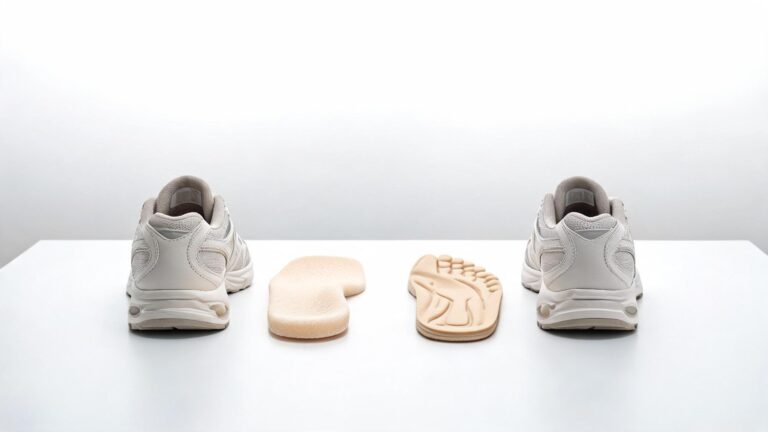
Best Insoles for Daily Walking and Standing
If your feet feel fine in the morning but ache by late afternoon, you’re not alone. Many people spend hours walking through stores, working on hard floors, commuting, or simply moving around throughout the day. What often starts as mild fatigue can gradually turn into sore arches, aching heels, and an uncomfortable feeling that follows you home every evening.
The right insoles for walking and standing can make a noticeable difference. However, choosing the wrong type often leads to disappointment. Some insoles feel soft at first but flatten quickly. Others provide support but feel too firm for long periods of use.
This guide explains what to look for, which features matter most, and how to choose the right type of insole based on your daily routine, foot shape, and comfort needs.
For many people, foot fatigue isn’t caused by a major injury. Instead, it’s the result of thousands of steps, hours of standing, and repeated stress building up throughout the day.
If your day mixes both, standing vs walking at work explains how the load differs.
Why Walking and Standing Can Be Hard on Your Feet
Every step places force through the feet, ankles, knees, and lower body. When you’re standing, your feet continuously support your entire body weight.
Over time, this constant loading can create strain in several areas:
- The heel
- The arch
- The ball of the foot
- The ankles
- The lower legs
People who work retail, healthcare, hospitality, warehouses, or other active jobs often experience this first. Even recreational walkers can notice increasing discomfort when spending several hours on hard surfaces.
The challenge is that modern footwear doesn’t always provide enough support for these demands.
A shoe may feel comfortable when you first try it on, but comfort during a ten-minute fitting session isn’t the same as comfort after eight hours on concrete.
For individuals with low arches or alignment concerns, articles like best insoles for flat feet can provide additional guidance on support-focused options.
Why Standard Shoe Insoles Often Fall Short
Most shoes include a factory insole designed to fit a wide range of users.
These inserts are usually thin, lightweight, and inexpensive to manufacture. While they may provide basic comfort, they rarely offer the support or durability needed for prolonged standing and walking.
Several common problems appear over time:
Too Soft Under Load
Many stock insoles rely on soft foam that compresses easily.
Initially, this can feel comfortable. However, repeated pressure often causes the material to flatten, reducing its ability to absorb impact and distribute weight effectively.
Limited Structural Support
A soft surface isn’t always a supportive surface.
Without adequate arch support or stability features, the foot may continue to experience excessive strain during long periods of activity.
Faster Wear and Tear
Factory insoles frequently wear out long before the shoe itself.
As materials compress, support decreases and pressure points become more noticeable.
This is one reason many people eventually start researching replacement insoles after noticing increasing fatigue despite wearing the same shoes.
What Features Actually Matter?
Not all insoles are designed for the same purpose.
The best insoles for walking and standing usually combine multiple features rather than focusing entirely on softness.
Arch Support
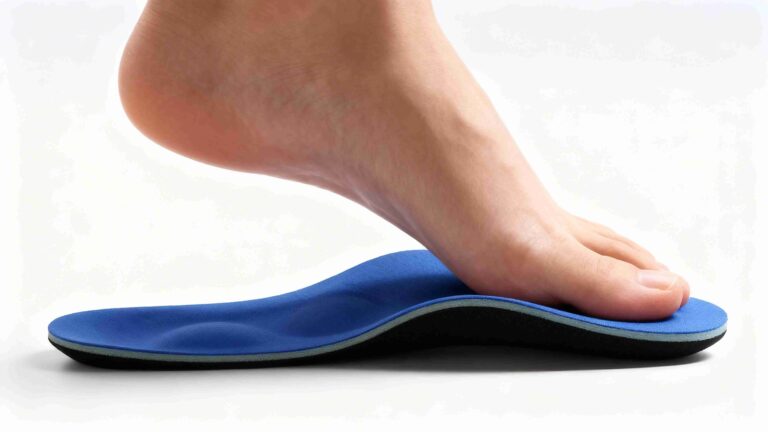
Arch support helps distribute pressure more evenly across the foot.
For some individuals, especially those with flat feet or low arches, support can reduce strain during prolonged standing.
Support doesn’t necessarily mean rigid. Many effective insoles use moderate support that guides the foot without feeling overly restrictive.
Cushioning
Cushioning absorbs impact and improves underfoot comfort.
However, more cushioning isn’t always better.
A very soft insole may feel comfortable initially but lose effectiveness during long work shifts. A slightly firmer design often maintains performance more consistently throughout the day.
This is similar to the difference between soft and firm mattresses. Immediate comfort and long-term support are not always the same thing.
Material Quality
The material used inside the insole plays a major role in durability and performance.
Common options include:
- EVA foam
- Polyurethane (PU)
- Gel inserts
- Multi-density foam systems
EVA foam is lightweight and comfortable but may compress faster under heavy use.
Polyurethane typically offers greater durability and longer-lasting support.
Gel materials often improve shock absorption but may not provide significant structural support on their own.
A well-designed foam system often delivers a better balance of comfort and stability than gel alone.
Stability and Motion Control
Walking and standing involve more than cushioning.
Good insoles help maintain a stable platform for the foot.
Excessive movement inside the shoe can increase fatigue and reduce efficiency throughout the day.
This becomes particularly important for people spending many hours on hard surfaces.
Durability
An insole that feels great for two weeks but collapses after two months rarely delivers good value.
Many people overlook durability when shopping, yet long-term performance often determines whether an insole remains comfortable over time.
Understanding how long do insoles last can help set realistic expectations regarding replacement schedules and long-term value.
How to Choose the Right Insole for Your Needs
Choosing the best insole becomes easier when you focus on your specific situation rather than searching for a universal solution.
Mild Fatigue
If your feet simply feel tired after long days but you don’t experience significant pain, moderate cushioning with light arch support is often enough.
The goal is comfort enhancement rather than correction.
Moderate Discomfort
If you regularly experience arch soreness, heel discomfort, or noticeable fatigue during long shifts, a more supportive insole may be beneficial.
At this stage, durability and stability often become just as important as cushioning.
Severe Daily Strain
People who spend entire workdays standing or walking typically need stronger support and more durable materials.
Many readers exploring insoles for standing all day are looking for solutions specifically designed for these higher-load environments.
Consider Your Shoe Type
The shoe matters too.
Work shoes, walking shoes, athletic shoes, and casual footwear all have different internal shapes and support characteristics.
An insole that performs well in a walking shoe may not fit properly inside a narrow casual shoe.
Matching the insole to the footwear is often just as important as choosing the insole itself.
Cushioned Comfort Insoles
Who is this for?
This type is best for people who primarily want to reduce foot fatigue during daily walking, errands, travel, or moderate standing.
Cushioned comfort insoles focus on absorbing impact and creating a softer feel underfoot. They often use EVA foam, memory foam, or multi-layer cushioning materials to reduce pressure on the heel and forefoot.
Key benefits include:
- Improved everyday comfort
- Reduced pressure points
- Softer walking experience
- Lightweight feel
The limitation is that highly cushioned models may provide less structural support. If you have flat feet or significant arch strain, cushioning alone may not address the underlying issue.
Compared with support-focused designs, comfort insoles prioritize softness over stability.
Moderate Arch Support Insoles
Who is this for?
These are often a good fit for people who spend long hours standing and want a balance between comfort and support.
Moderate arch support insoles help distribute pressure more evenly while still maintaining reasonable cushioning. They tend to work well for daily wear because they avoid the extremes of being either overly soft or overly rigid.
Benefits include:
- Better pressure distribution
- Improved arch comfort
- Greater stability during walking
- Suitable for many foot types
The main limitation is that they may not provide enough correction for severe foot mechanics issues.
Compared with soft comfort insoles, these usually feel firmer initially but often remain comfortable for longer periods.
Firm Support Insoles
Who is this for?
People experiencing significant fatigue, low arches, or prolonged standing often prefer firmer support-oriented insoles.
These designs focus more on controlling movement and maintaining foot alignment throughout the day. Rather than compressing heavily under load, they retain their shape and provide a stable platform.
Benefits include:
- Increased stability
- Better long-term support
- Improved pressure management
- Consistent performance throughout long shifts
Some users require an adjustment period because firm support can feel less comfortable initially than soft foam designs.
Compared with heavily cushioned options, firm support typically sacrifices some softness in exchange for improved structure.
Gel-Based Insoles
Who is this for?
Gel insoles are often chosen by people seeking additional shock absorption during walking on hard surfaces.
The gel material helps reduce the sensation of impact, particularly under the heel and forefoot. This can improve comfort for some users during prolonged activity.
Benefits include:
- Enhanced shock absorption
- Reduced impact sensation
- Comfortable underfoot feel
- Useful for hard flooring environments
However, gel alone generally provides less support than structured arch-support designs.
Compared with foam-based systems, gel often feels more responsive under pressure but may offer less overall stability.
Work and Standing Insoles
Who is this for?
These insoles are specifically designed for people spending many hours on their feet in demanding environments.
Retail workers, nurses, warehouse employees, hospitality staff, and similar professions often benefit from this category.
Most work-focused insoles combine:
- Durable materials
- Moderate arch support
- Cushioning layers
- Stability features
Their primary advantage is maintaining comfort throughout an entire shift rather than focusing solely on immediate softness.
Compared with basic comfort insoles, these designs generally provide better long-term durability and support under heavy daily use.
Match the Insole to Where Your Feet Hurt
For everyday walking, start with where the discomfort builds rather than chasing one feature. Heel soreness, tired arches and general forefoot pressure each point toward a different style. Your daily walking load matters too, and so does how closely your sneakers or casual shoes fit.
For general soreness, start with balanced cushioning. Choose structured support when tired arches build with your step count, and a low-volume insole when shoe space is tight. If you walk long distances or flatten soft liners quickly, a firmer stability-focused option is usually the more practical choice.
Common Questions
Are insoles worth it for daily walking?
For many people, yes. A quality insole can improve comfort, reduce fatigue, and provide additional support during long periods of walking. The benefits are often most noticeable when factory insoles no longer provide adequate cushioning or support.
What type of insole is best for standing all day?
Most people benefit from a combination of cushioning and support rather than softness alone. Insoles designed specifically for prolonged standing often use durable materials that maintain performance throughout long work shifts.
Do soft insoles provide better comfort?
Not always. Soft insoles may feel comfortable initially but can compress under prolonged load. Moderate support combined with cushioning often delivers better all-day comfort.
How often should walking insoles be replaced?
Replacement intervals vary depending on activity level, body weight, and material quality. Signs such as flattening, reduced comfort, and visible wear often indicate that replacement is needed.
Can insoles reduce foot fatigue?
They often can. By improving pressure distribution, reducing impact, and supporting the foot more effectively, many insoles help reduce the fatigue that develops during long days of standing and walking.
Should I remove the original shoe insole first?
If the original liner is removable, replacing it usually gives better space and fit. Stacking insoles can make the shoe tight or lift your heel.
Are walking insoles supposed to feel supportive immediately?
They should fit securely without creating sharp pressure. A firmer insole may feel different at first, but persistent discomfort is a reason to reassess the shape or support level.
Verdict
The best insoles for walking and standing depend largely on how your feet feel at the end of the day.
If your primary concern is comfort, cushioned insoles may be enough.
If fatigue develops after prolonged standing, moderate arch support often provides a better balance of comfort and stability.
For demanding work environments, support-focused standing insoles typically offer the strongest combination of durability, pressure distribution, and long-term performance.
Rather than looking for one “best” option, focus on matching the insole to your daily activity level, shoe type, and specific discomfort pattern. The right match usually becomes much easier once you identify whether your biggest need is cushioning, support, or a combination of both.